




















From Crutches to Walking Poles: Making the Transition
For many people, crutches are an important part of getting back on their feet. They provide stability, reduce pressure on the lower body, and offer the confidence needed to move safely while recovering from an injury, surgery, or other mobility challenge.
But recovery can bring a point when you no longer need—or want—the level of support provided by traditional crutches.
That’s where York Nordic Walking Poles can offer an exciting next step.
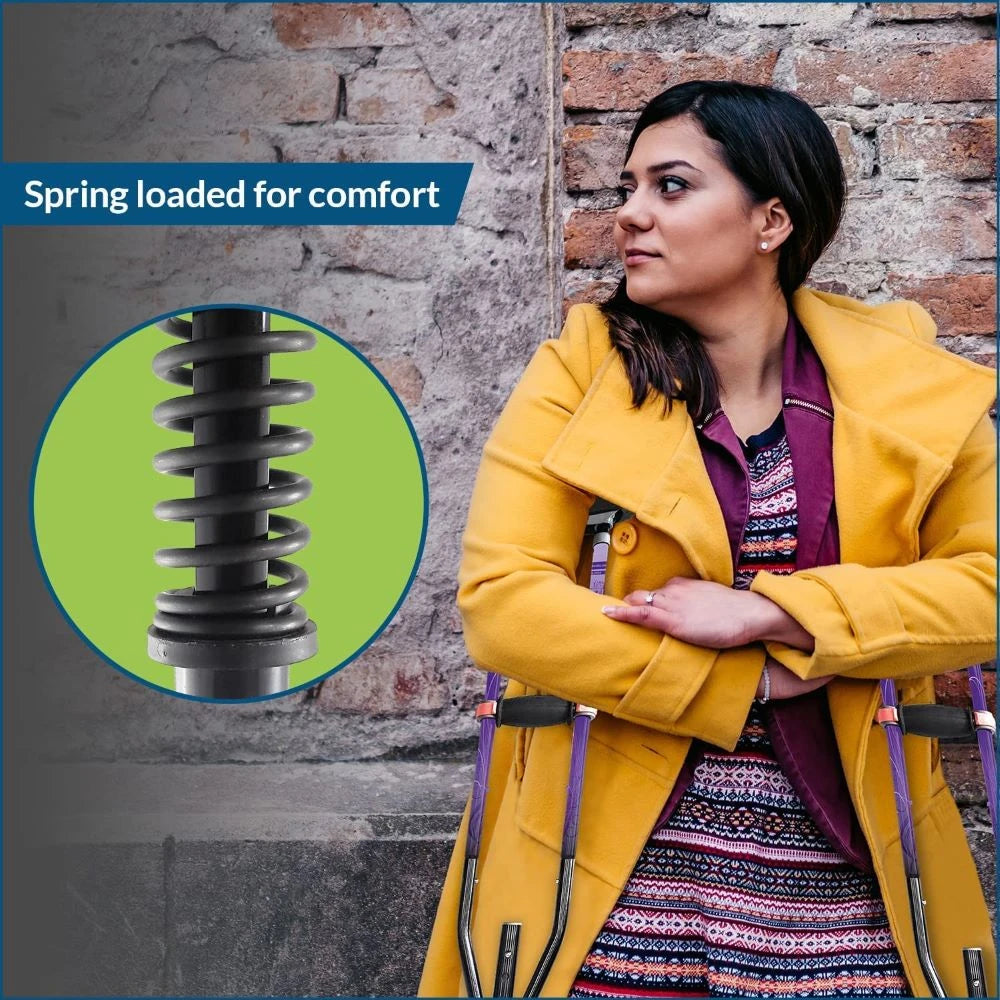
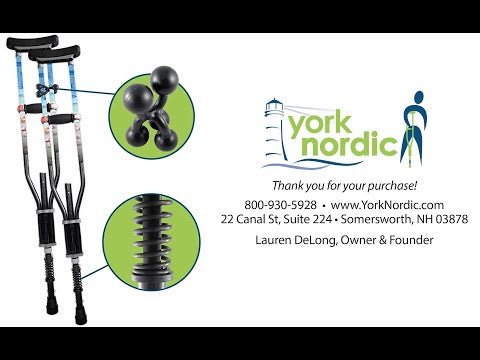
If you’ve been using York Nordic Underarm Spring Cushion Crutches, transitioning to walking poles can be a way to move from getting around to moving forward.
From Support to Mobility
Underarm crutches are designed primarily to provide substantial weight-bearing assistance. They are an excellent tool when you need significant support and stability.
Walking poles serve a different purpose.
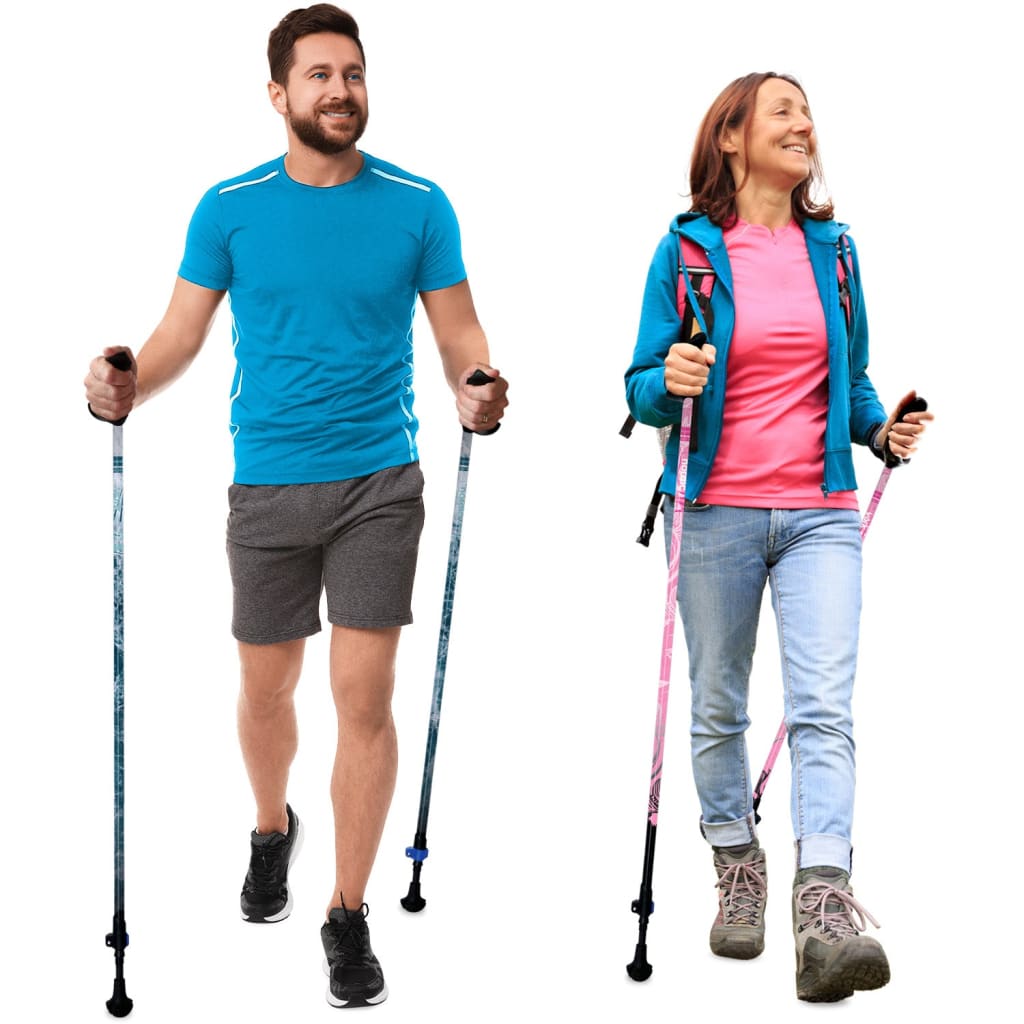
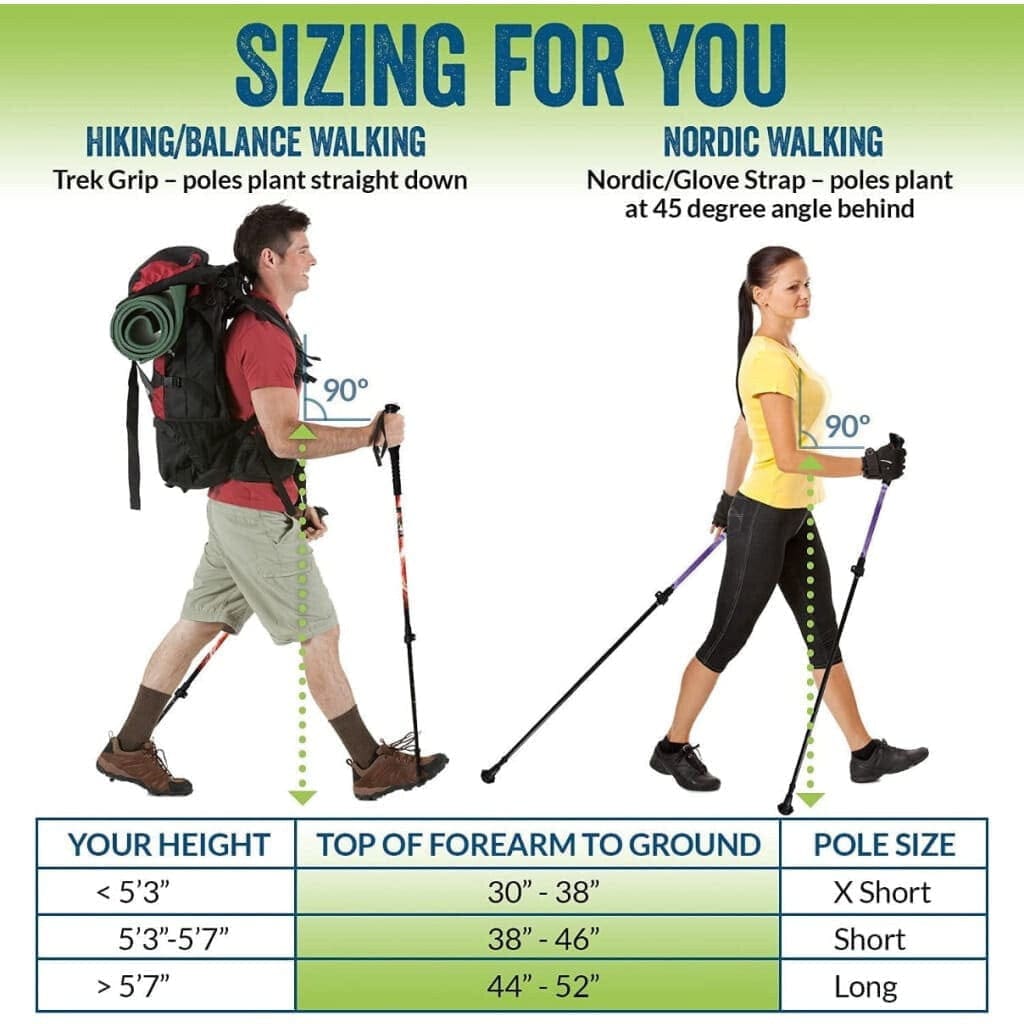
Rather than supporting your body from underneath your arms, walking poles encourage you to stand upright, engage your upper body, and use your arms as part of your natural walking motion.
The result is a more active approach to mobility.
For someone who has become accustomed to relying on crutches, walking poles may provide an opportunity to gradually regain confidence while enjoying greater freedom of movement.
Why Make the Switch?
There are several reasons people may appreciate moving from crutches to walking poles as their mobility improves.
1. A More Natural Walking Motion
Crutches can change the way you walk. Walking poles, on the other hand, are designed to complement your stride.
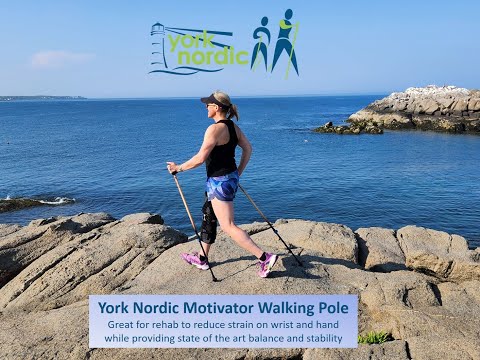
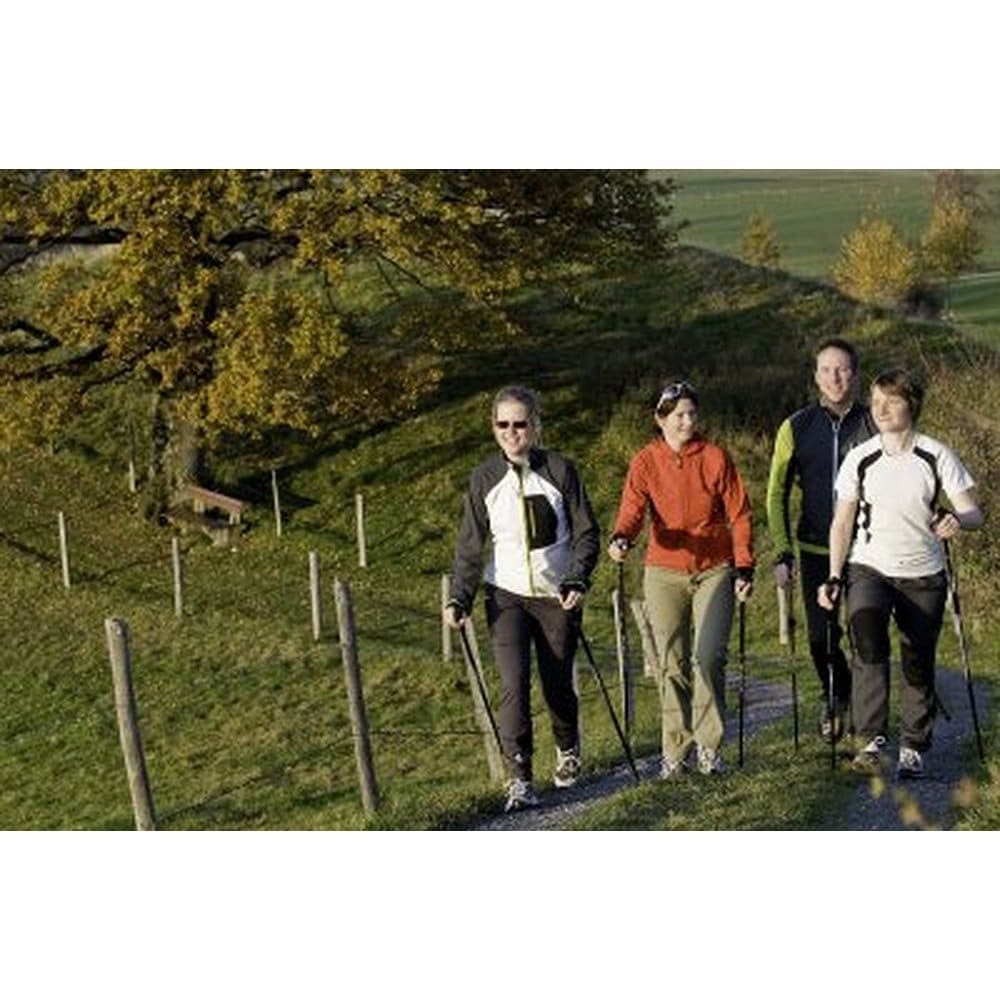
With the poles planted rhythmically as you walk, your arms and legs work together. This can create a smoother, more natural walking experience.
2. Less Bulk
Even well-designed crutches are relatively large mobility devices.
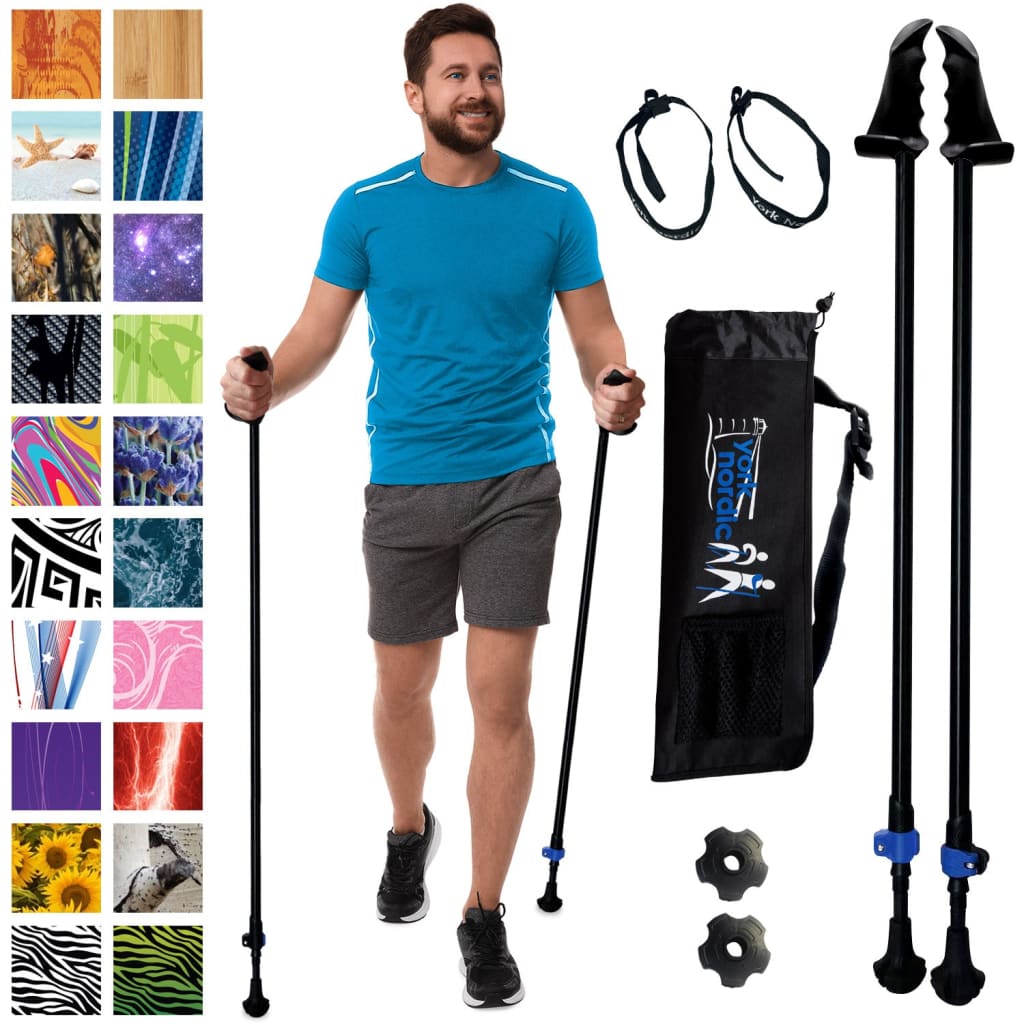
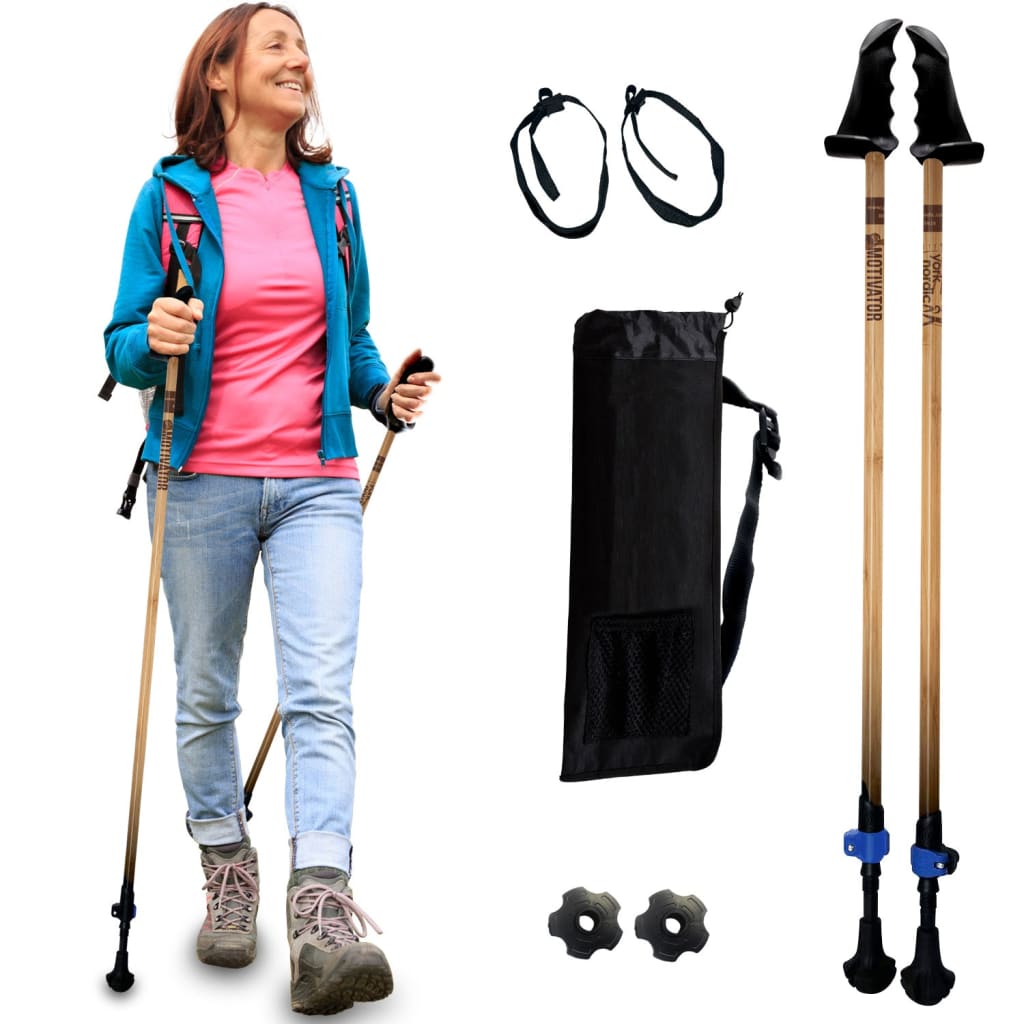
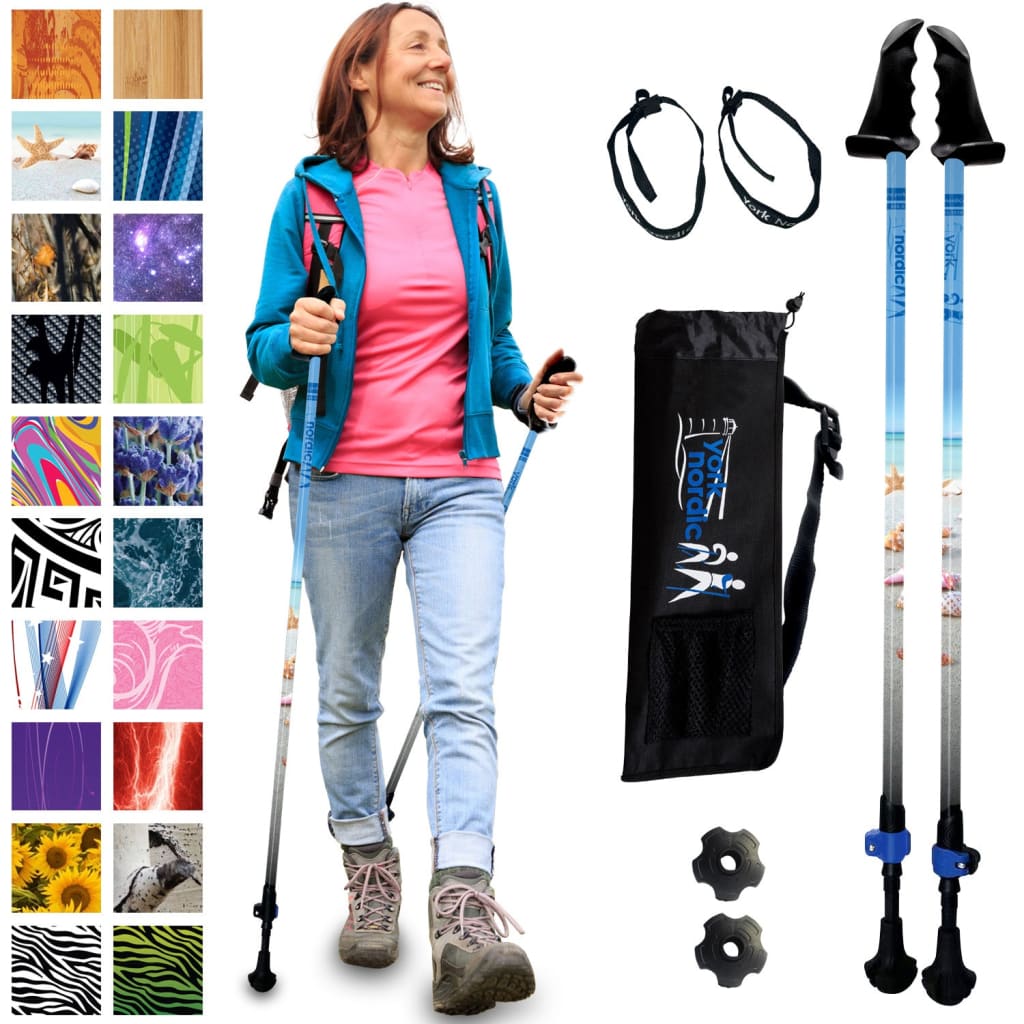
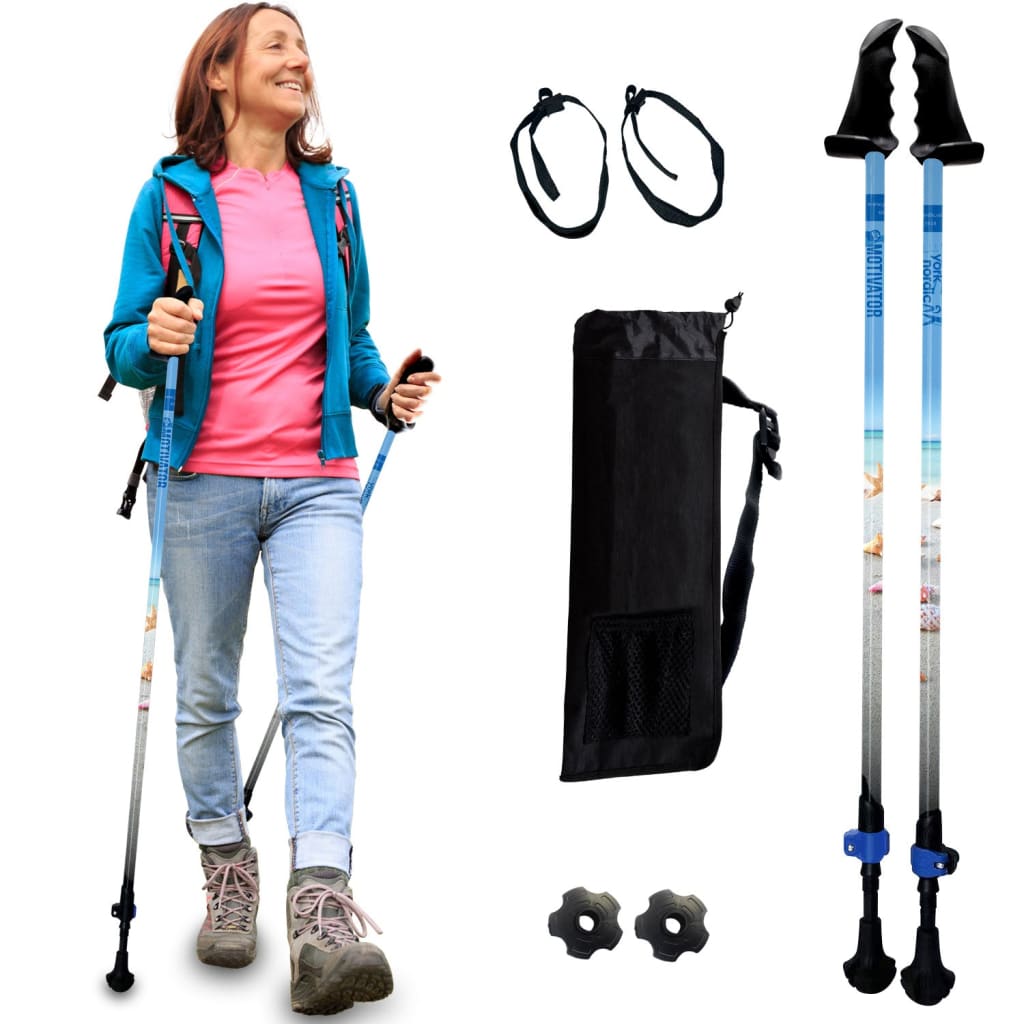
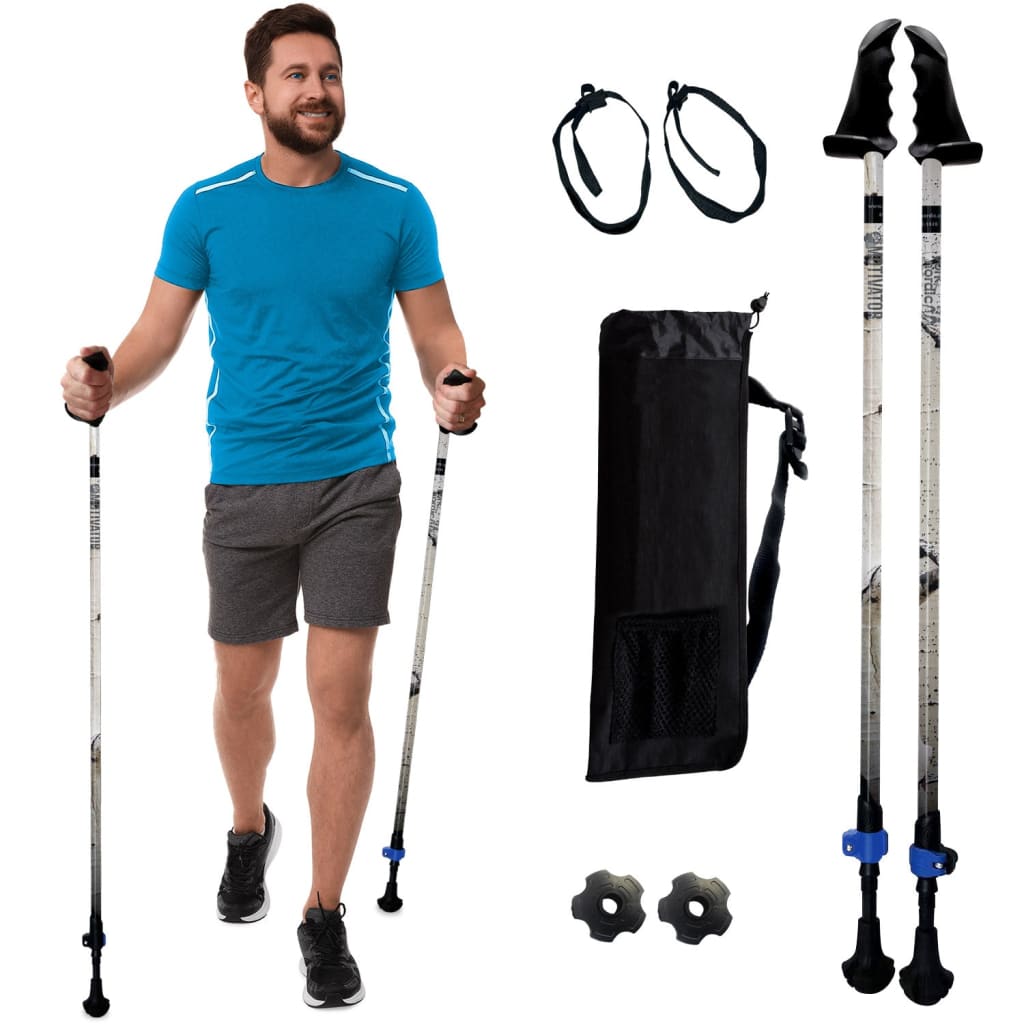
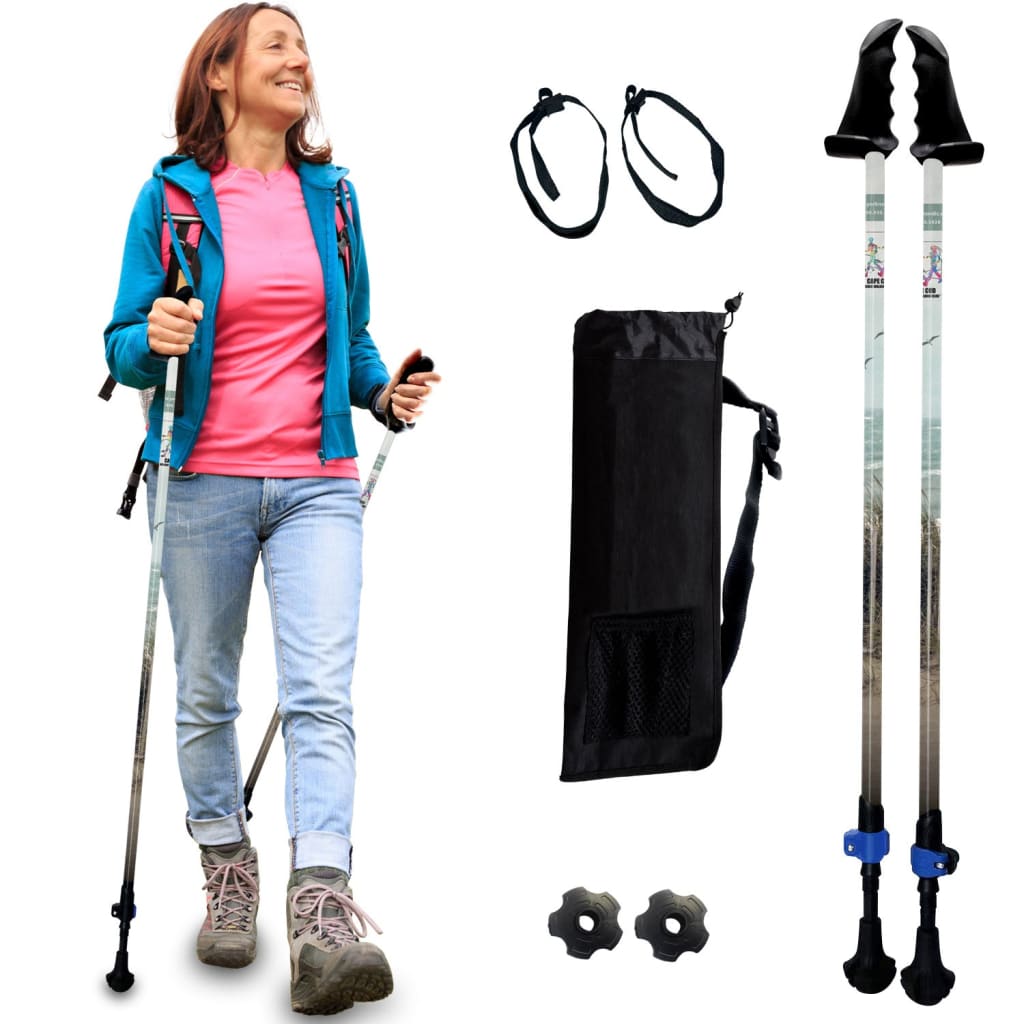
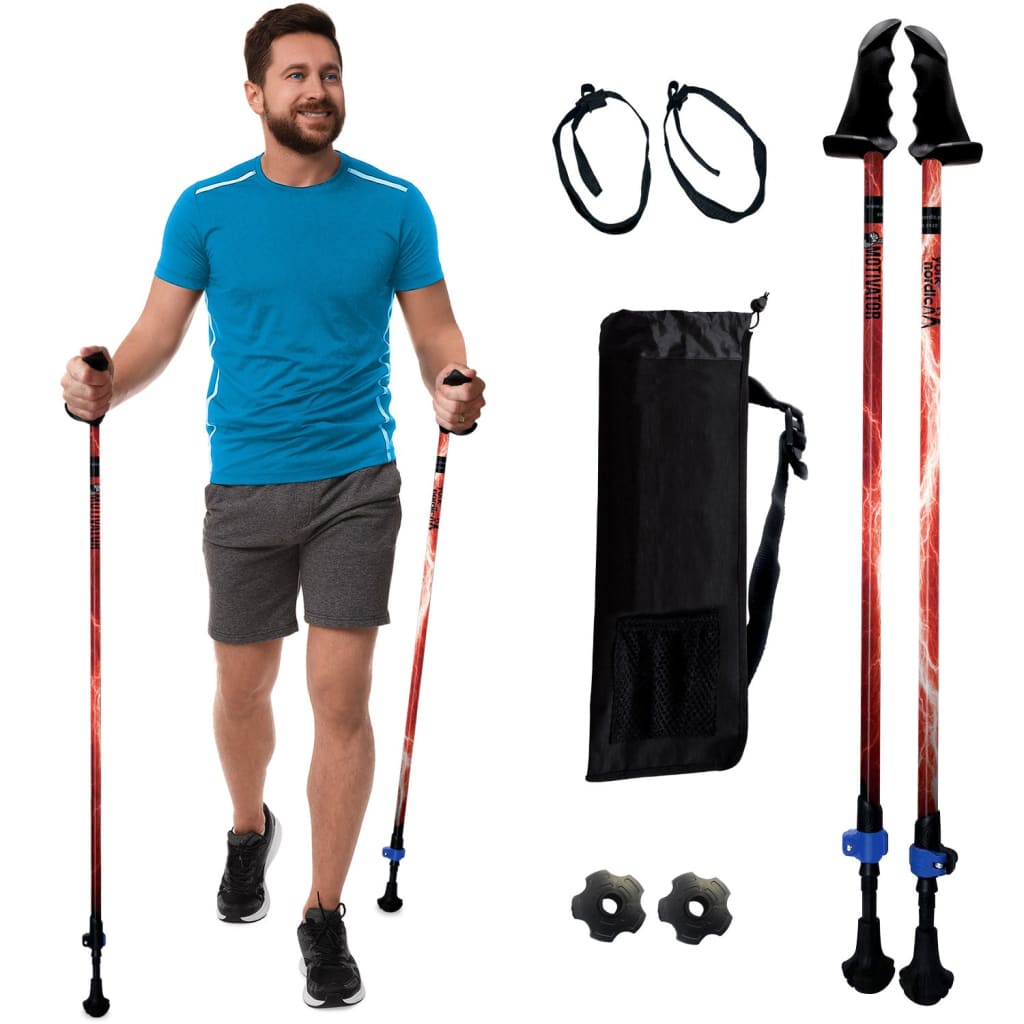
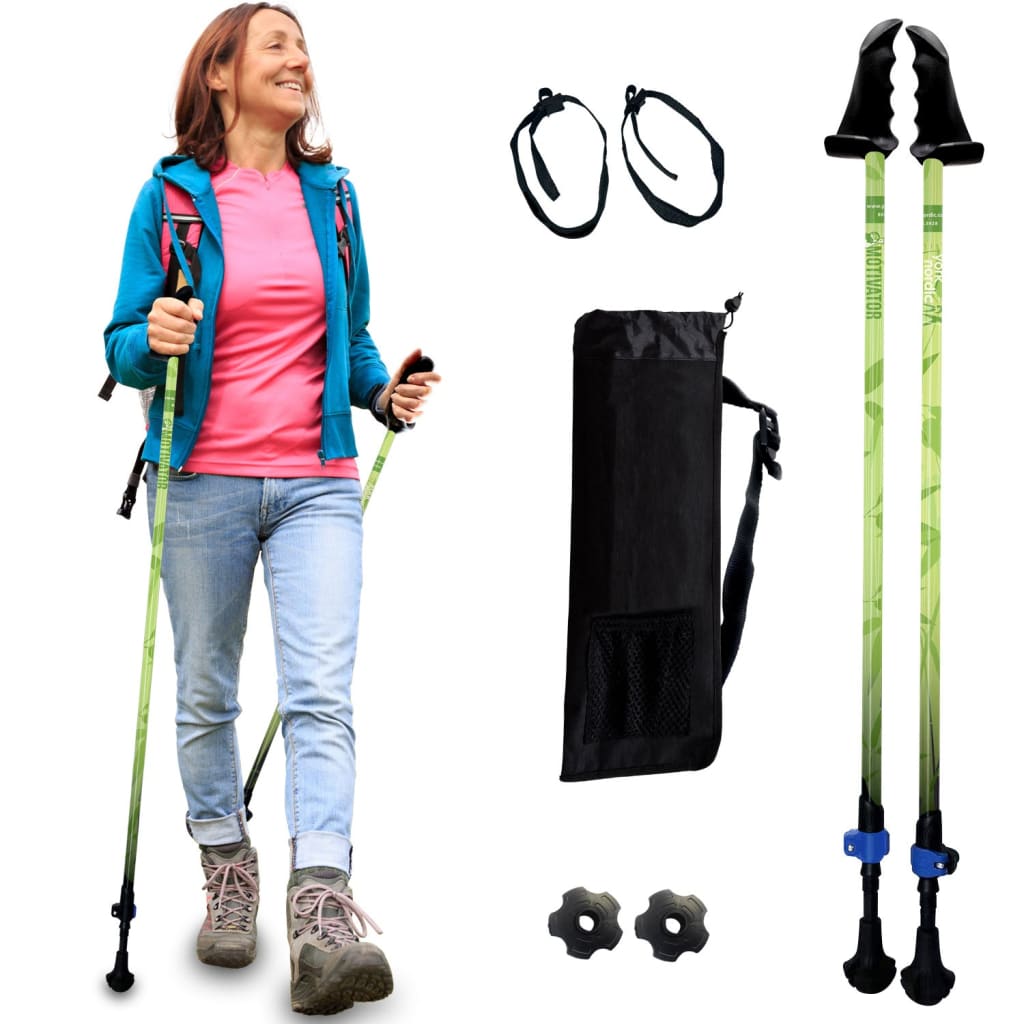
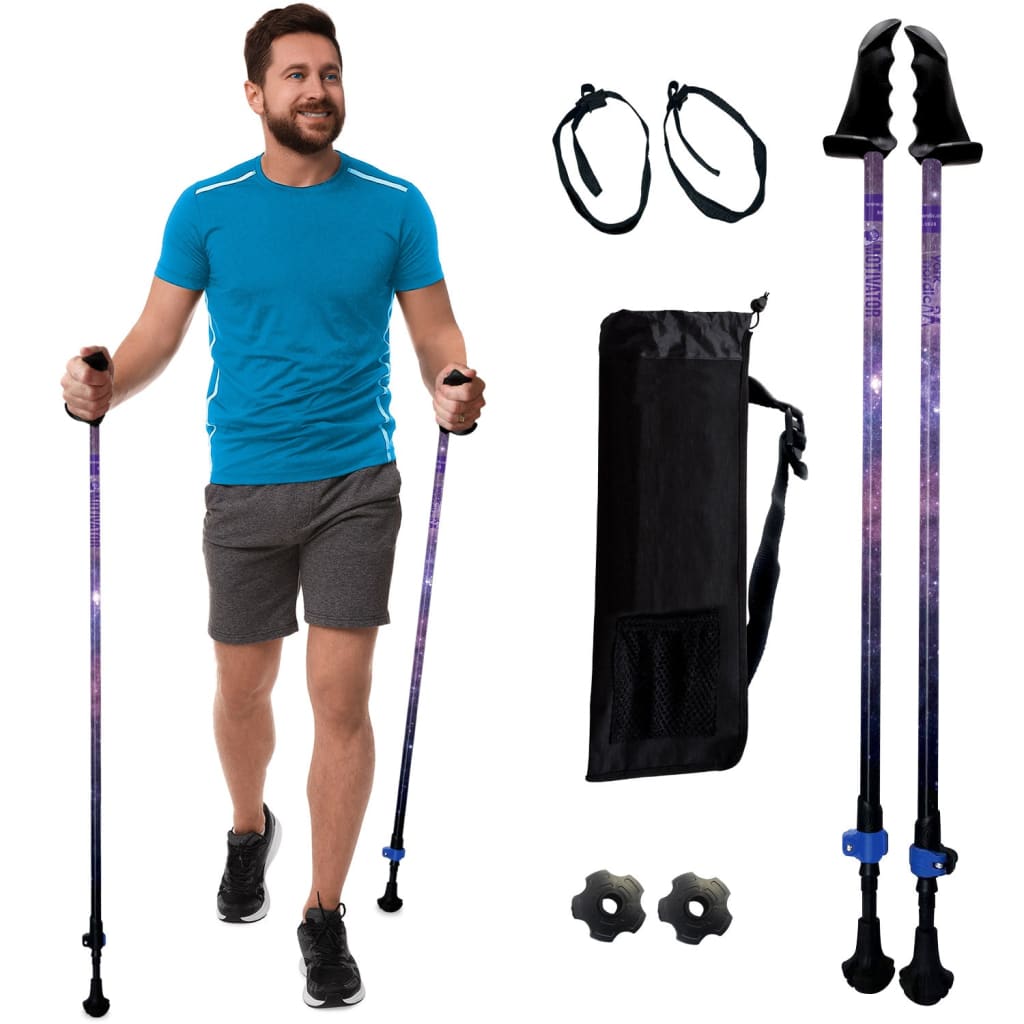
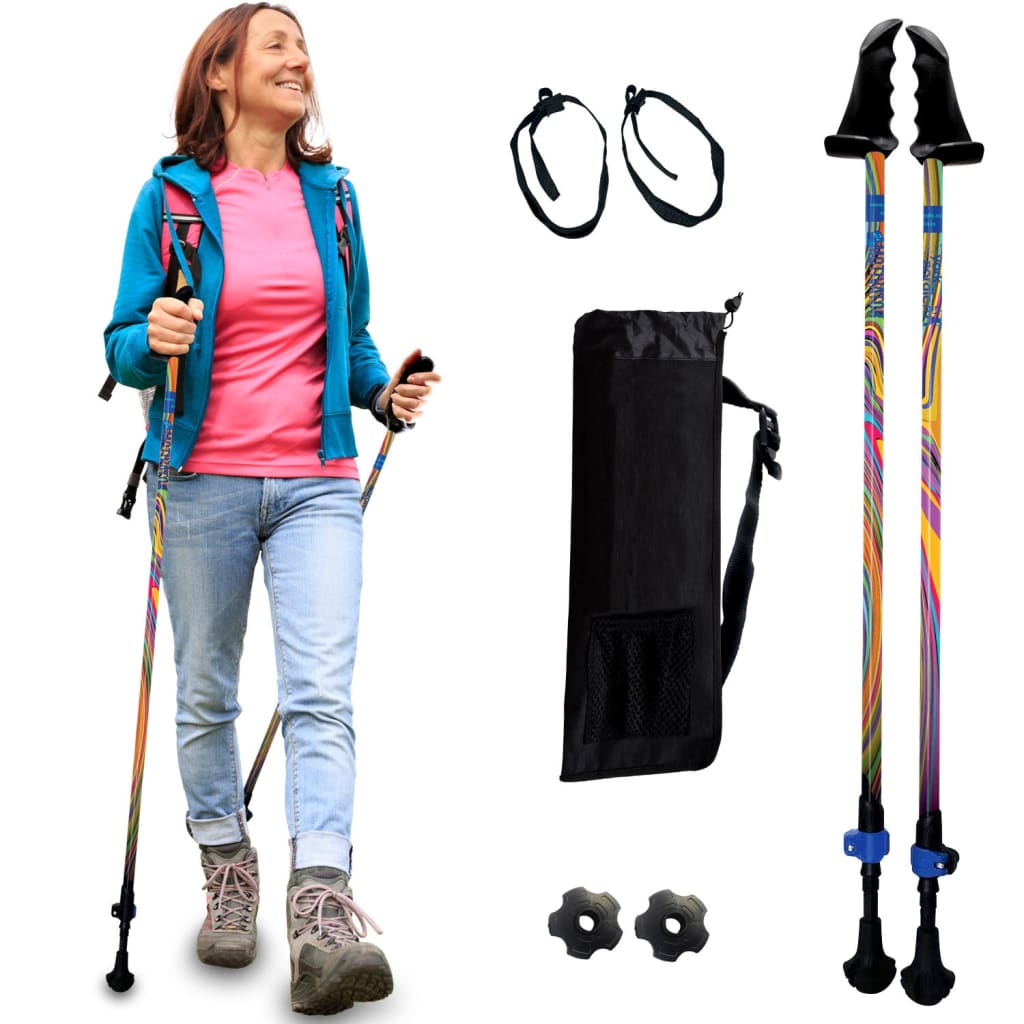
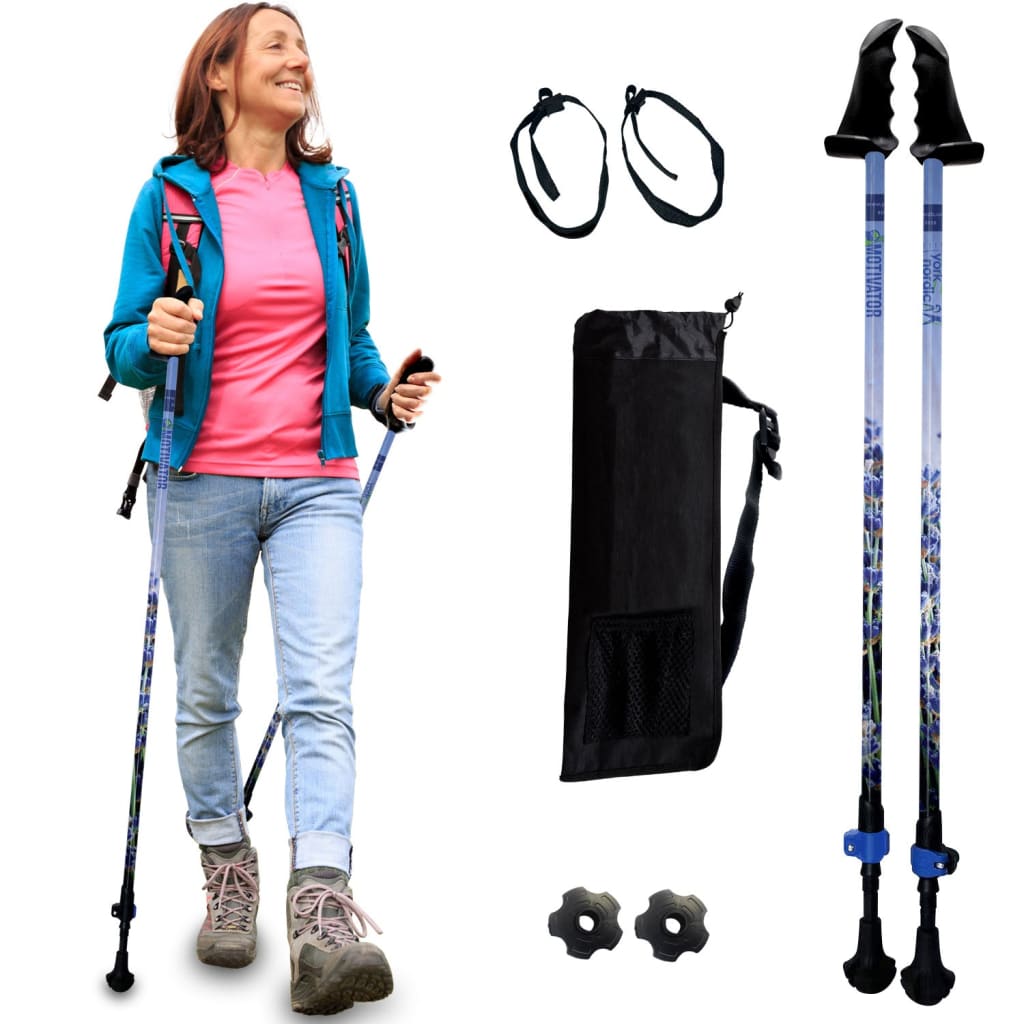
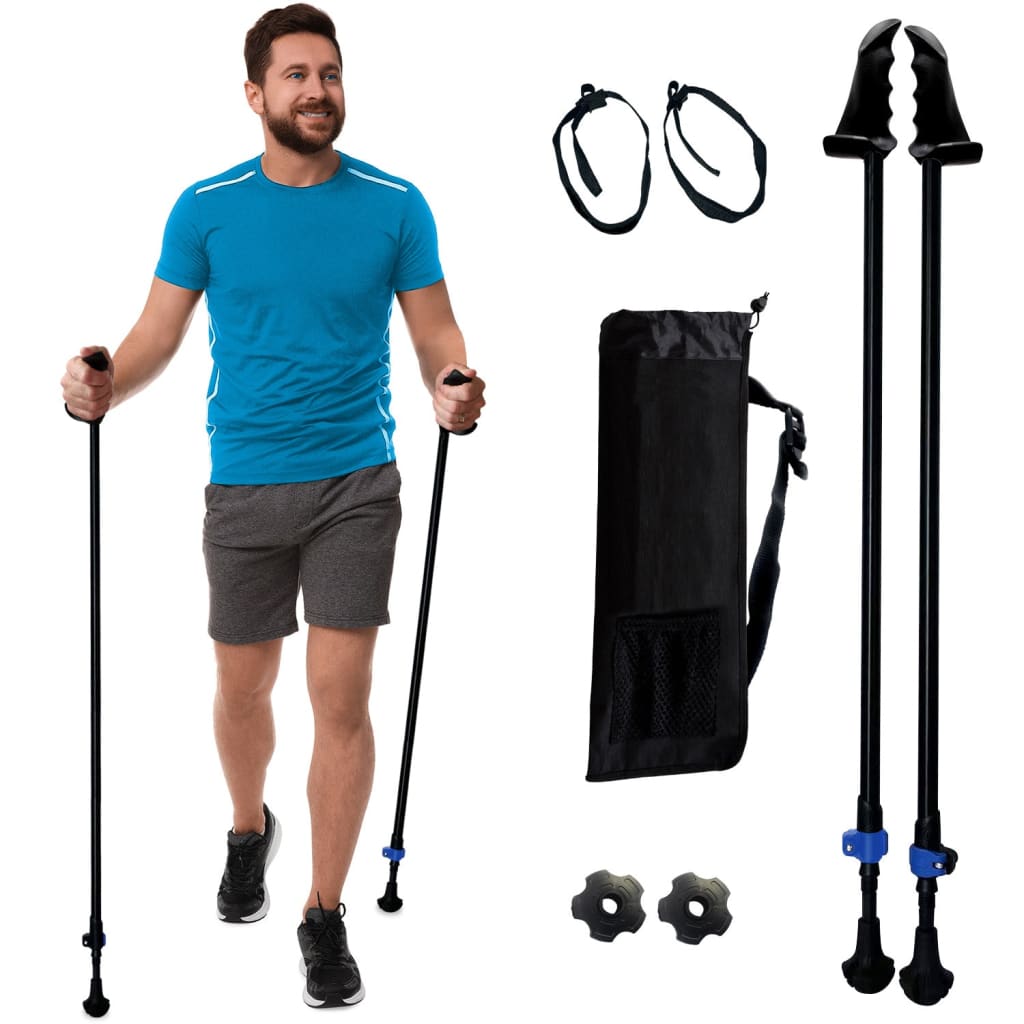
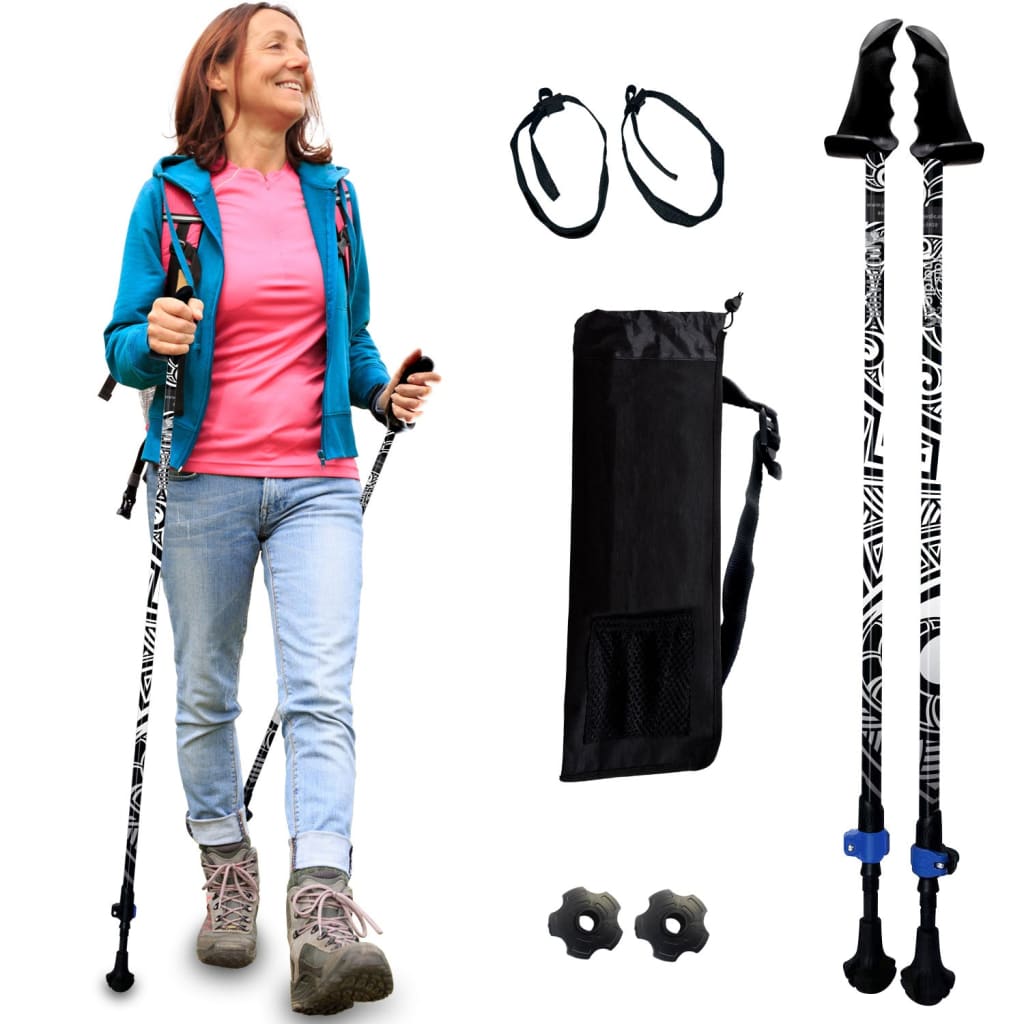
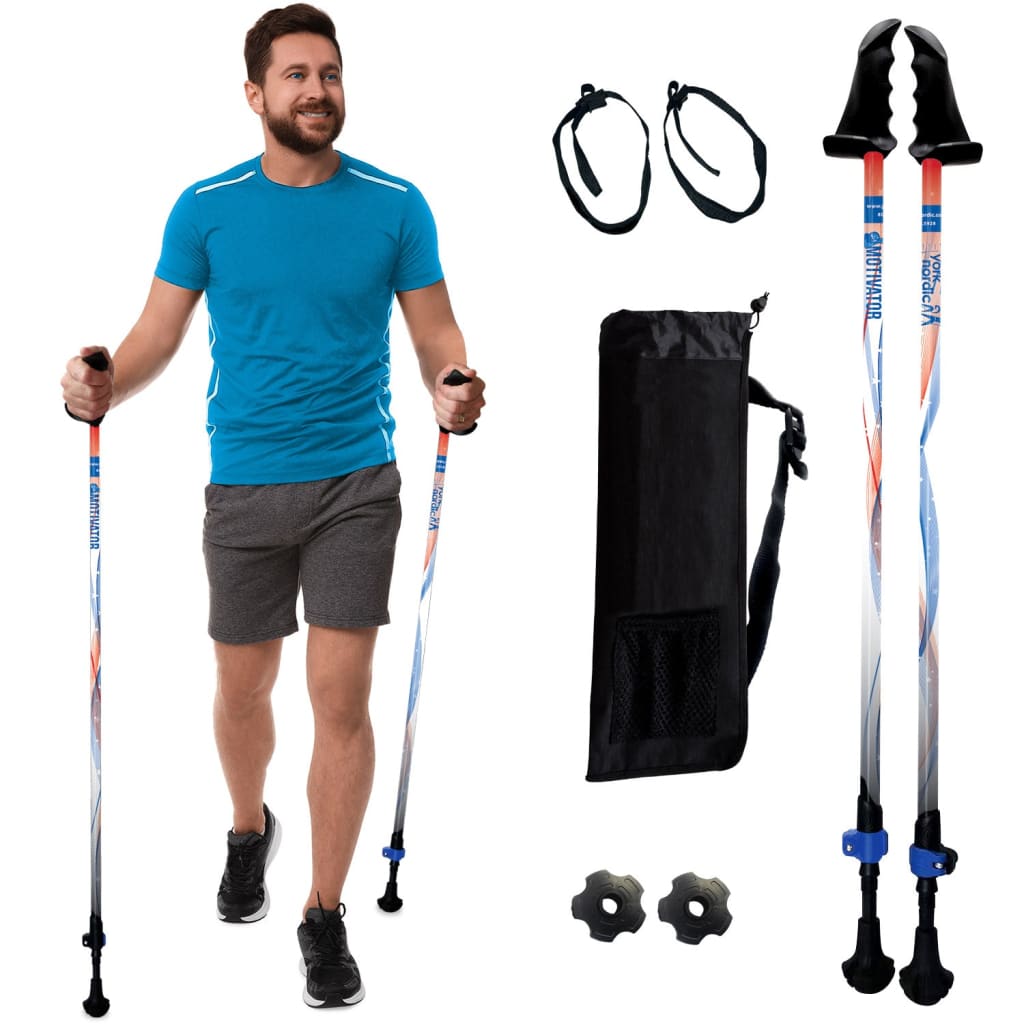
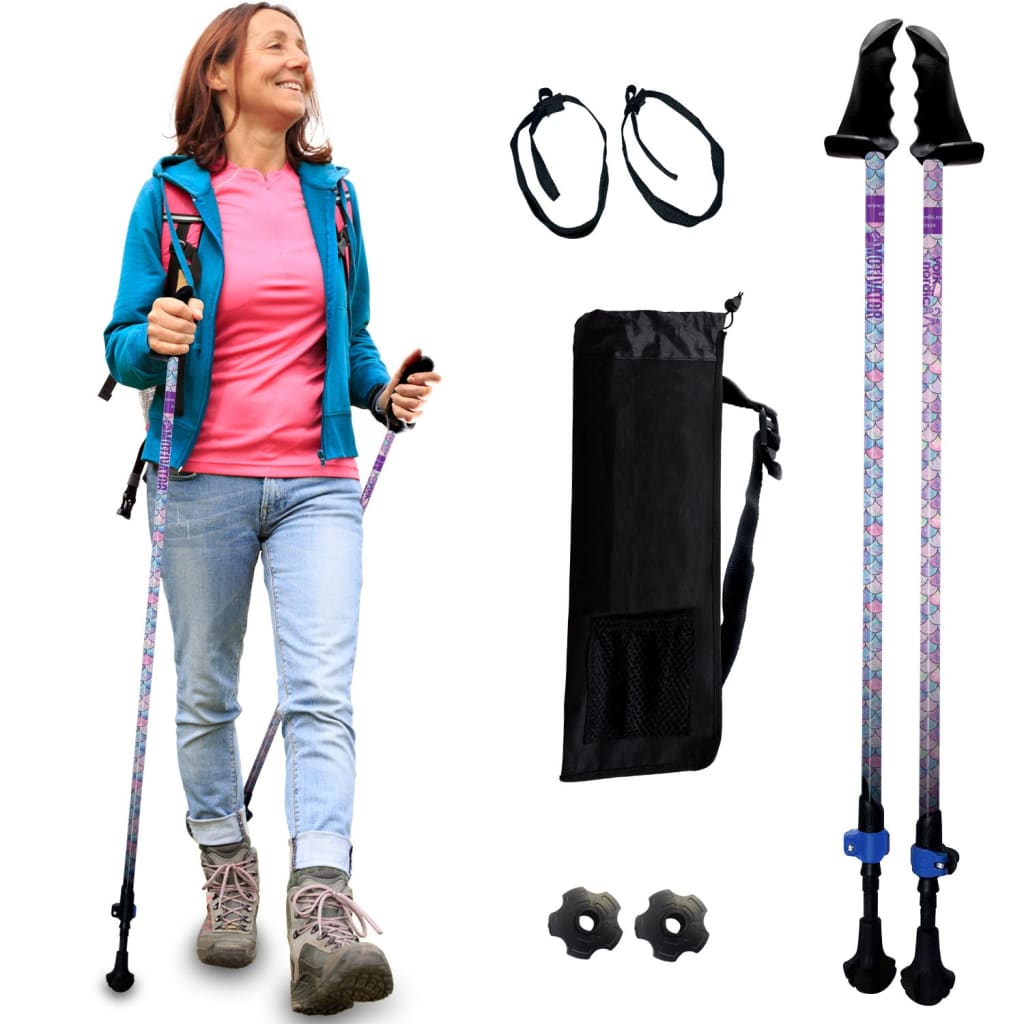
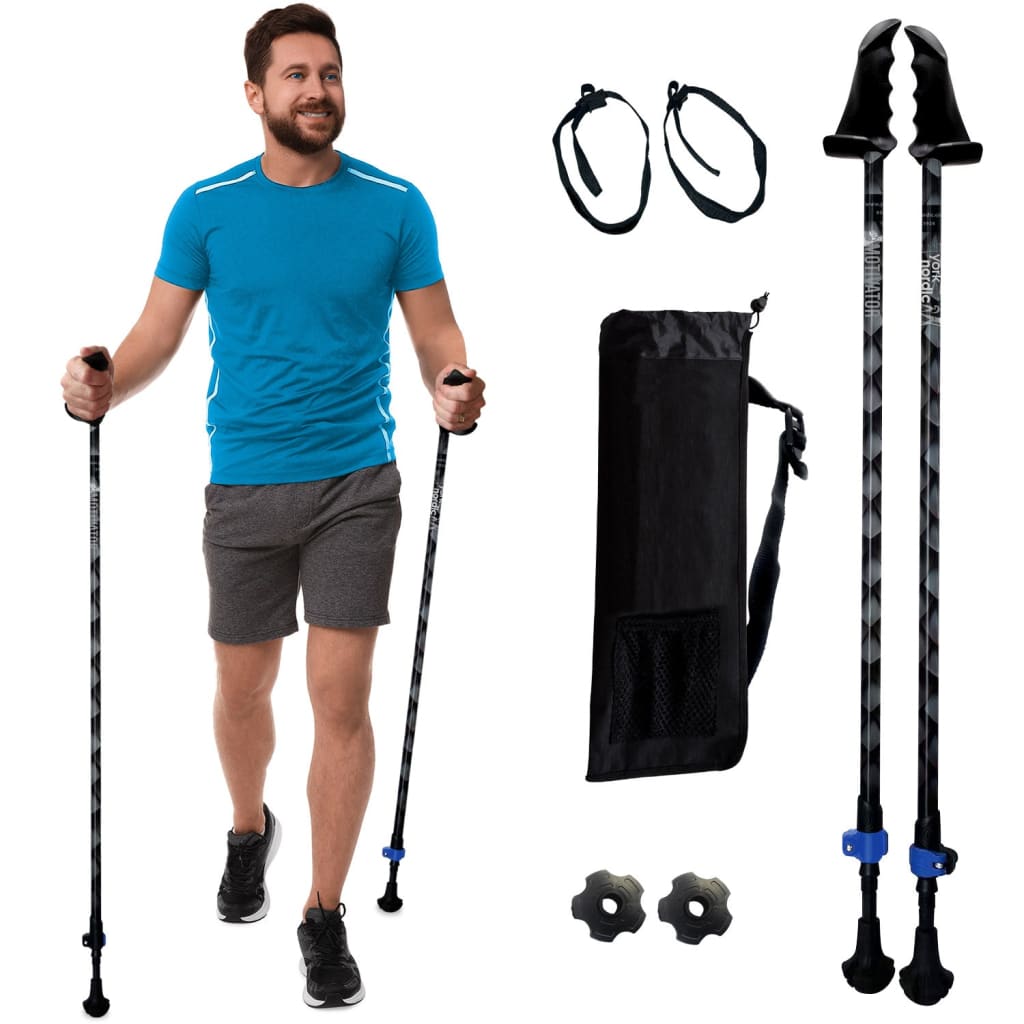
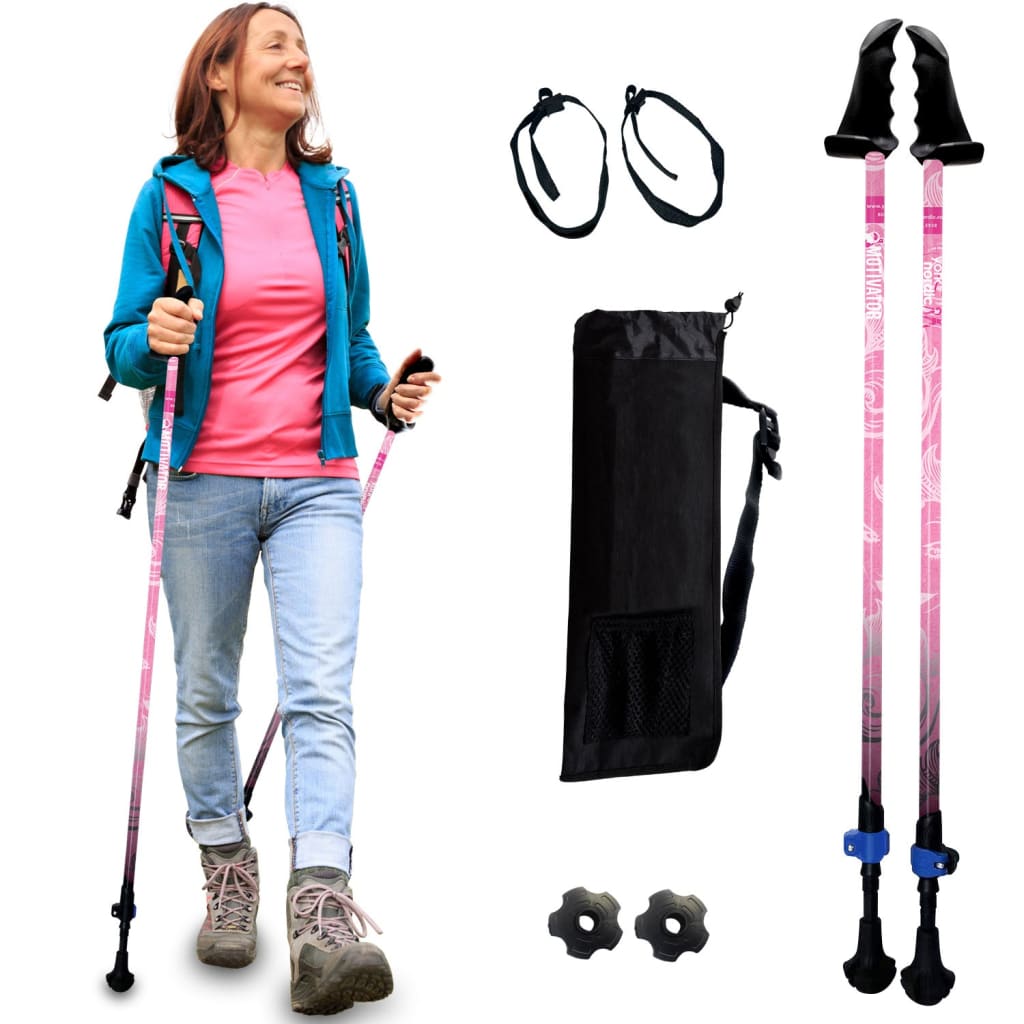
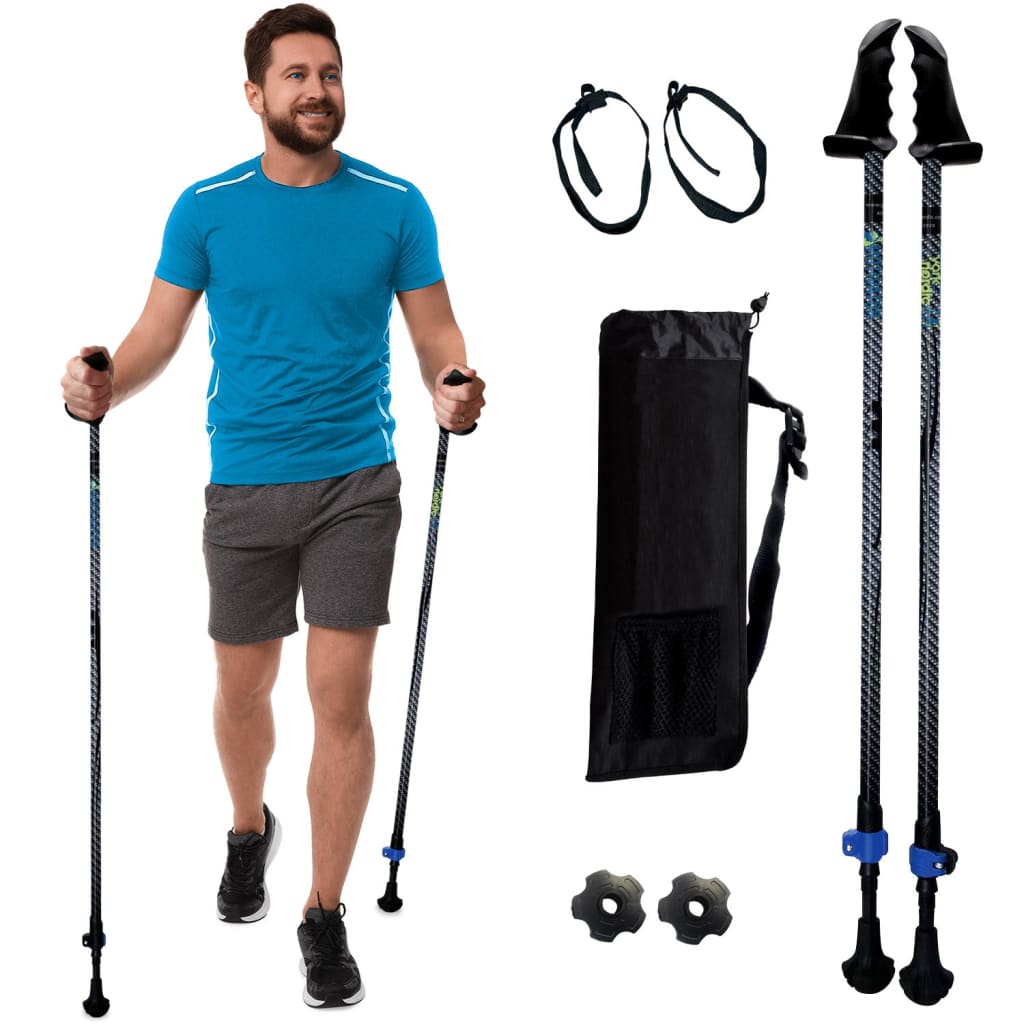
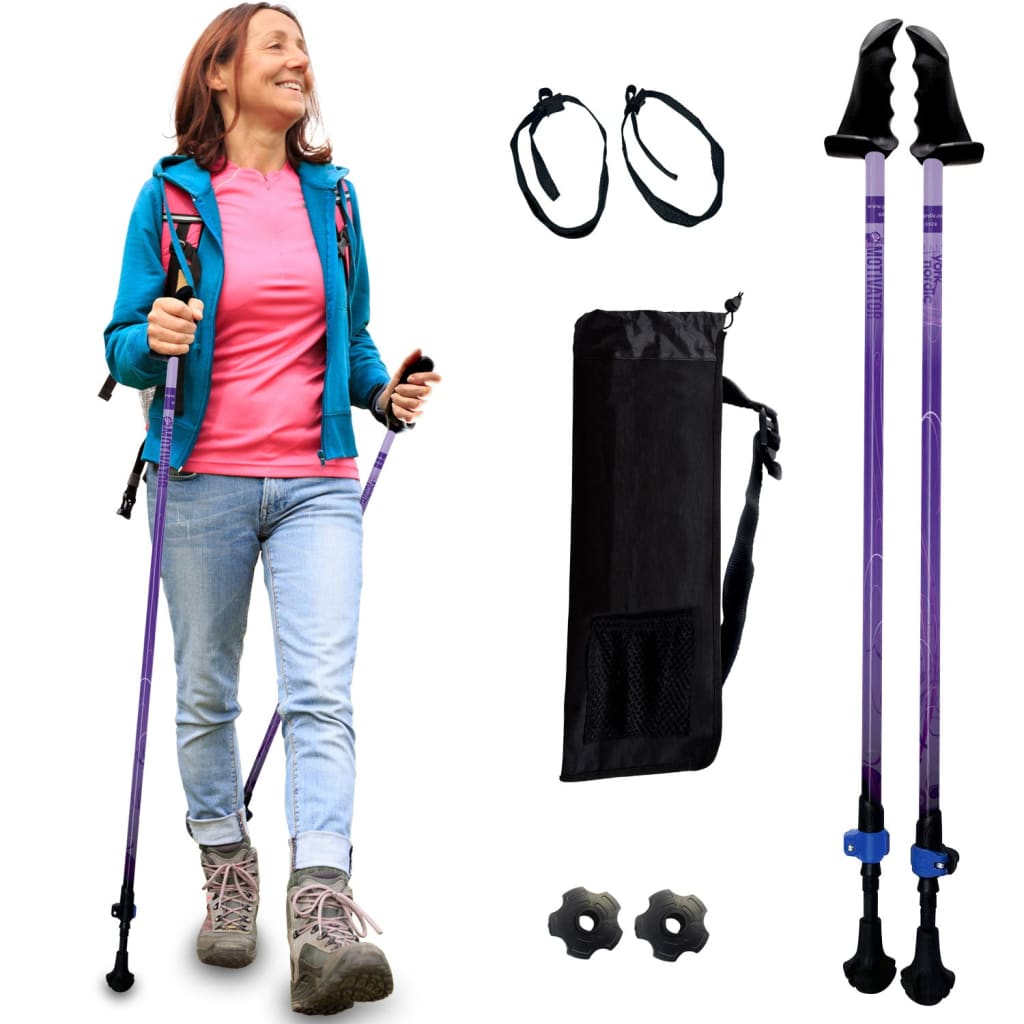
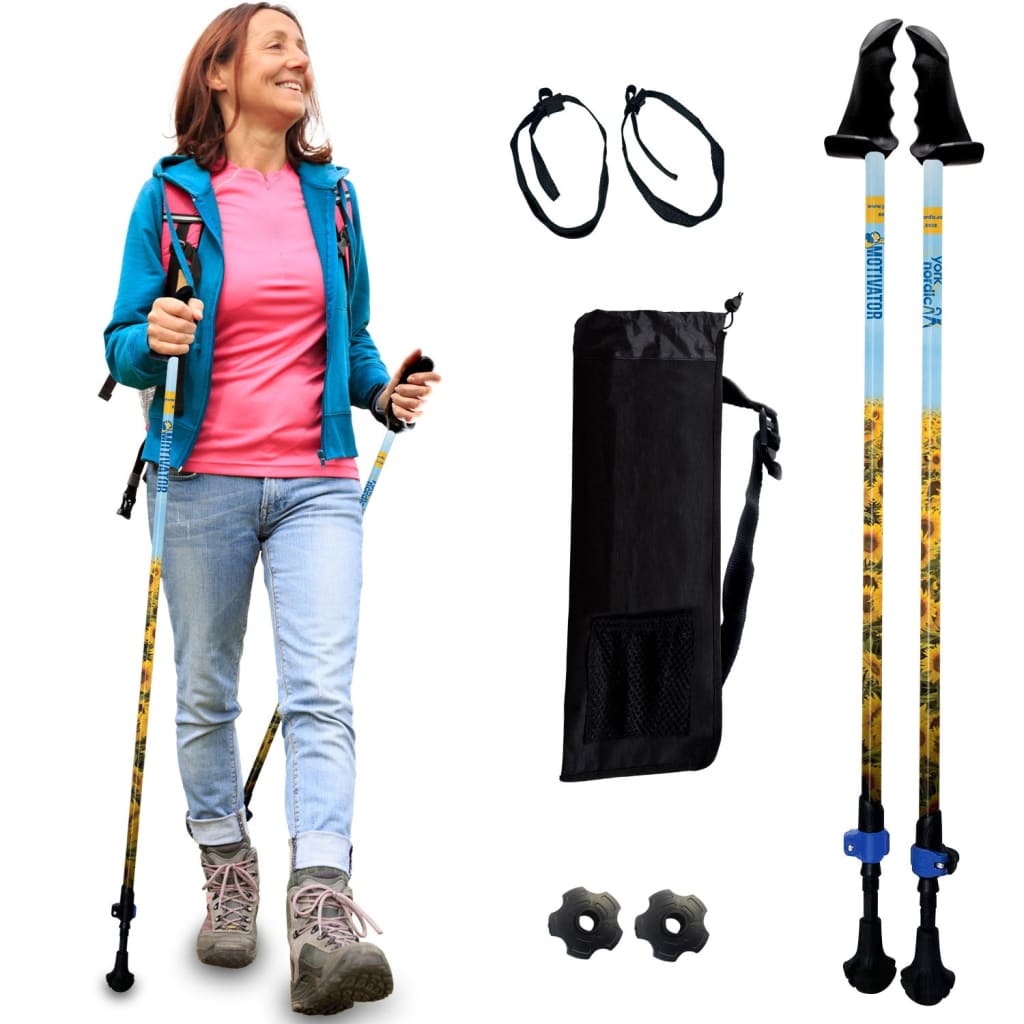
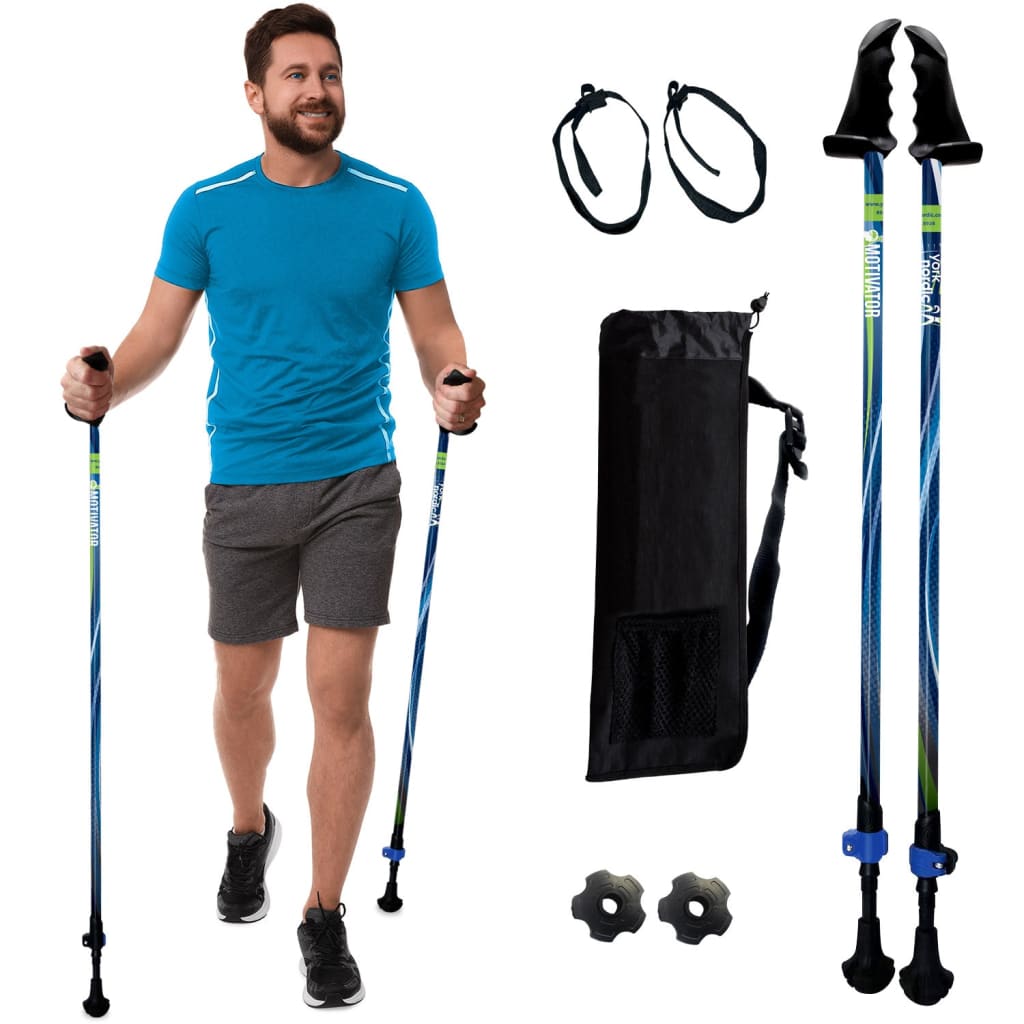
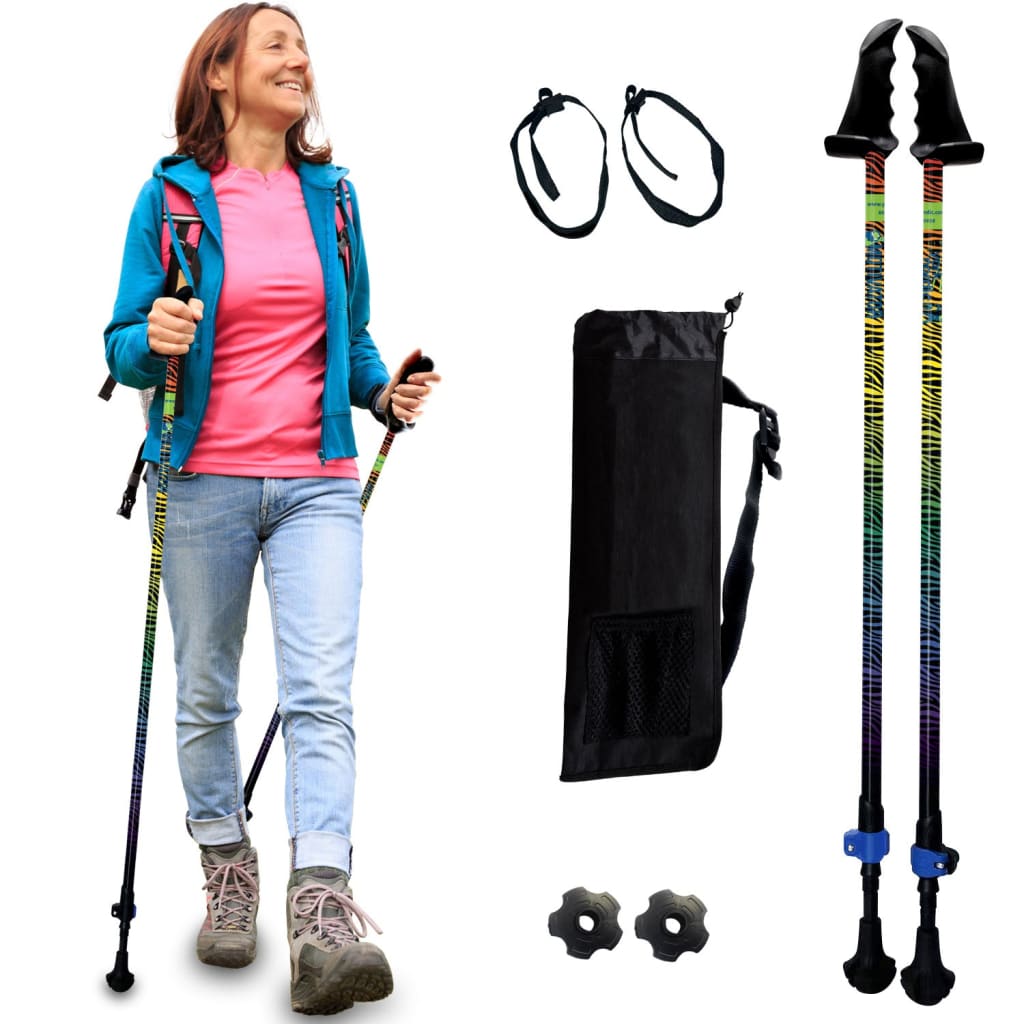
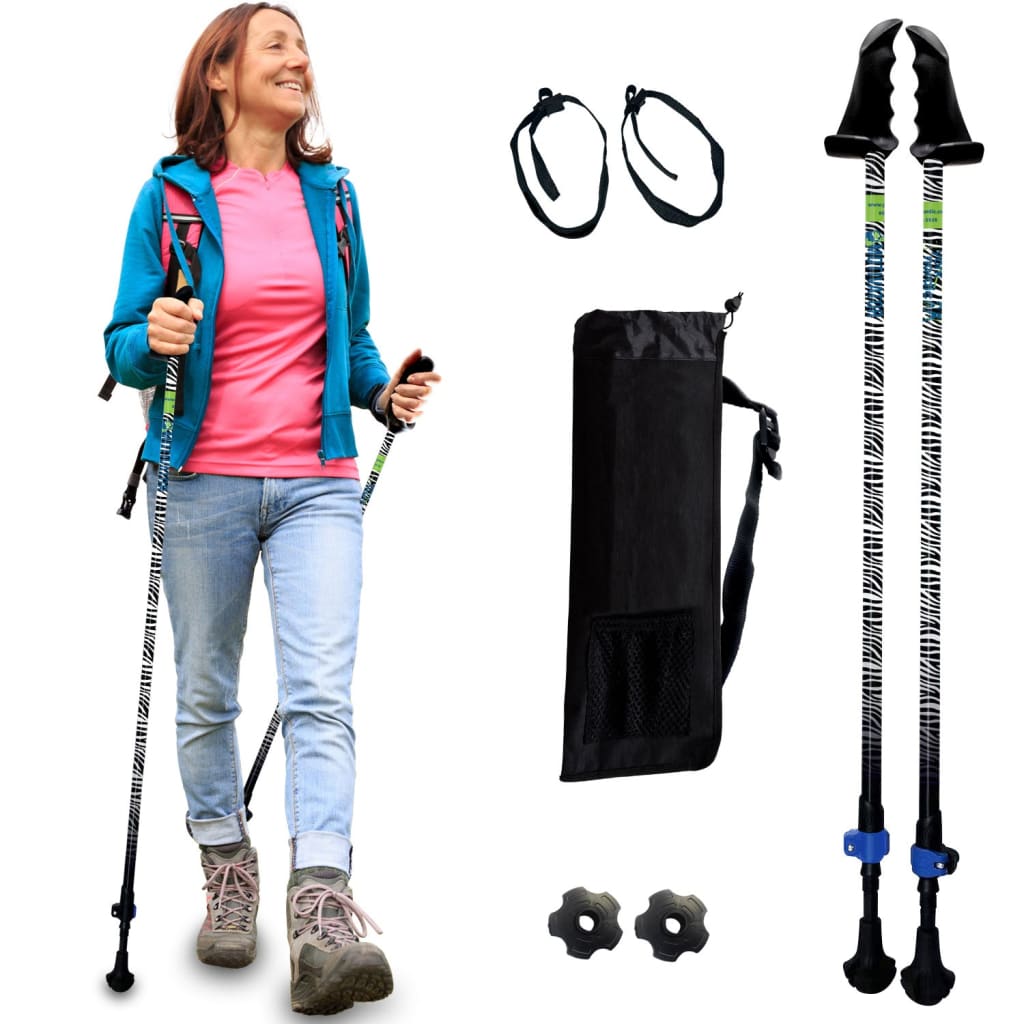
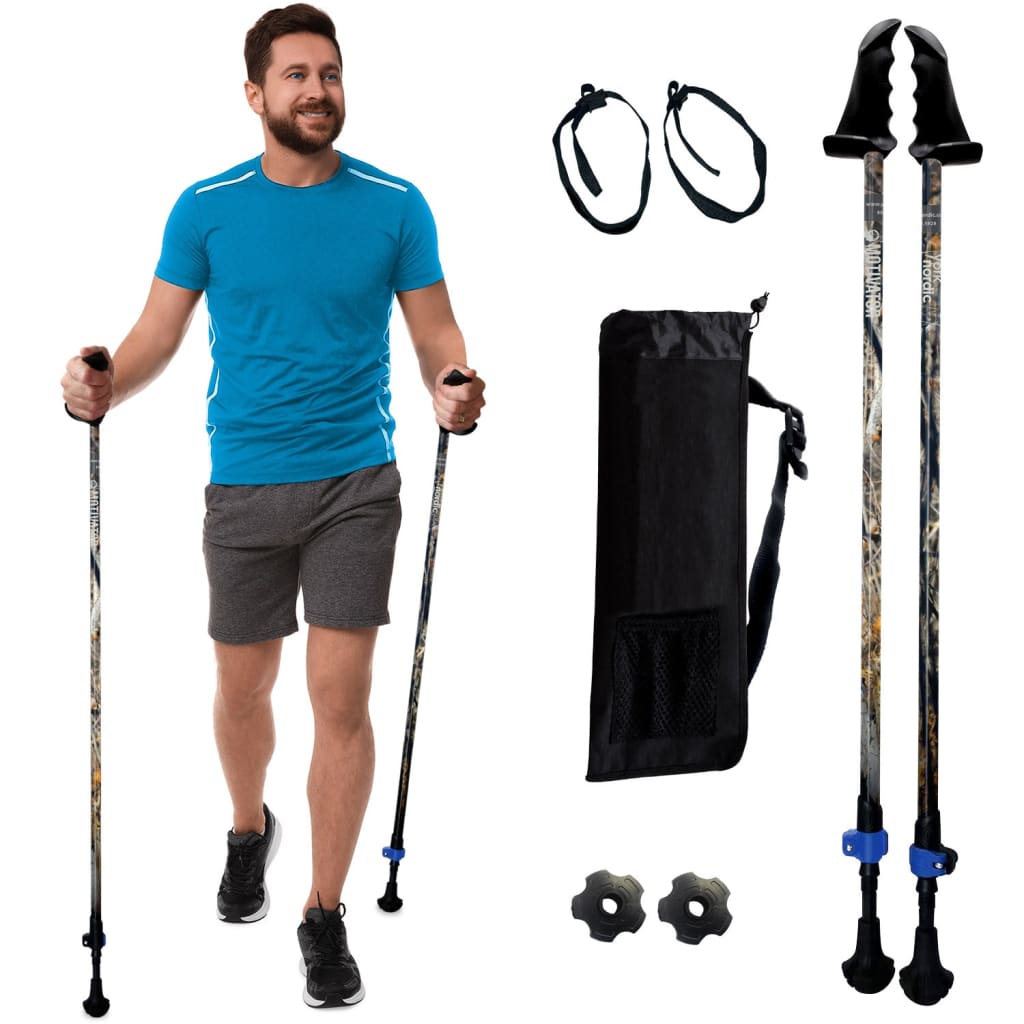
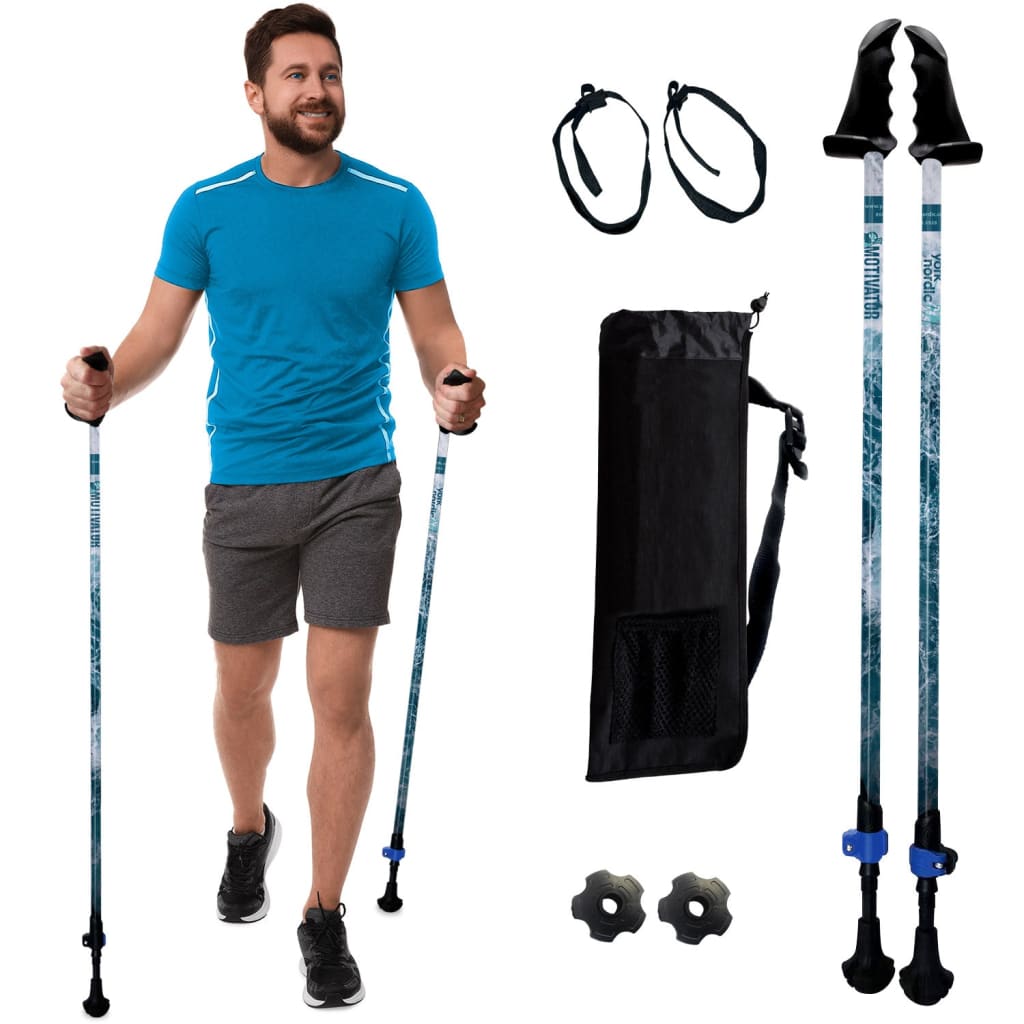
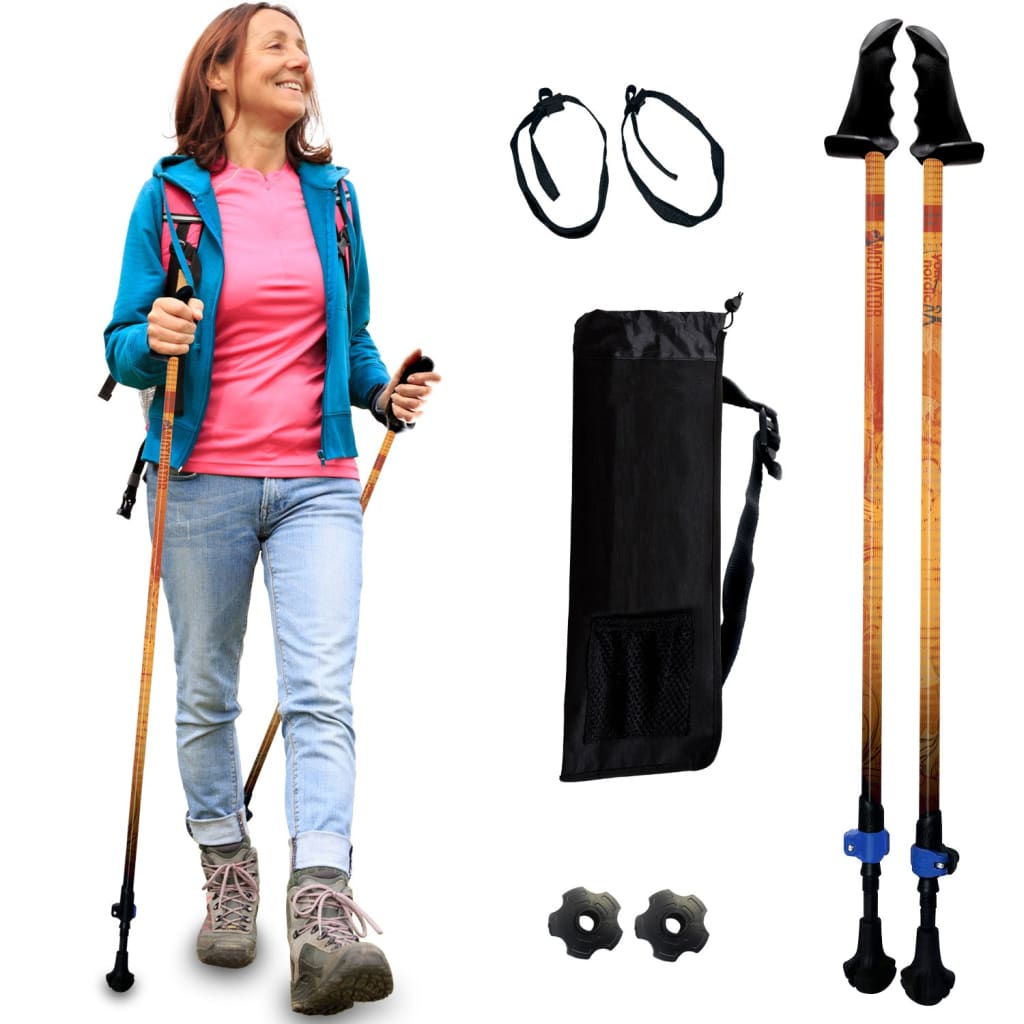
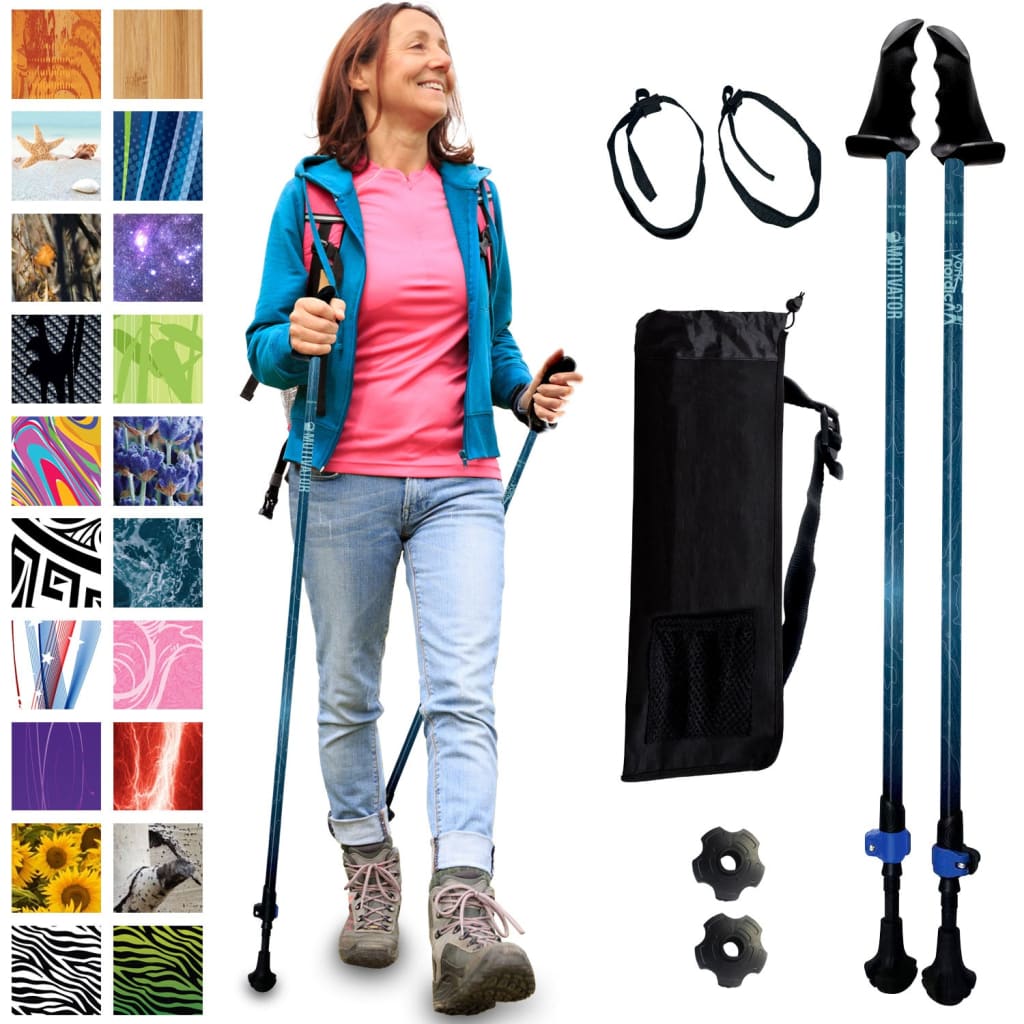
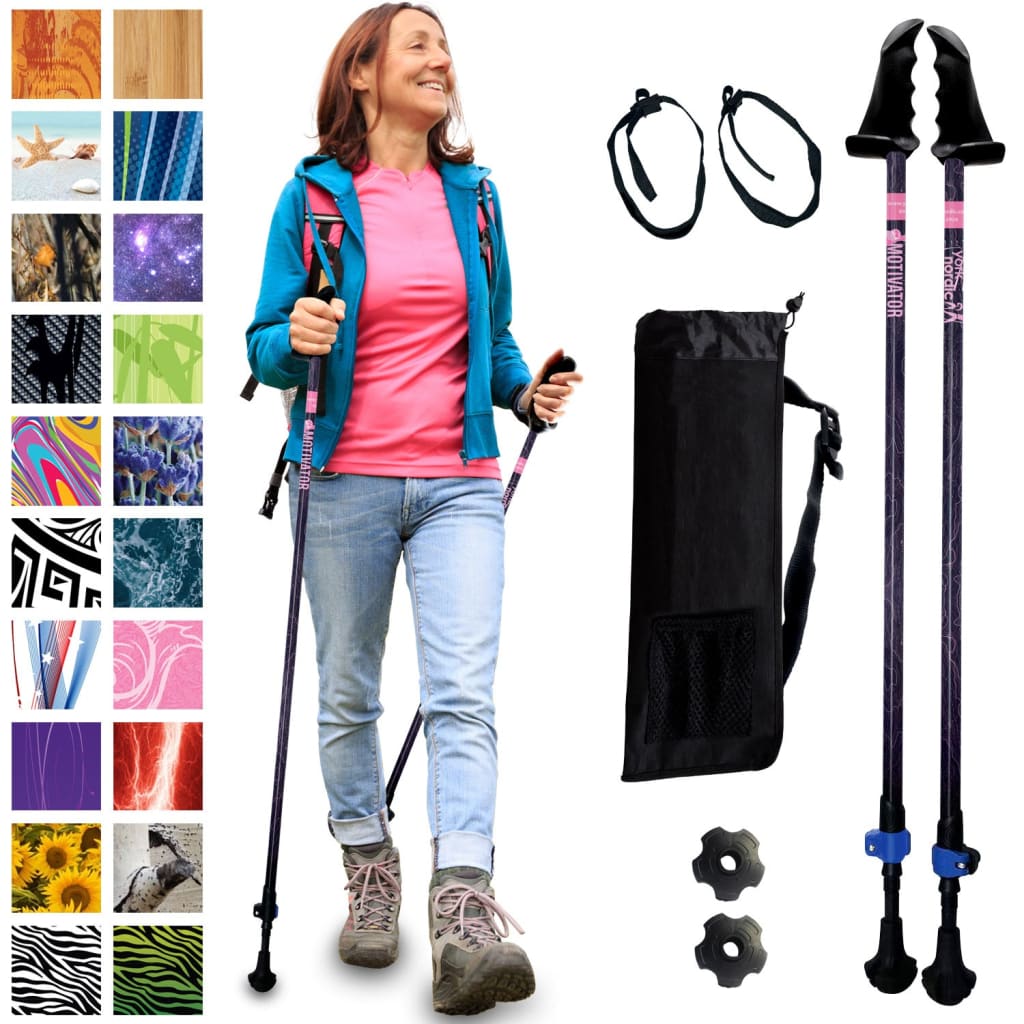
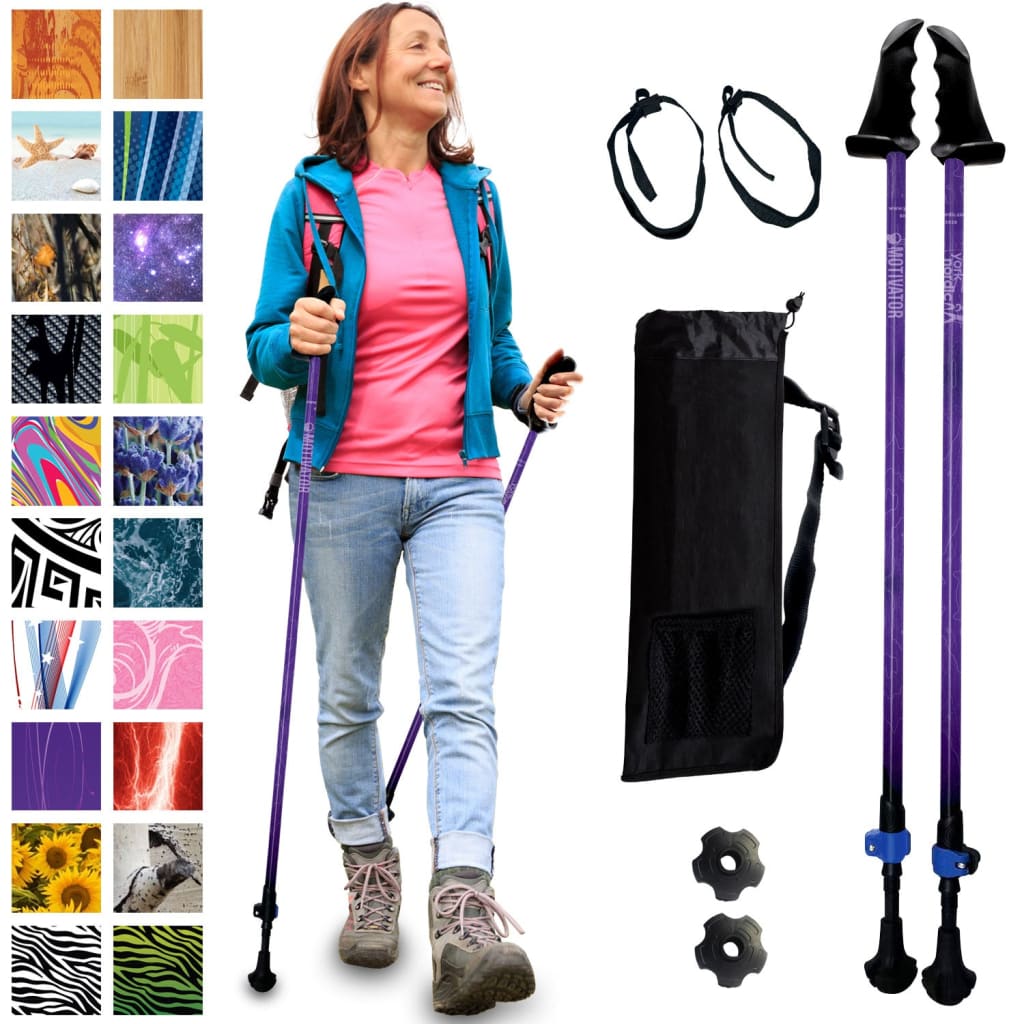
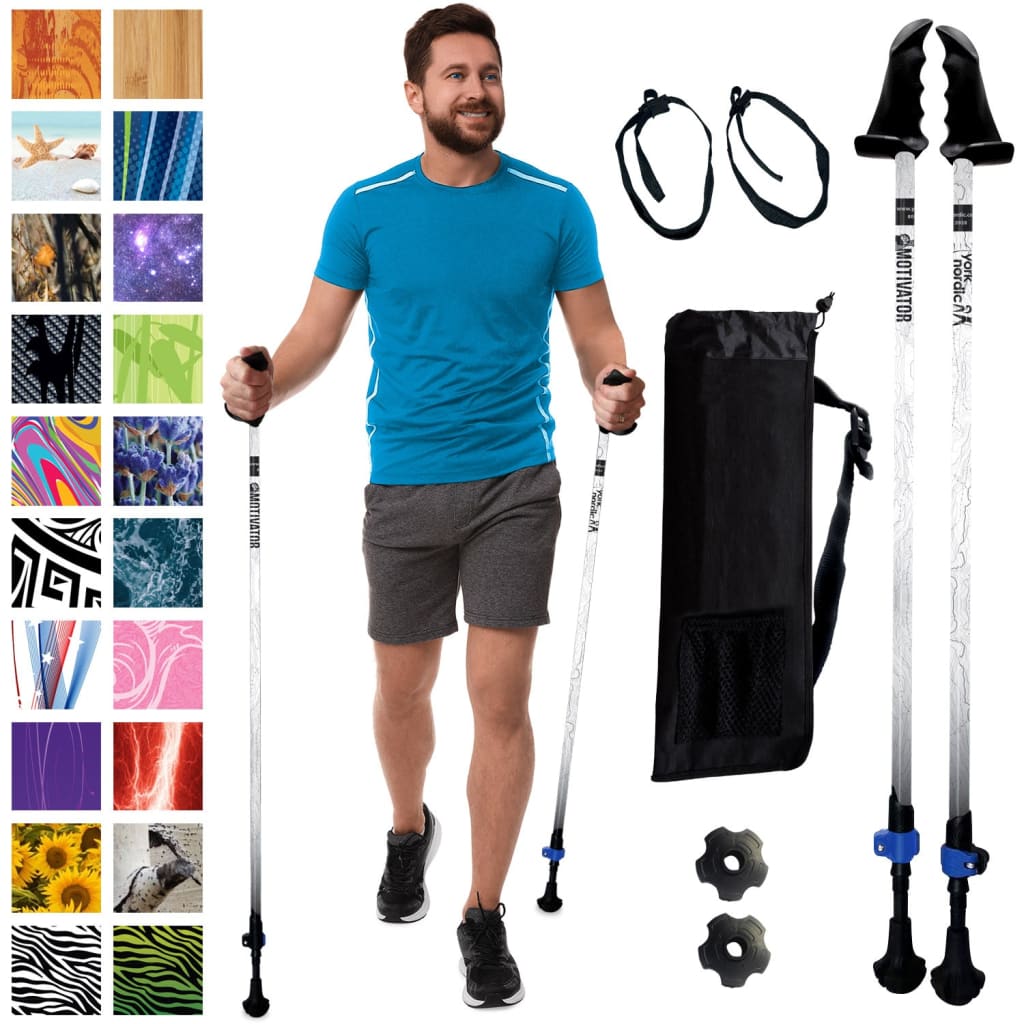
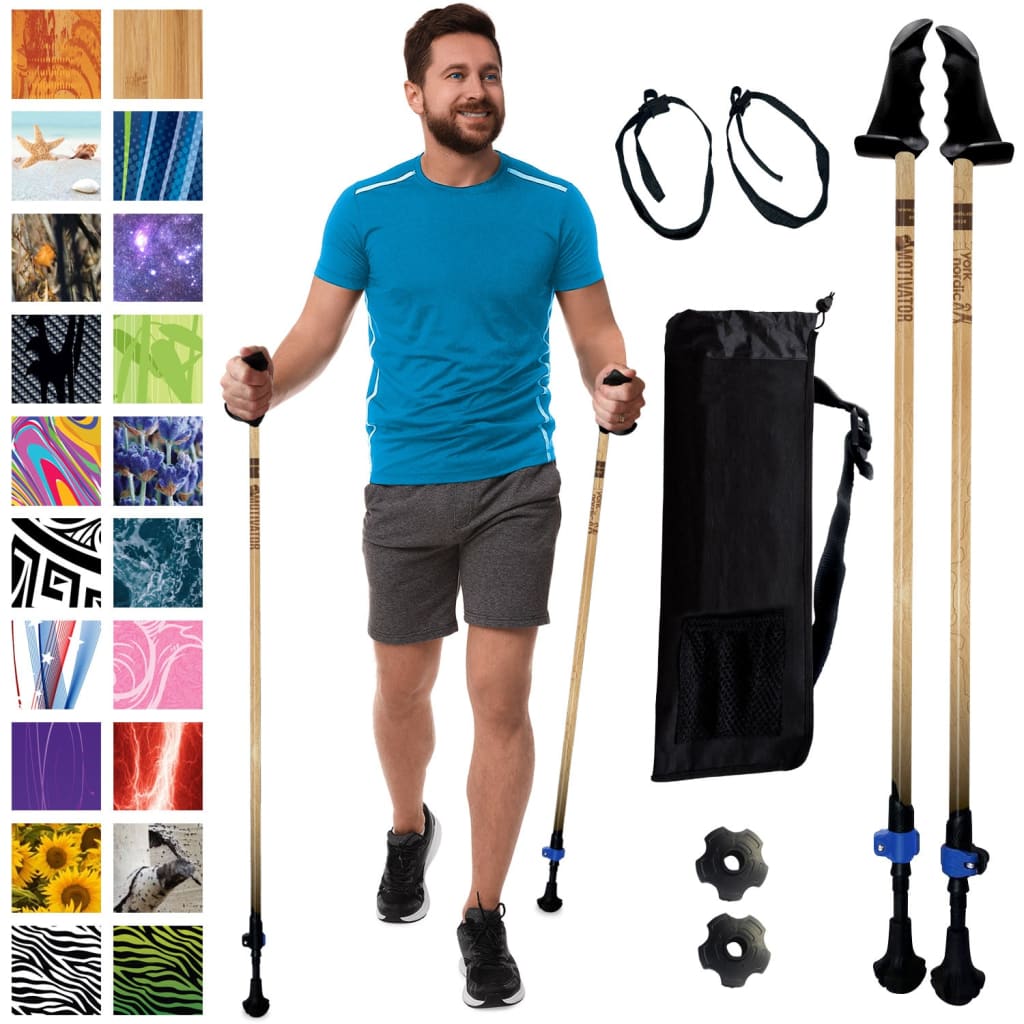
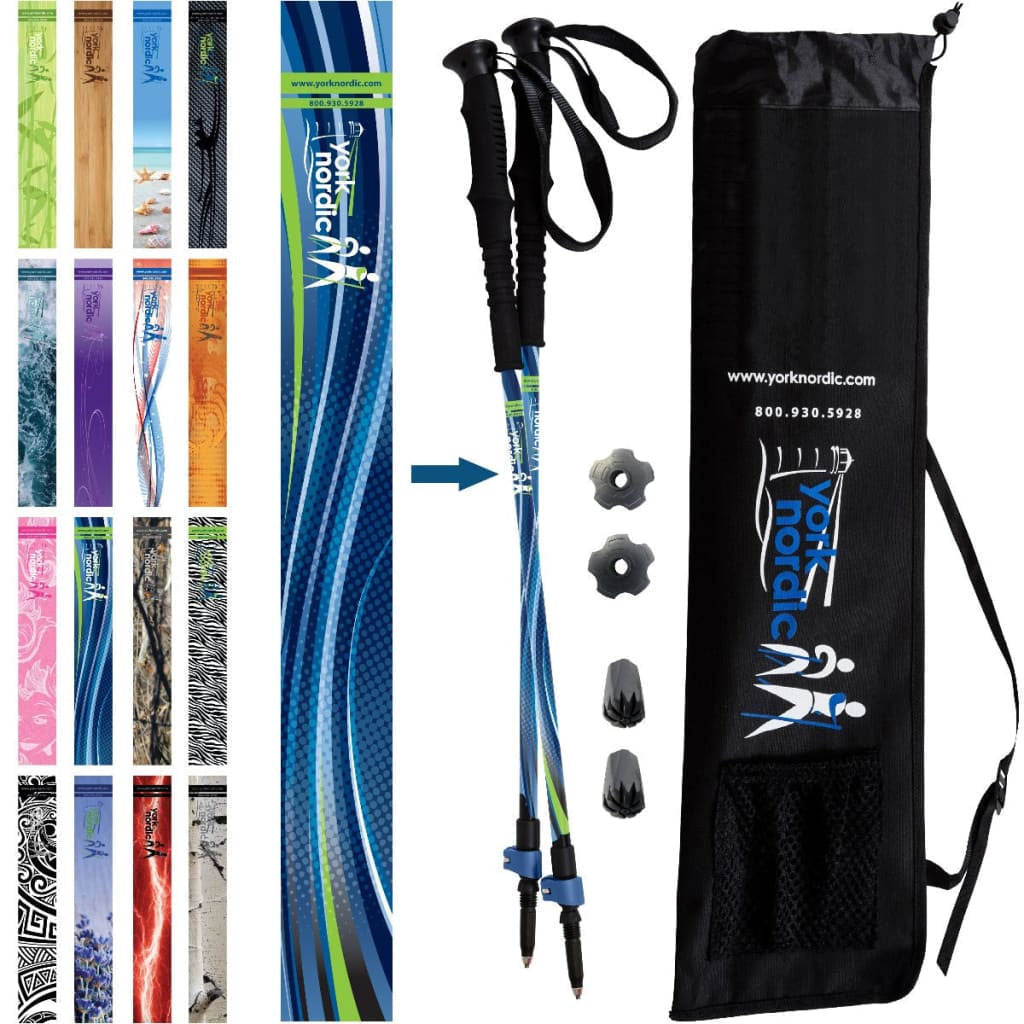
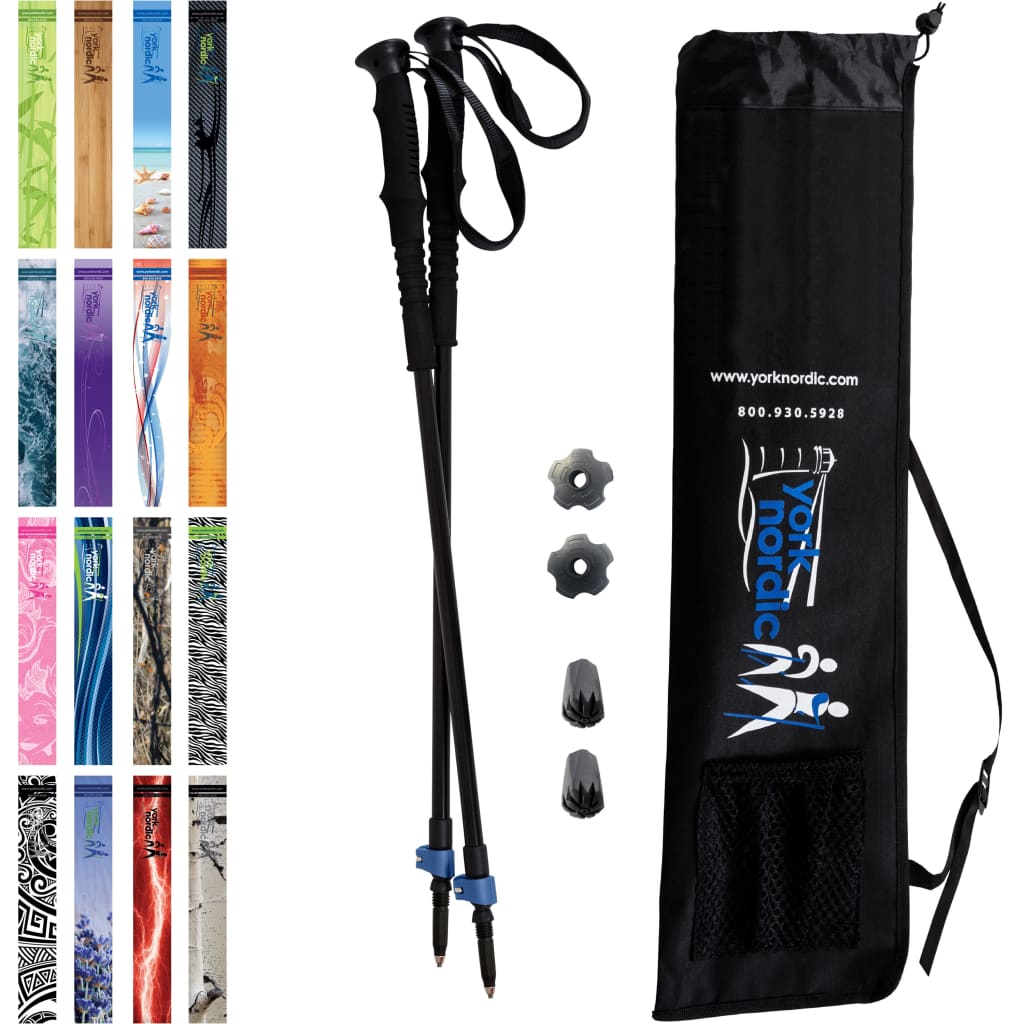
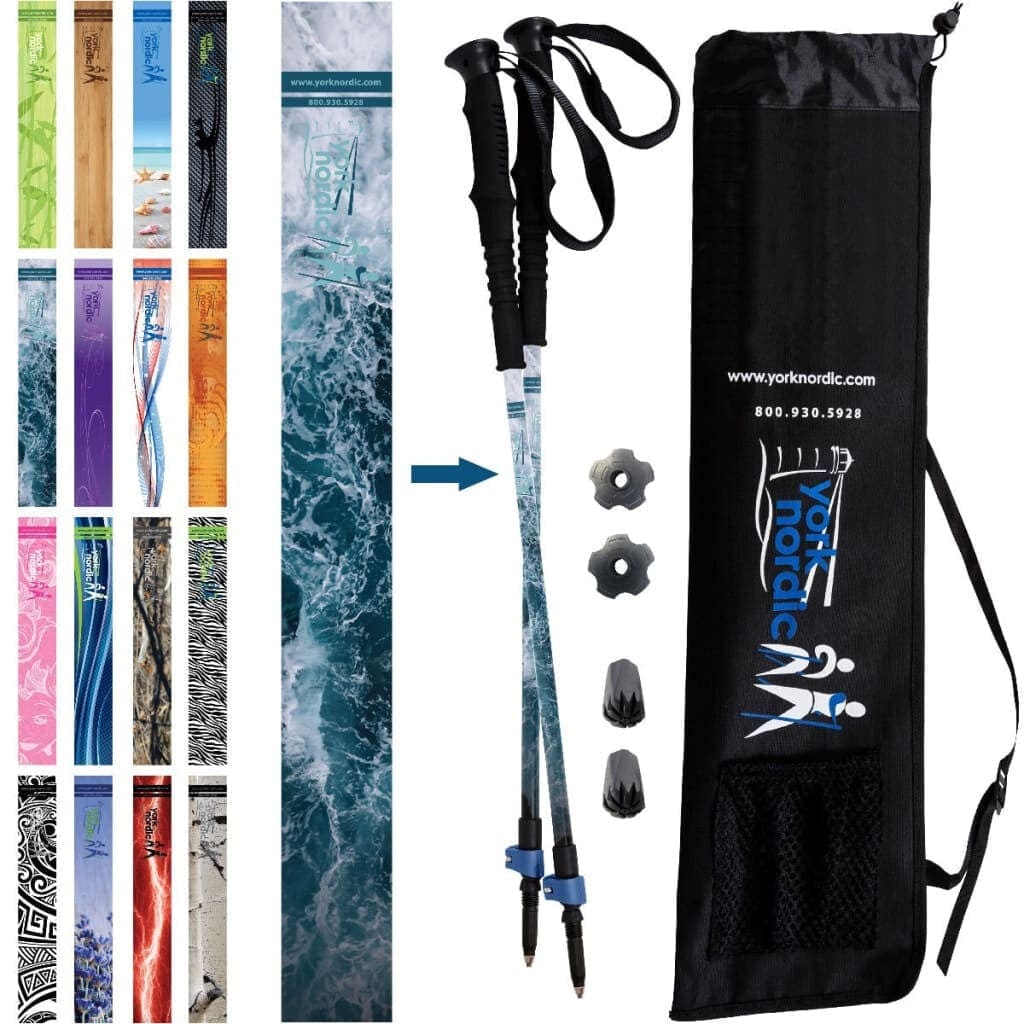
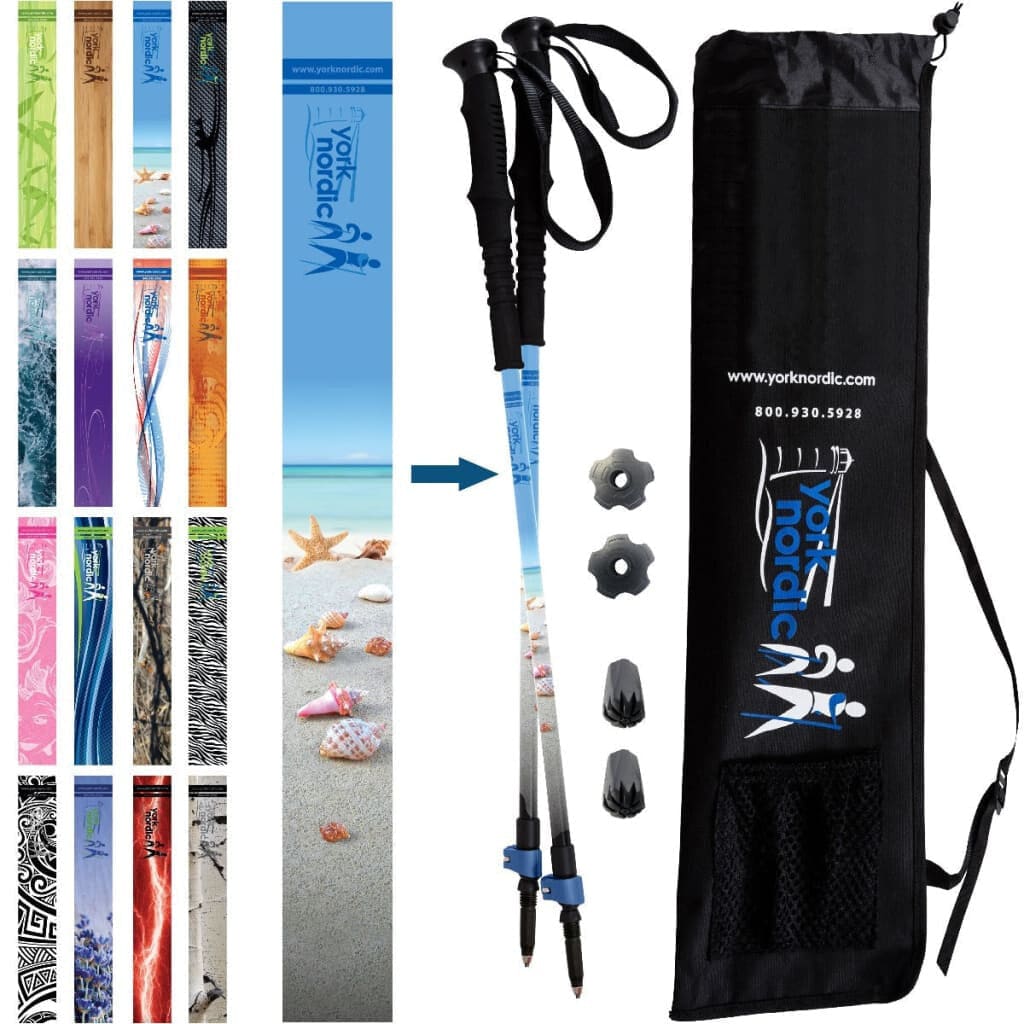
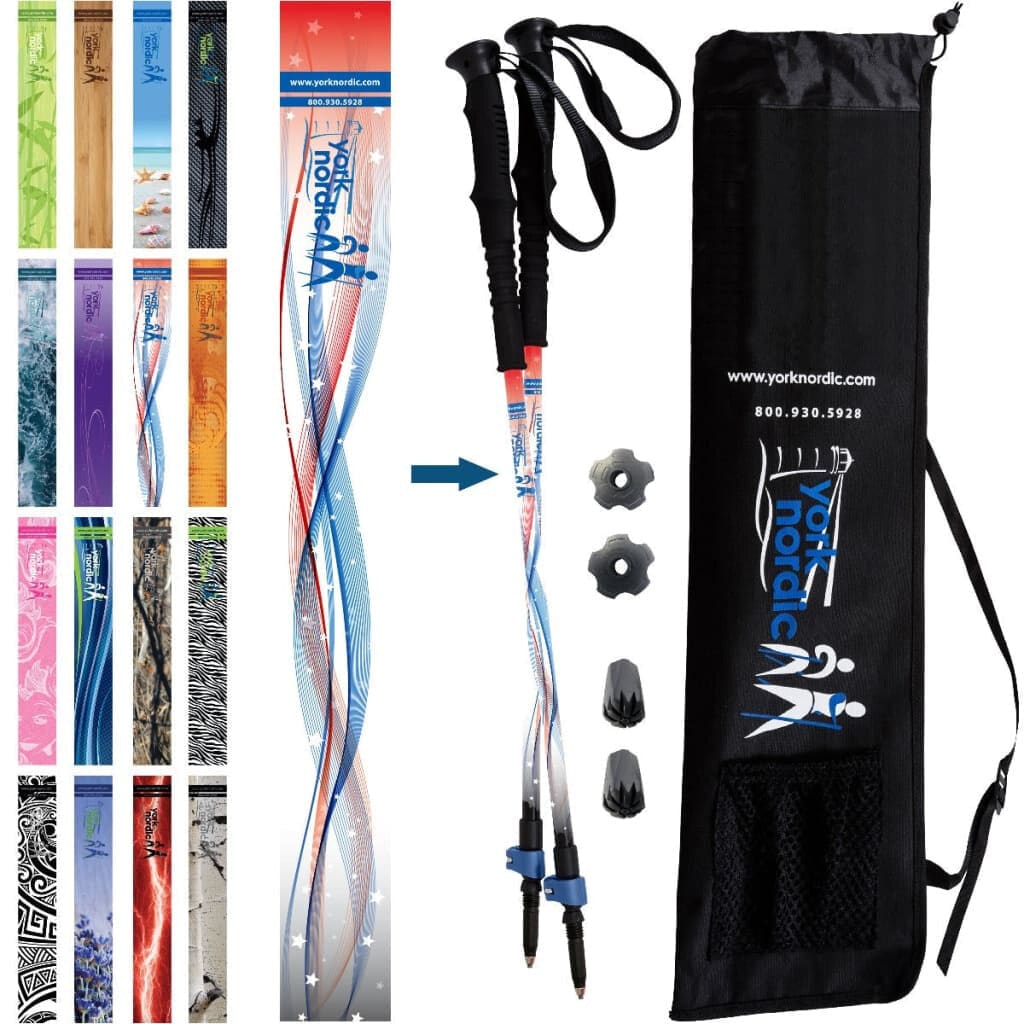
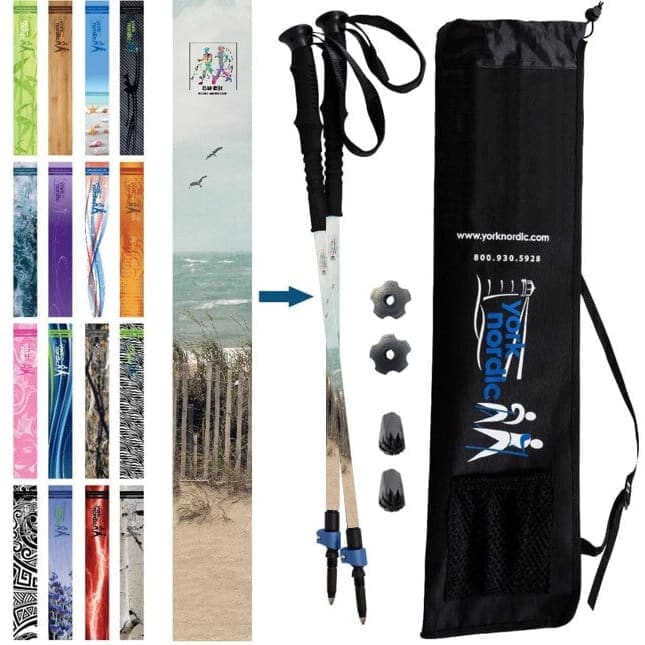
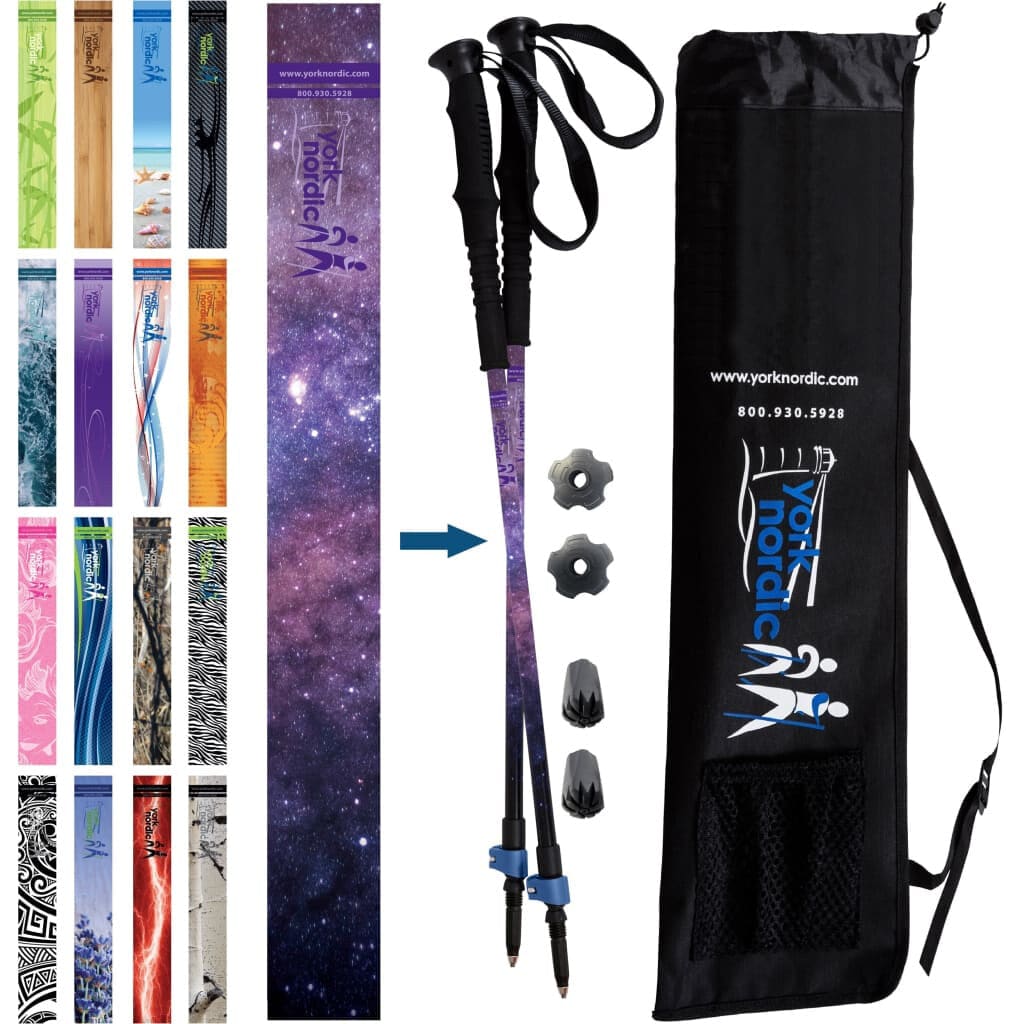
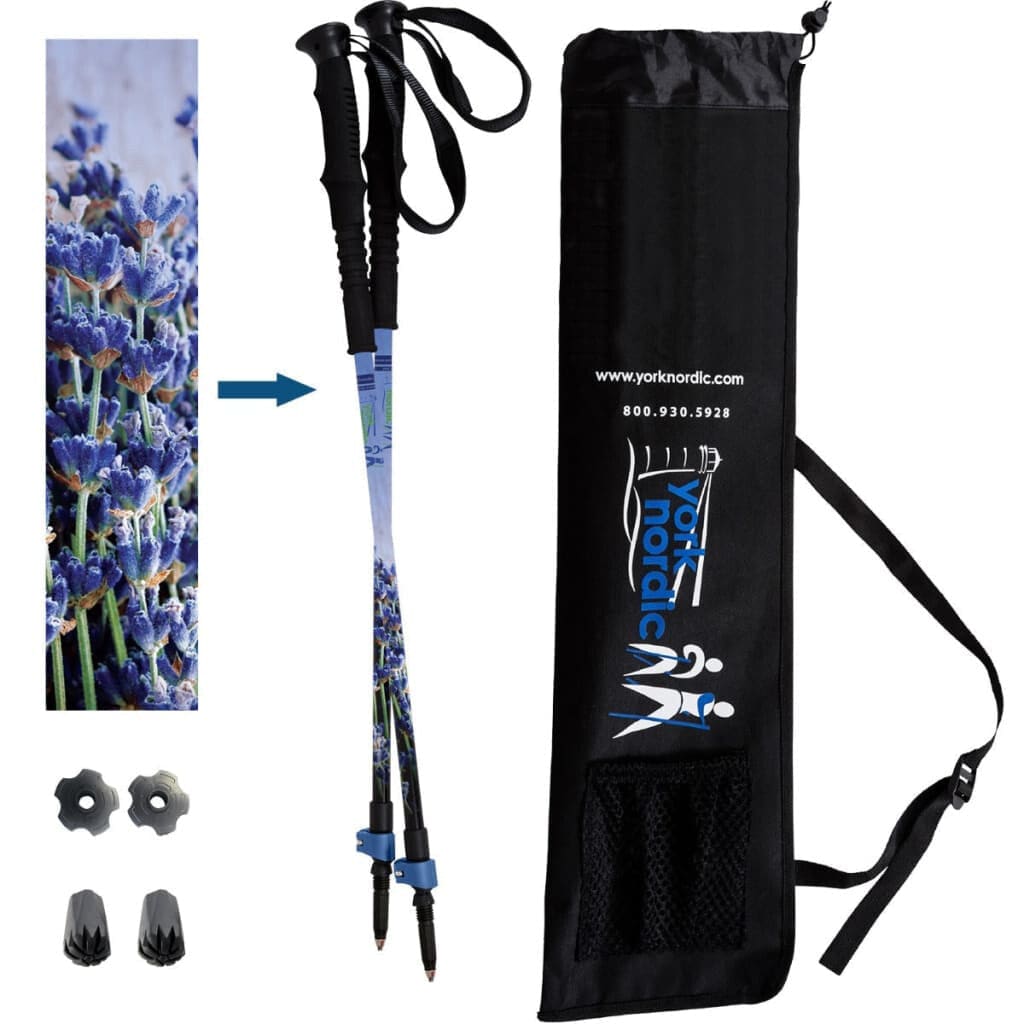
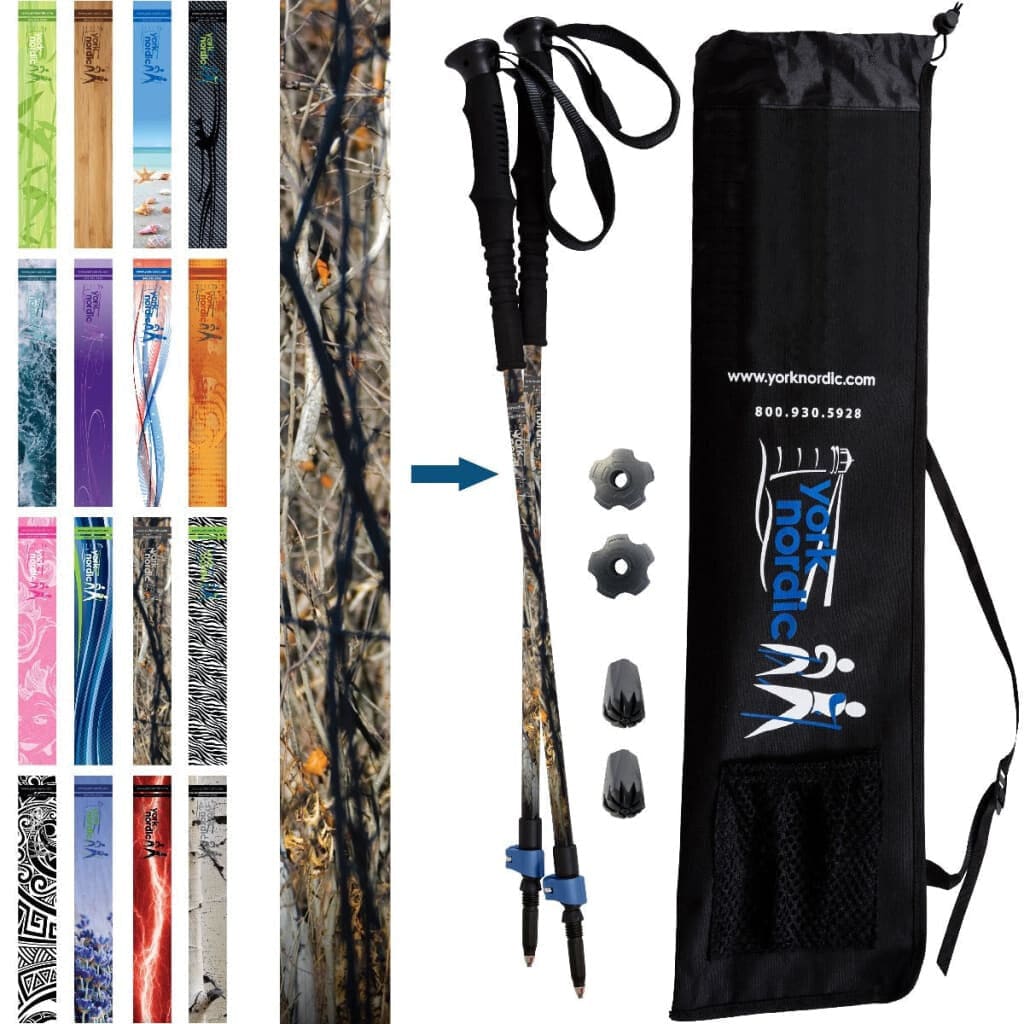
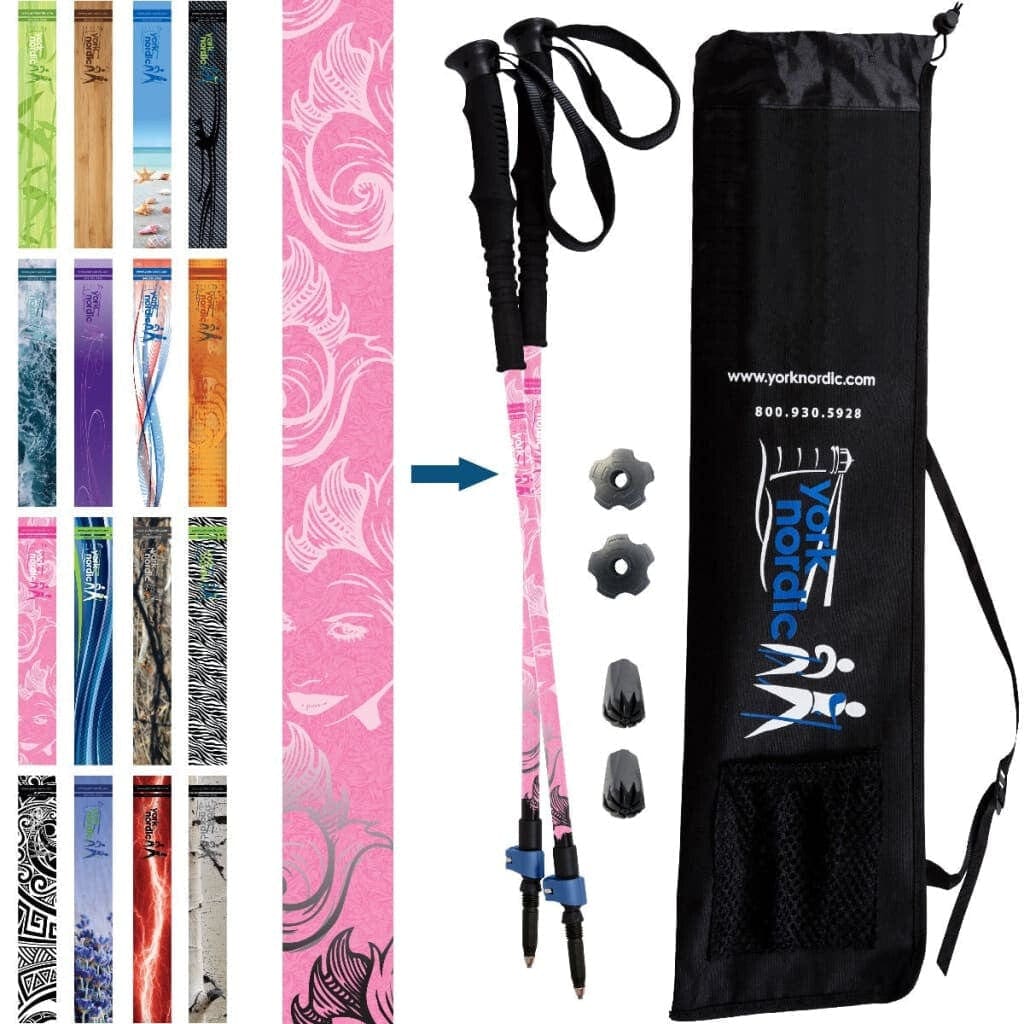
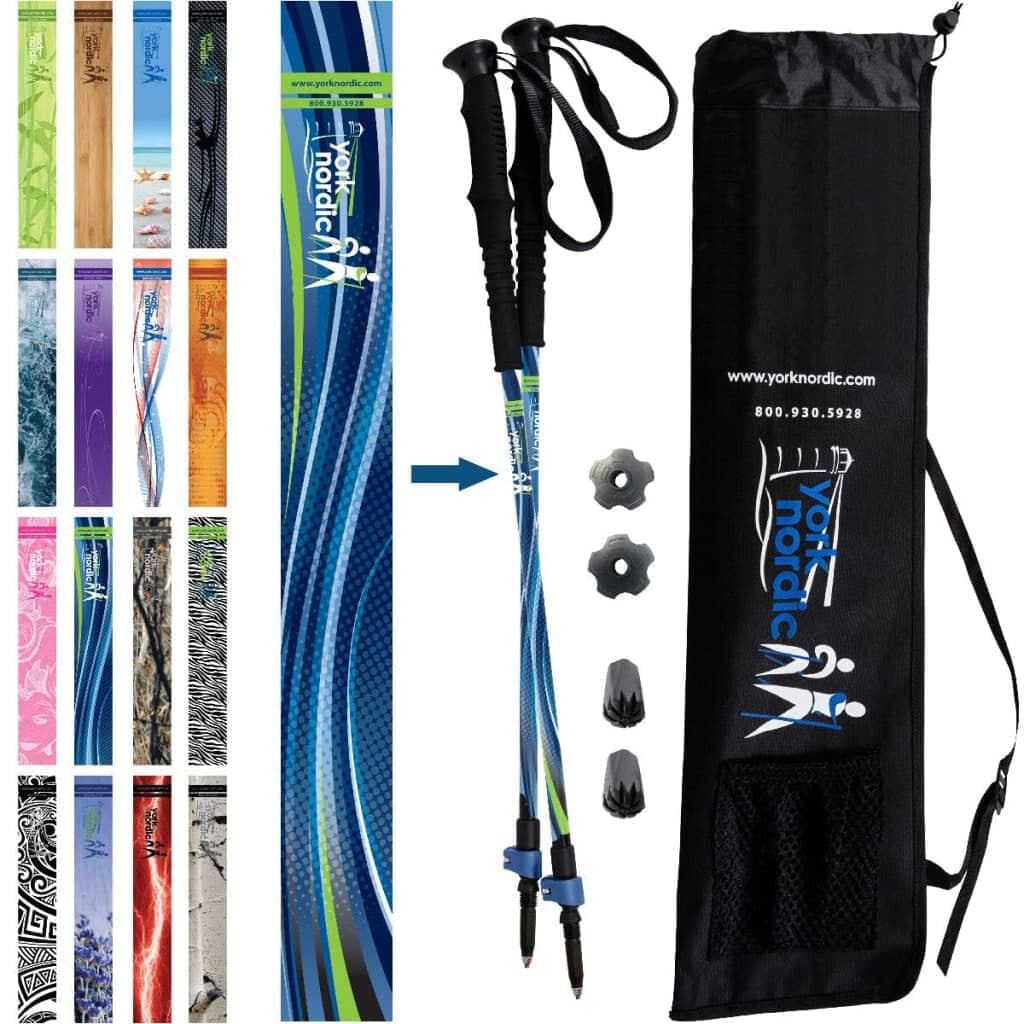
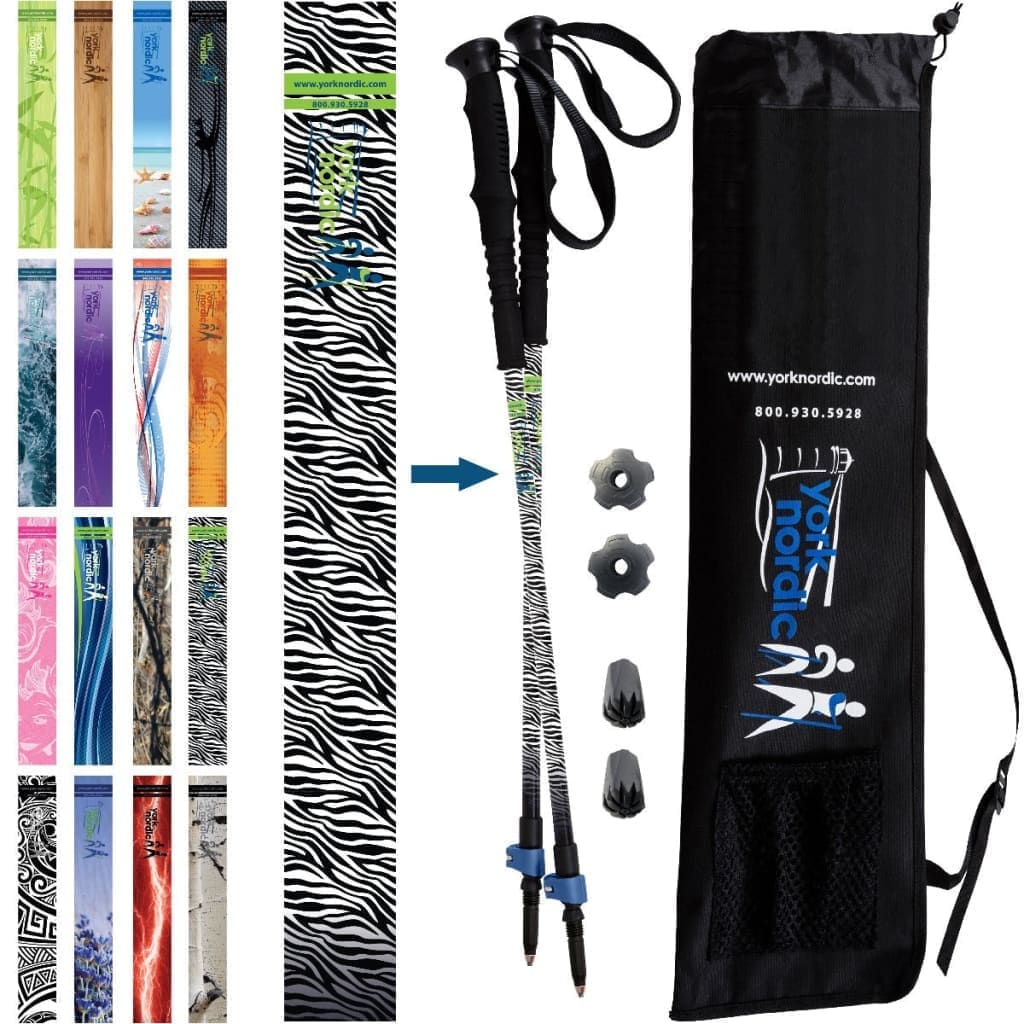
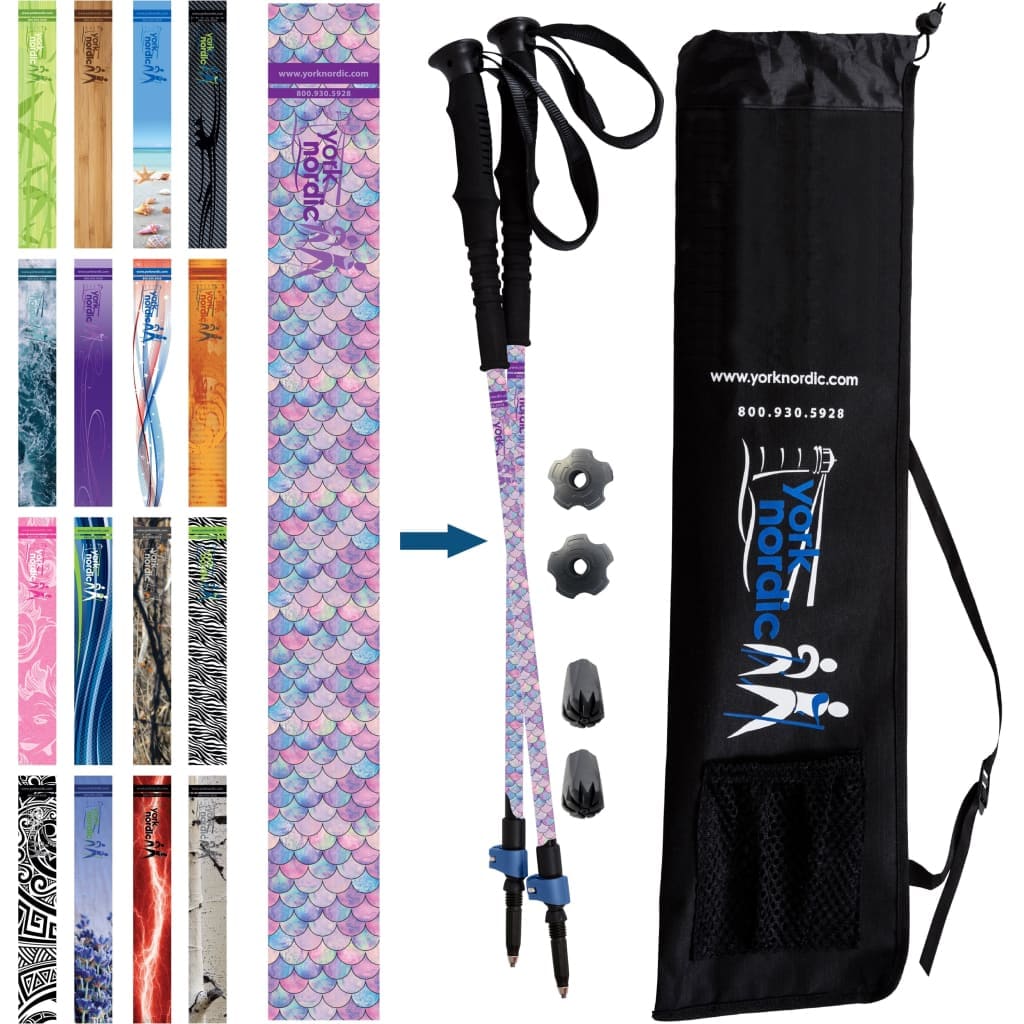
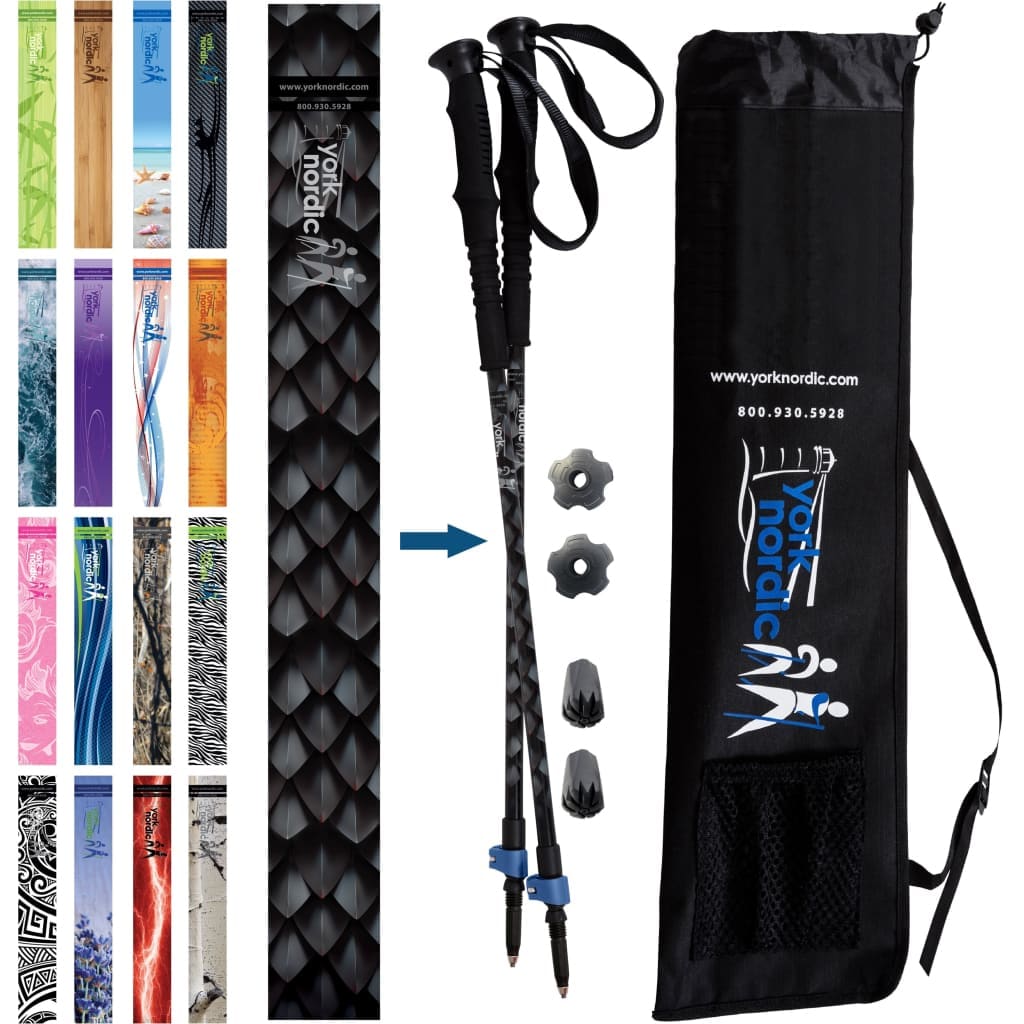
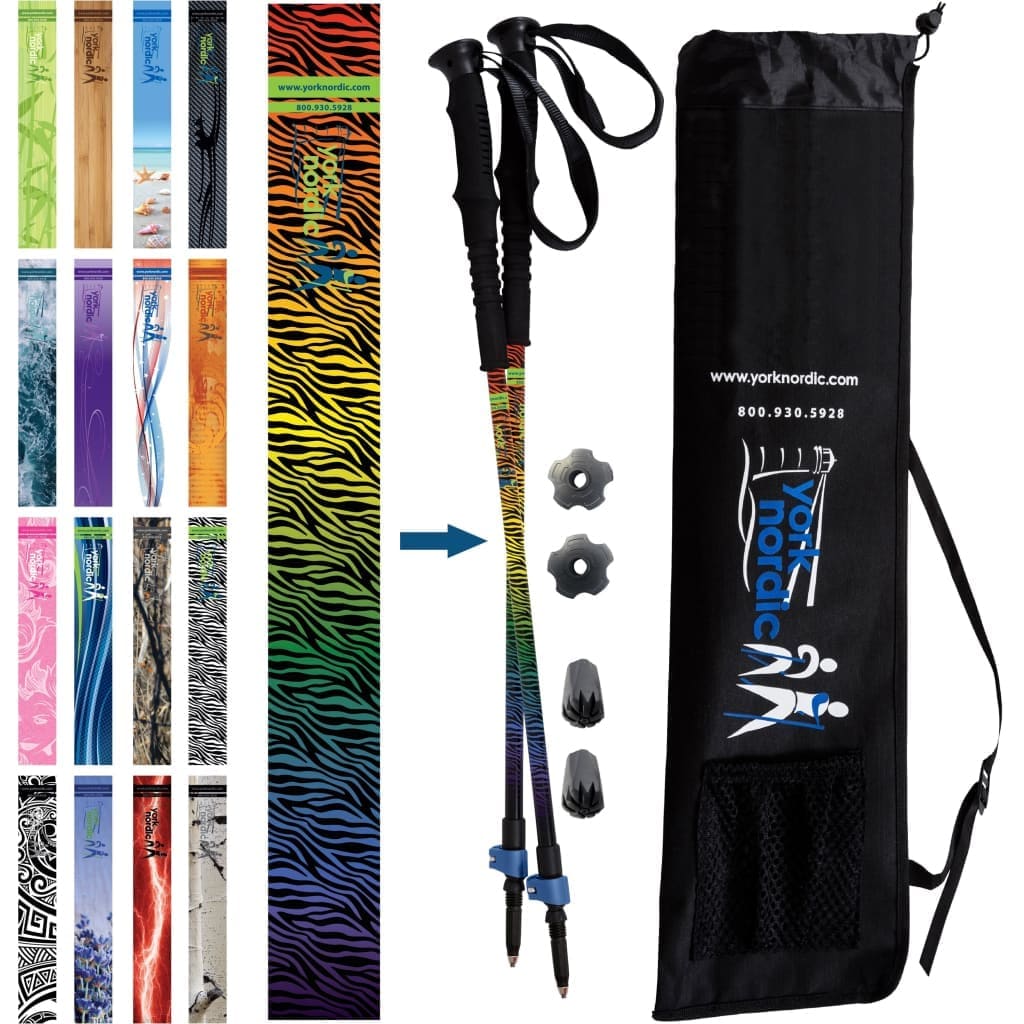
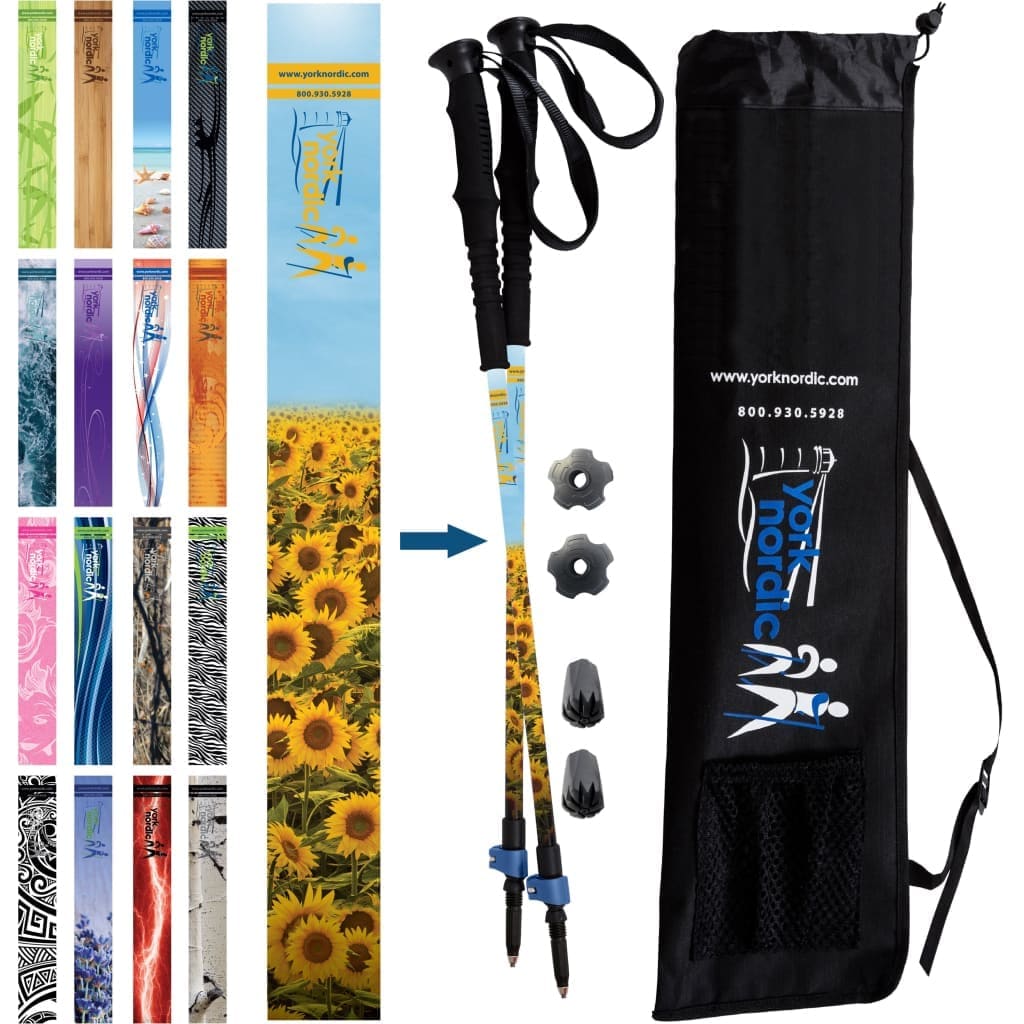
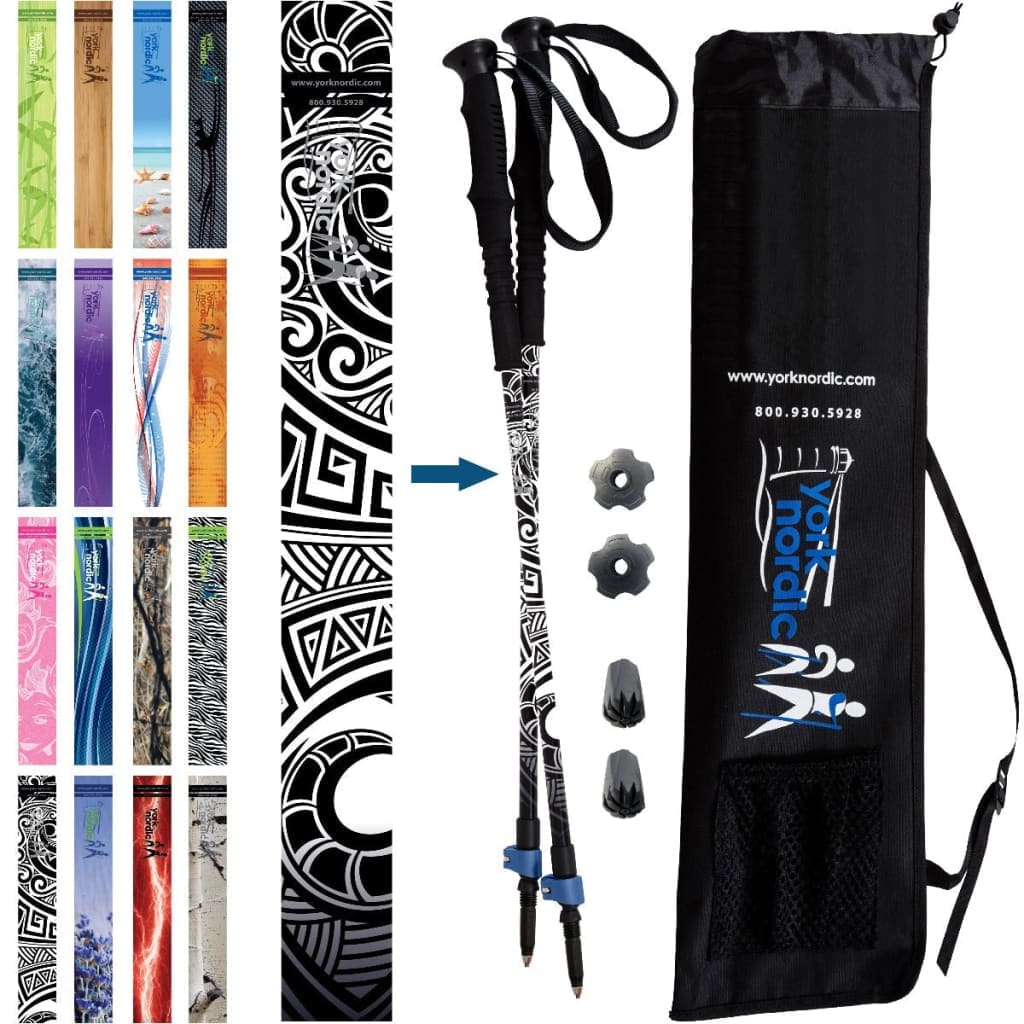
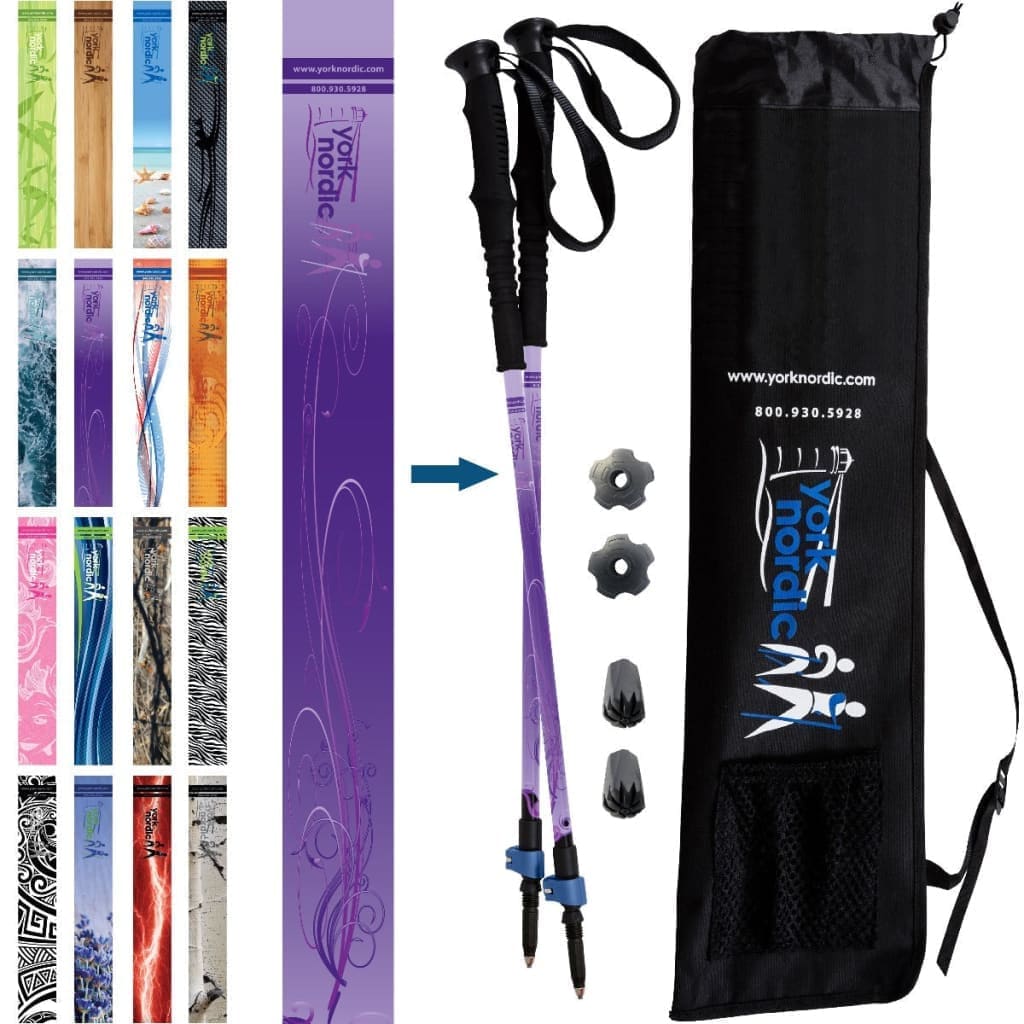
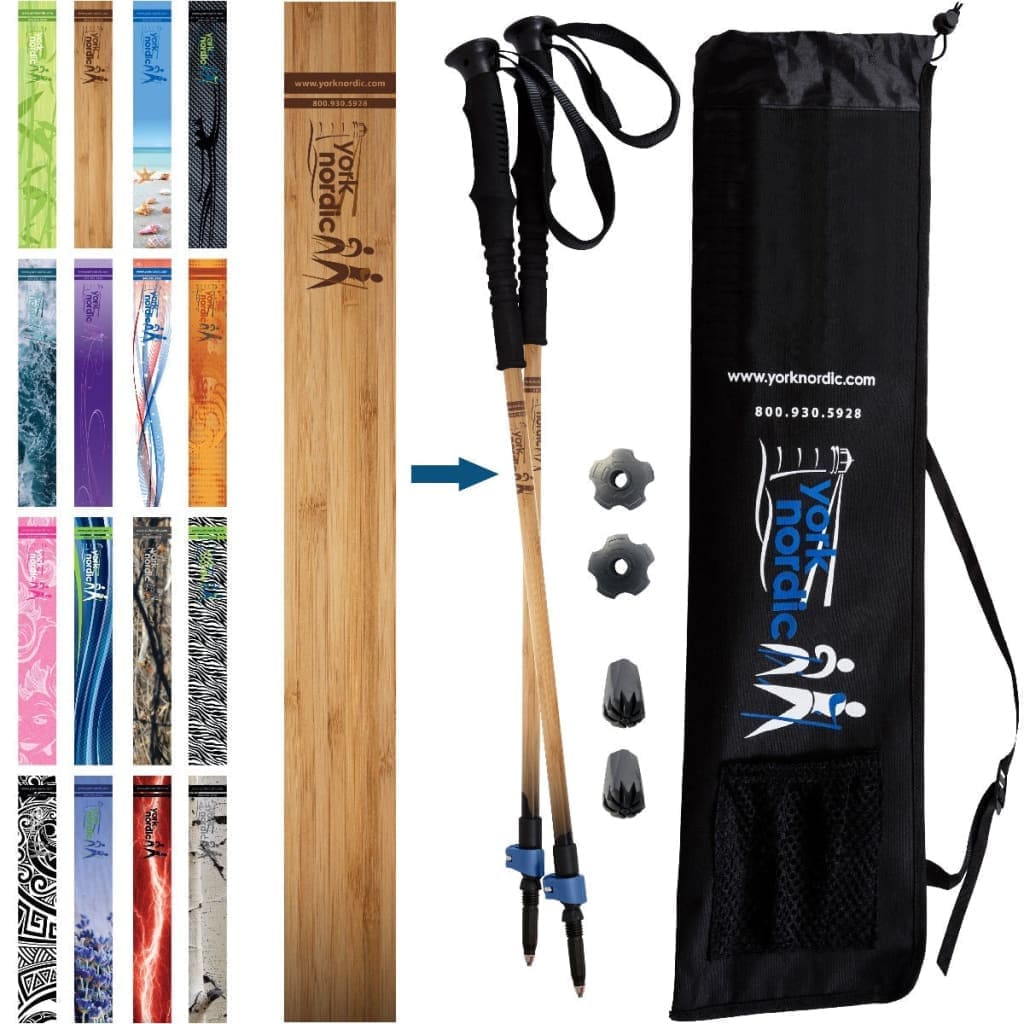
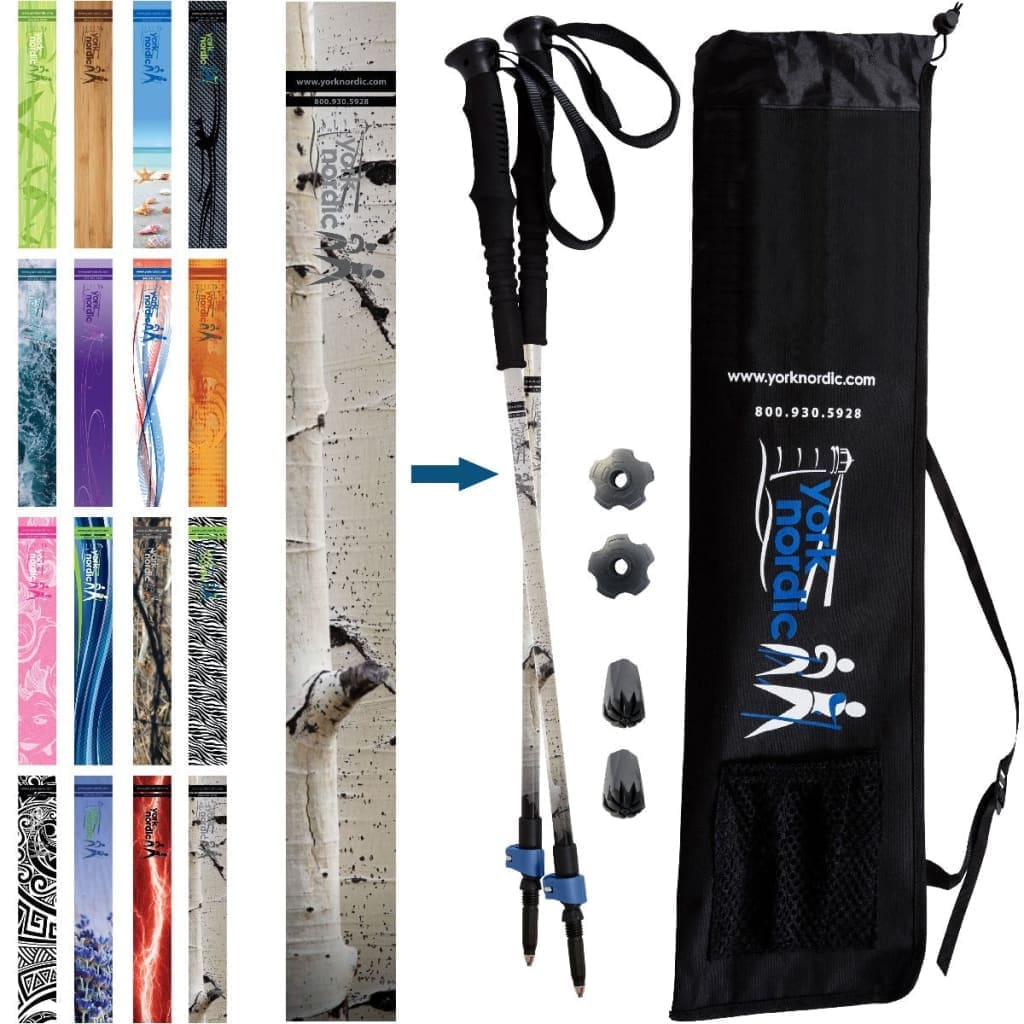
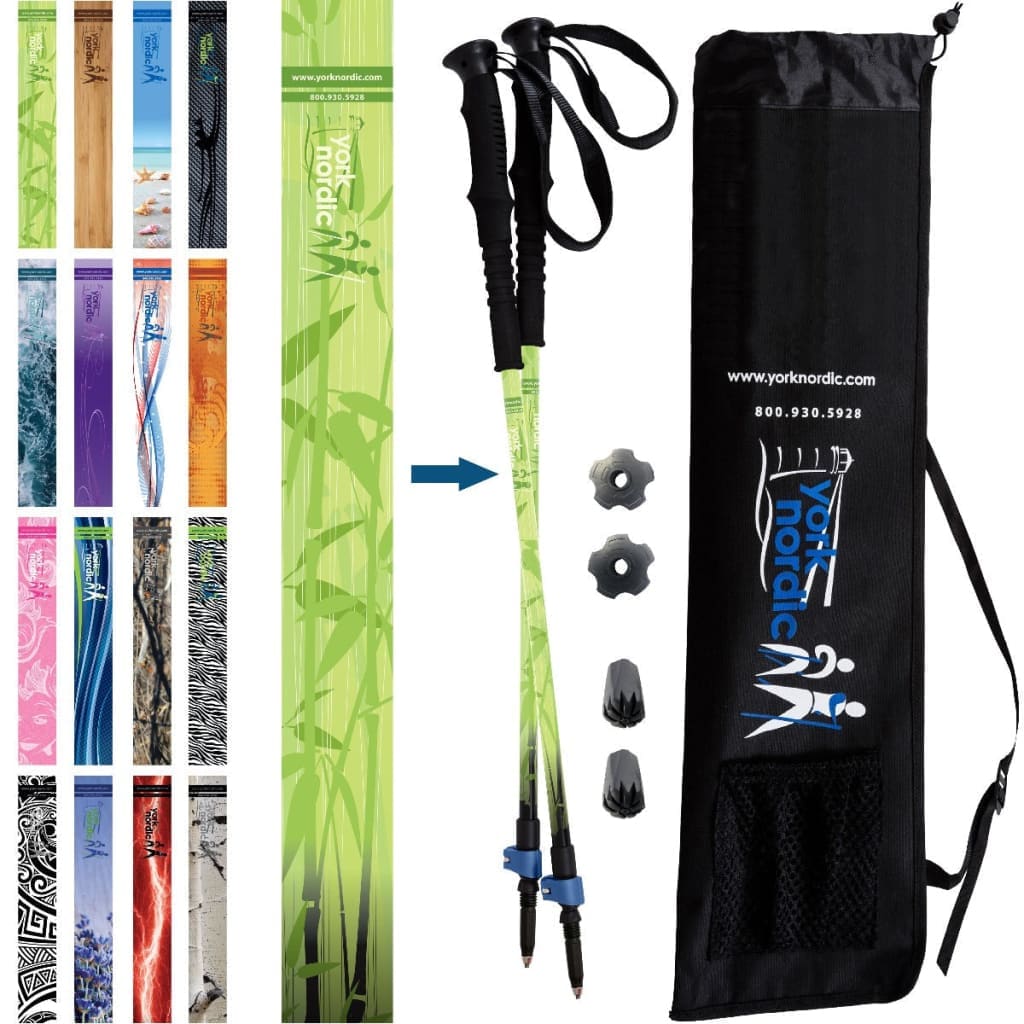
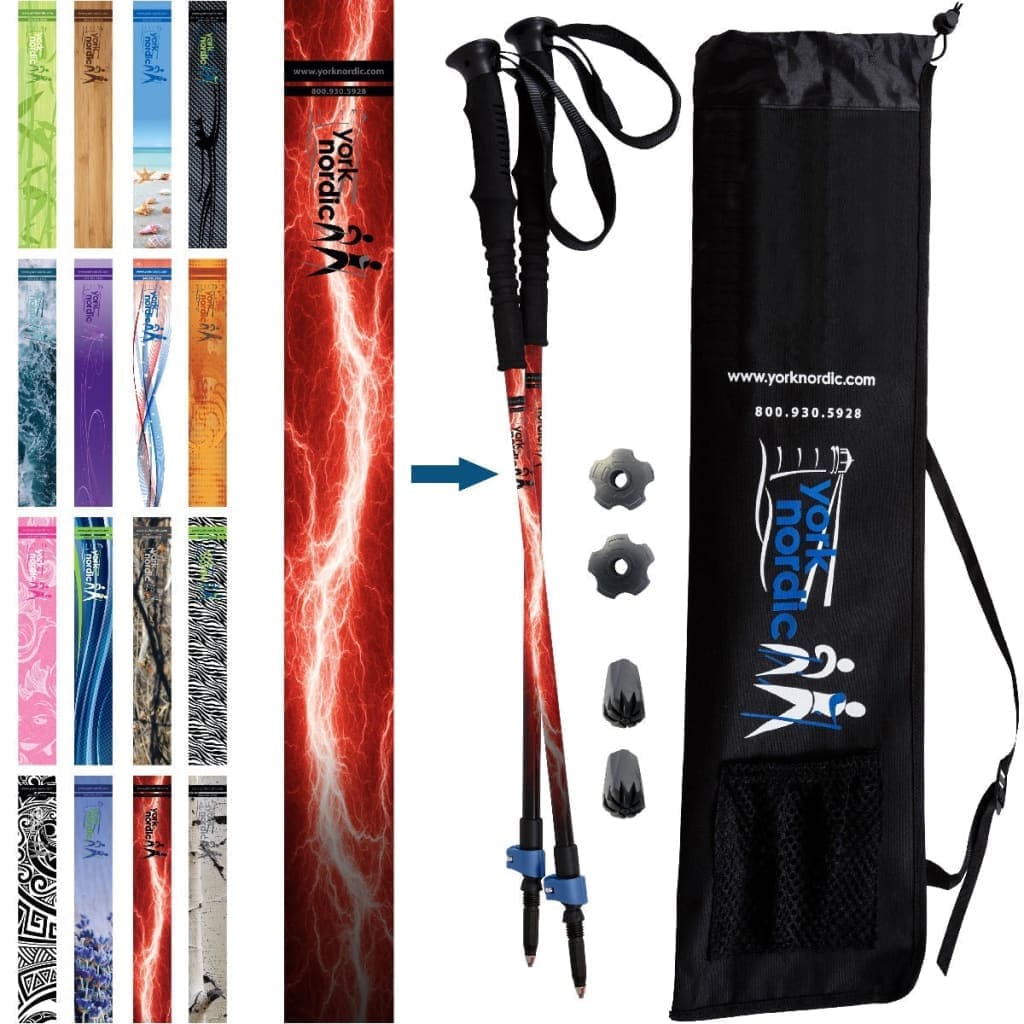
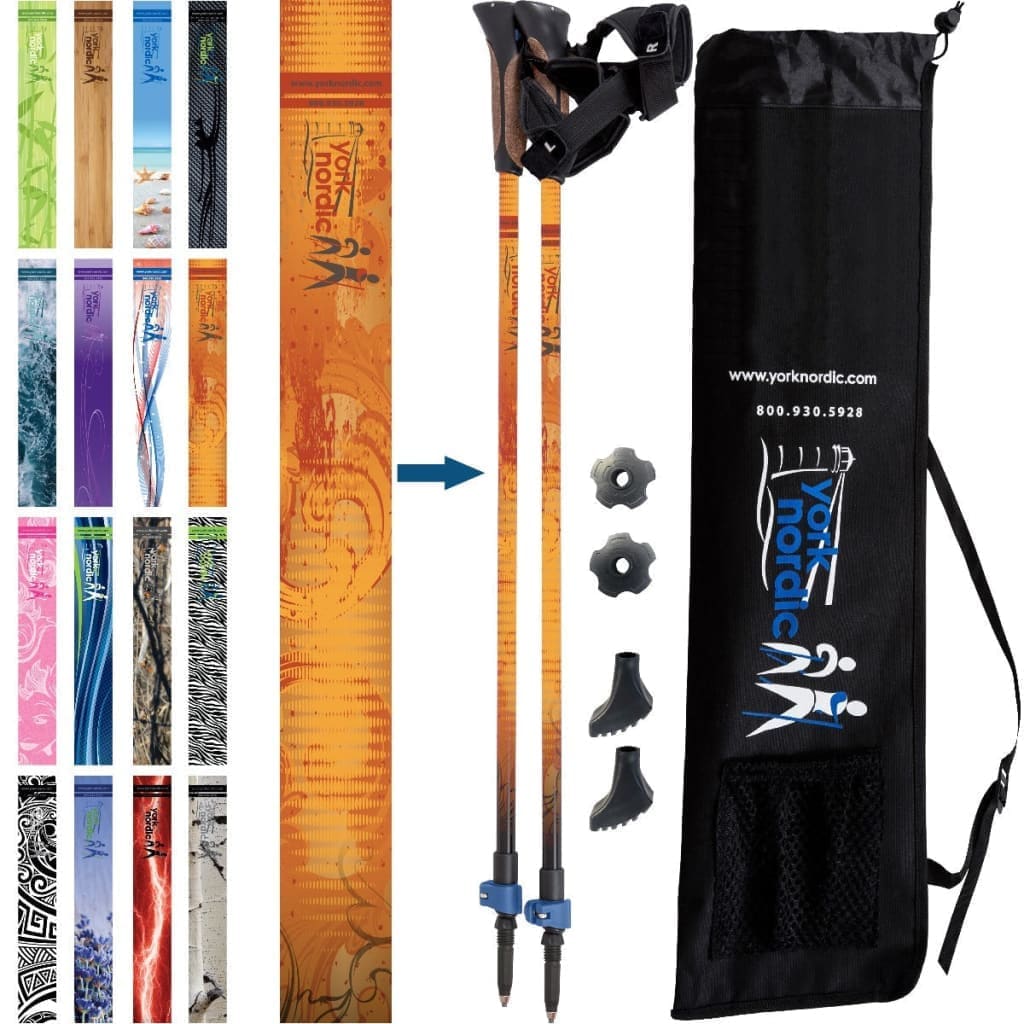
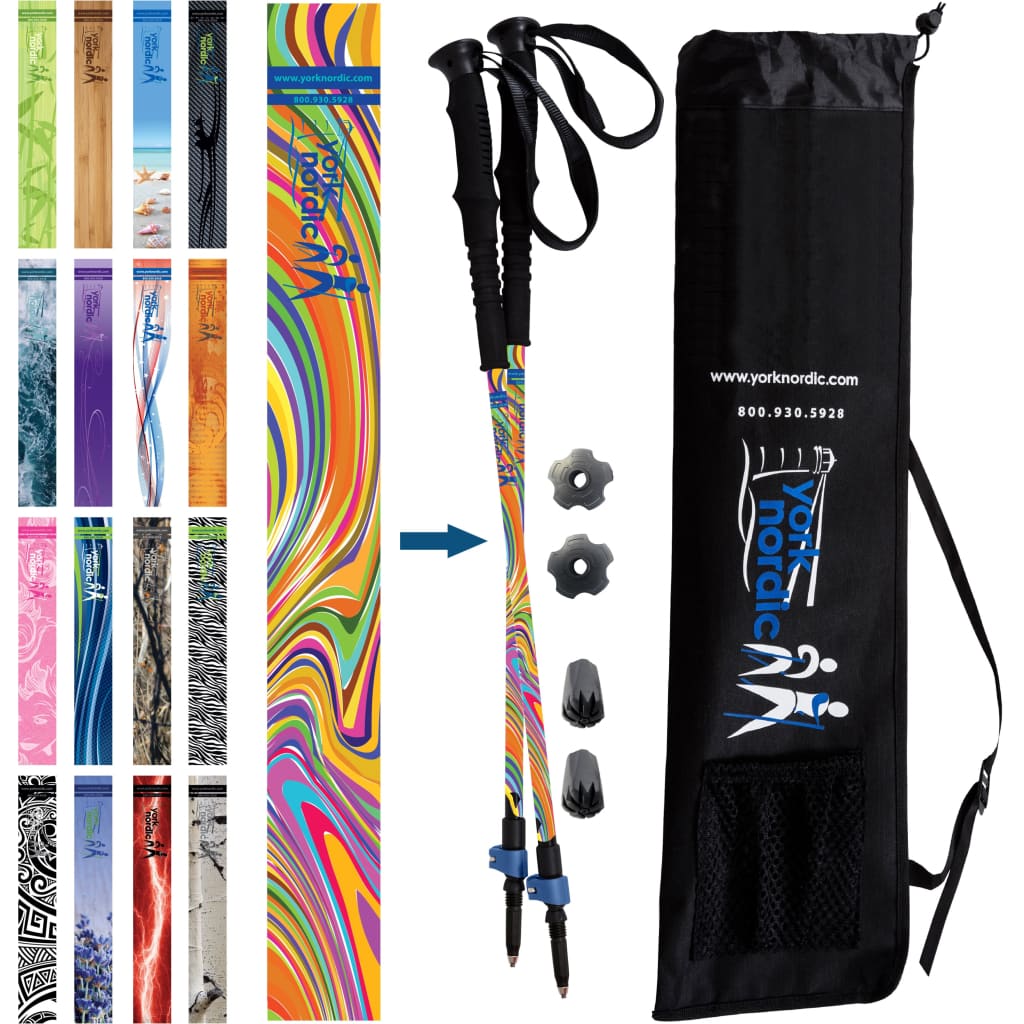
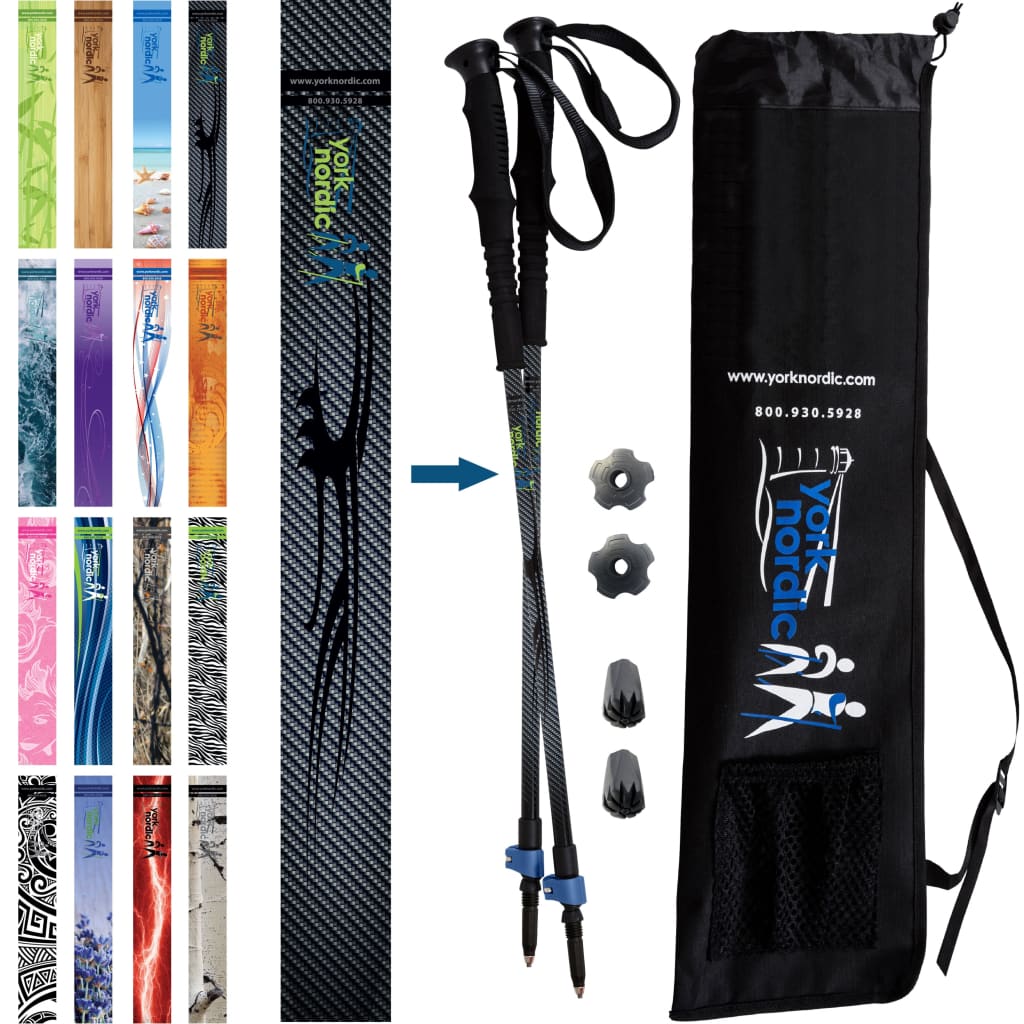
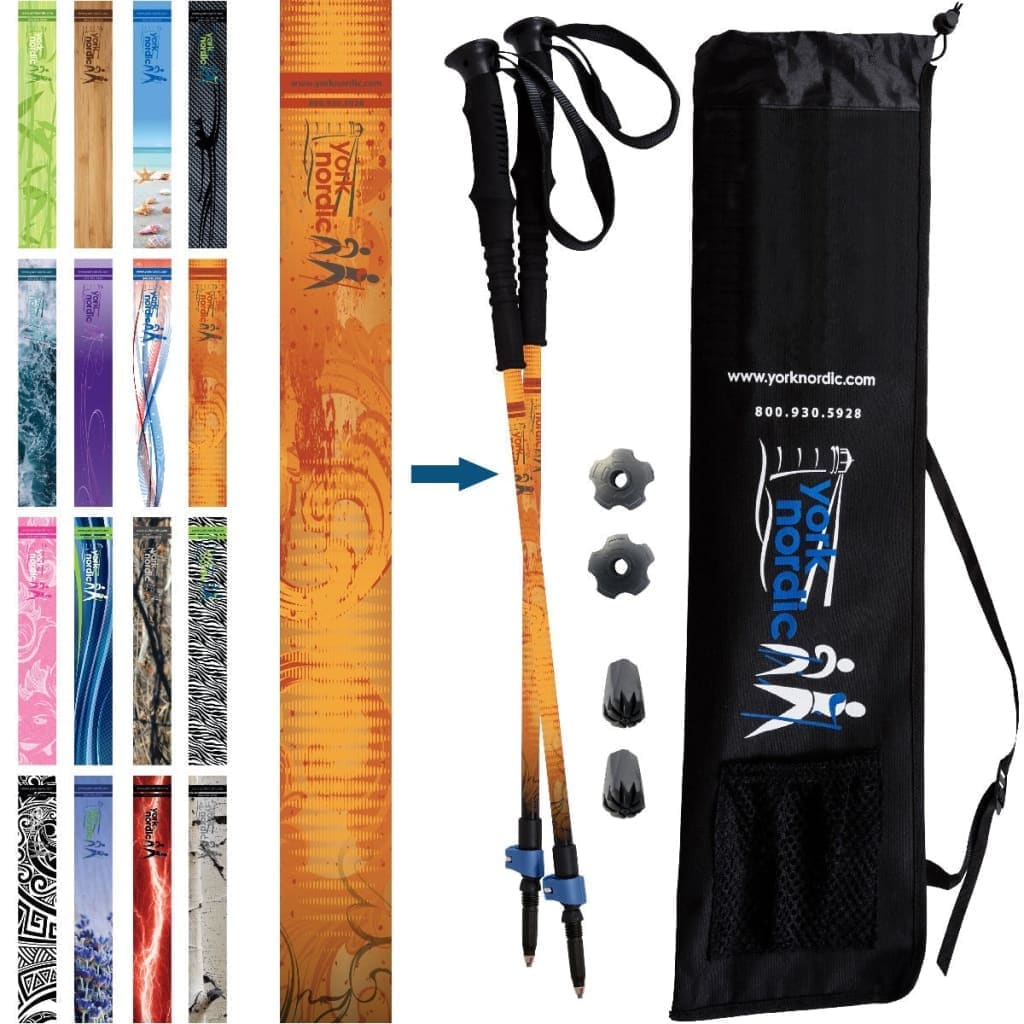
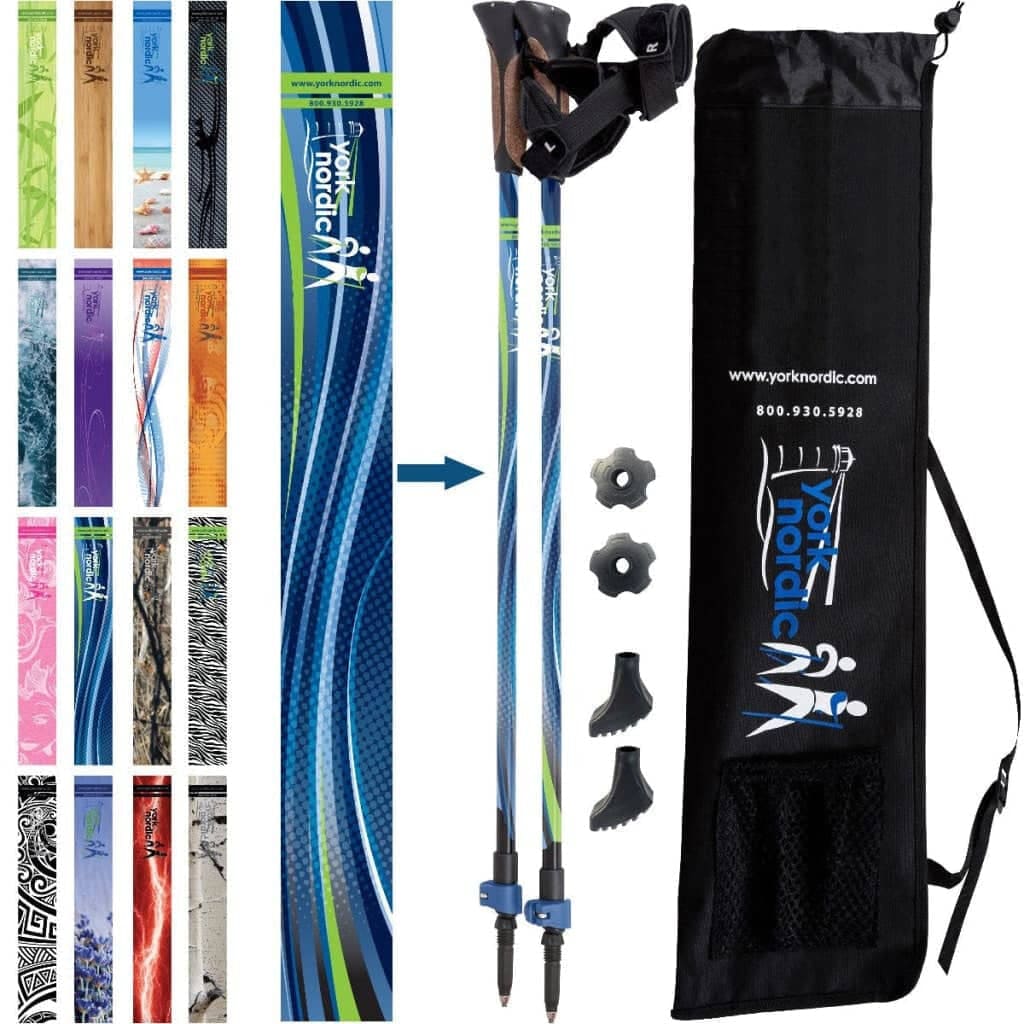
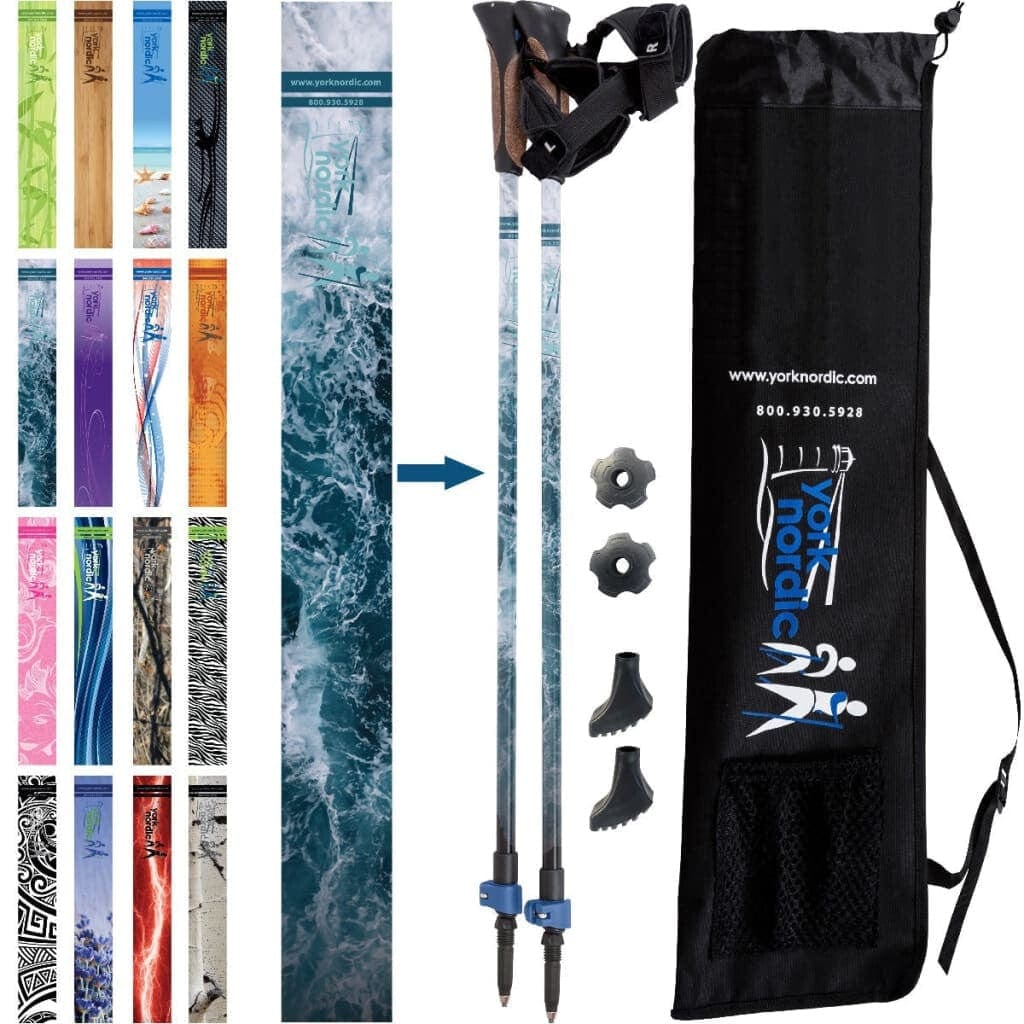
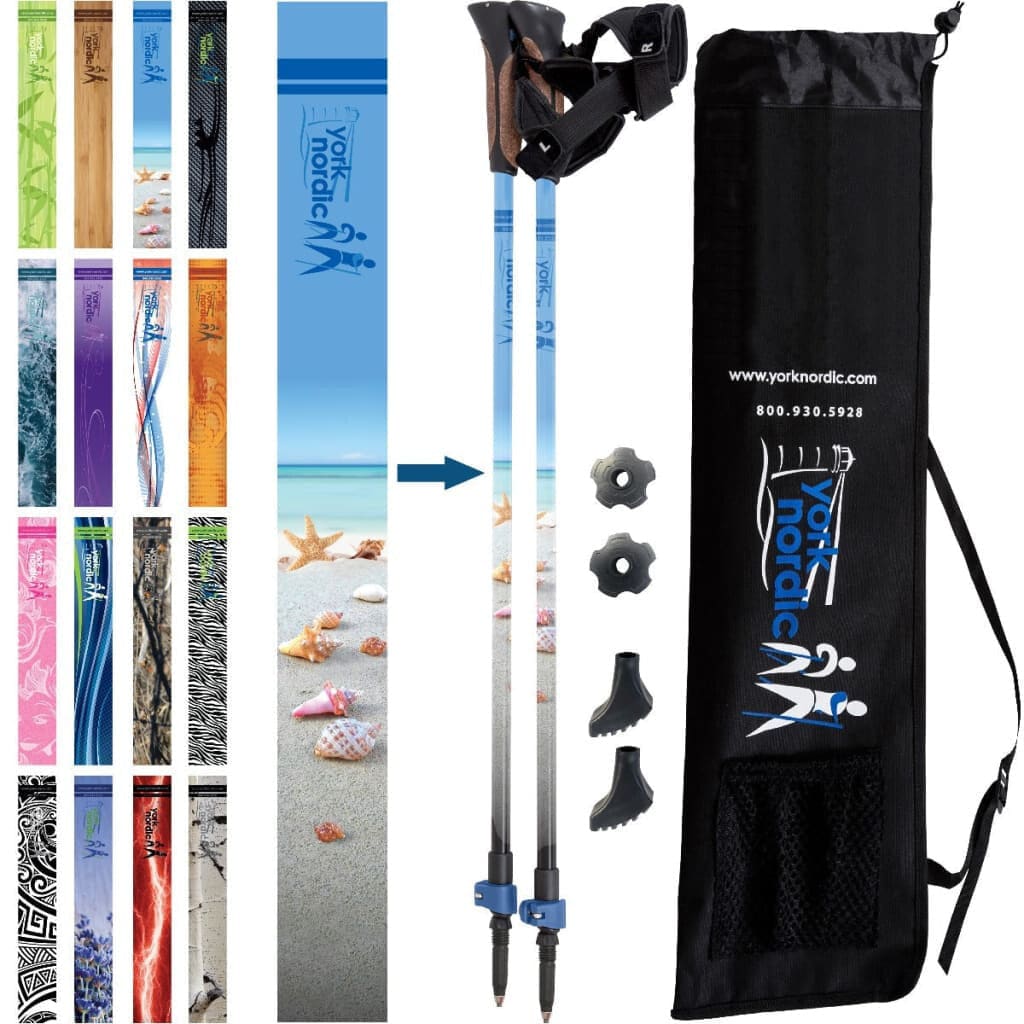
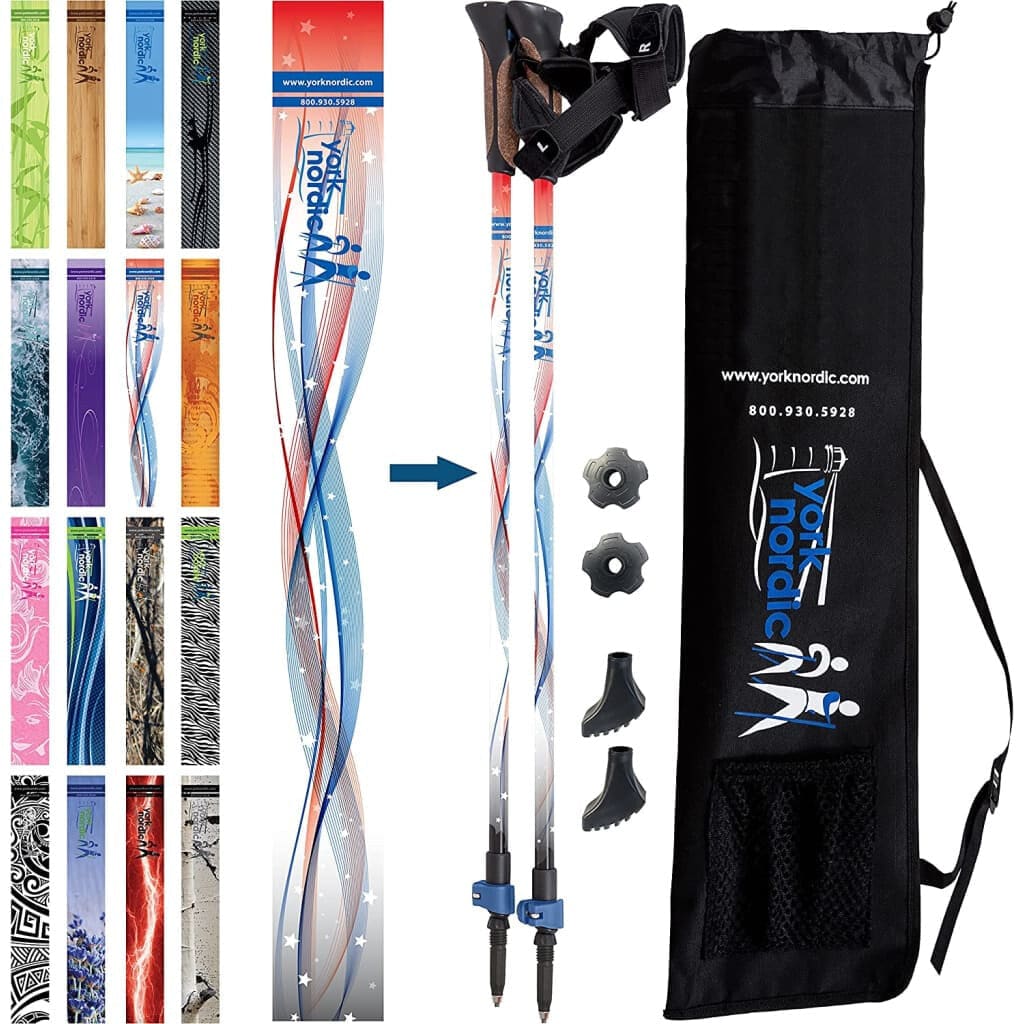
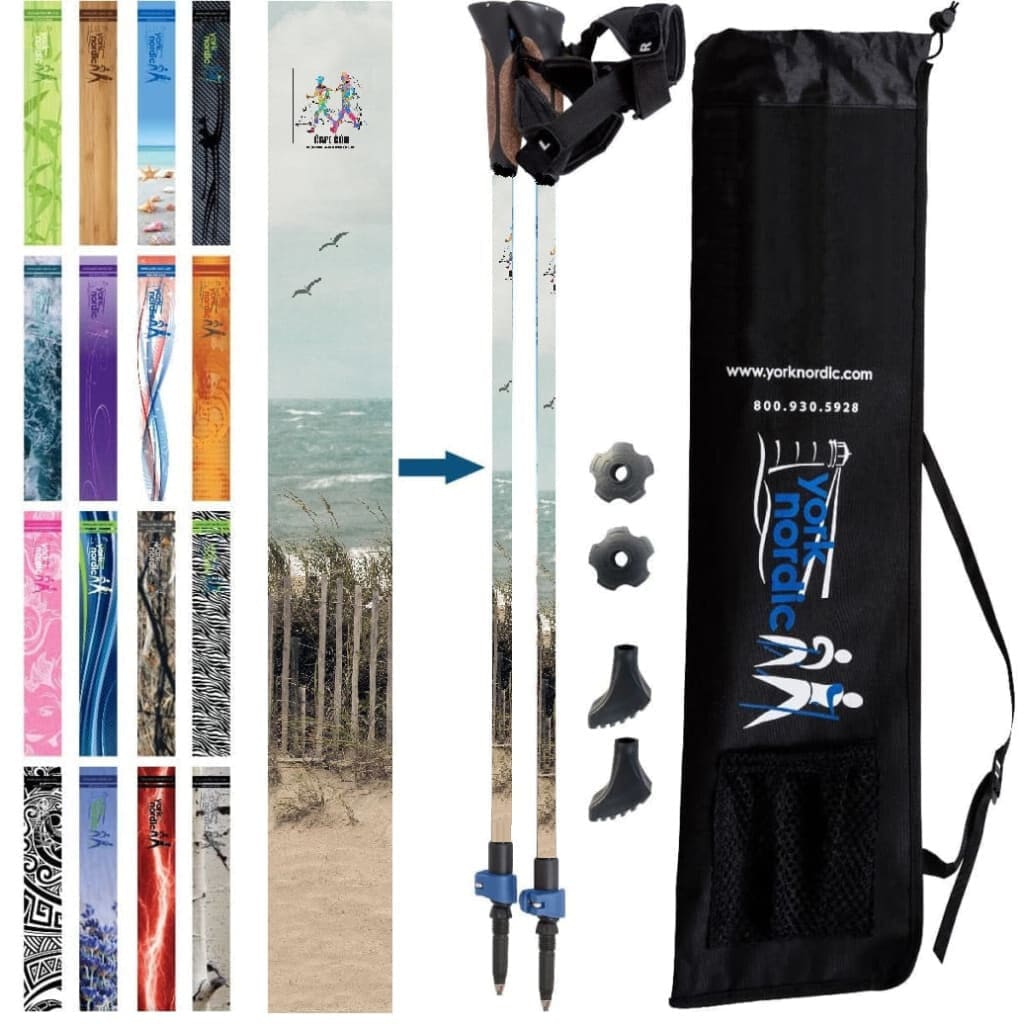
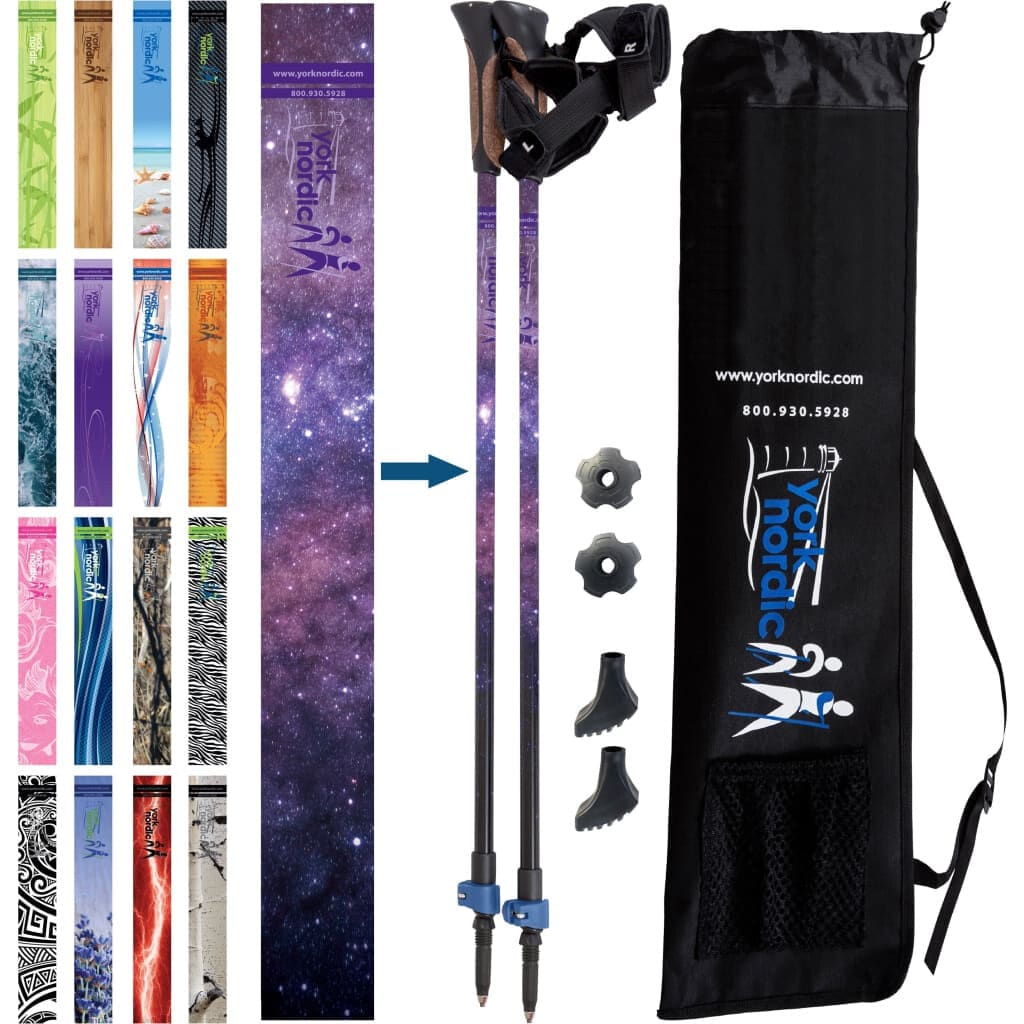
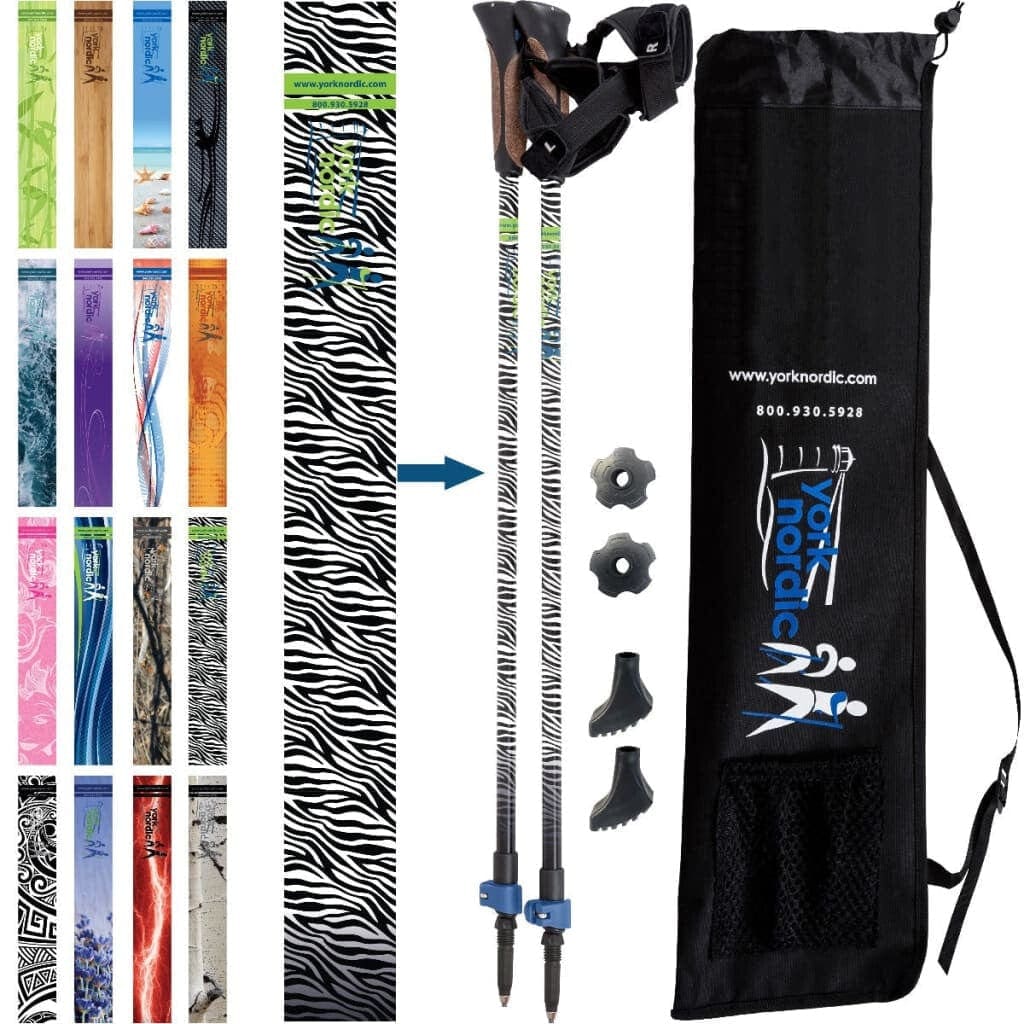
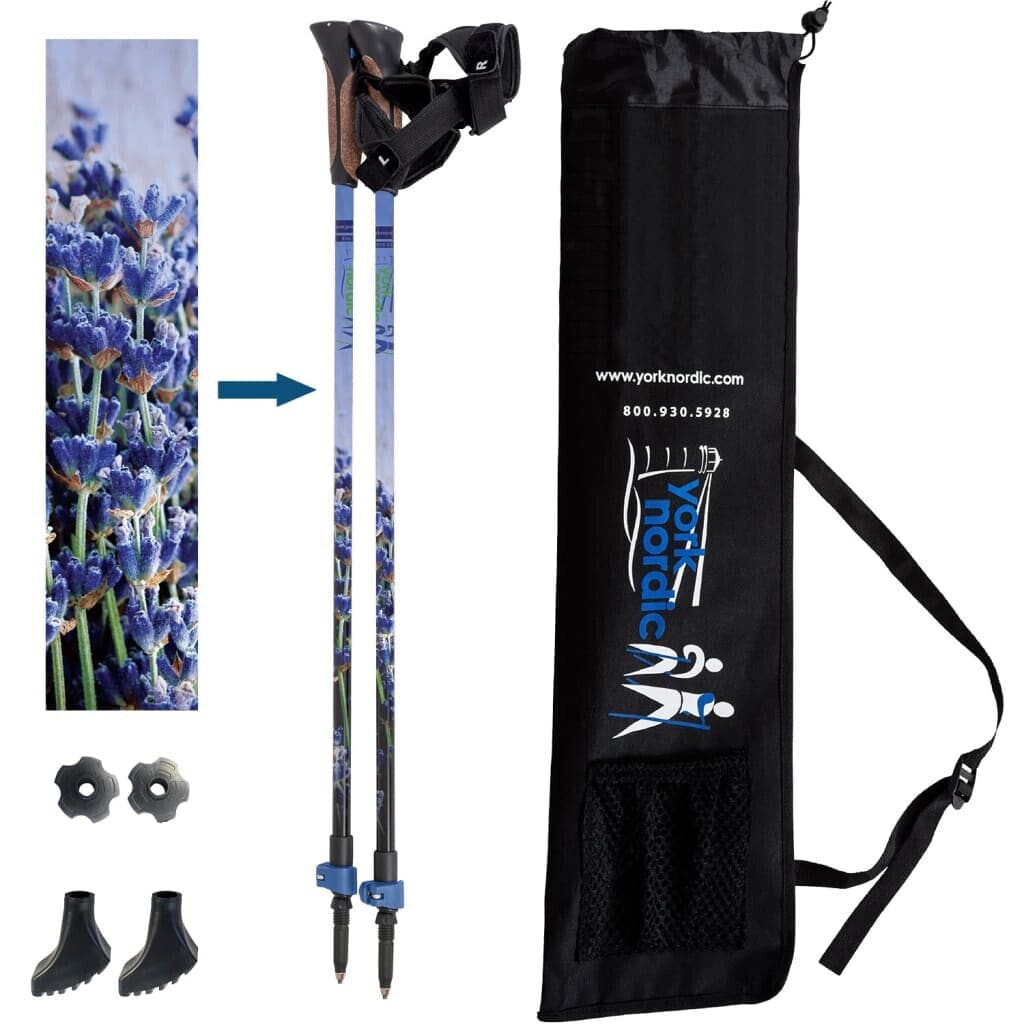
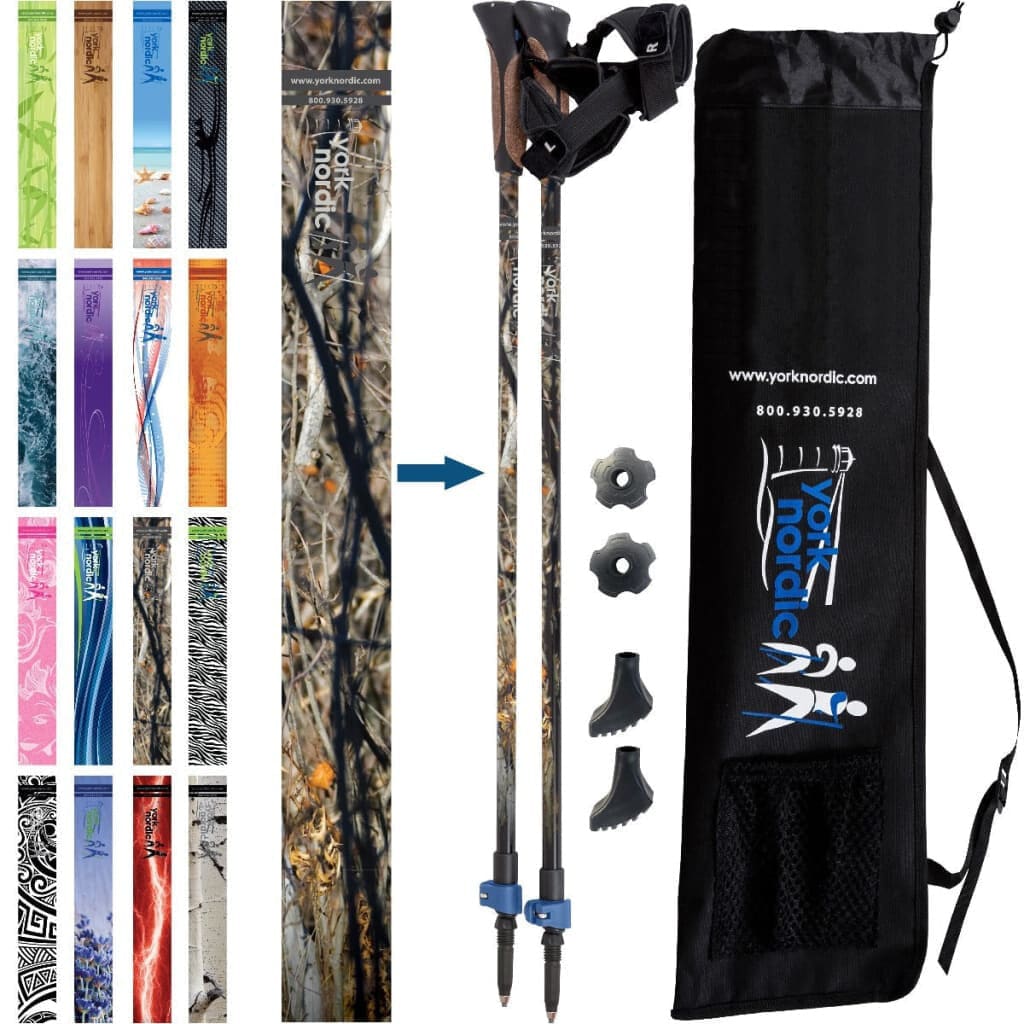
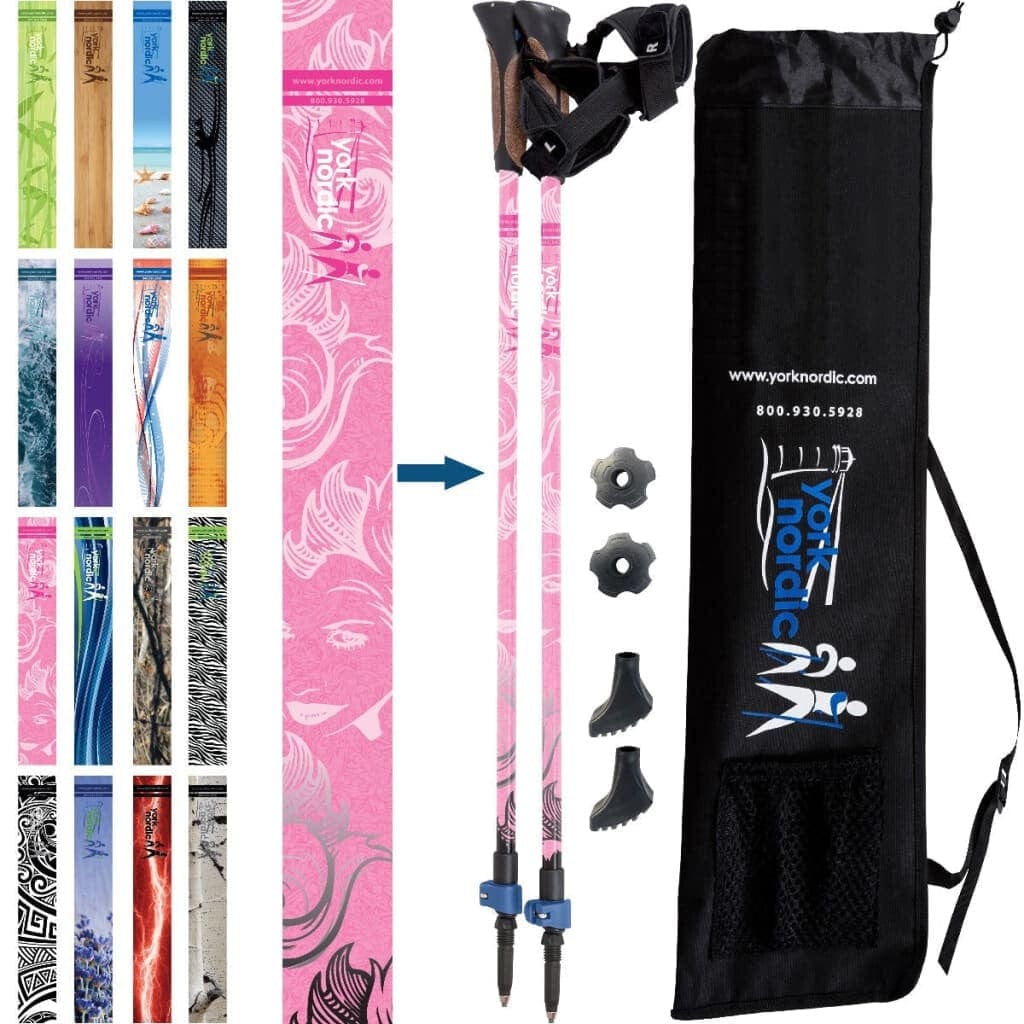
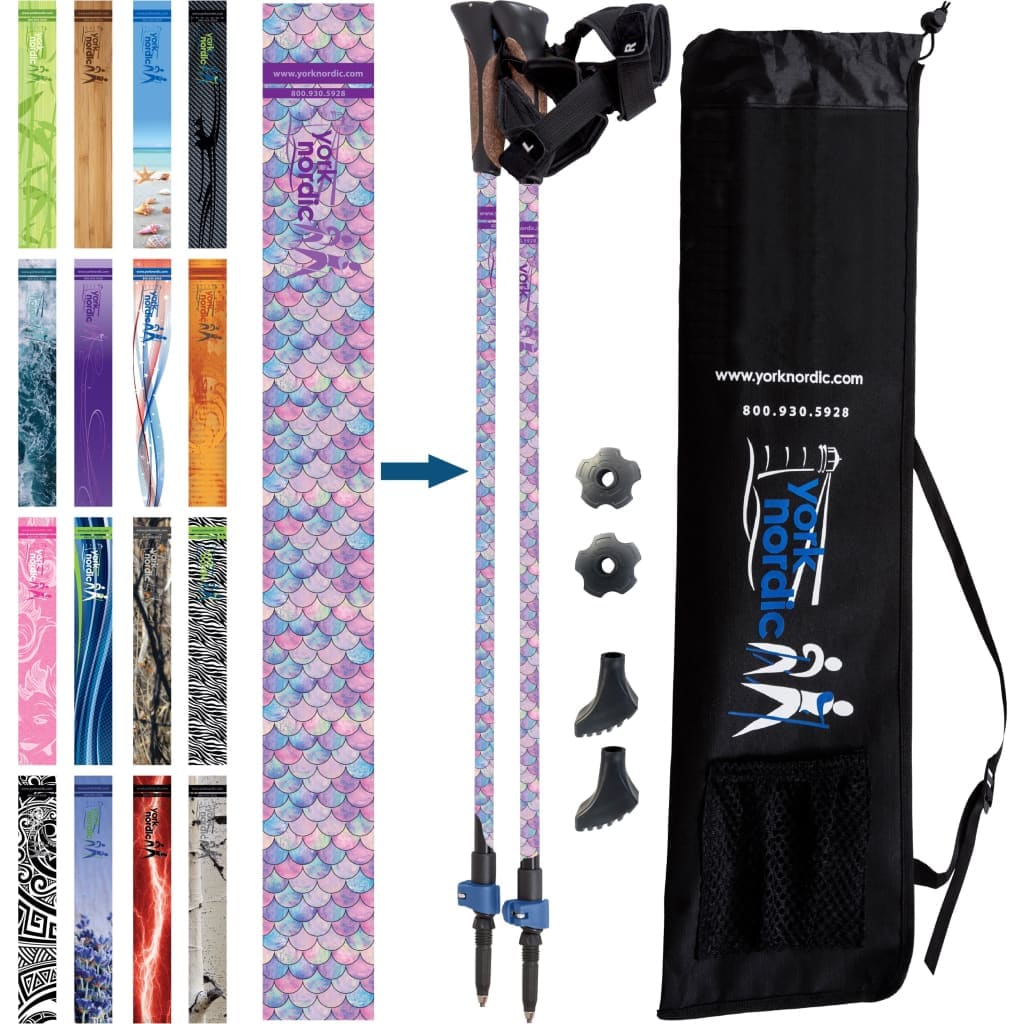
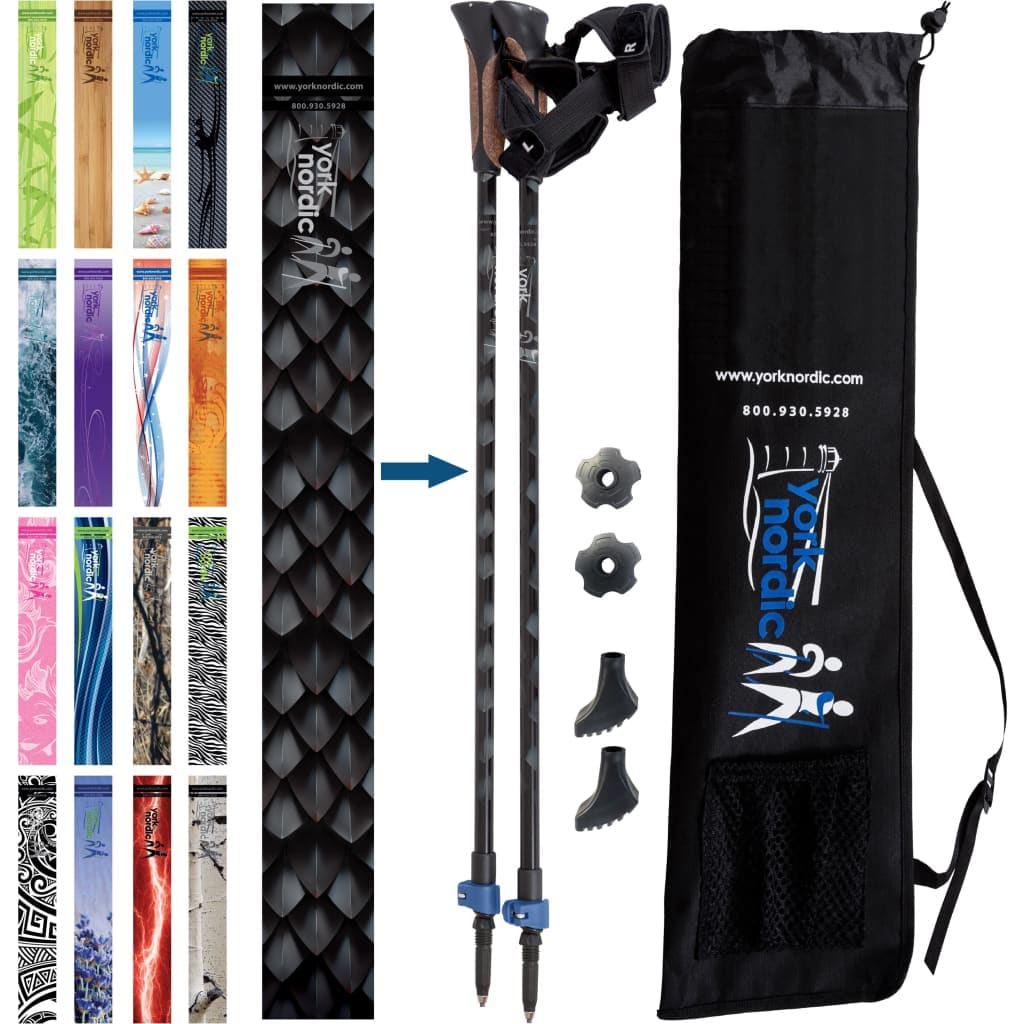
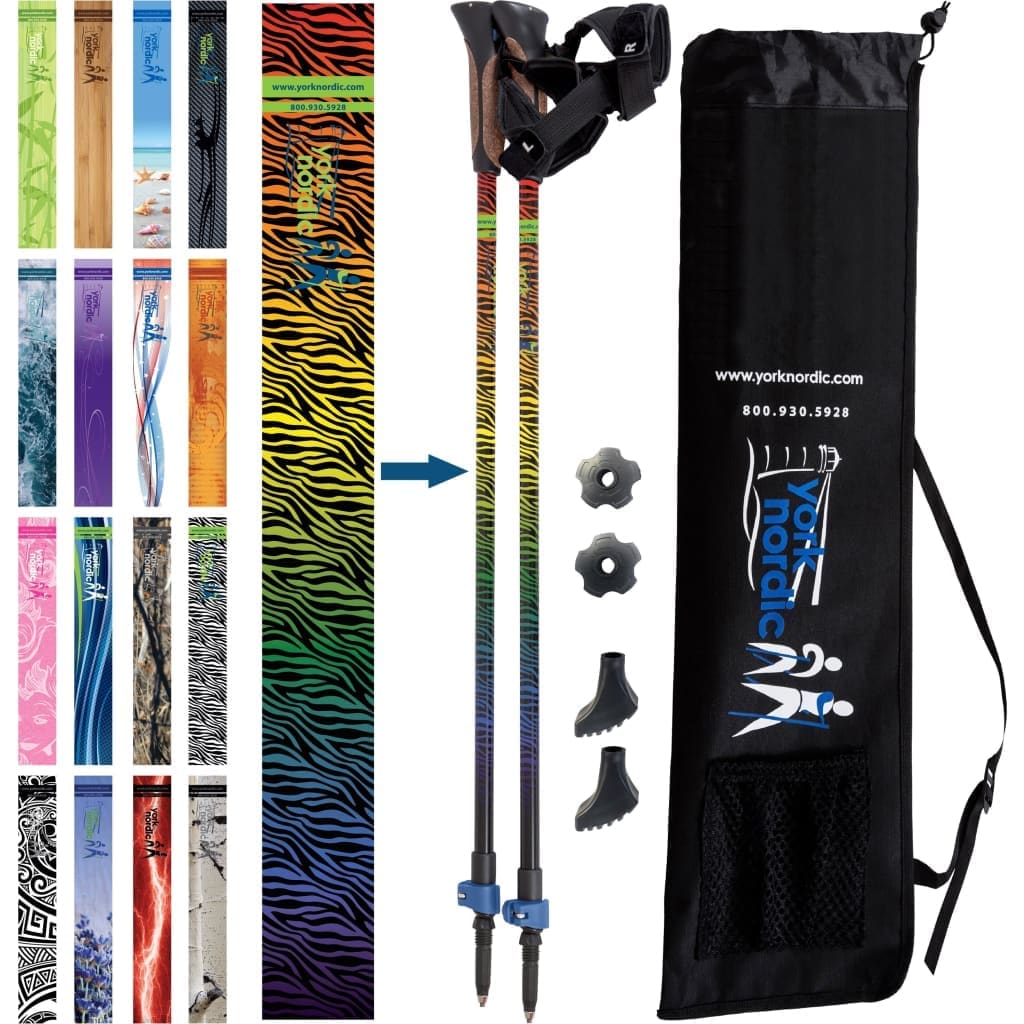
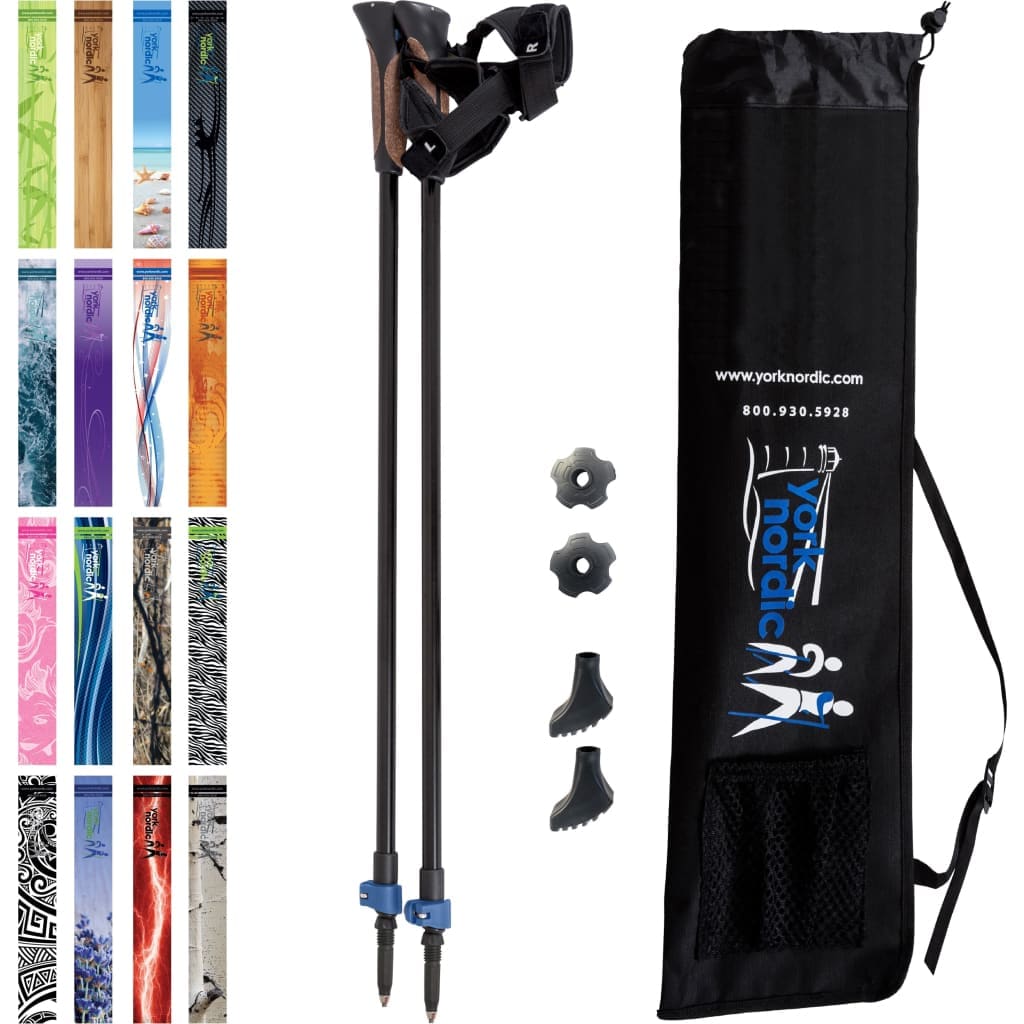
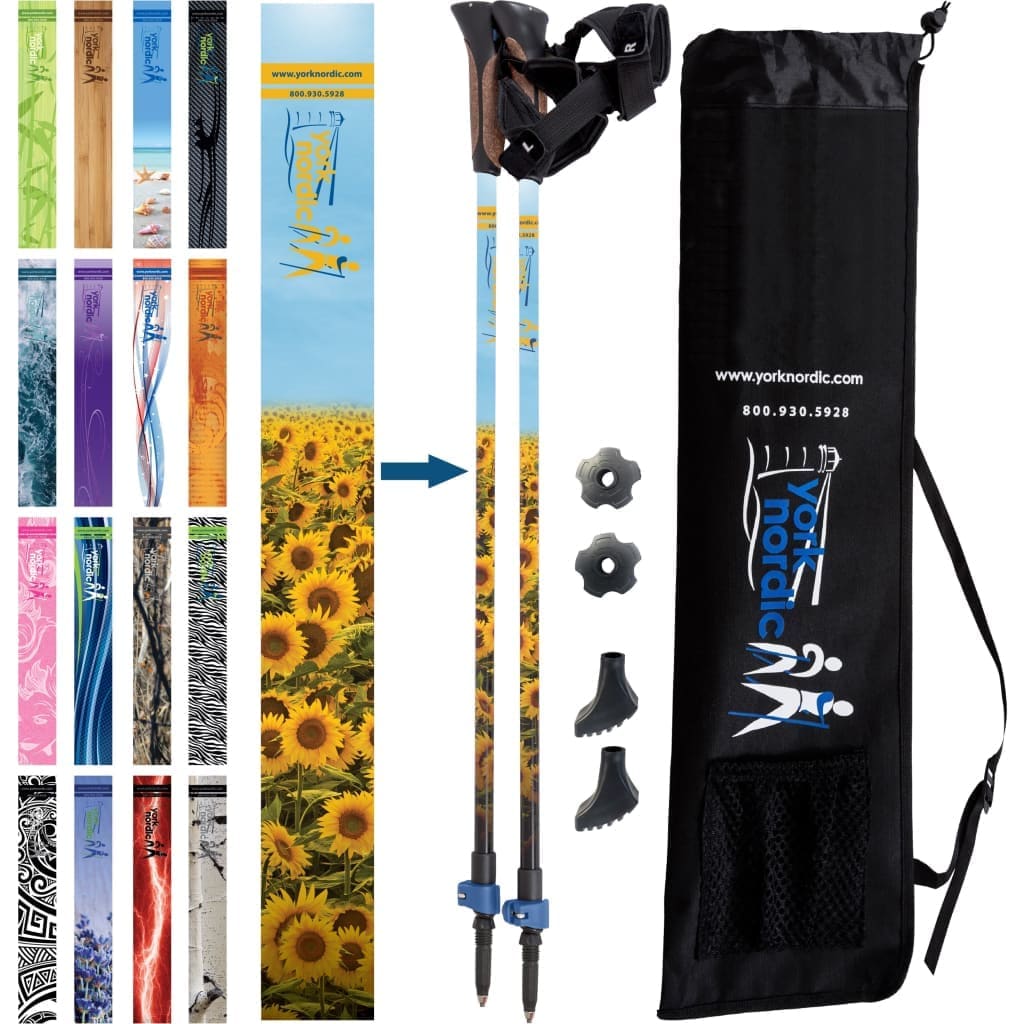
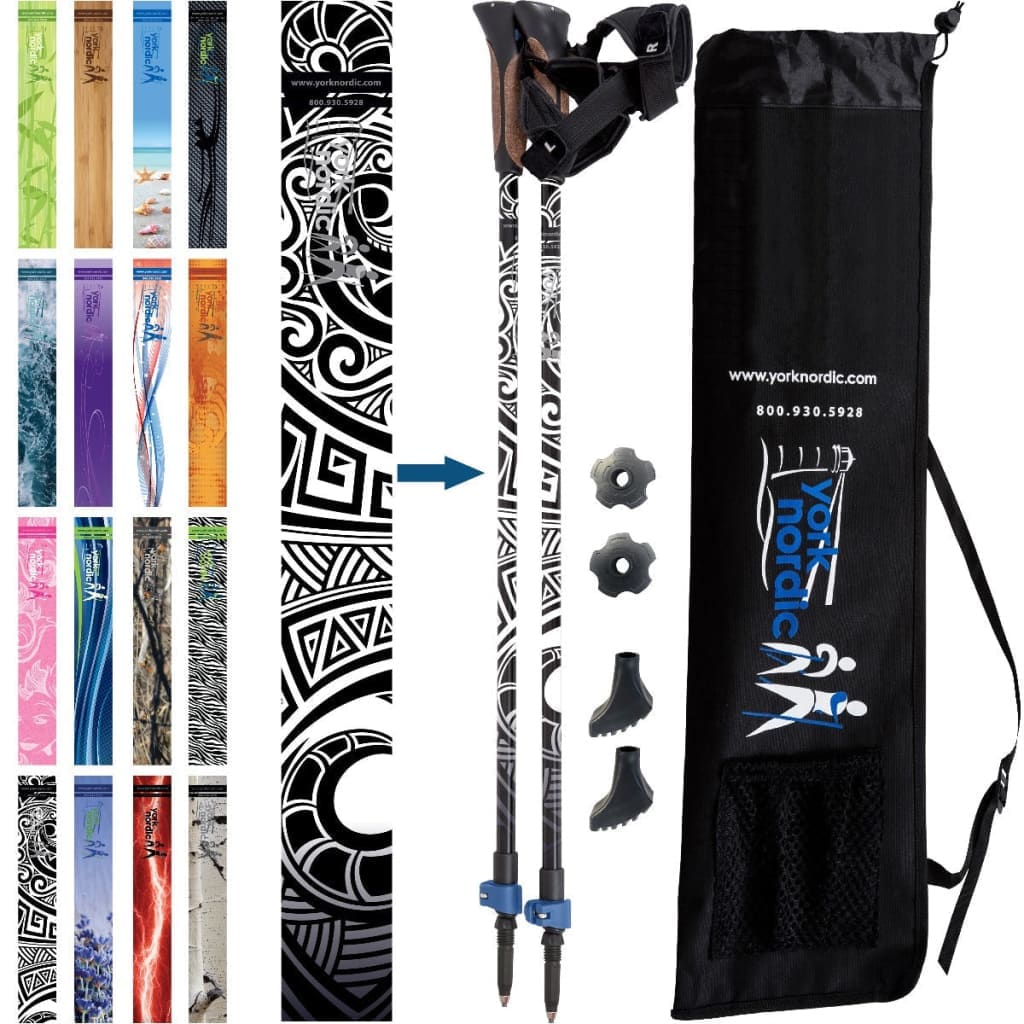
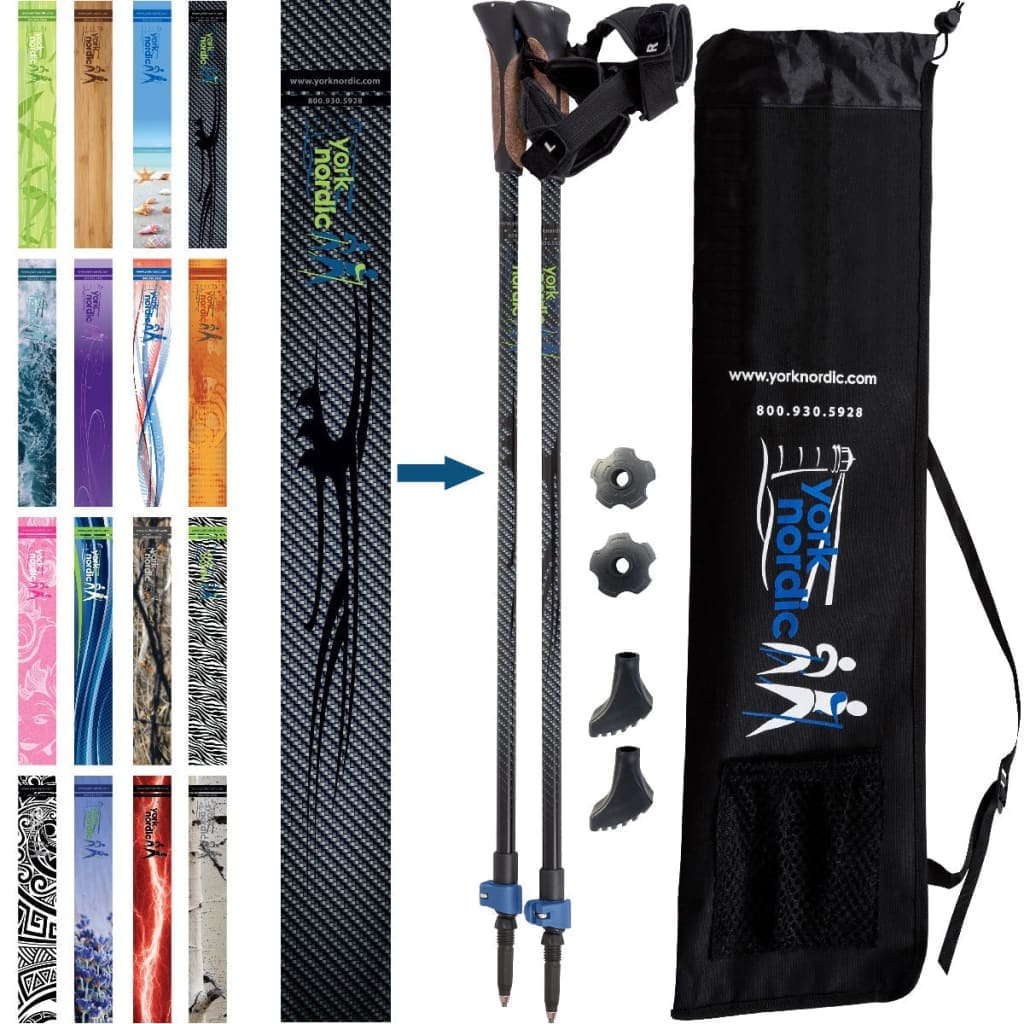
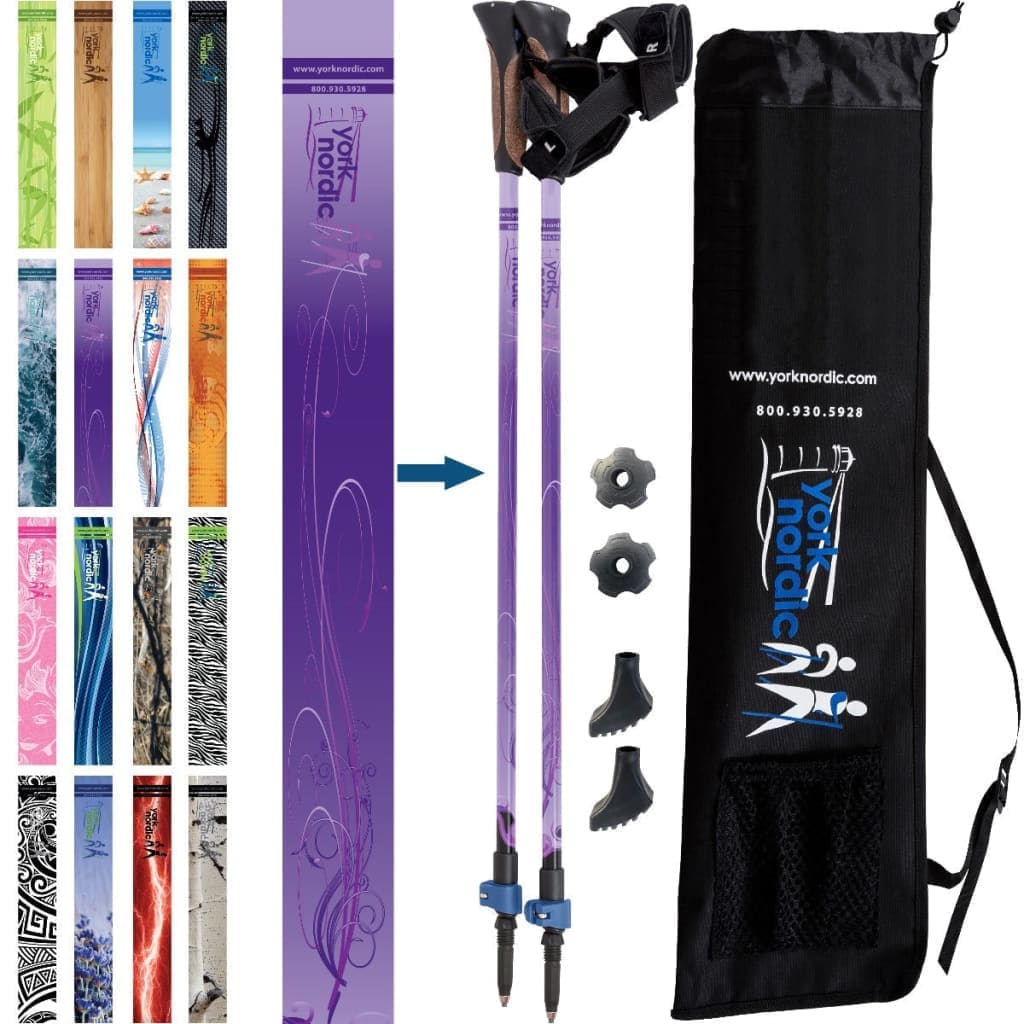
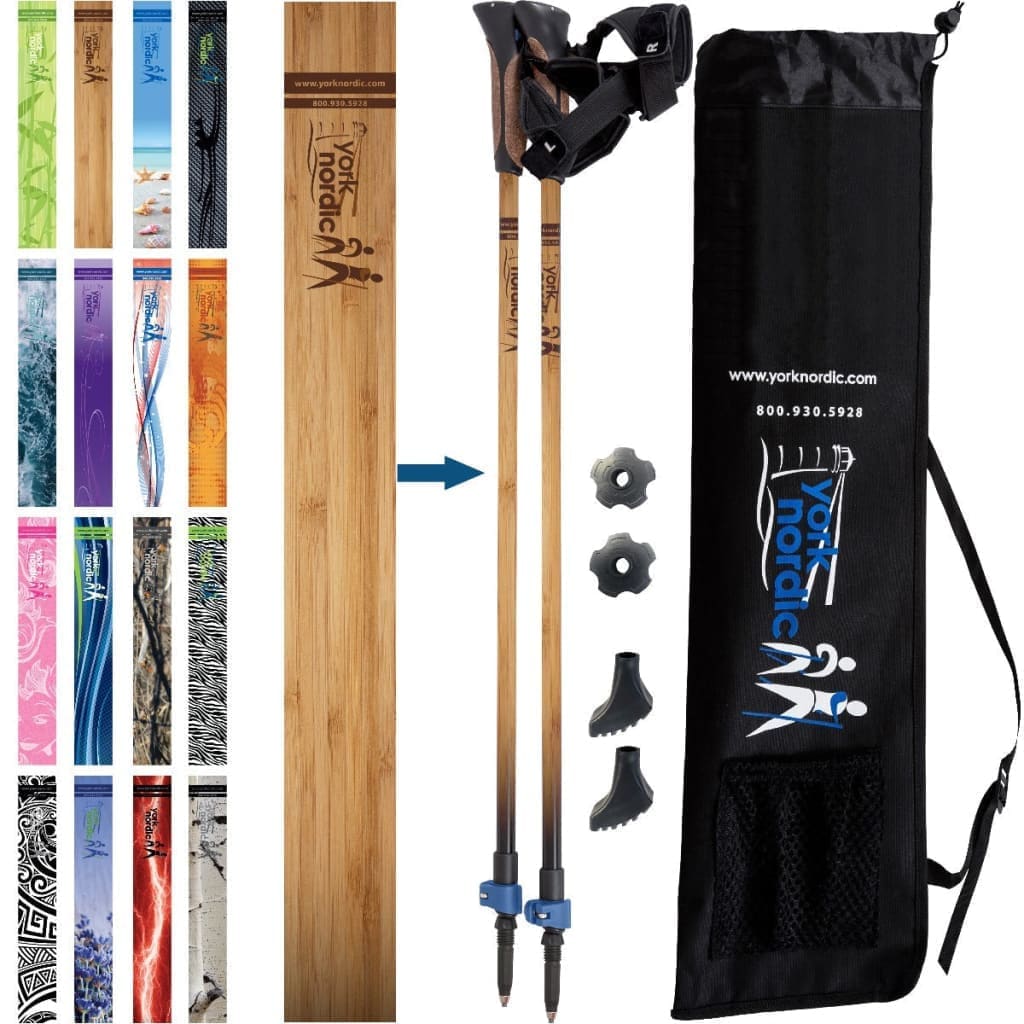
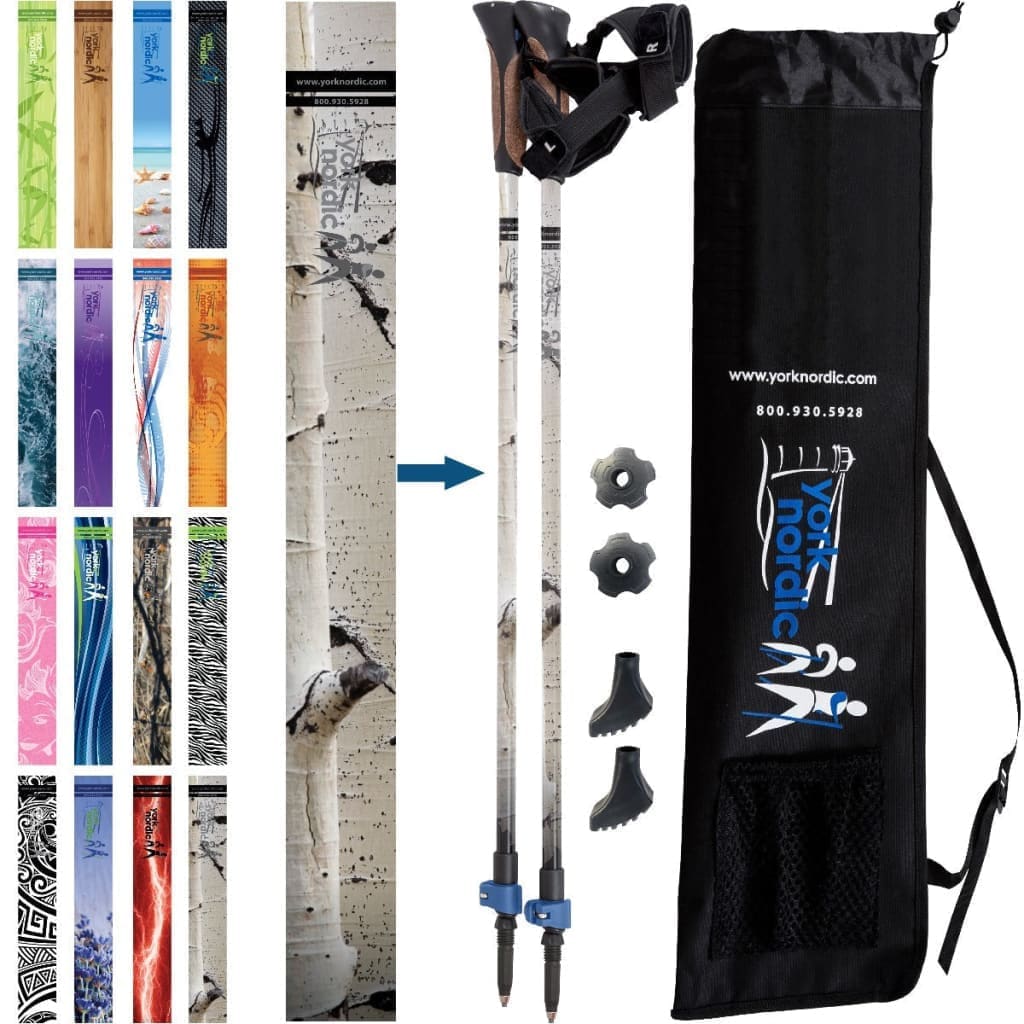
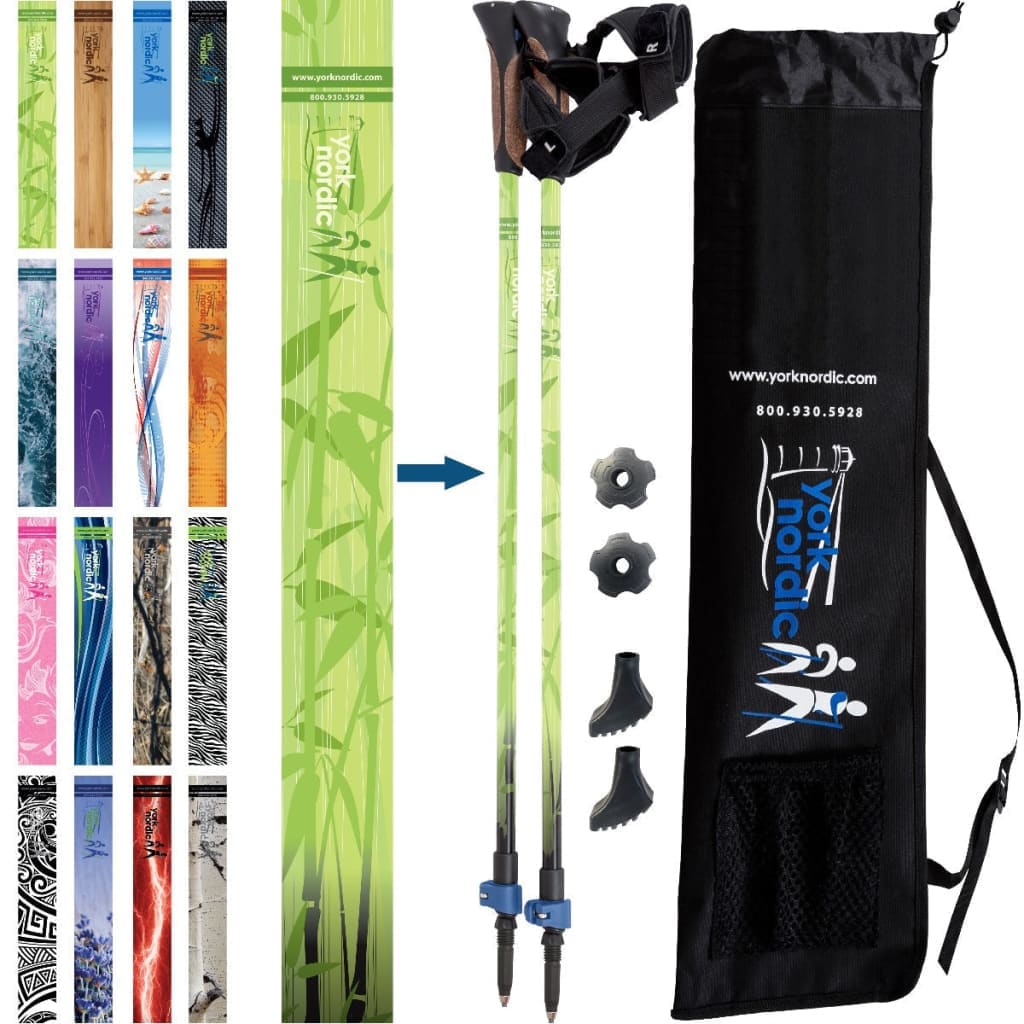
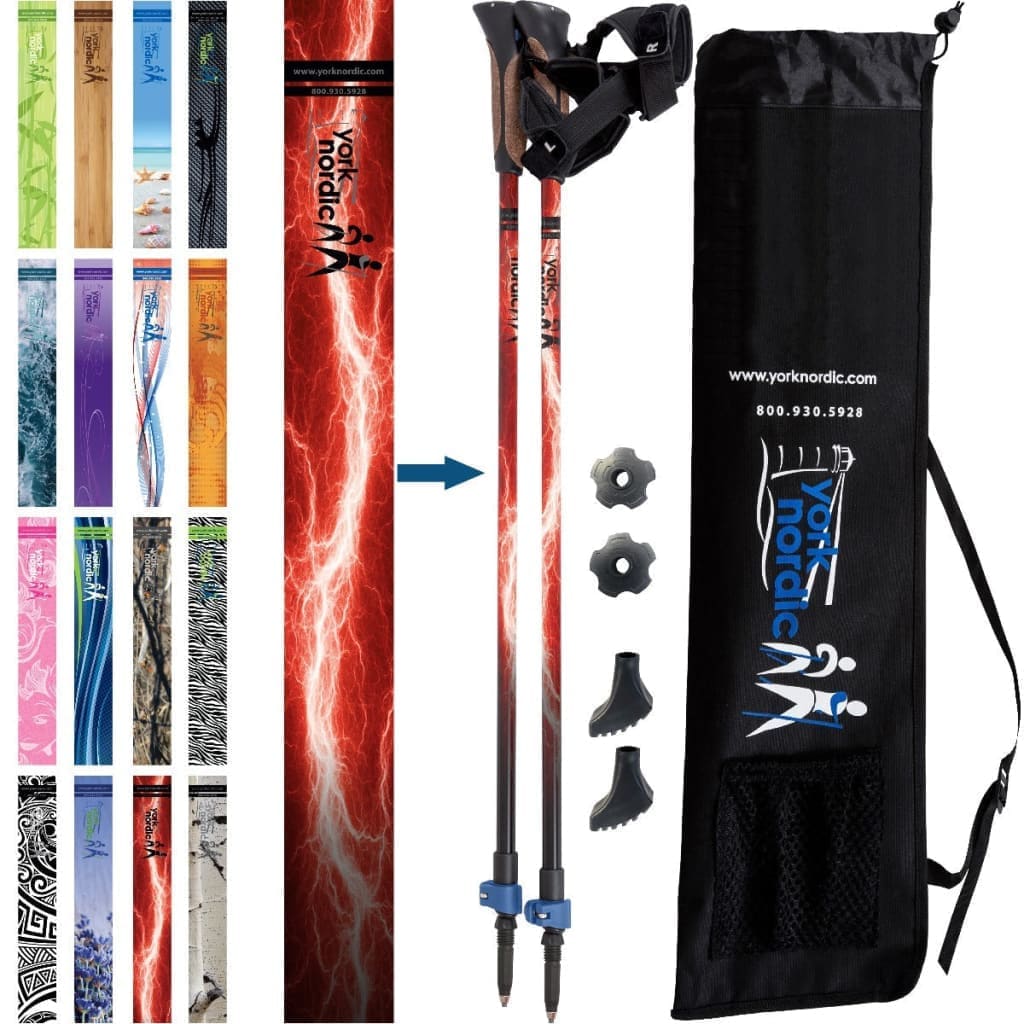
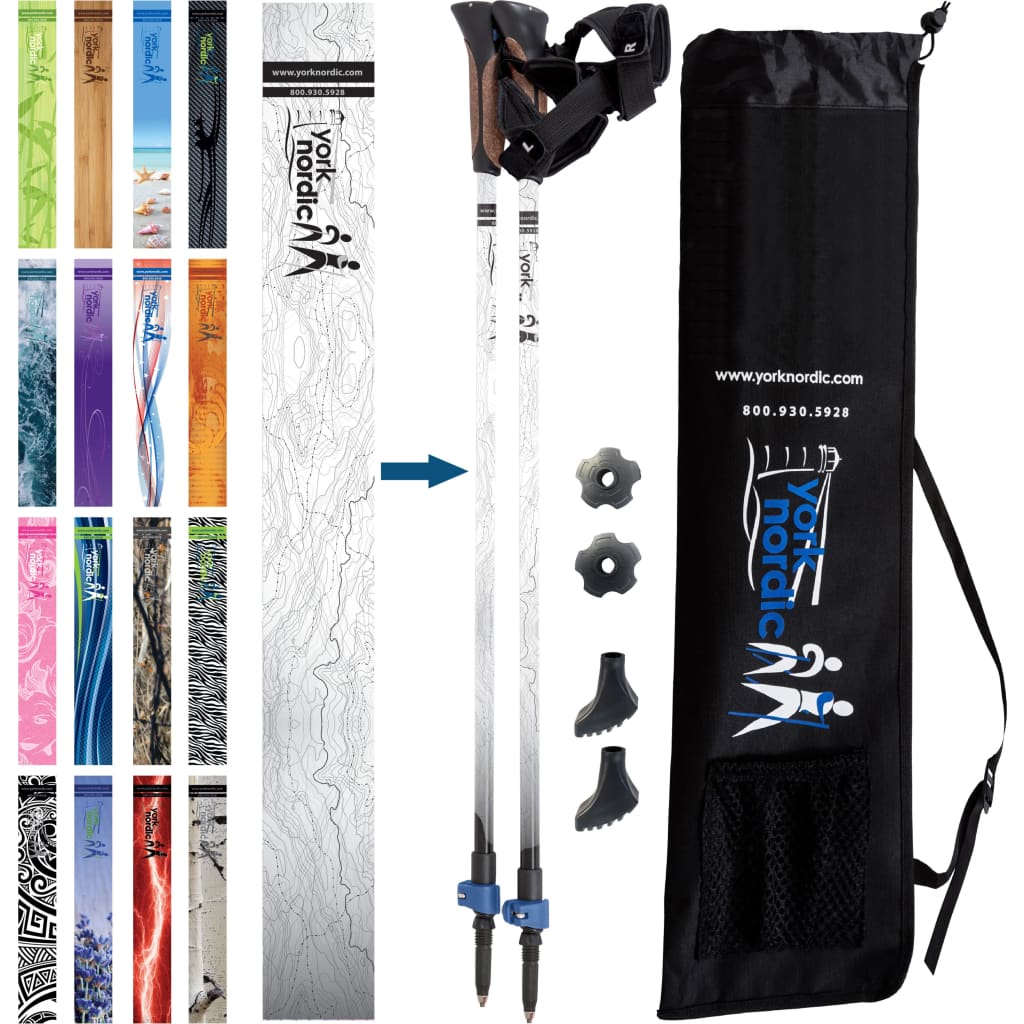
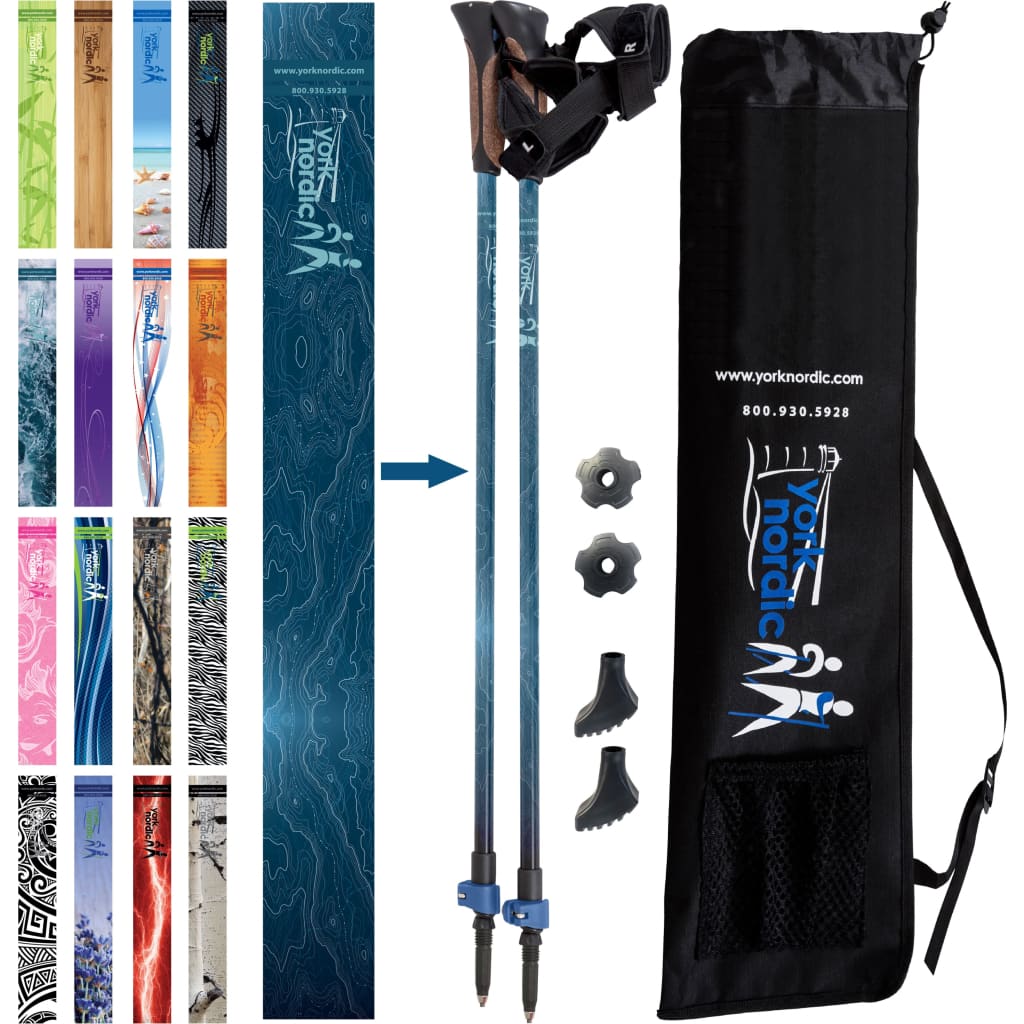
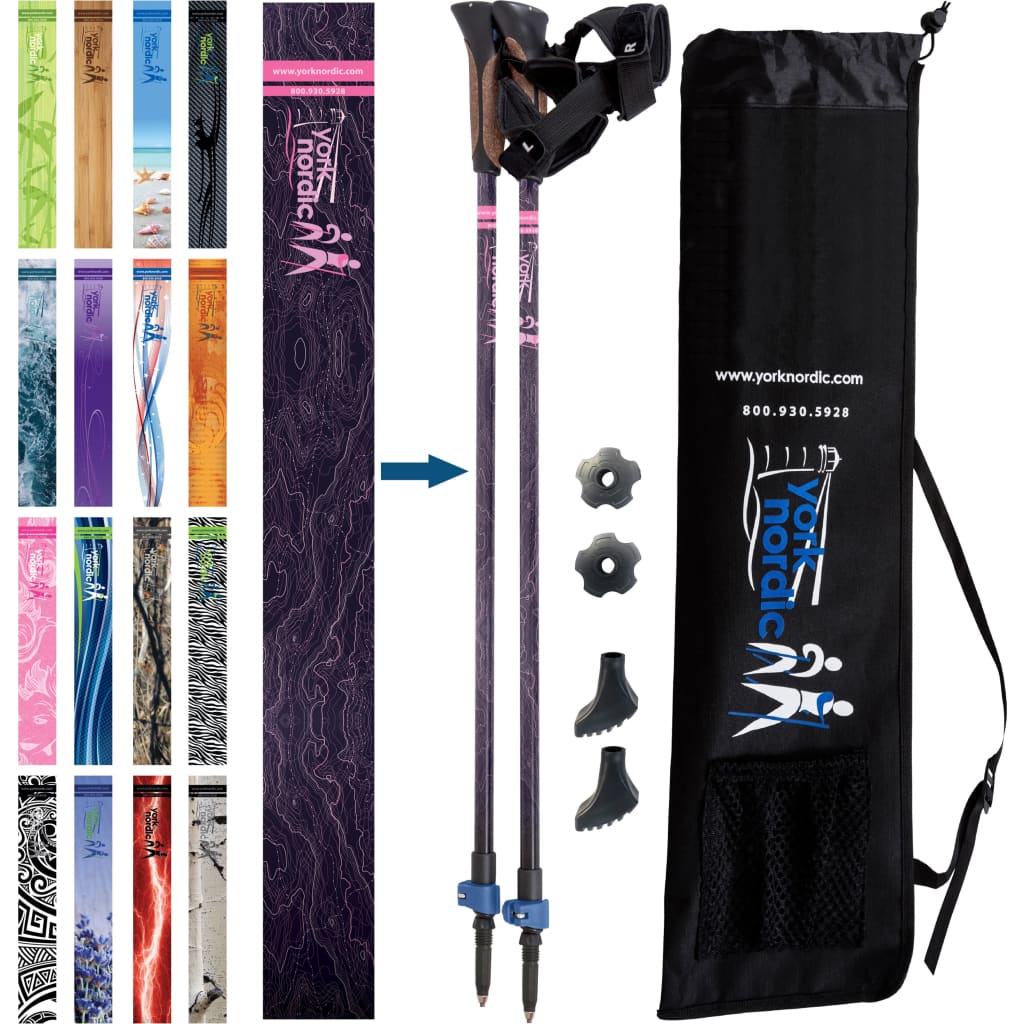
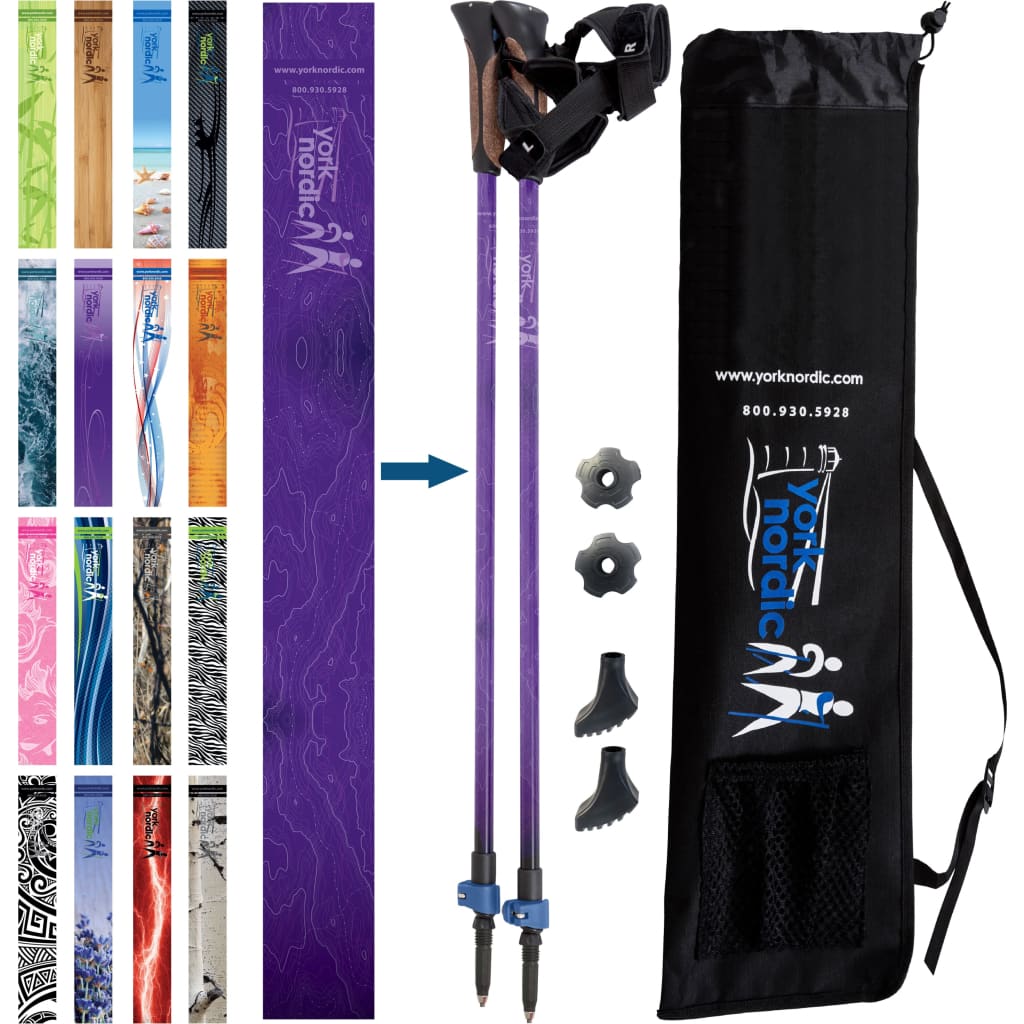
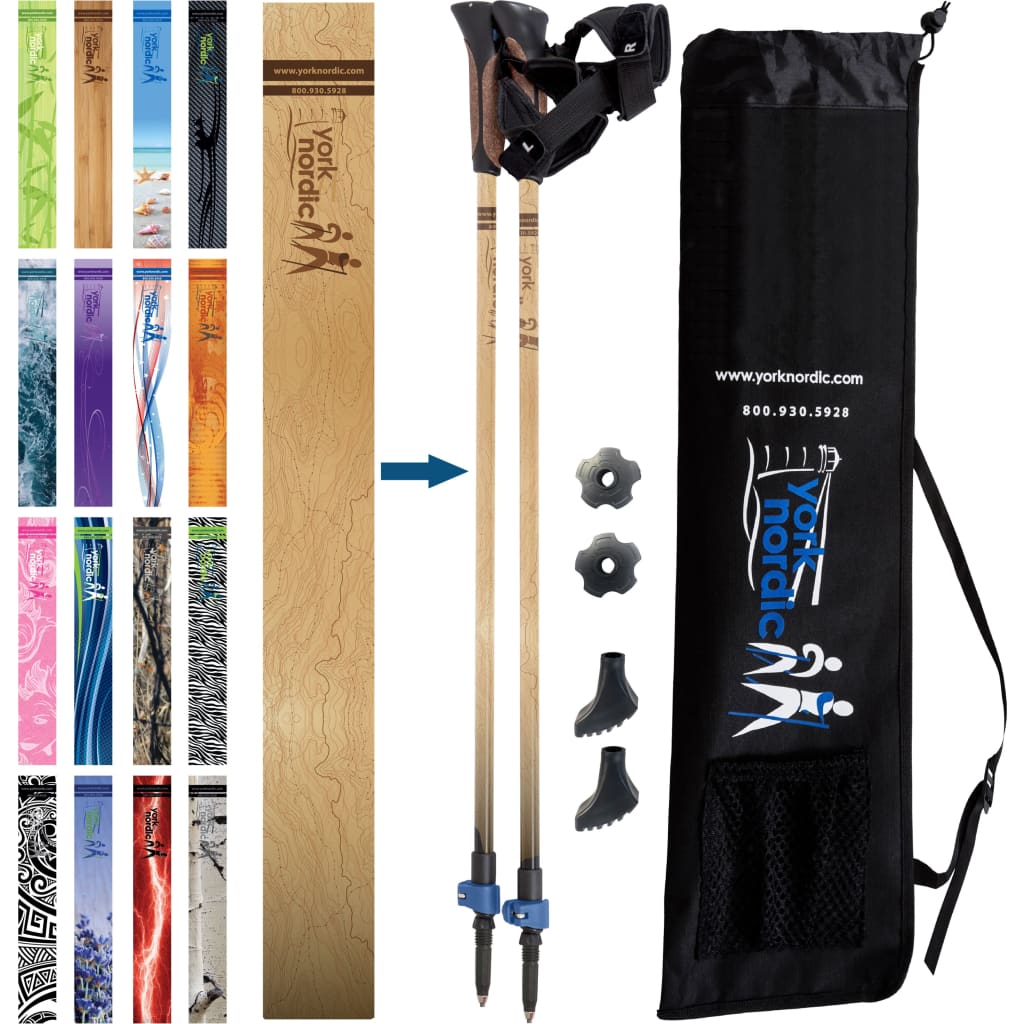
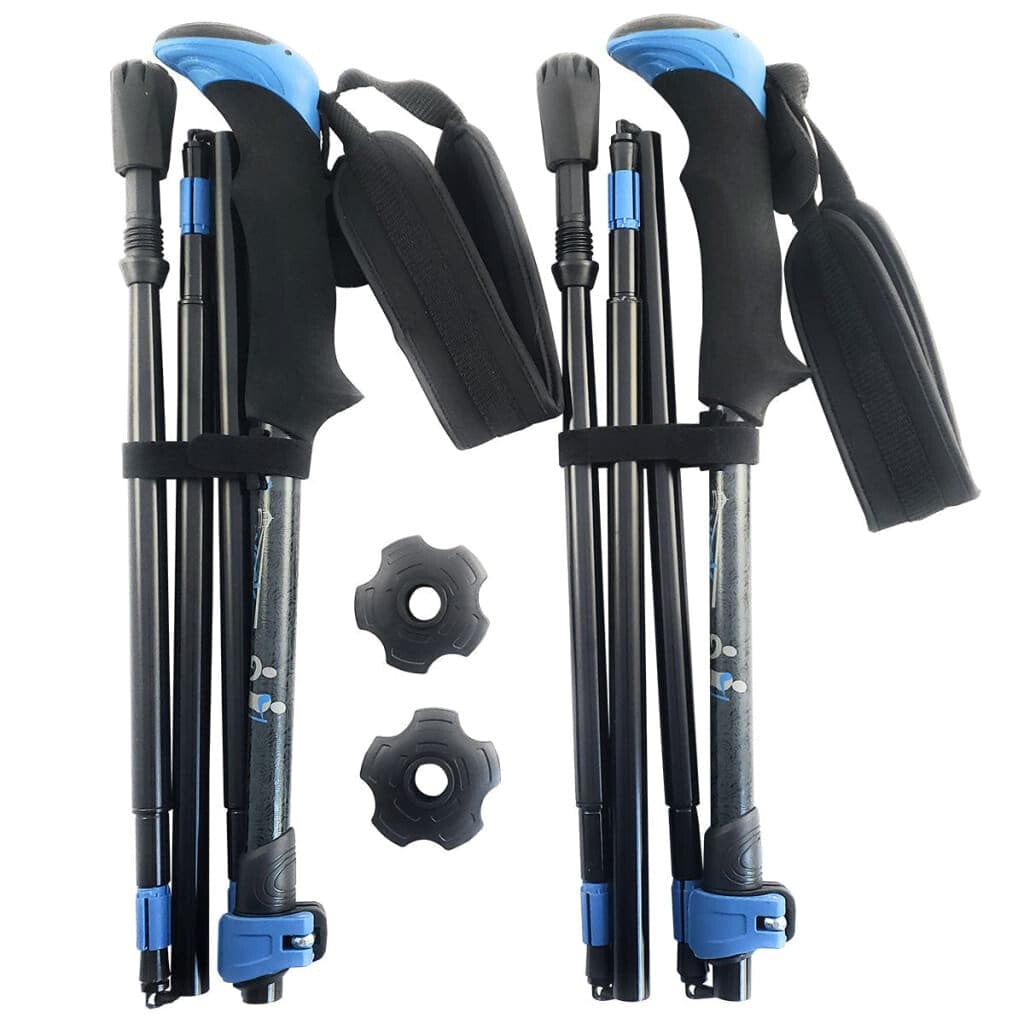
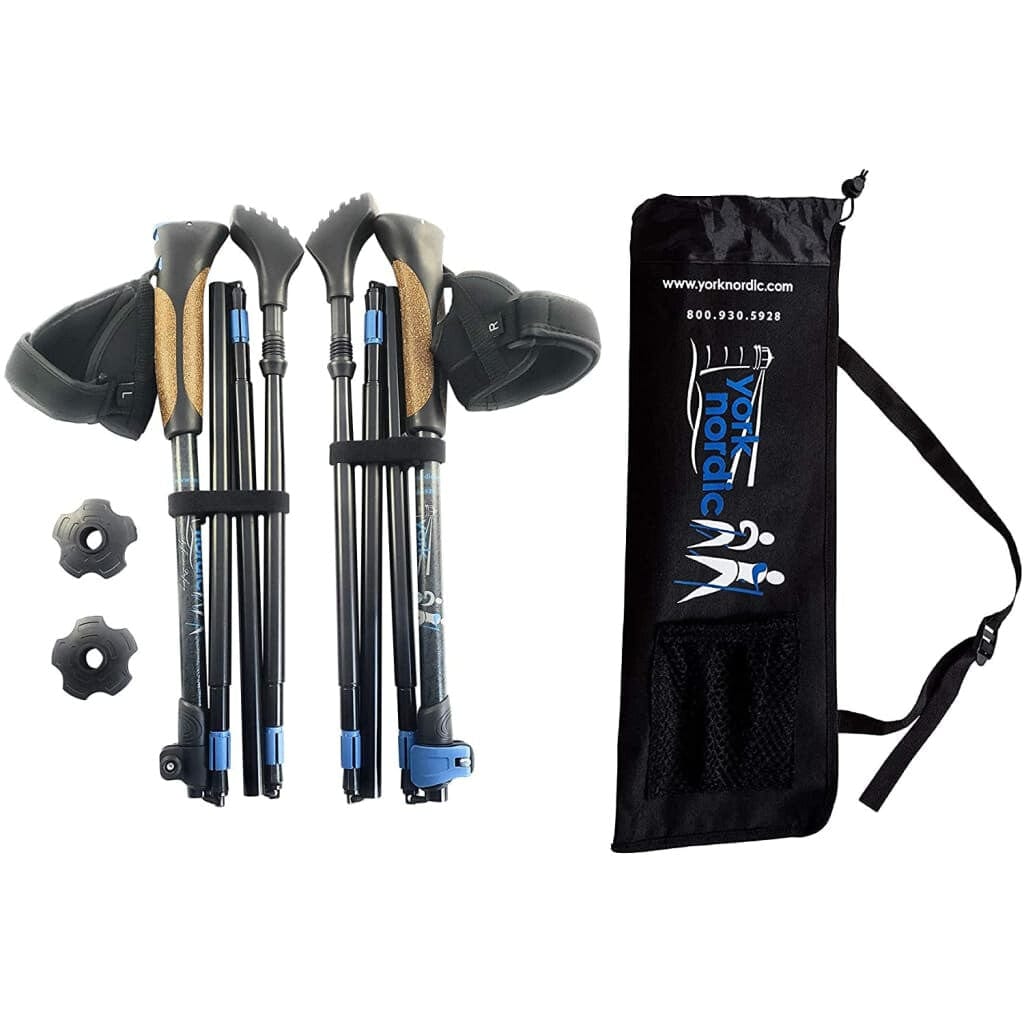
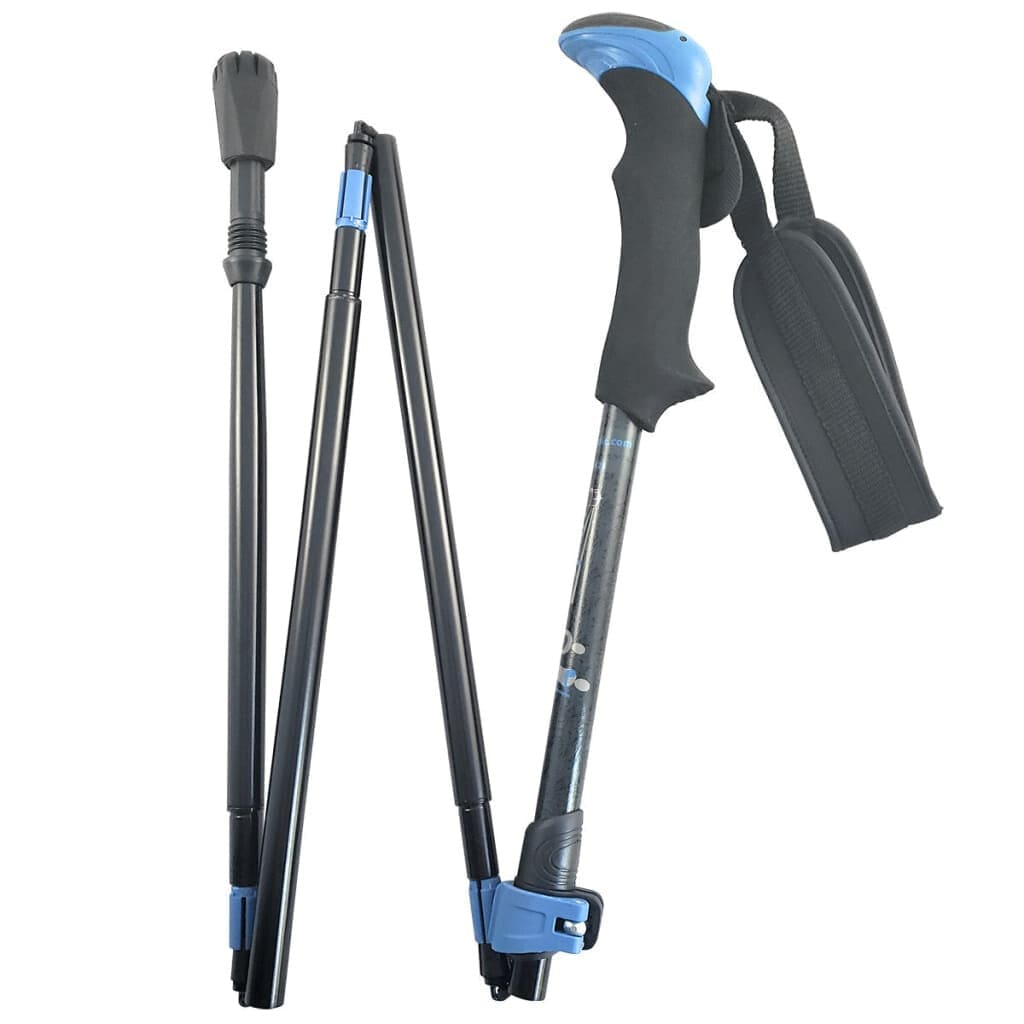
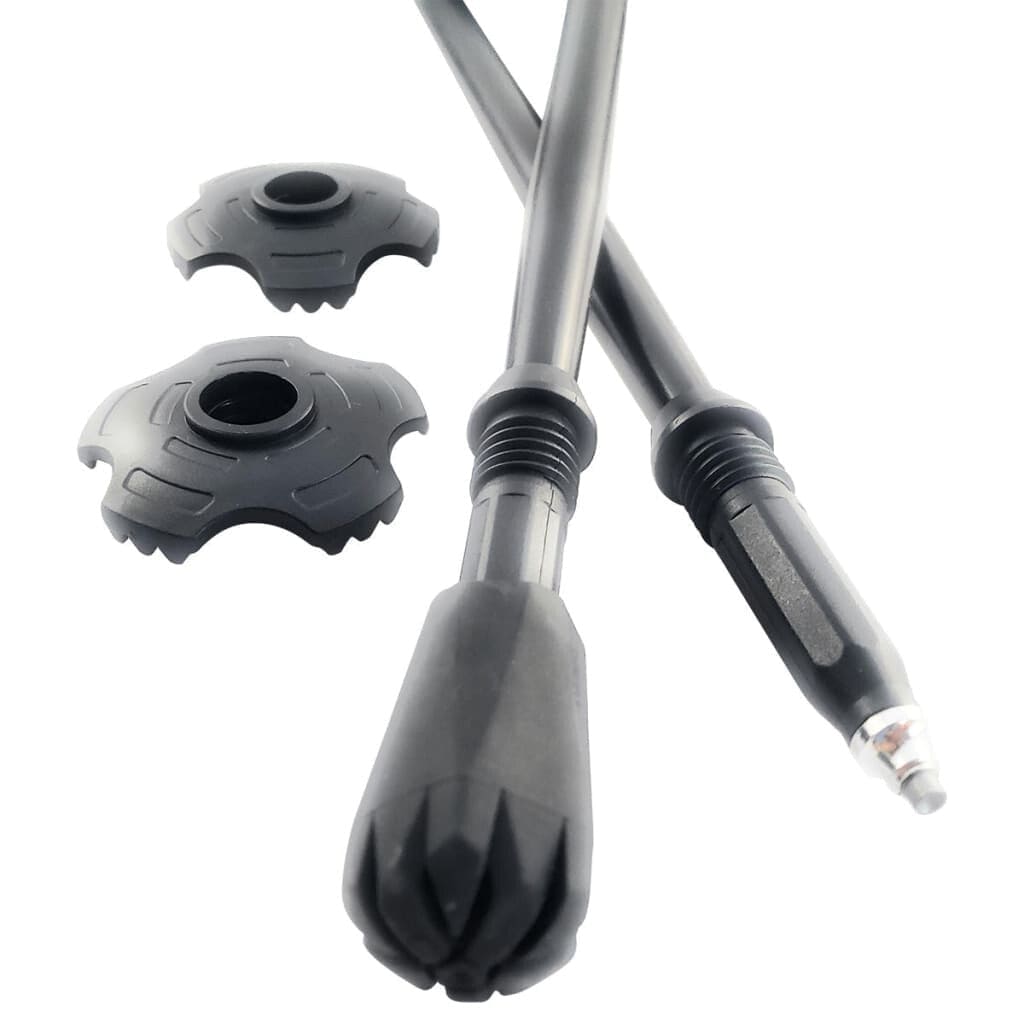
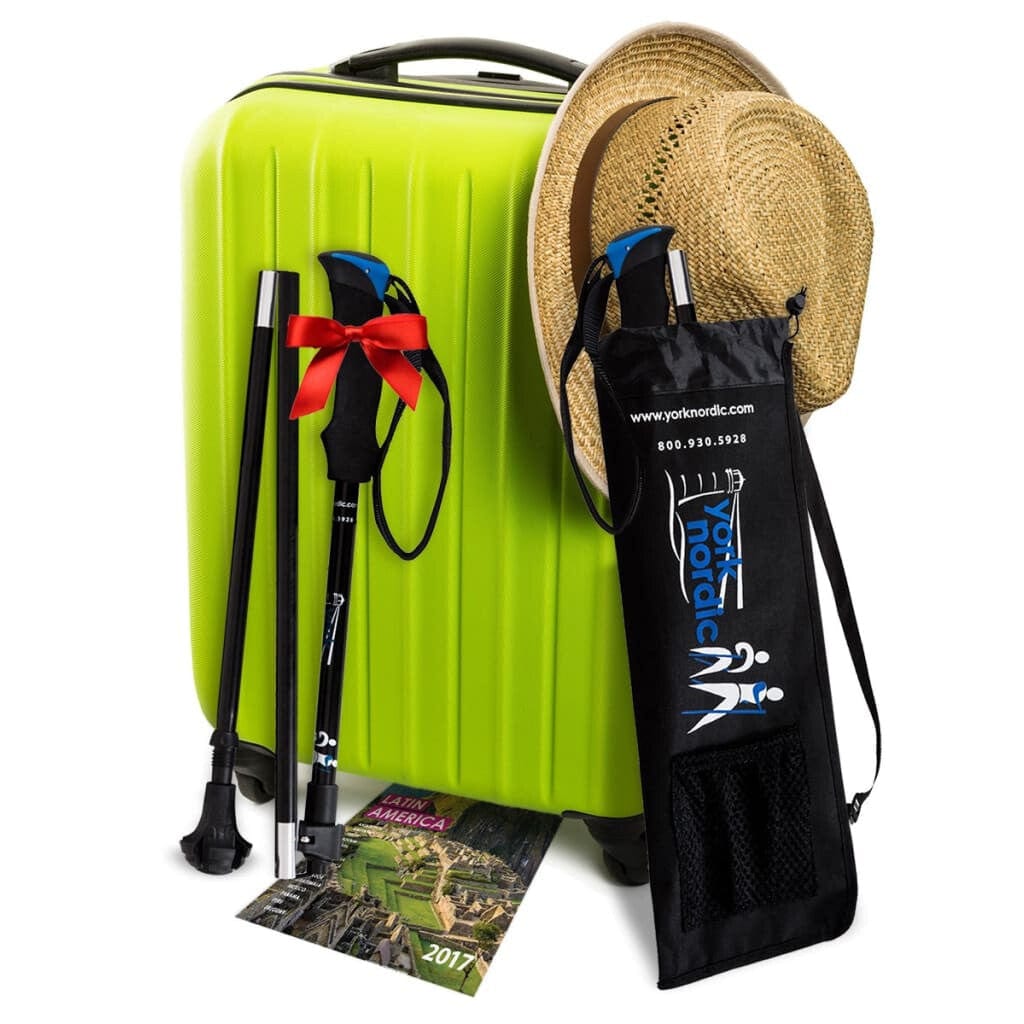
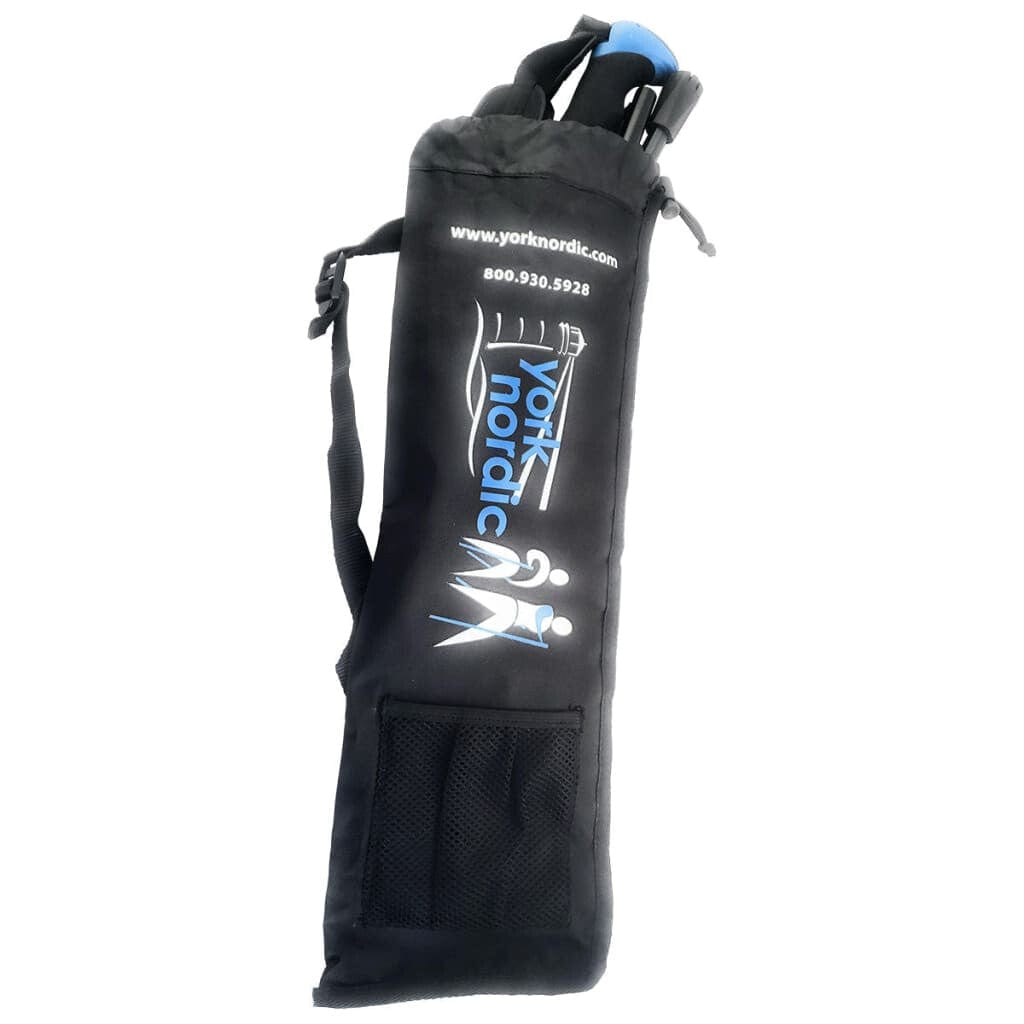
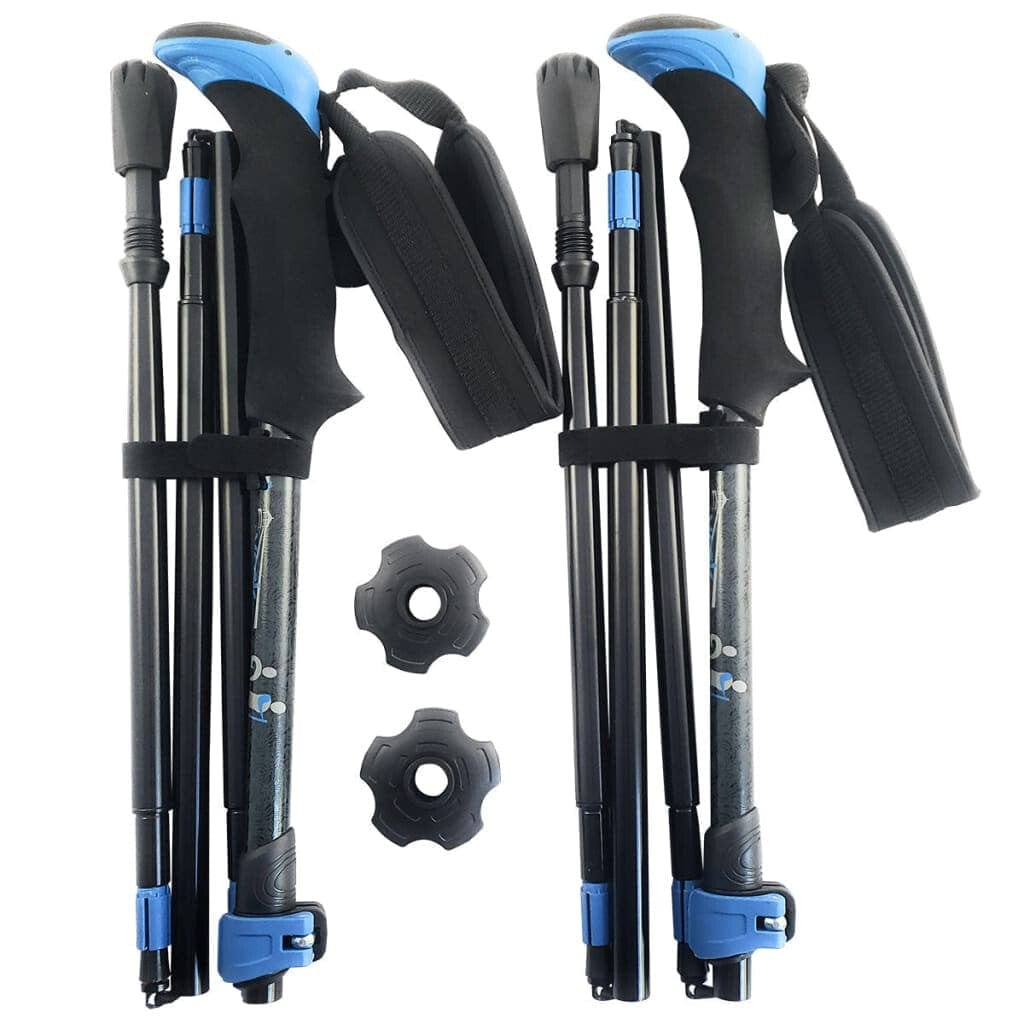
Walking poles are lightweight, adjustable, and collapsible, making them considerably easier to carry and store. York Nordic Walking Poles can also be taken along in their included travel bag, making them convenient for trips, errands, walks, and vacations.
3. Use Both Sides of Your Body
One of the biggest differences is that walking poles are designed to be used as a pair.
Using two poles can provide support on both sides while also encouraging movement through the arms and shoulders. Rather than simply helping you get from point A to point B, walking poles can become part of your walking routine.
4. Confidence on Different Surfaces
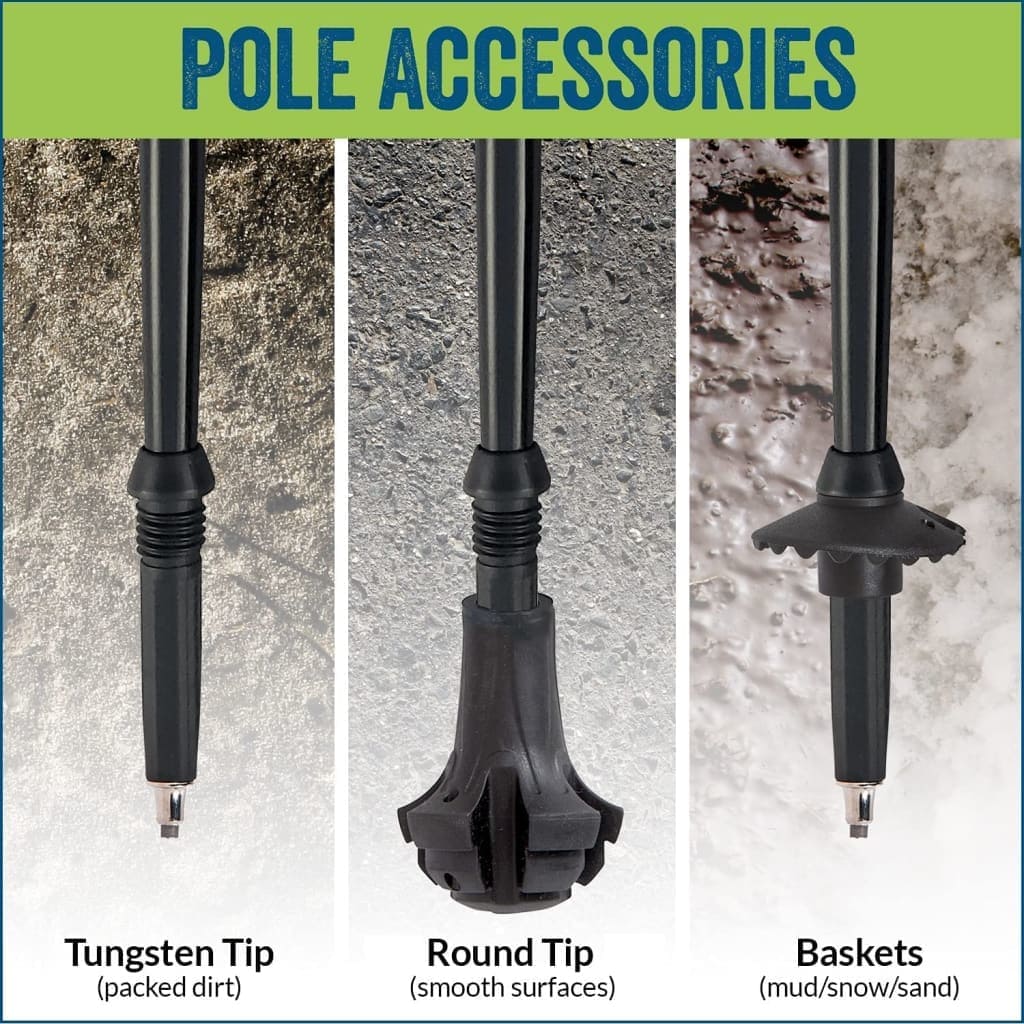
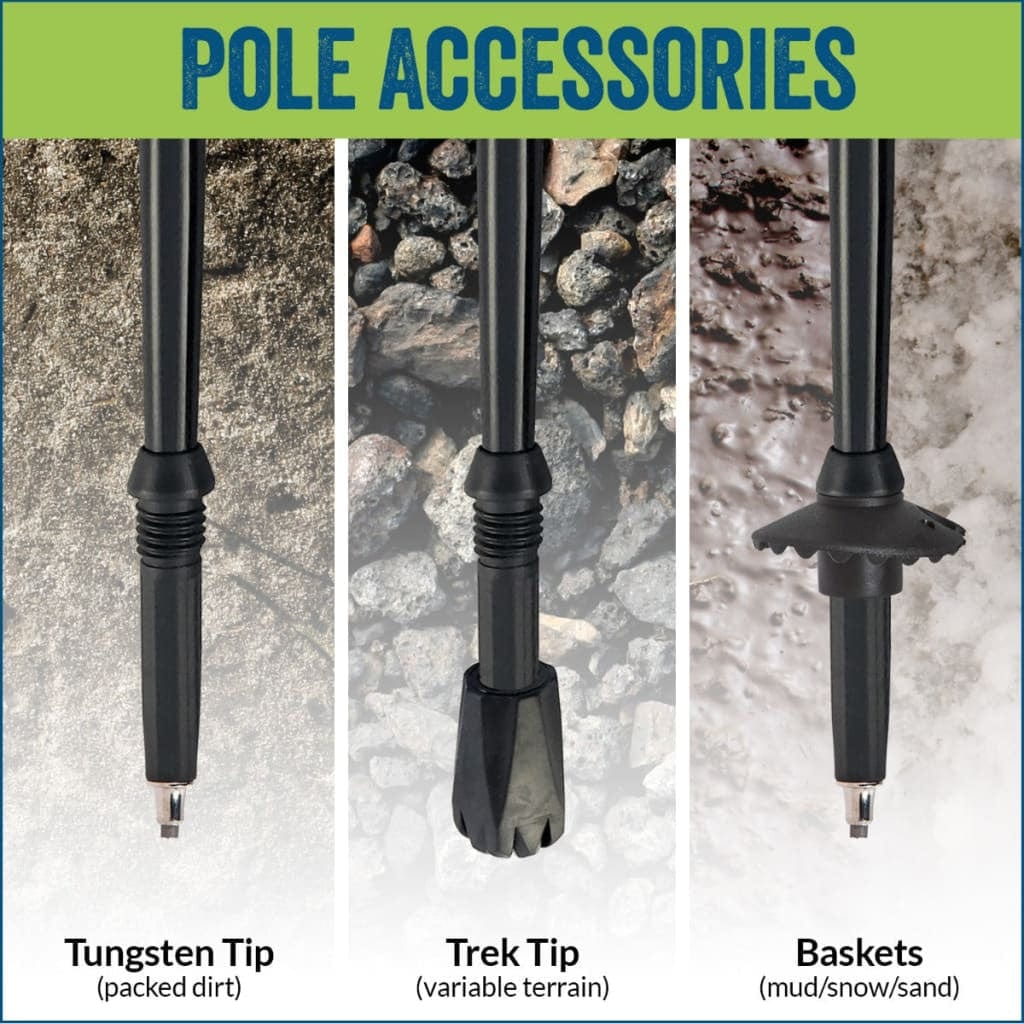
Once you begin venturing farther from home, you may encounter grass, gravel, uneven sidewalks, trails, or other surfaces where an additional point of contact can be reassuring.
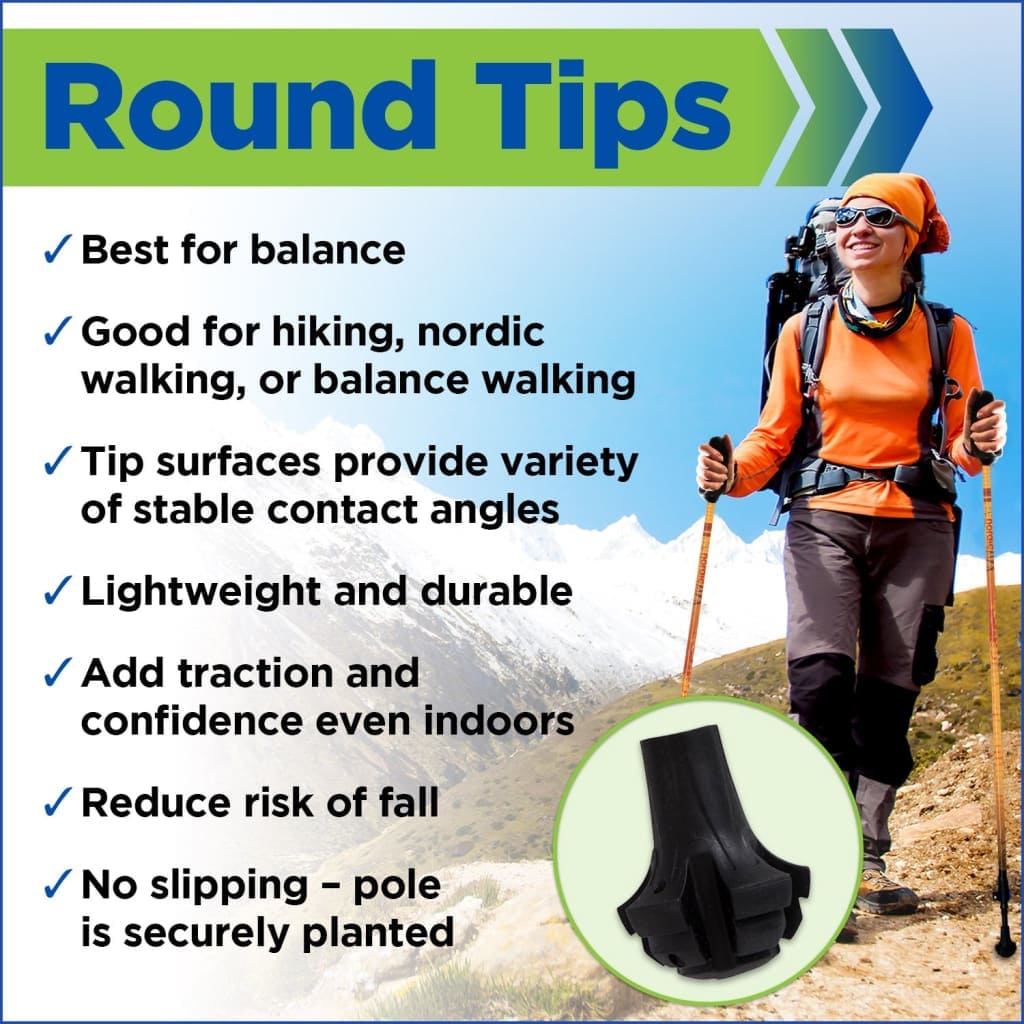
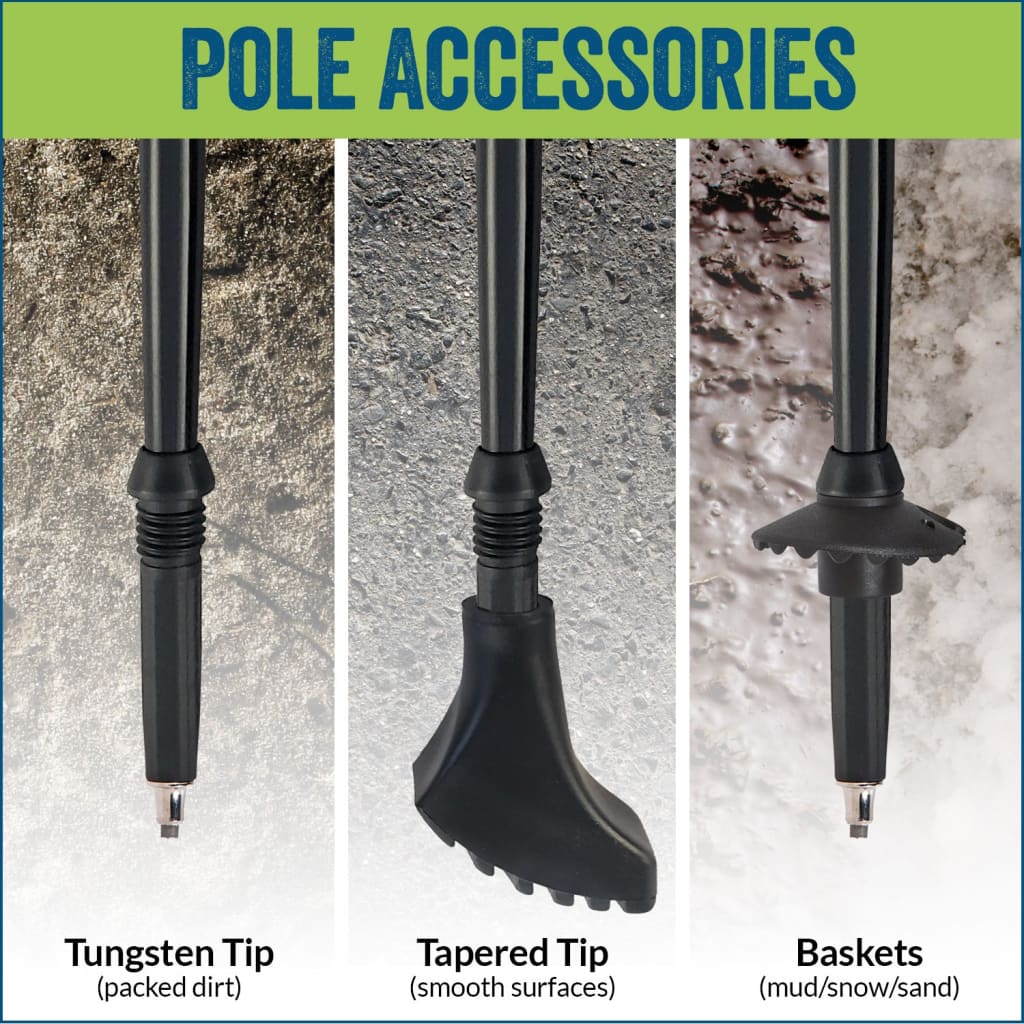
Walking poles provide two additional points of contact with the ground, helping many walkers feel more secure as they explore different environments.
5. They're Designed for Walking
This may sound obvious, but it is an important distinction.
Crutches are mobility aids. Walking poles are walking equipment, though they may also be used as mobility aids.
That difference can have a psychological impact, too.
Moving from crutches to walking poles can feel like moving beyond recovery and toward an active lifestyle again. Instead of thinking about what you can't do, walking poles can help you focus on where you want to go.
The York Nordic Difference
For people transitioning from York Nordic Underarm Spring Cushion Crutches, there is another benefit: you're already familiar with the York Nordic approach to comfort and stability.
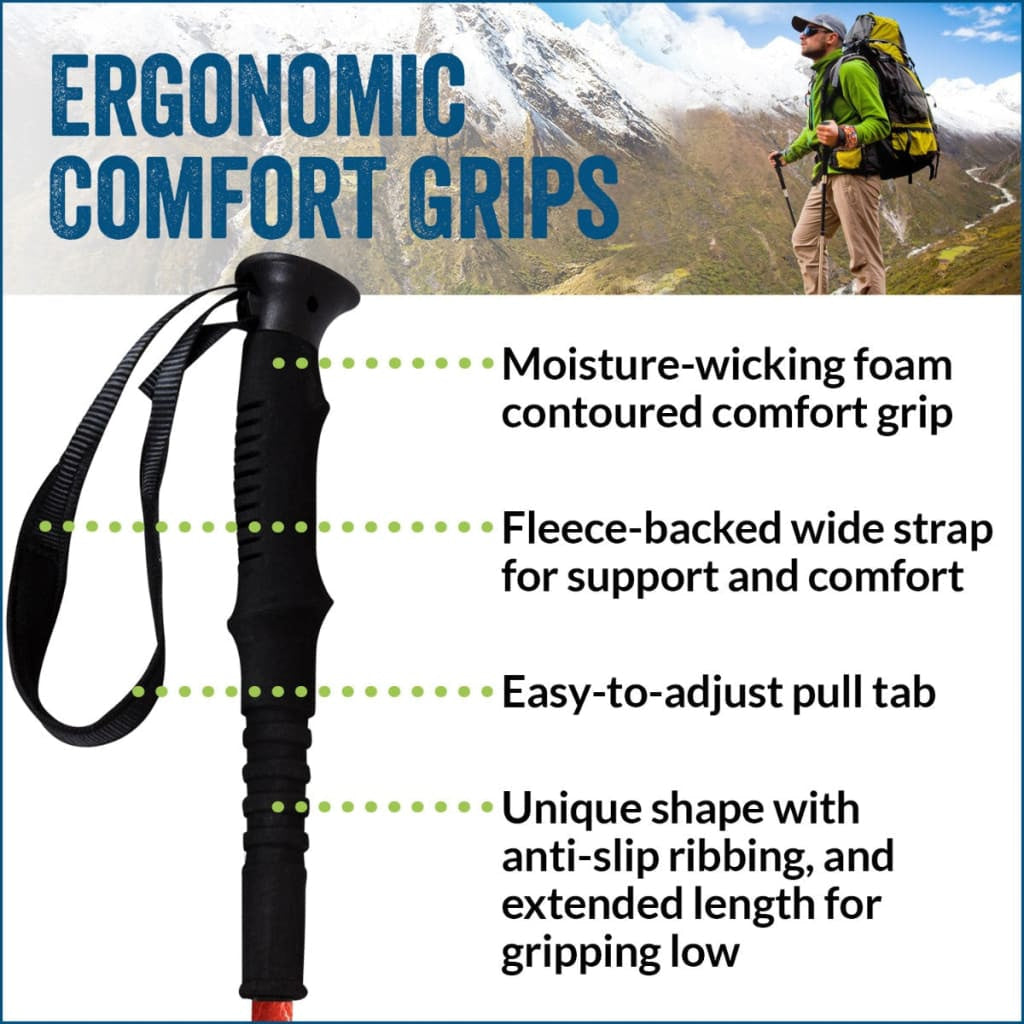
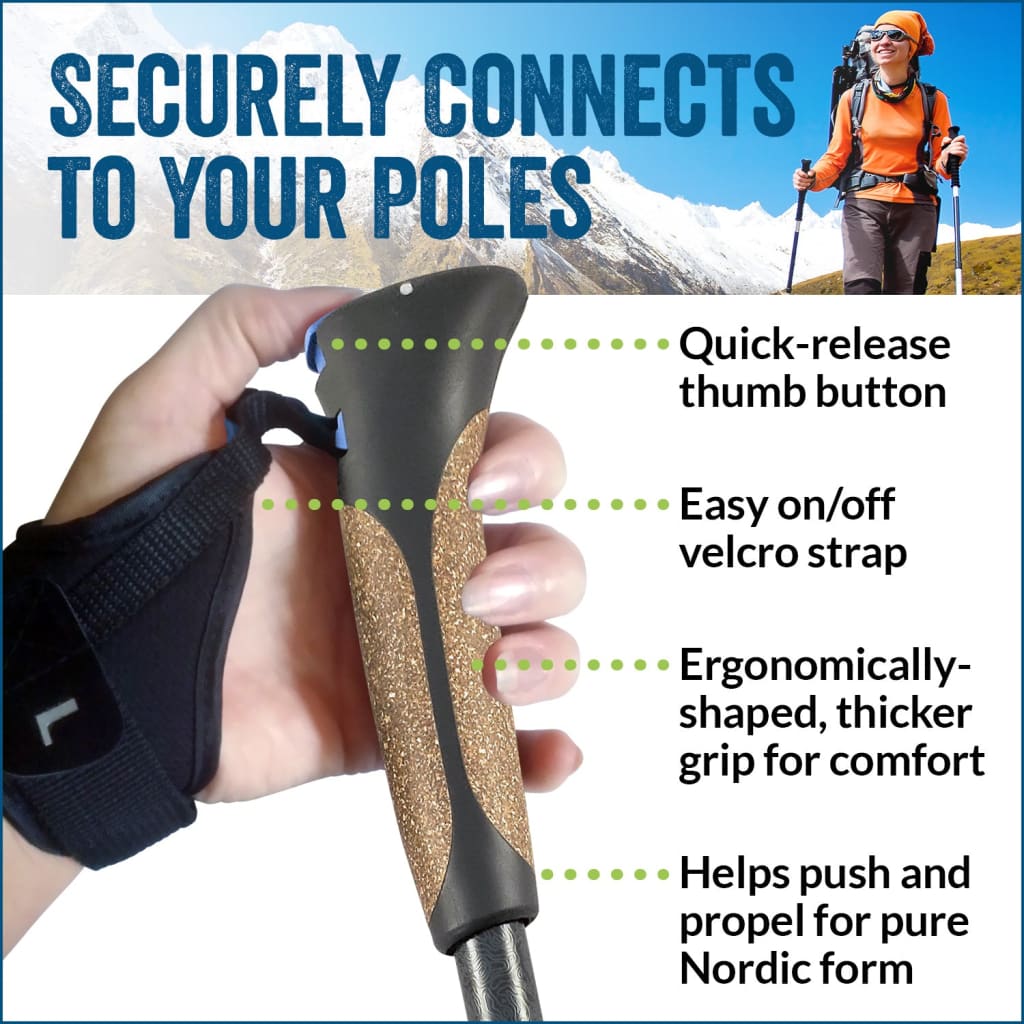
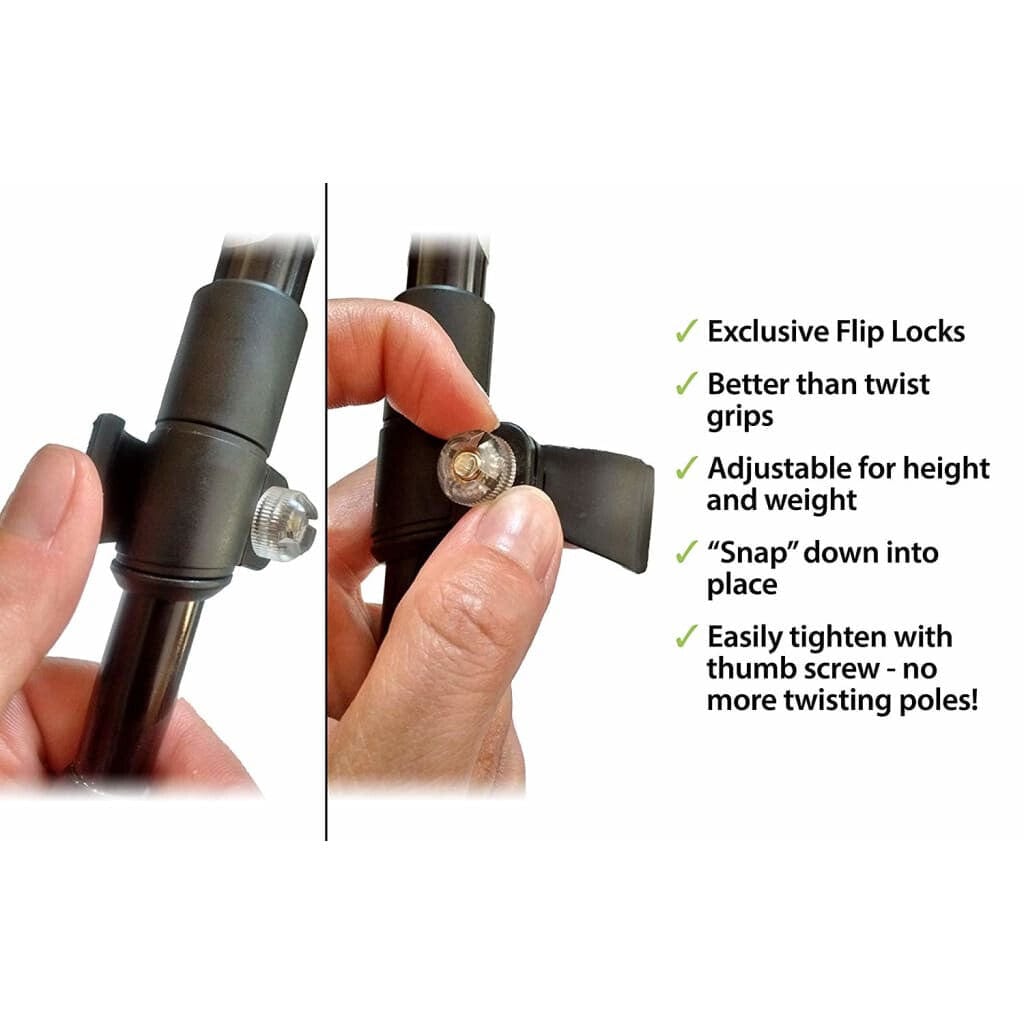
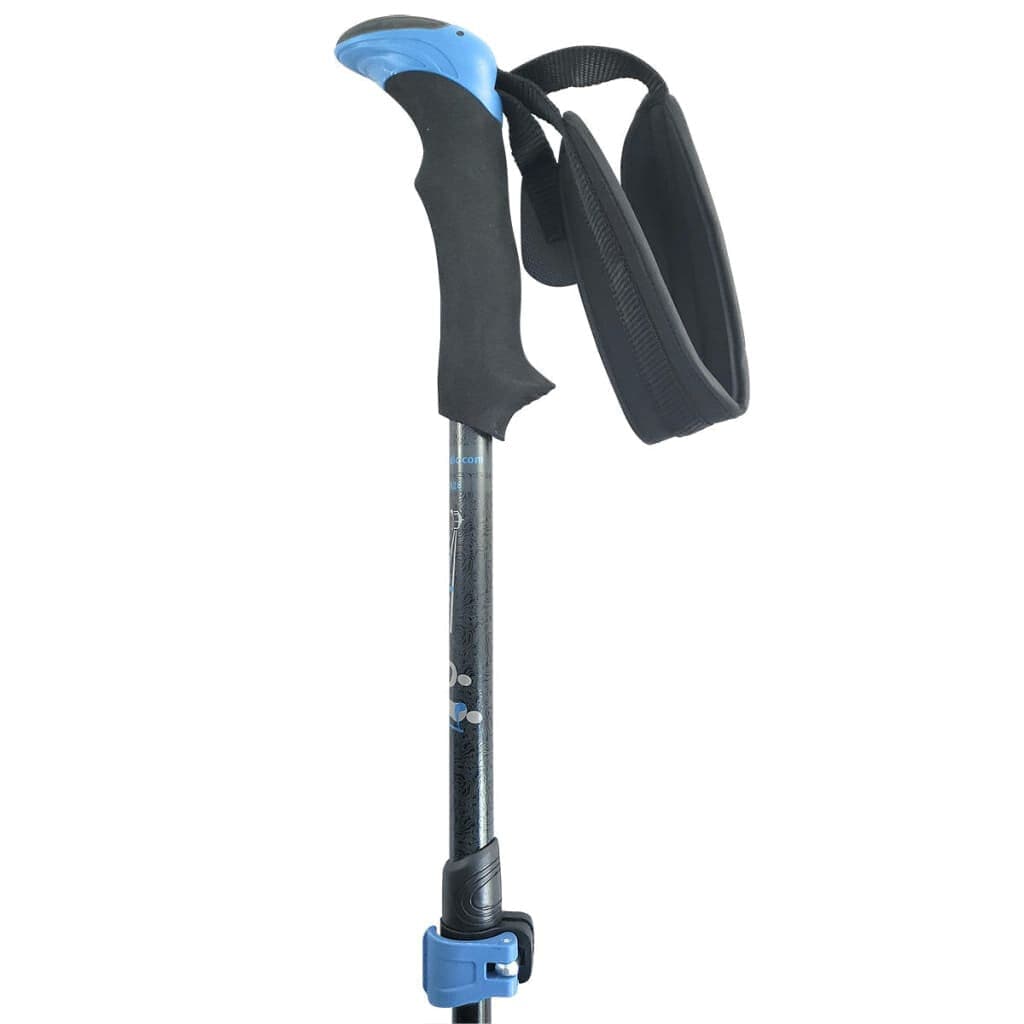
York Nordic Walking Poles feature the company's Motivator Grip, designed to provide a secure, comfortable hand position while walking. The poles are also adjustable, lightweight, and collapsible, making them practical for everyday use.
And unlike crutches, which are typically used when substantial support is required, York Nordic Walking Poles are designed to become part of your active lifestyle.
Take them on a neighborhood walk.
Bring them on vacation.
Use them on a park trail.
Keep them in the car for an afternoon outing.
They can go wherever your next adventure takes you.
Making the Transition
The move from crutches to walking poles shouldn't be about simply trading one device for another overnight.
Your mobility needs should determine when you're ready to make the transition. If you've been using crutches because of an injury, surgery, balance issue, or other medical condition, check with your healthcare professional before reducing the amount of support you use.
When you're ready, start slowly.
Begin with short walks on familiar, relatively even surfaces. Concentrate on maintaining an upright posture and developing a comfortable rhythm with the poles.
As your confidence grows, you can gradually increase your walking distance and explore more varied environments.
The goal isn't to stop using a mobility aid as quickly as possible.
The goal is to find the right level of support for where you are now.
A Different Kind of Independence
There can be an emotional side to leaving crutches behind.
After relying on crutches for weeks or months, they may represent both the challenges you've faced and the progress you've made. Putting them away can feel like an important milestone.
Walking poles offer a different message.
They're not necessarily about recovery anymore.
They're about movement.
They're about getting outside.
They're about taking a walk because you want to—not simply because you need to get somewhere.
And for many people, that's an exciting transition.
Your Next Step Starts Here
York Nordic Underarm Spring Cushion Crutches can provide the support you need when substantial assistance is necessary. But when your mobility improves and you're ready for a more active form of support, York Nordic Walking Poles may be the next step.
From support to stability.
From recovery to activity.
From crutches to walking poles.
Your next chapter may be just a walk away.