















































































Virtual Walking Challenge: Motivating Movement Through Mindset
Motivation Mindset Labs · Walking & Motivation Research
Virtual Walking Challenge: Motivating Movement Through Mindset
Exploring how scenic virtual journeys, personalized goals, and motivational support can encourage healthy exercise, sustained engagement, and well-being.
The 30-Day Virtual Walking Challenge
Participants walked in their own communities while following inspiring virtual routes, tracking their progress toward personalized walking goals, and receiving motivational messages. Journeys featured Mount Washington, the Grand Canyon, Mount Kilimanjaro, and Cinque Terre. The program brought together movement, motivation, and a sense of accomplishment without requiring travel to the featured destinations.
How the Challenge Worked: Mindset, Goals & Progress
These original program visuals illustrate the motivation framework and practical tools used to help participants set personal walking goals and follow their virtual journey.
1. The Motivation Mindset Model
The program’s motivation framework.

2. Personal Goals Worksheet
A sample goals worksheet from the November challenge.

3. Kilimanjaro Goal-Tracking Map
A visual progress-tracking map for the virtual Kilimanjaro journey.

4. Celebrating the Journey: Inca Trail
An example of a final-day celebration message from the Inca Trail virtual walking journey, illustrating how the program recognizes participants' progress and accomplishments.

Select any image to view the original at full size.
November 2025: Research at a Glance
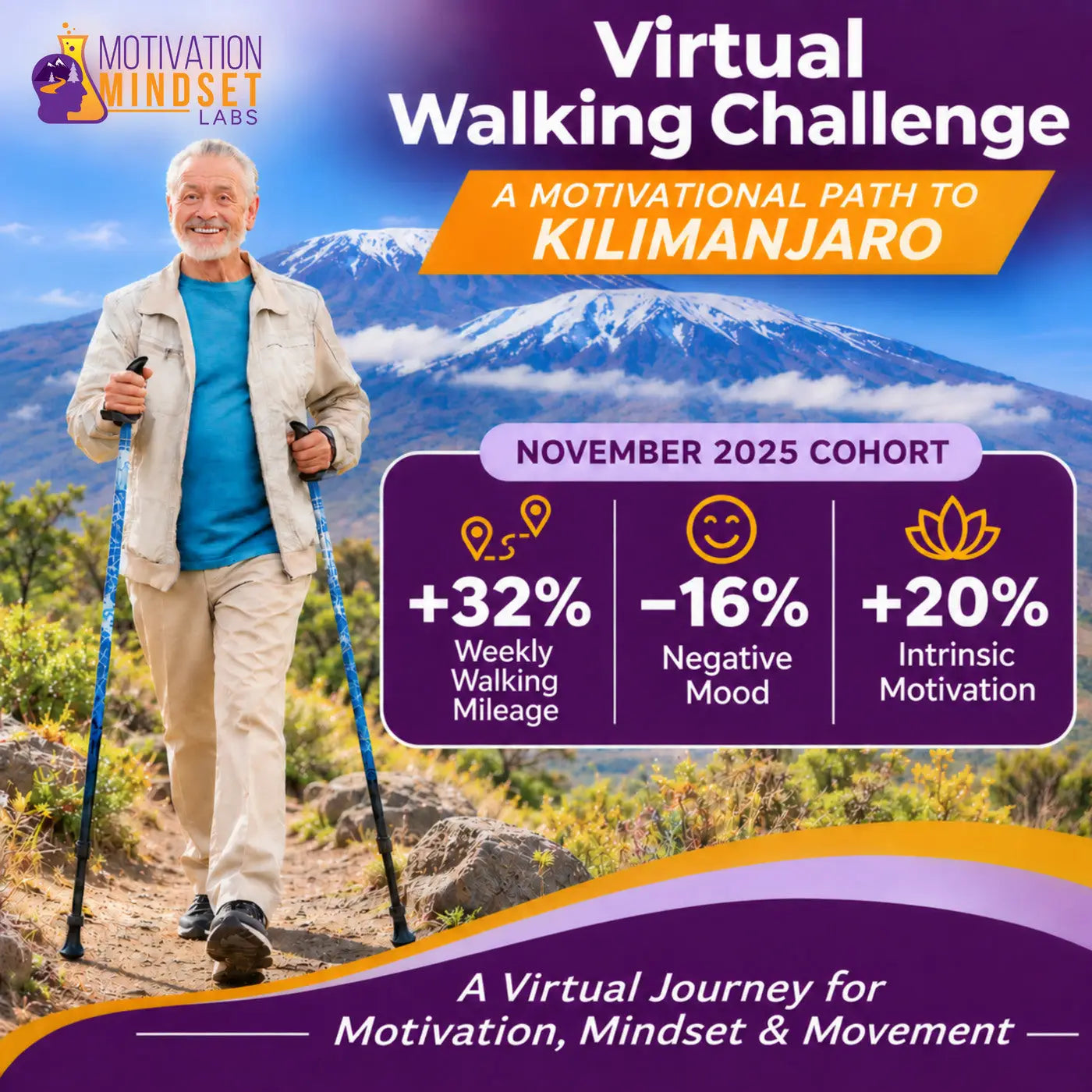
The featured impact card summarizes descriptive findings reported for the November 2025 cohort.
Weekly walking mileage
Negative mood
Intrinsic motivation
These changes describe the November cohort; they are not pooled results across all cohorts and do not establish causation.
Explore the Three Walking Cohorts
The program was evaluated across separate September 2025, November 2025, and January 2026 cohorts. Each report provides its own methods and findings. The November figures above should not be interpreted as combined results.
A Related Parkinson’s Walking Initiative
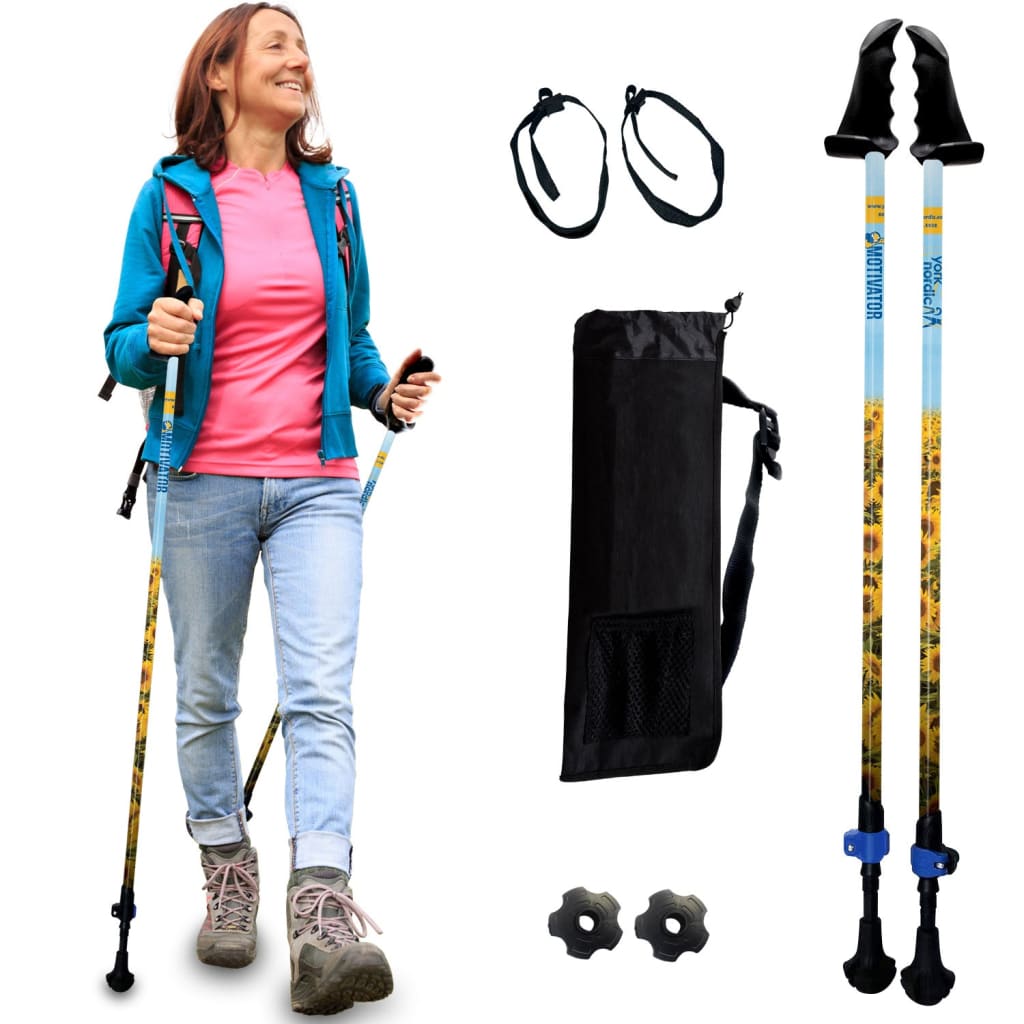
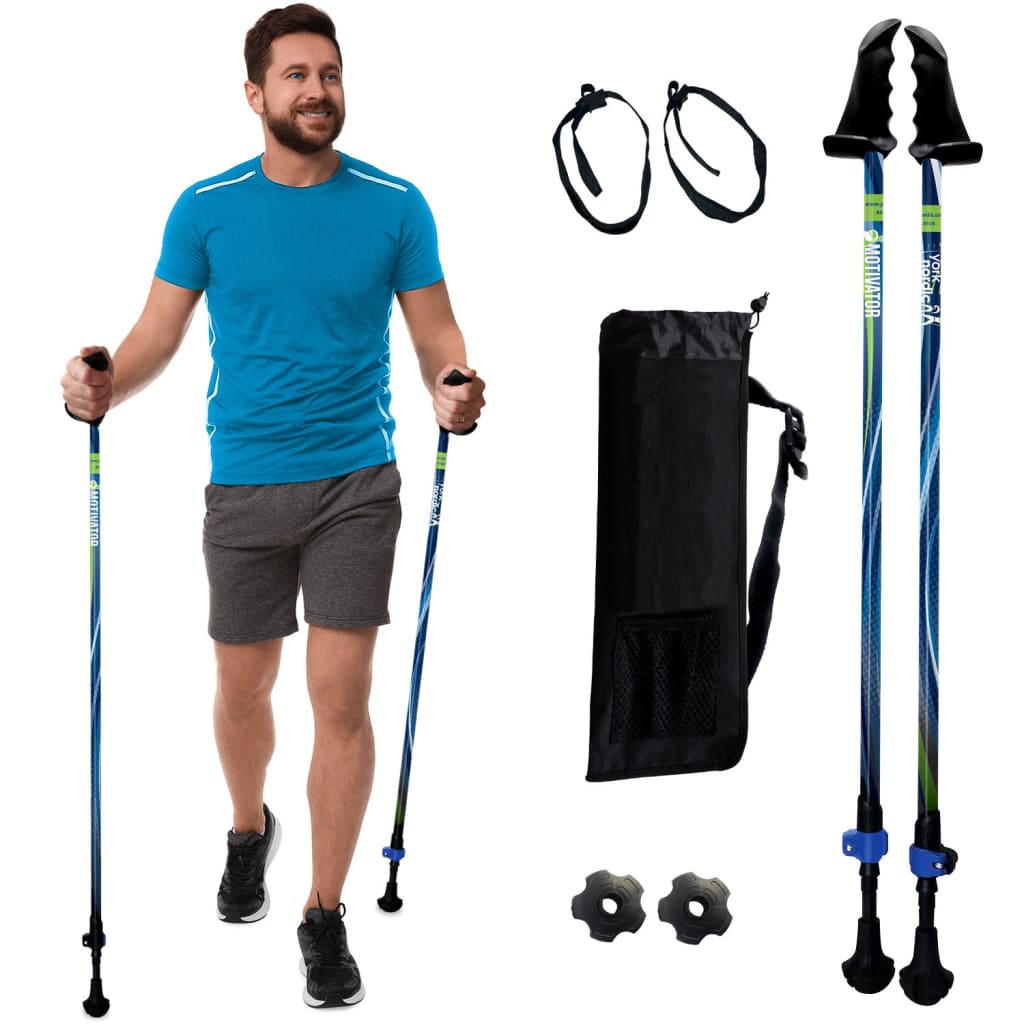
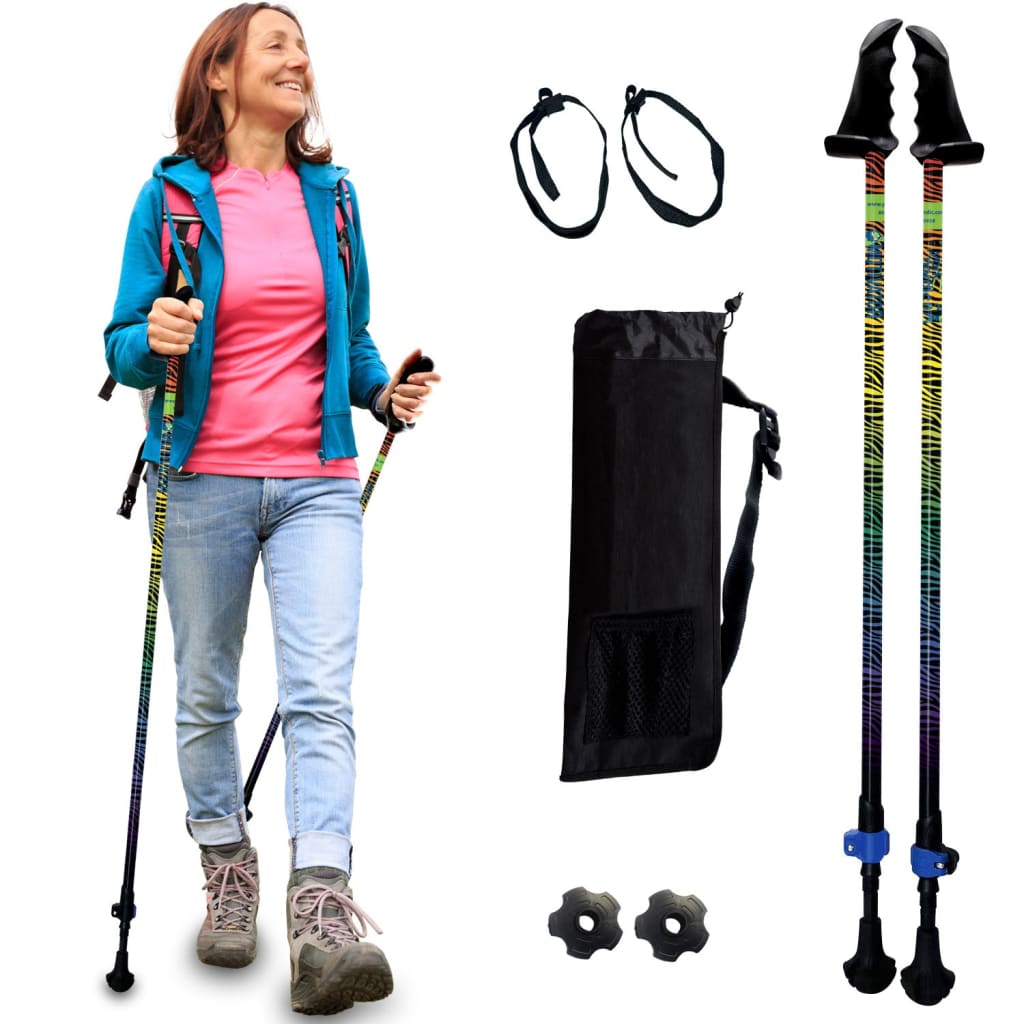
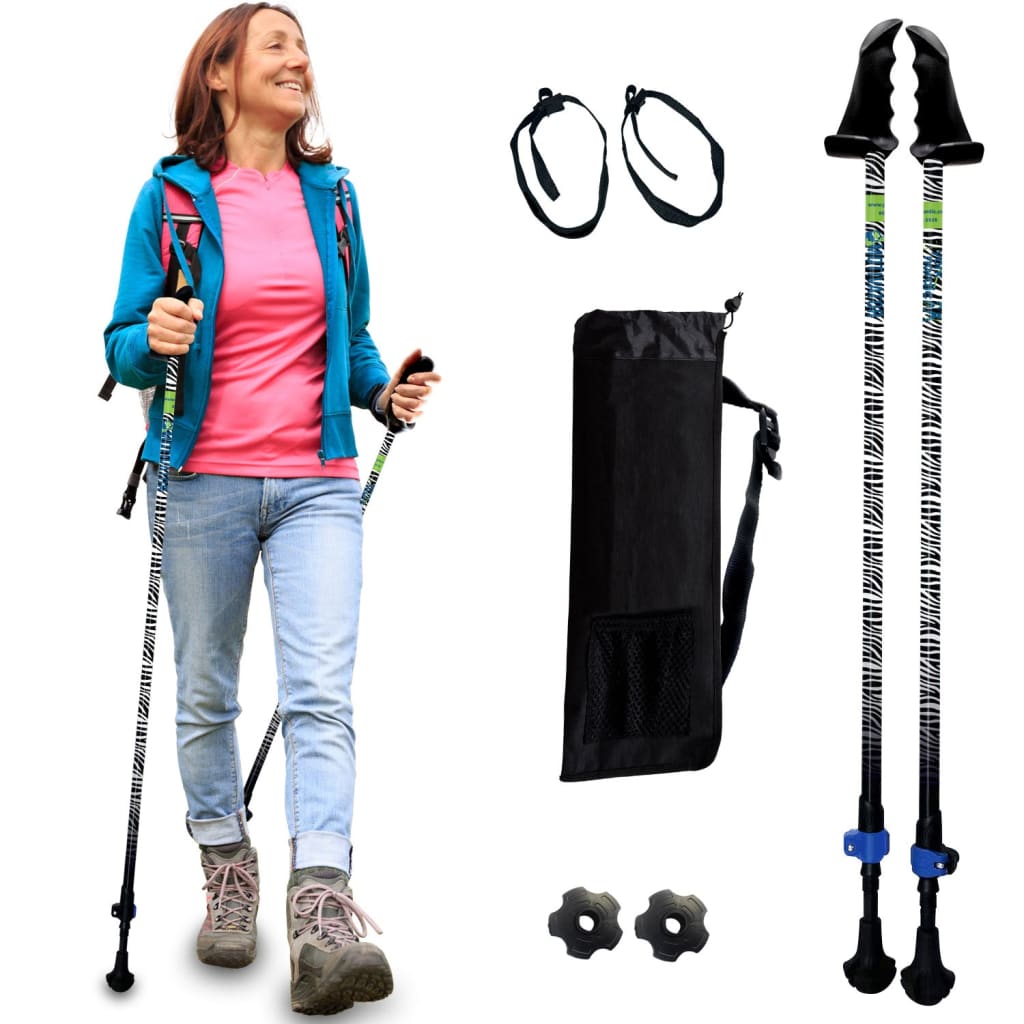
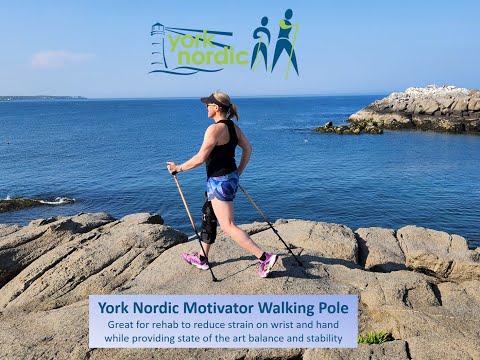
Motivation Mindset Labs has also explored virtual Nordic walking for individuals living with Parkinson’s disease. This related program focused on walking consistency, mood, and motivation. Its participants and findings should not be conflated with the November 2025 cohort highlighted above.
What These Findings Mean
These program evaluations explore a practical question: can combining an achievable walking routine with meaningful goals, scenic virtual destinations, and motivational support help people stay engaged in healthy exercise? The reported changes are encouraging, but observational before-and-after findings should be interpreted cautiously. Detailed measurement and participant information are available in the linked cohort reports.
Motivated Movement. Healthy Aging.
Our goal is to make physical activity feel purposeful, achievable, and rewarding—one walk at a time.


