














Nordic Walking News and Updates
Tips for Loosening Your Grip: How to Hold Your Walking Poles Without Holding On Too Tight
Walking poles are designed to help you move with greater stability, confidence, and comfort. But there's one common mistake that can make walking with poles harder than it needs to be: gripping them too tightly.
If your hands feel tired, your fingers ache, or your forearms become tense after a walk, you may be holding your poles tighter than necessary.
The good news? A few simple adjustments can help you relax your grip, improve your walking rhythm, and get more enjoyment out of every step.
Why You Shouldn't Grip Your Walking Poles Too Tightly
It's natural to hold on firmly when you're trying something new, especially if you're using walking poles for extra support. But a death grip can create unnecessary tension in your hands, wrists, and forearms.
Gripping too hard may also make your arms feel fatigued more quickly and interfere with the natural rhythm of your walking motion.
The goal isn't to let go of your poles. It's to hold them securely without squeezing them constantly.
5 Tips for Loosening Your Grip on Walking Poles
1. Think "Relaxed Hands," Not "Firm Grip"
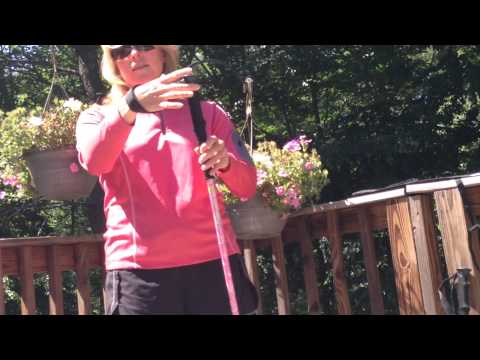
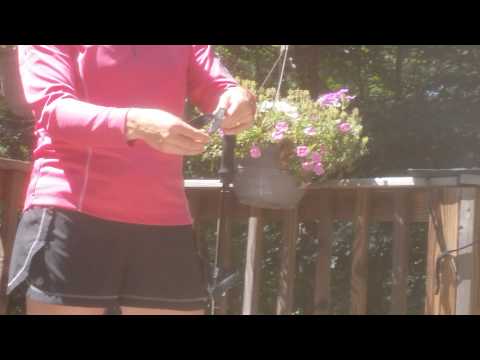
Start by paying attention to how your hands feel while you walk. Your fingers should wrap comfortably around the grips without squeezing them as hard as possible. Keep your wrists relaxed and avoid clenching your fingers with every step.
Try this simple check: If you can feel your knuckles tightening or notice tension spreading into your forearms, consciously soften your grip.
Remember: secure doesn't have to mean tight.
2. Do a Quick Grip Check Every Few Minutes
When you're concentrating on your walking technique, it's easy to tense up without realizing it.
Make it a habit to check in with your hands every few minutes. Ask yourself:
-
Are my fingers squeezing the grips?
-
Are my wrists stiff?
-
Are my shoulders creeping up toward my ears?
-
Am I holding my breath or clenching my jaw?
If the answer is yes, take a moment to relax your hands, drop your shoulders, and resume walking at a comfortable pace. These small reminders can help prevent tension from building throughout your walk.
3. Let Your Arms Move Naturally
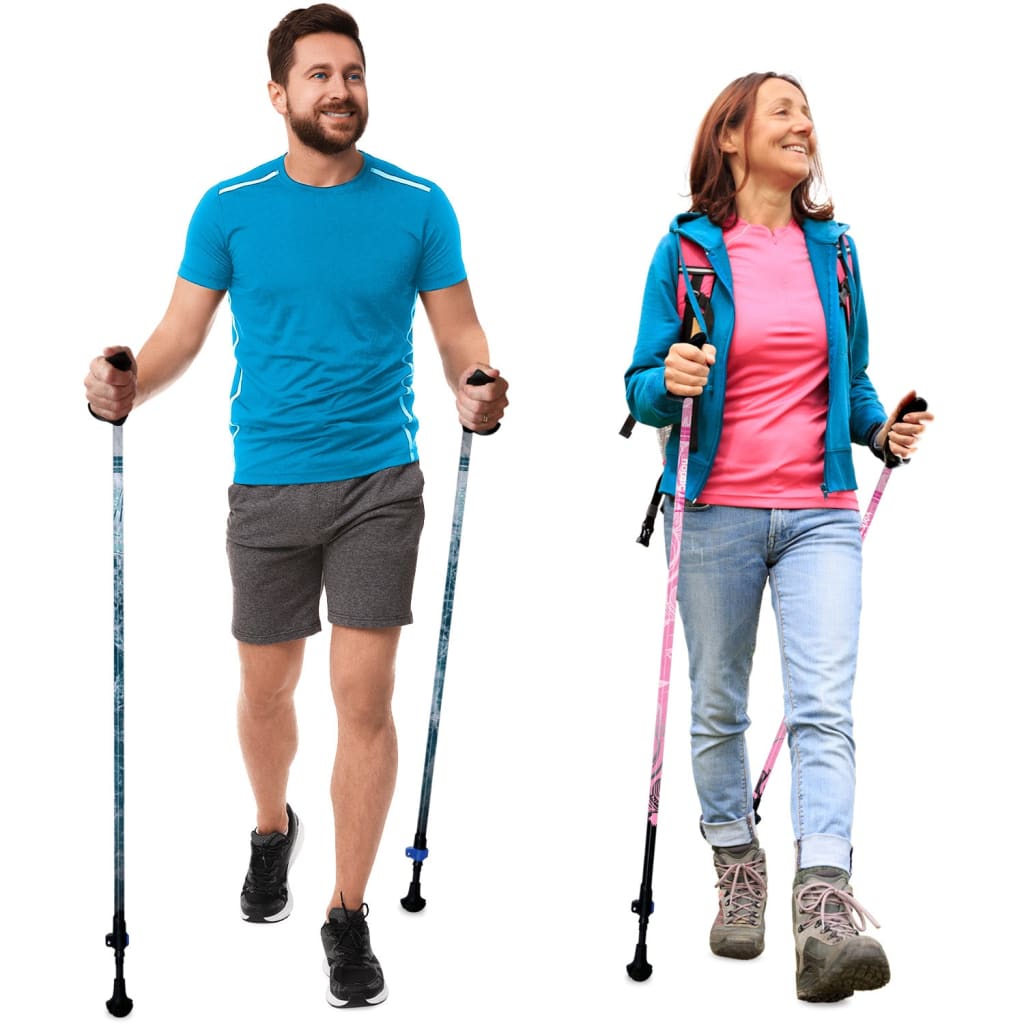
Walking poles work best when they complement your natural walking rhythm. Rather than keeping your hands rigid and your elbows locked, allow your arms to swing comfortably as you walk. Keep your elbows slightly bent and your shoulders relaxed.
A smoother, more natural arm motion can help you avoid gripping the poles as if you need to control every movement. If you're new to walking poles, start slowly on level ground while you get comfortable with the motion.
4. Make Sure Your Poles Fit Properly
Sometimes, a tight grip isn't just a habit. It can be a sign that your poles don't feel comfortable or secure in your hands.
Check that:
-
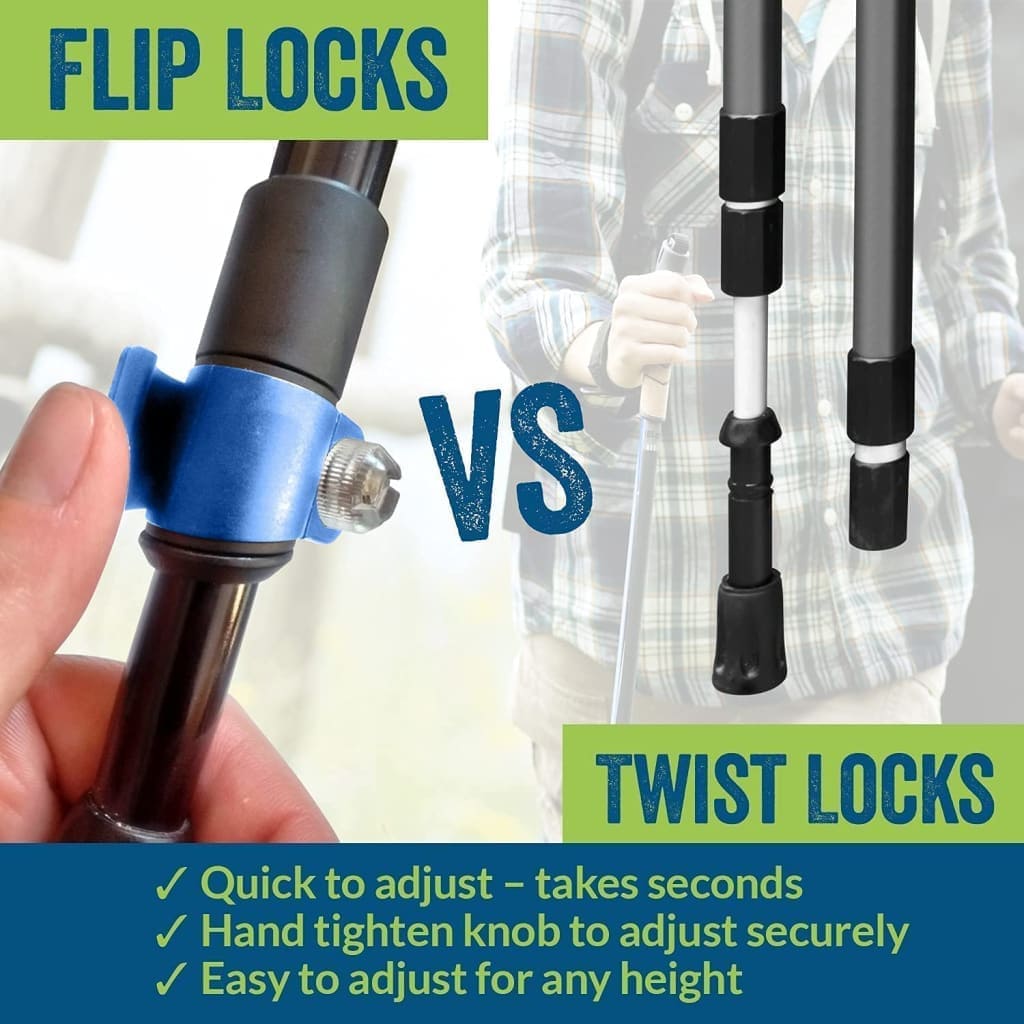
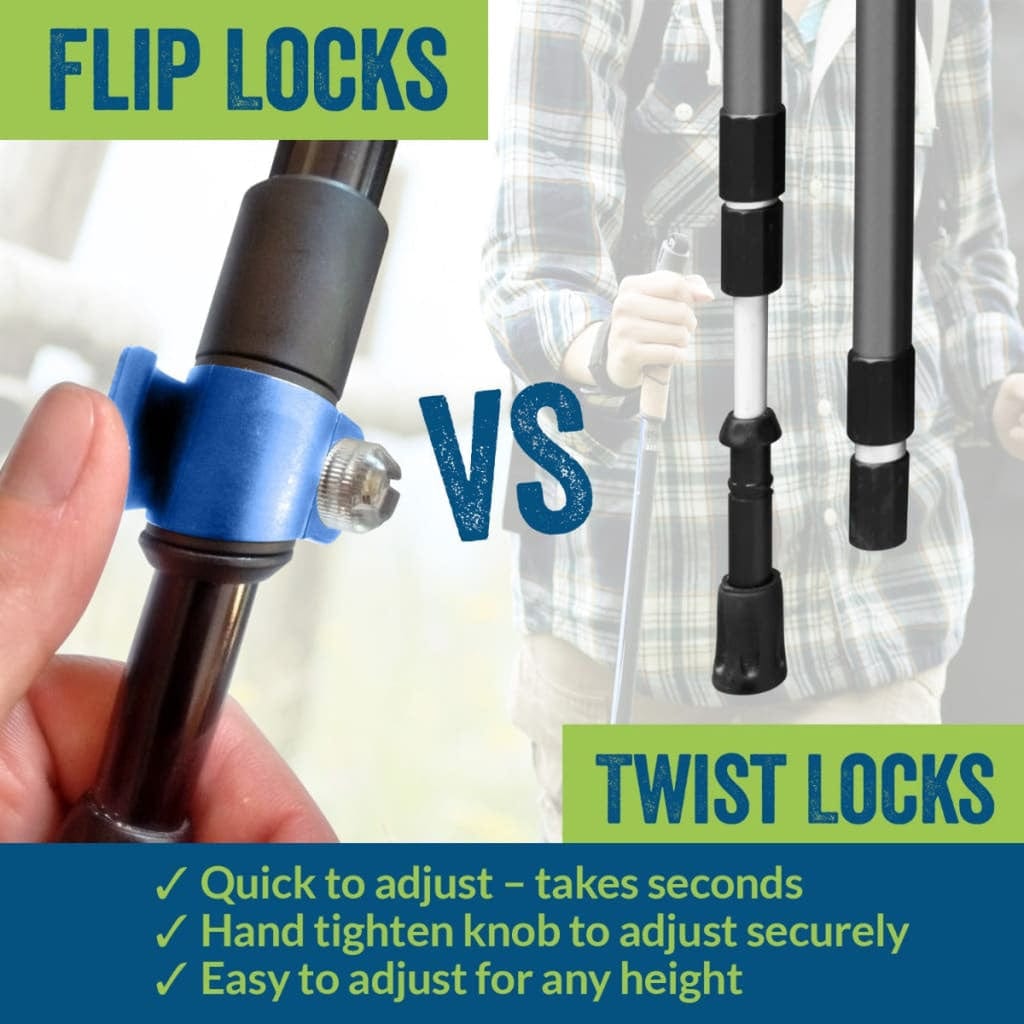
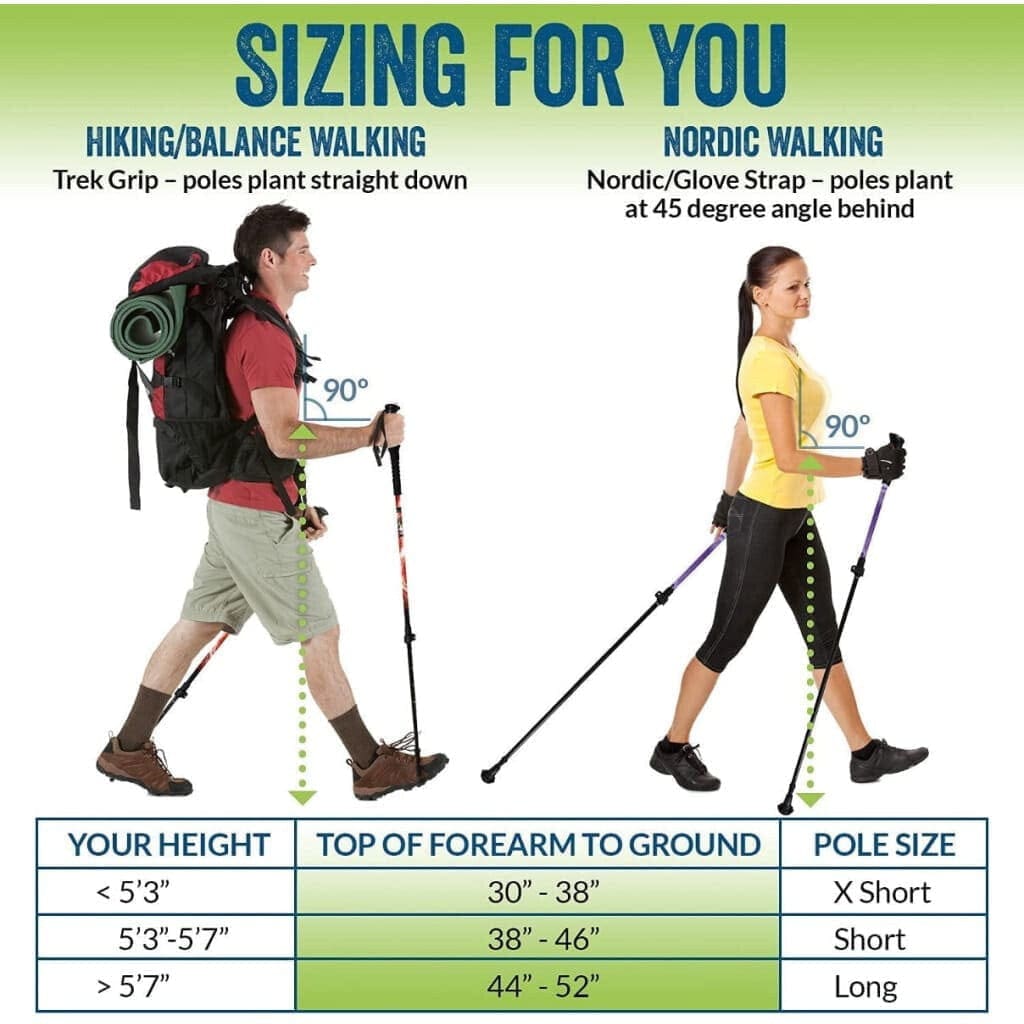
The height is appropriate. Properly adjusted poles should allow a comfortable arm position without forcing you to reach or hunch.
-
The grips feel comfortable. A grip that feels too small, too large, or awkward to hold may encourage unnecessary squeezing.
-
Your hands feel secure. If you're constantly worried about losing control of your poles, you may naturally grip them harder.
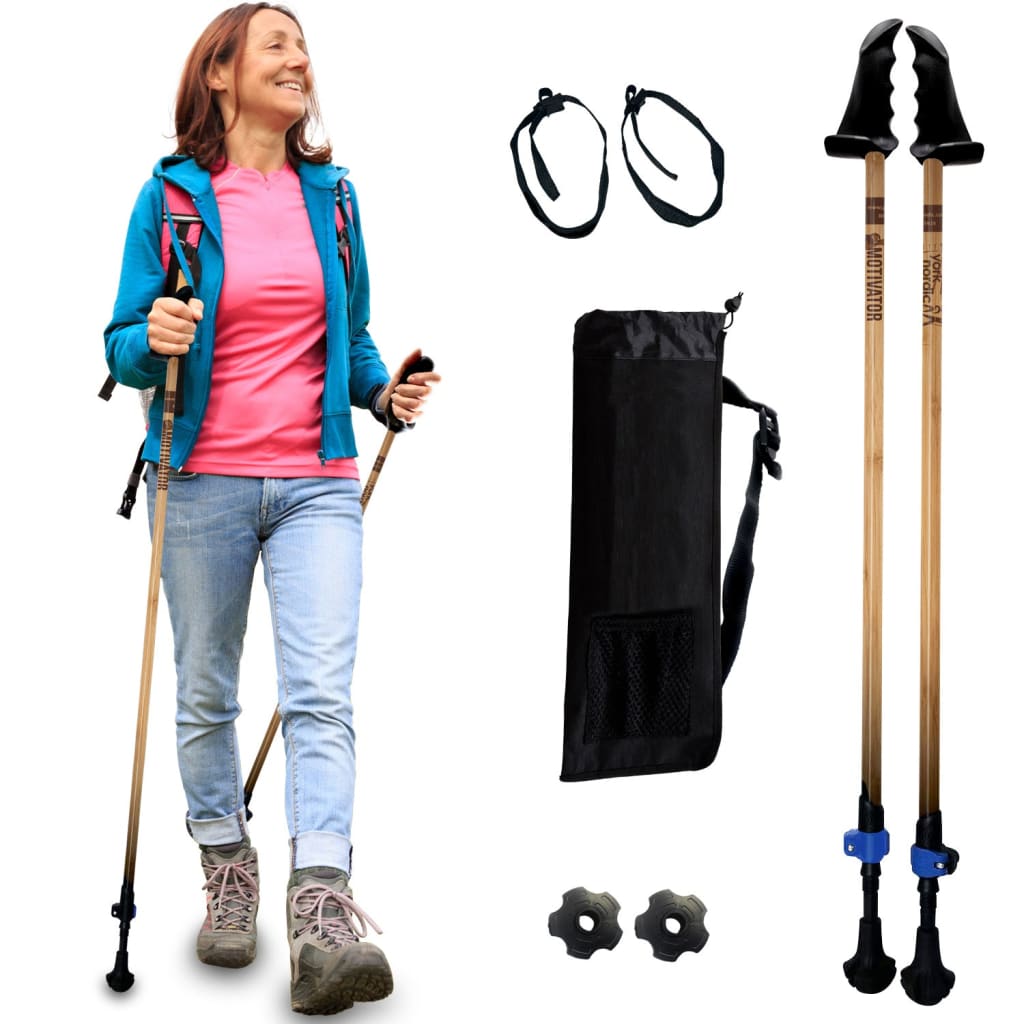
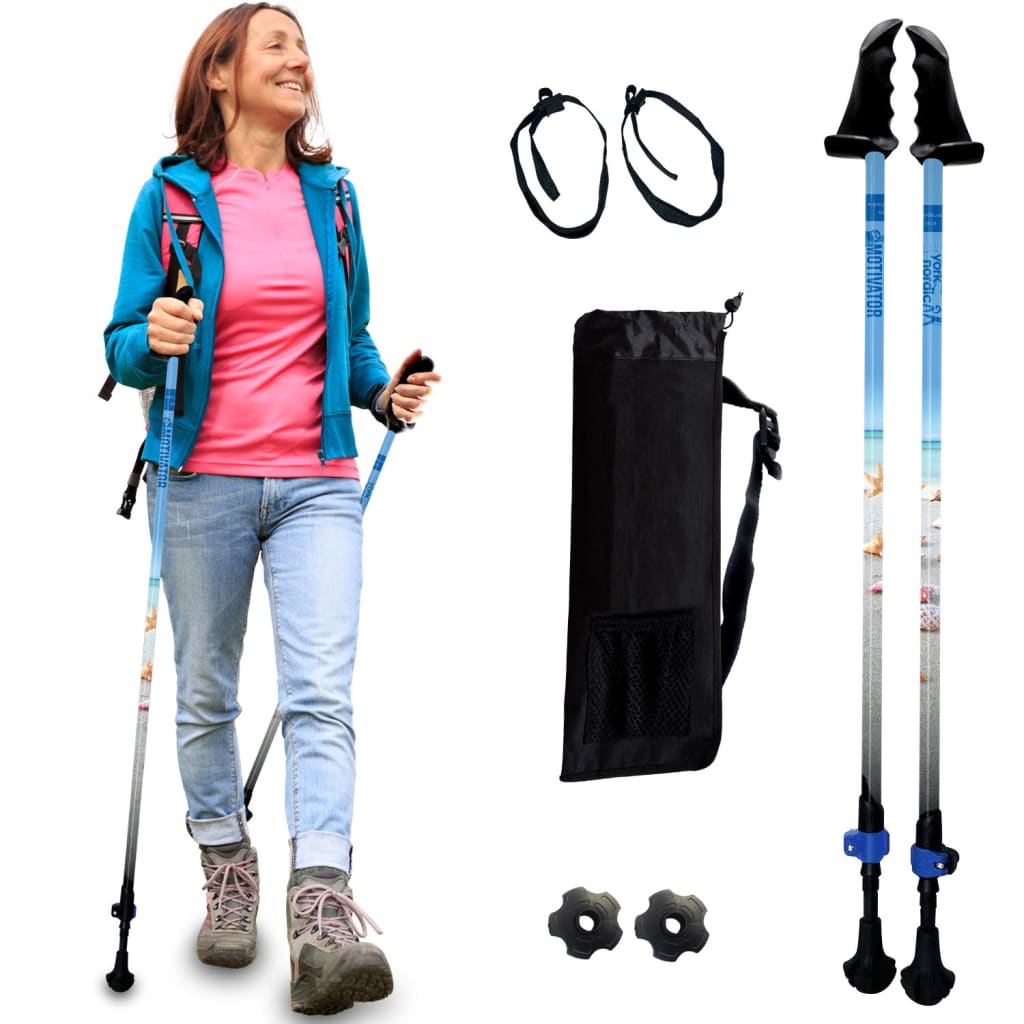
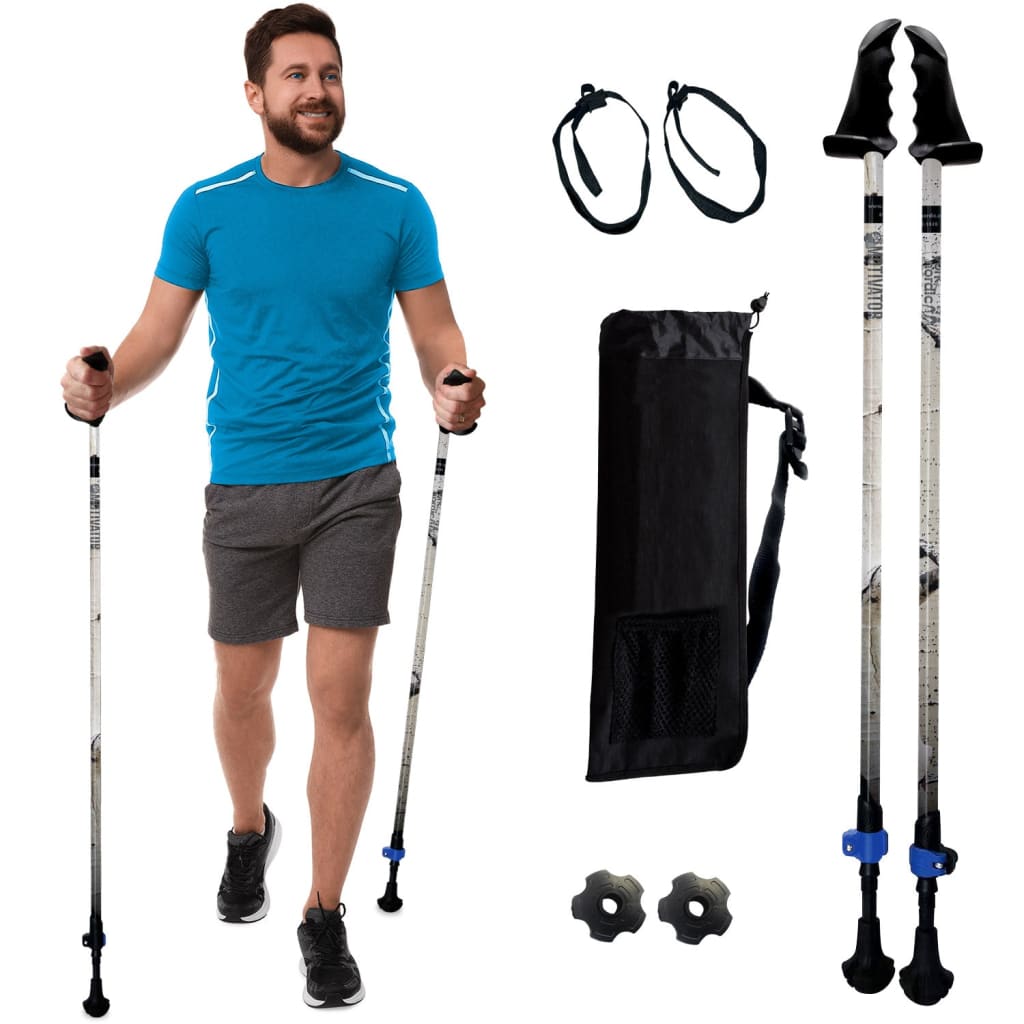
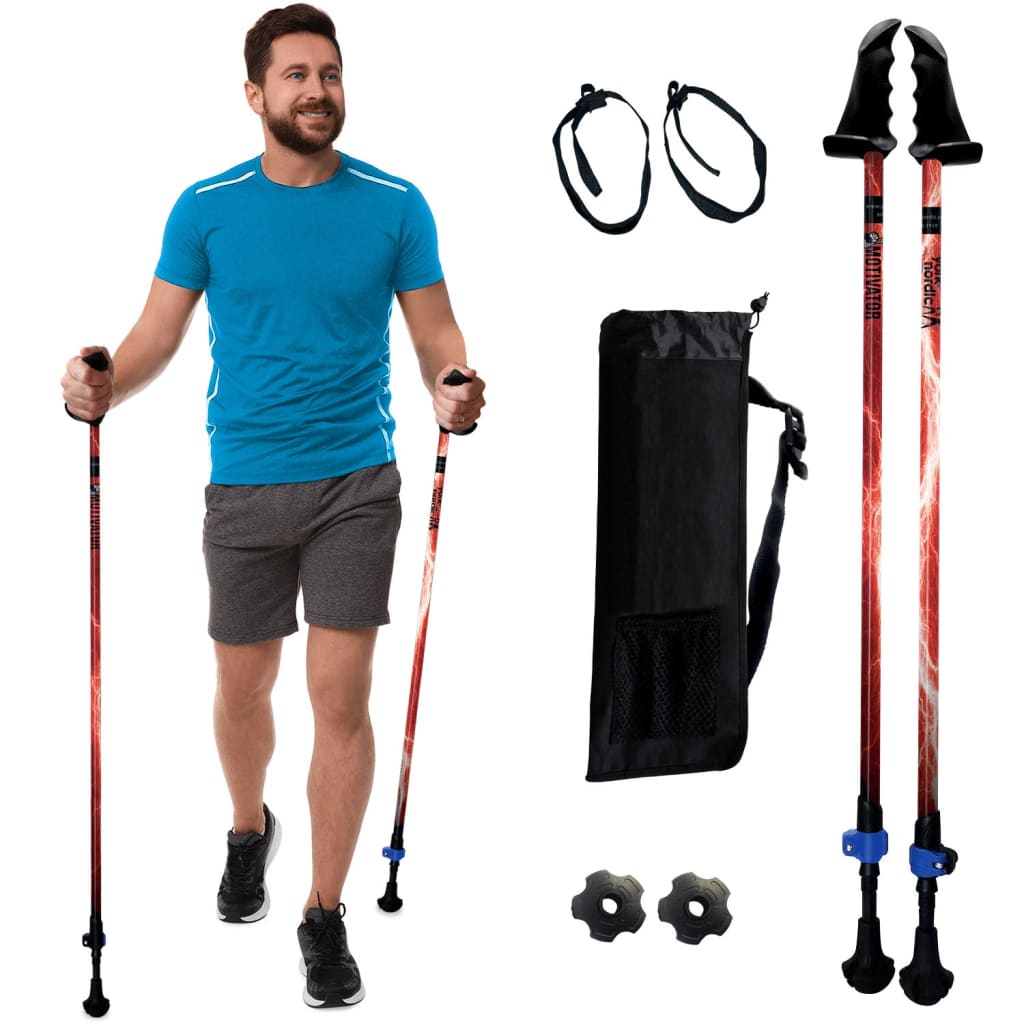
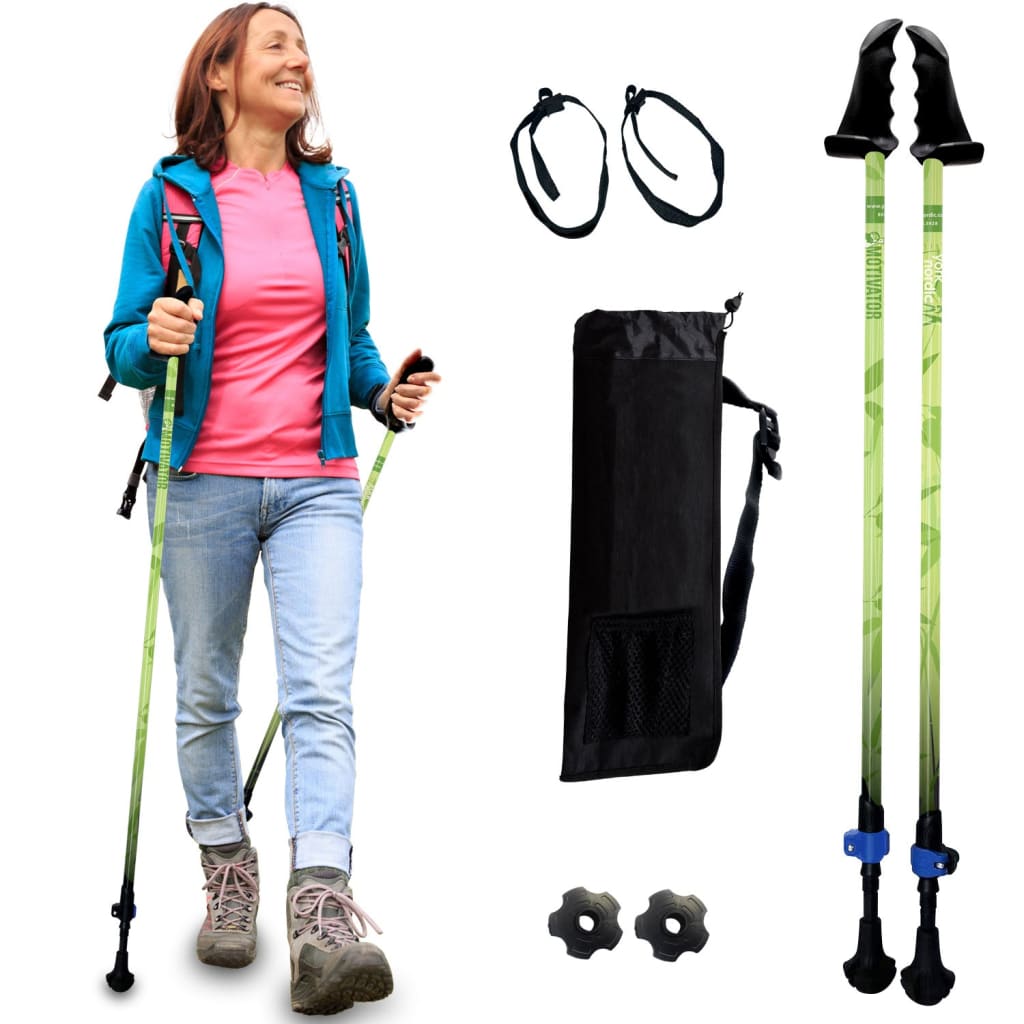
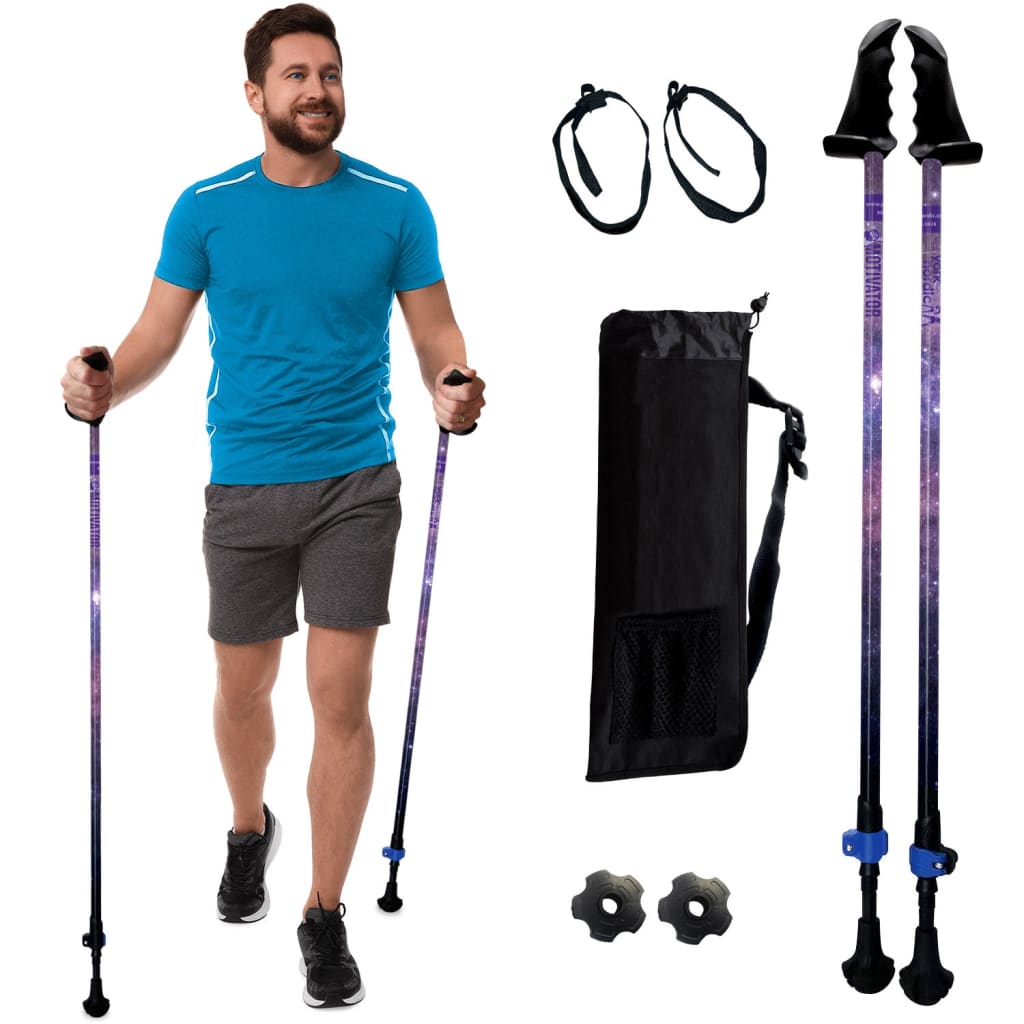
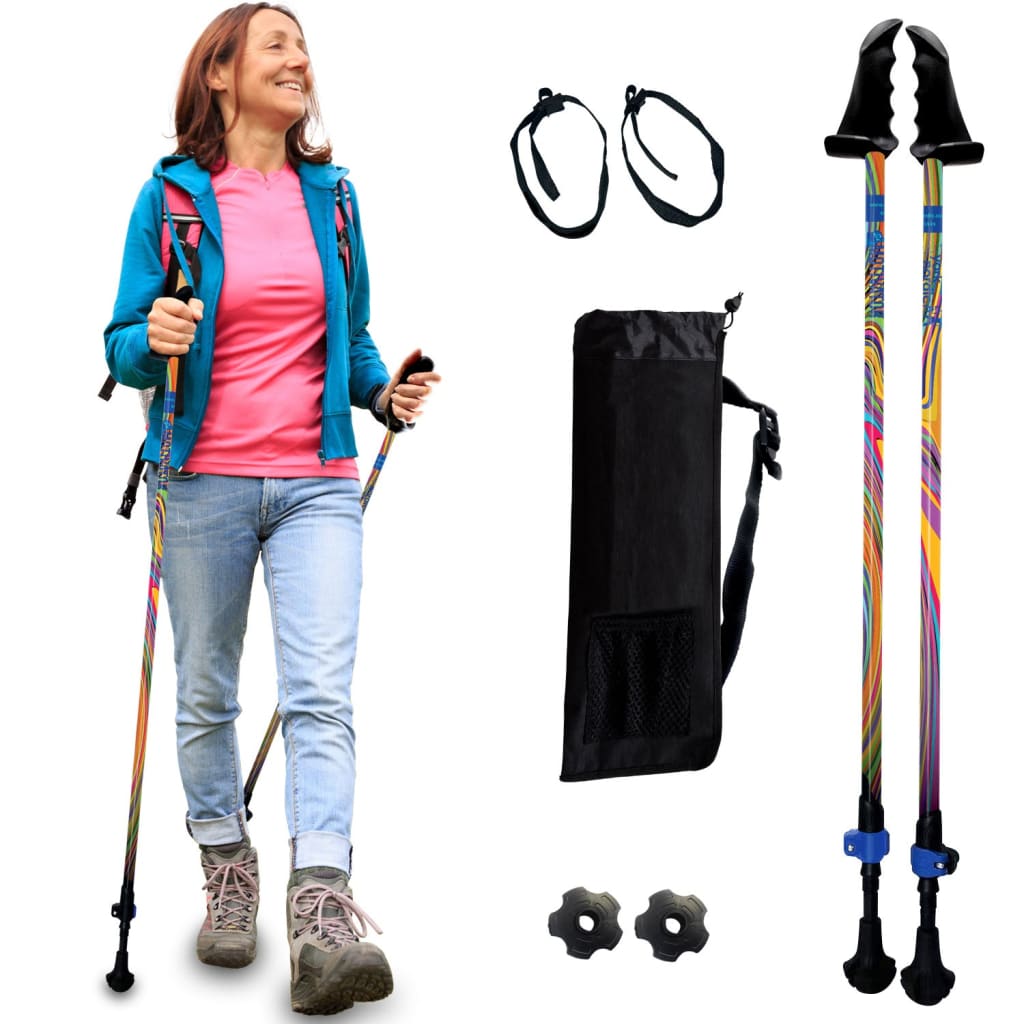
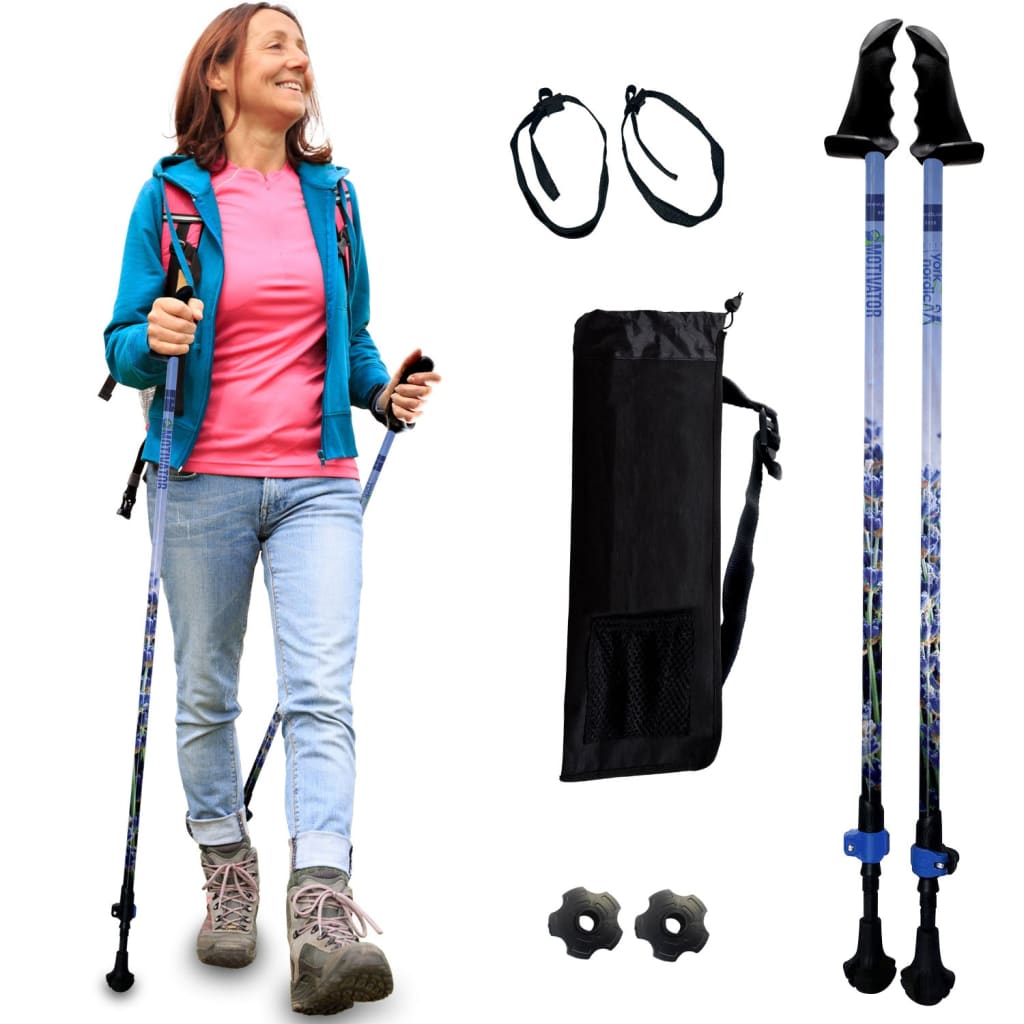
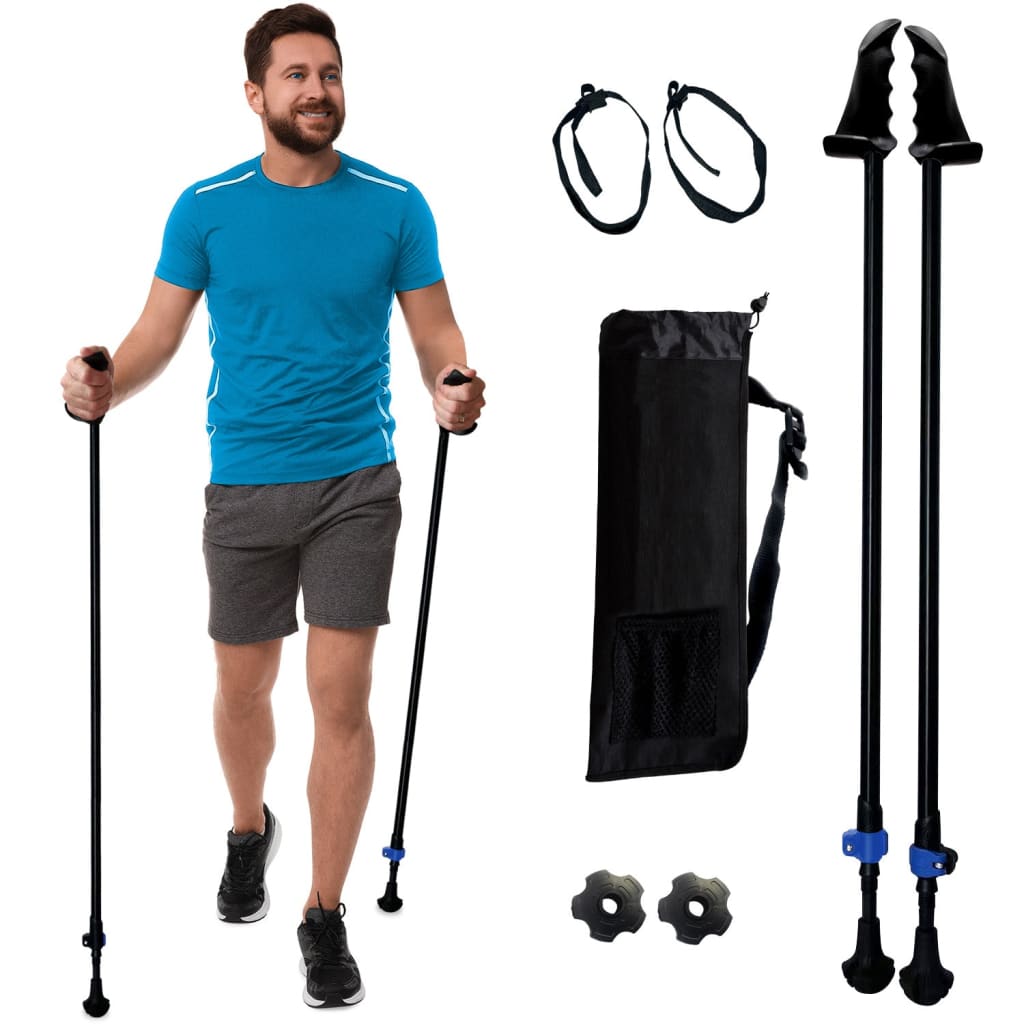
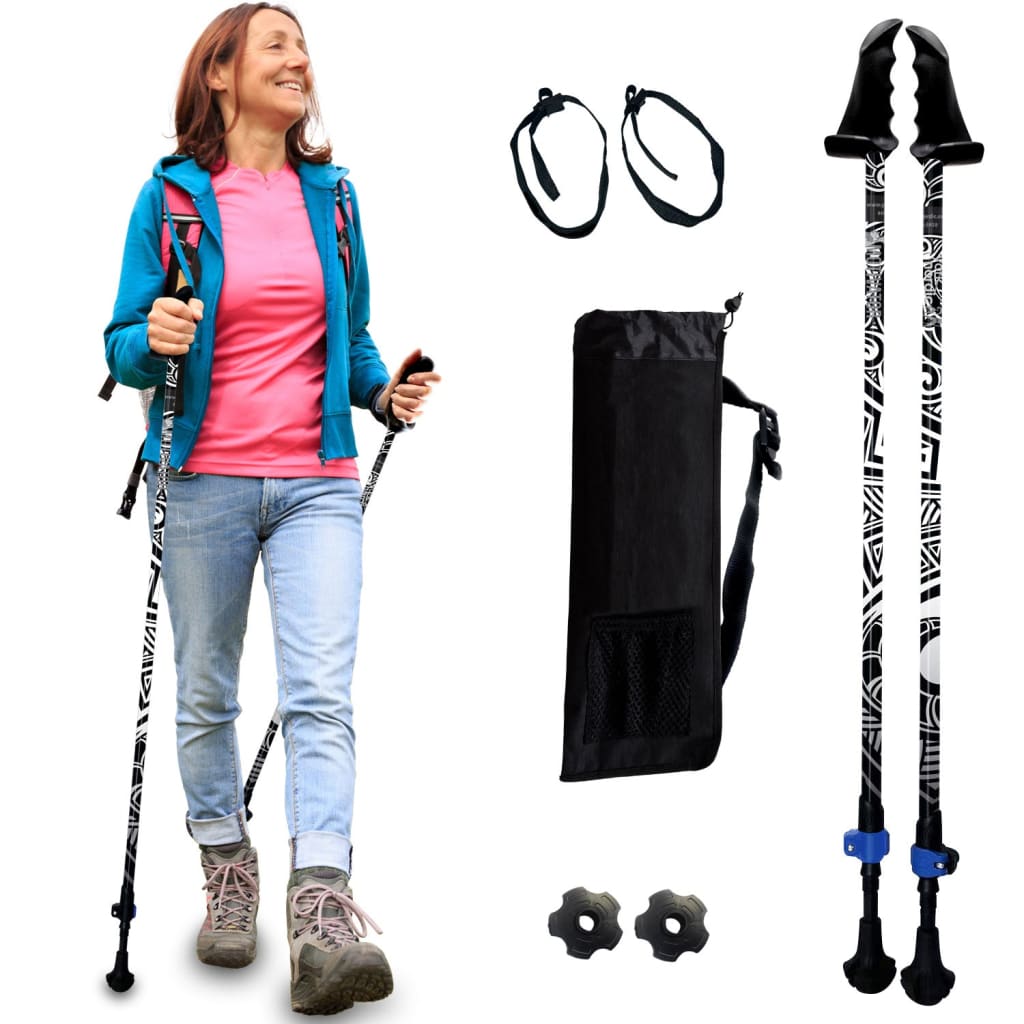
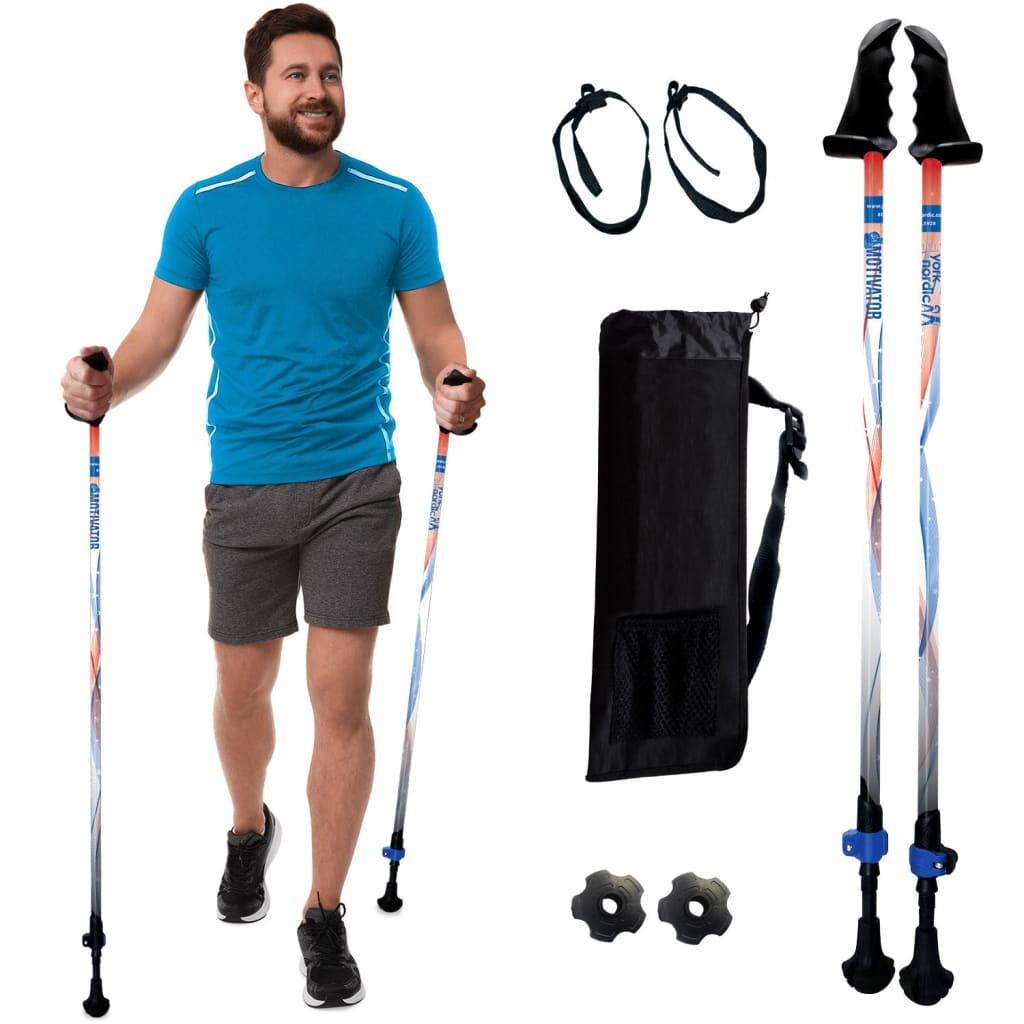
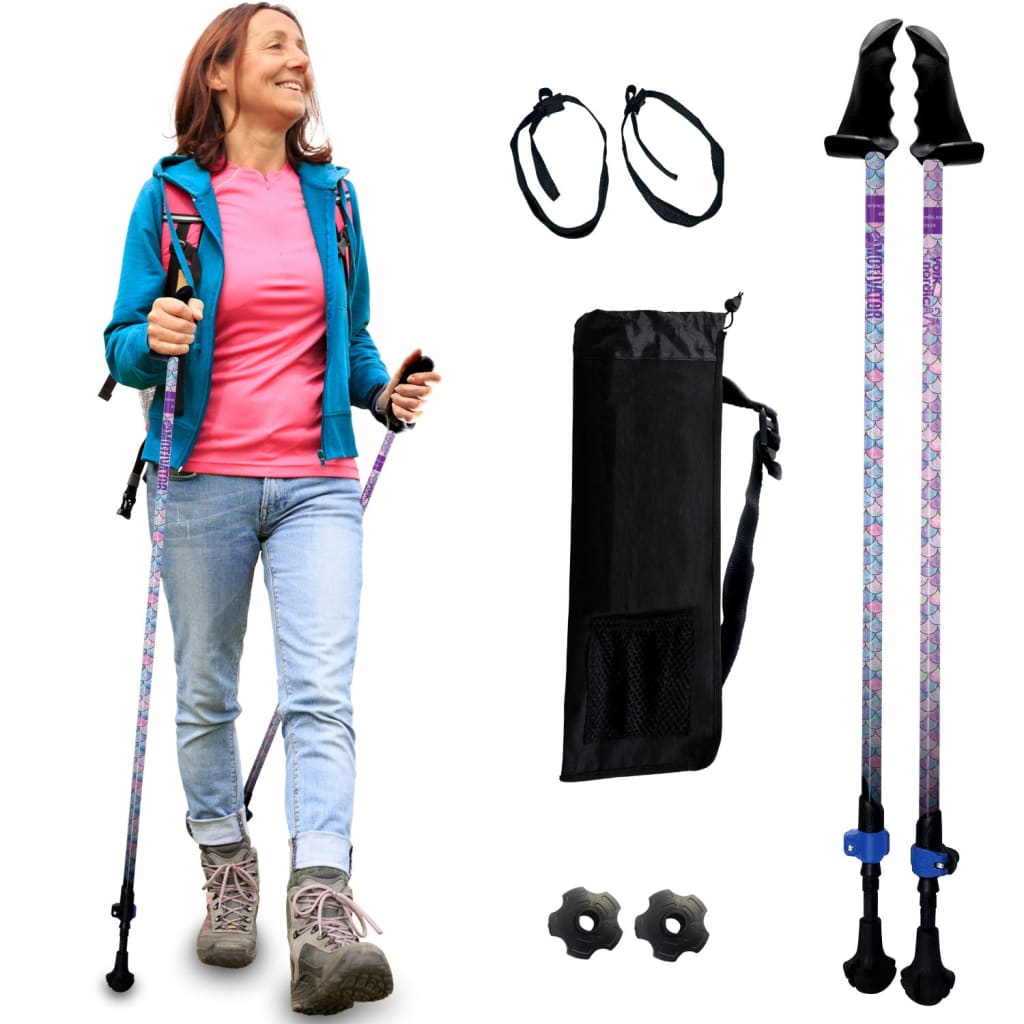
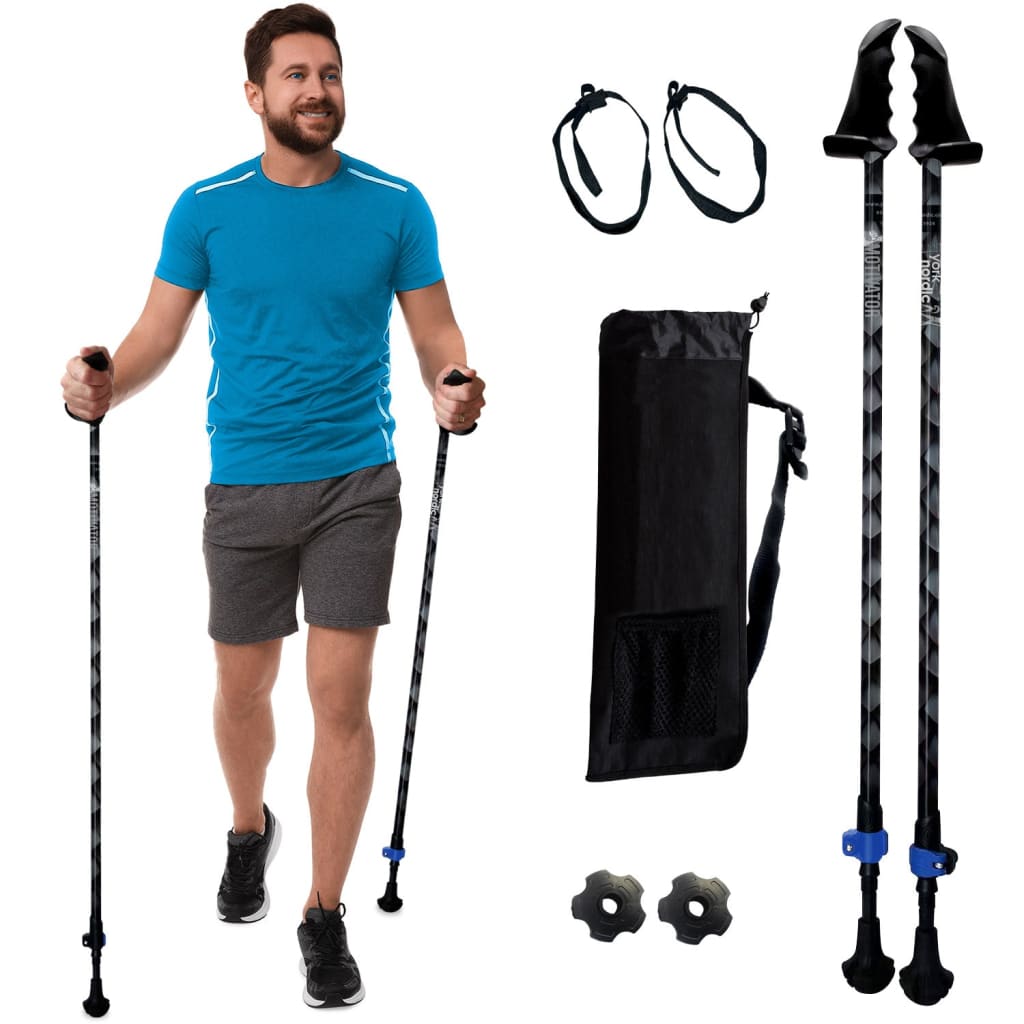
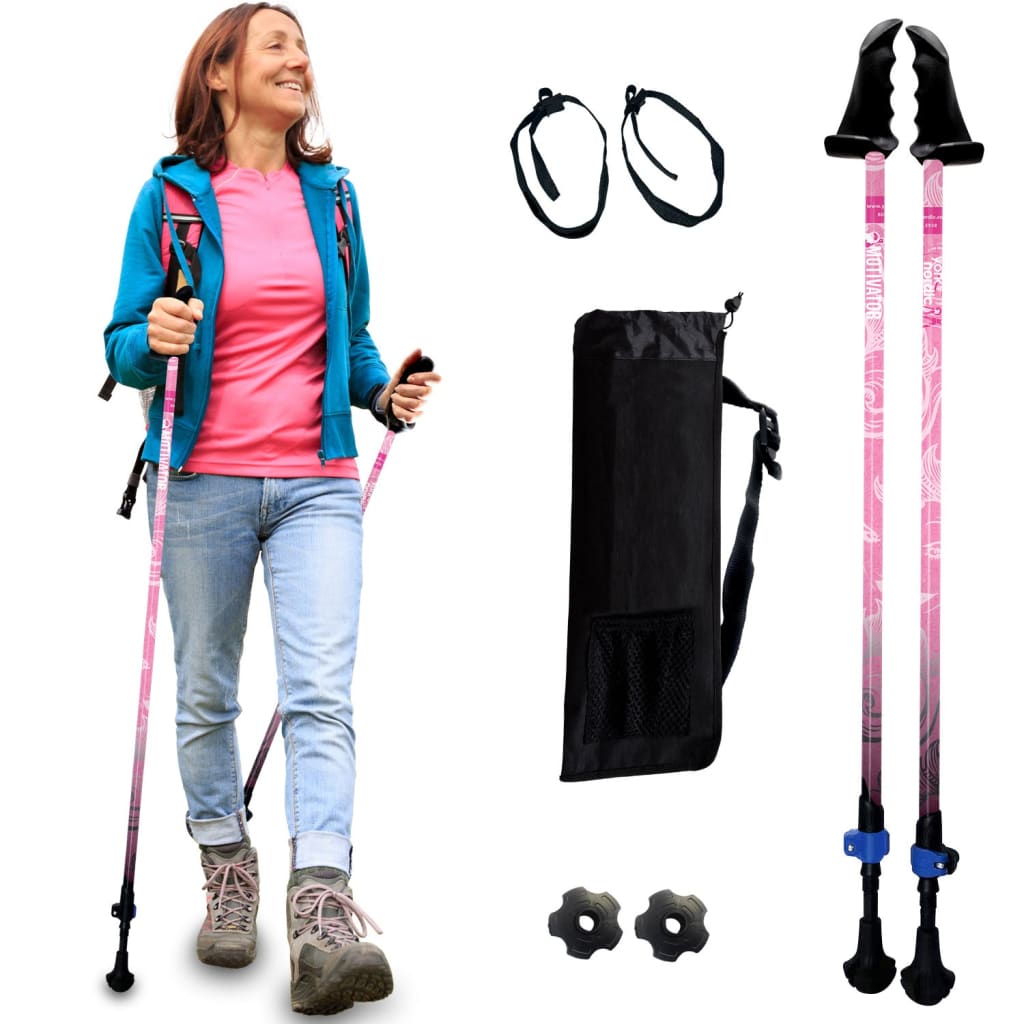
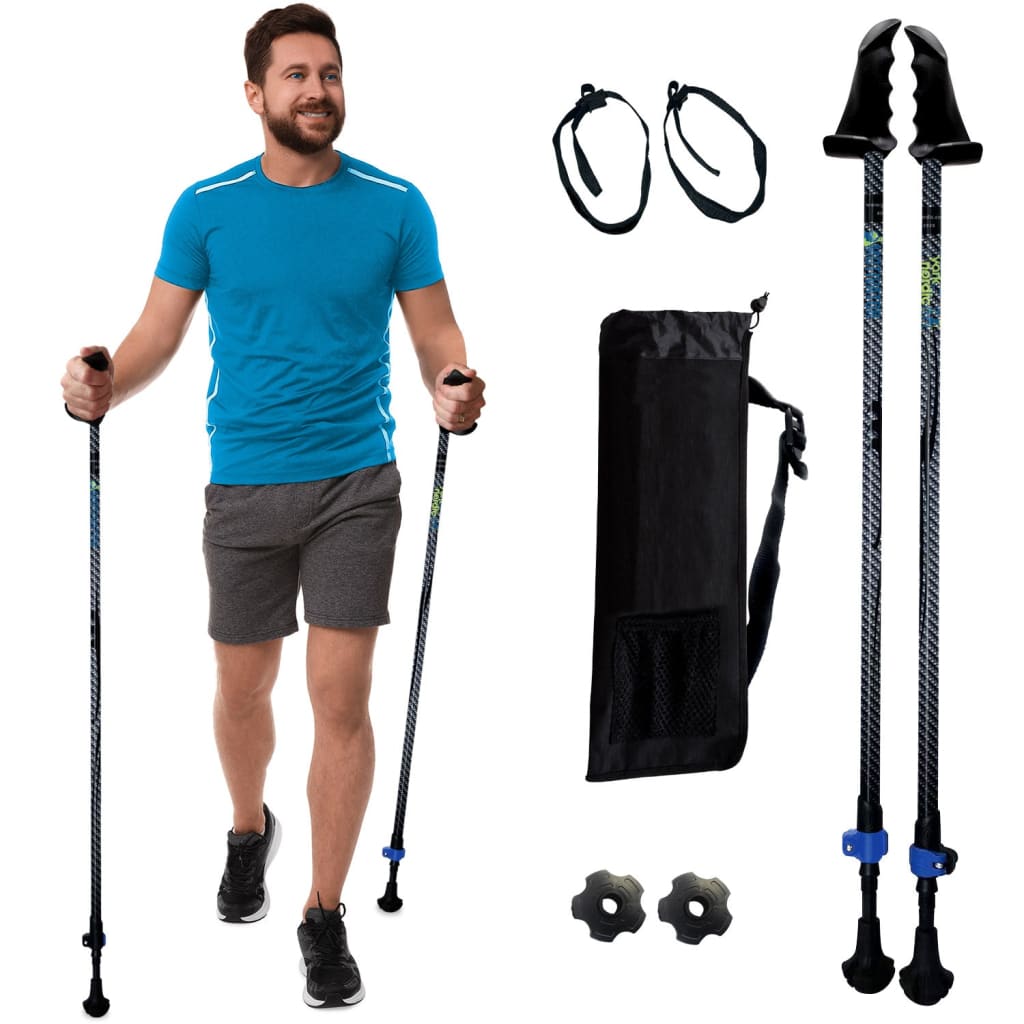
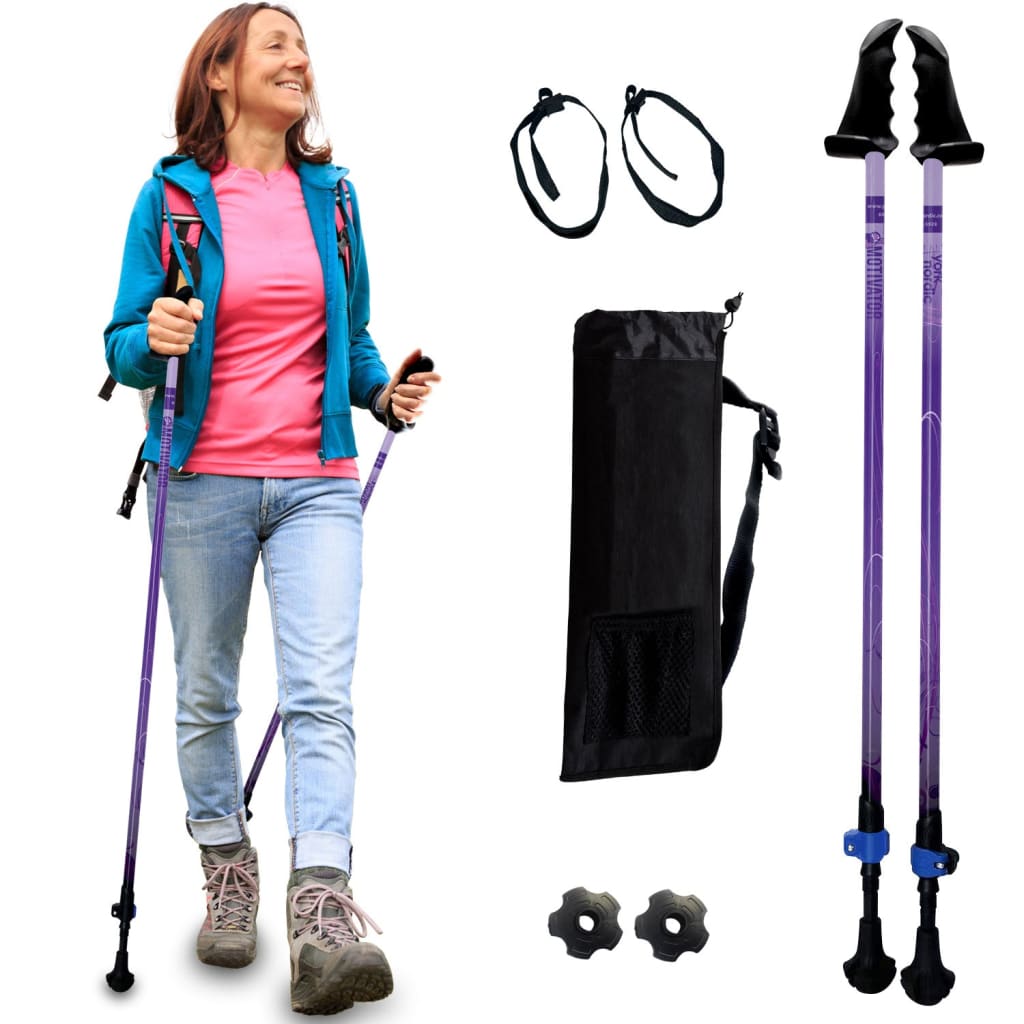
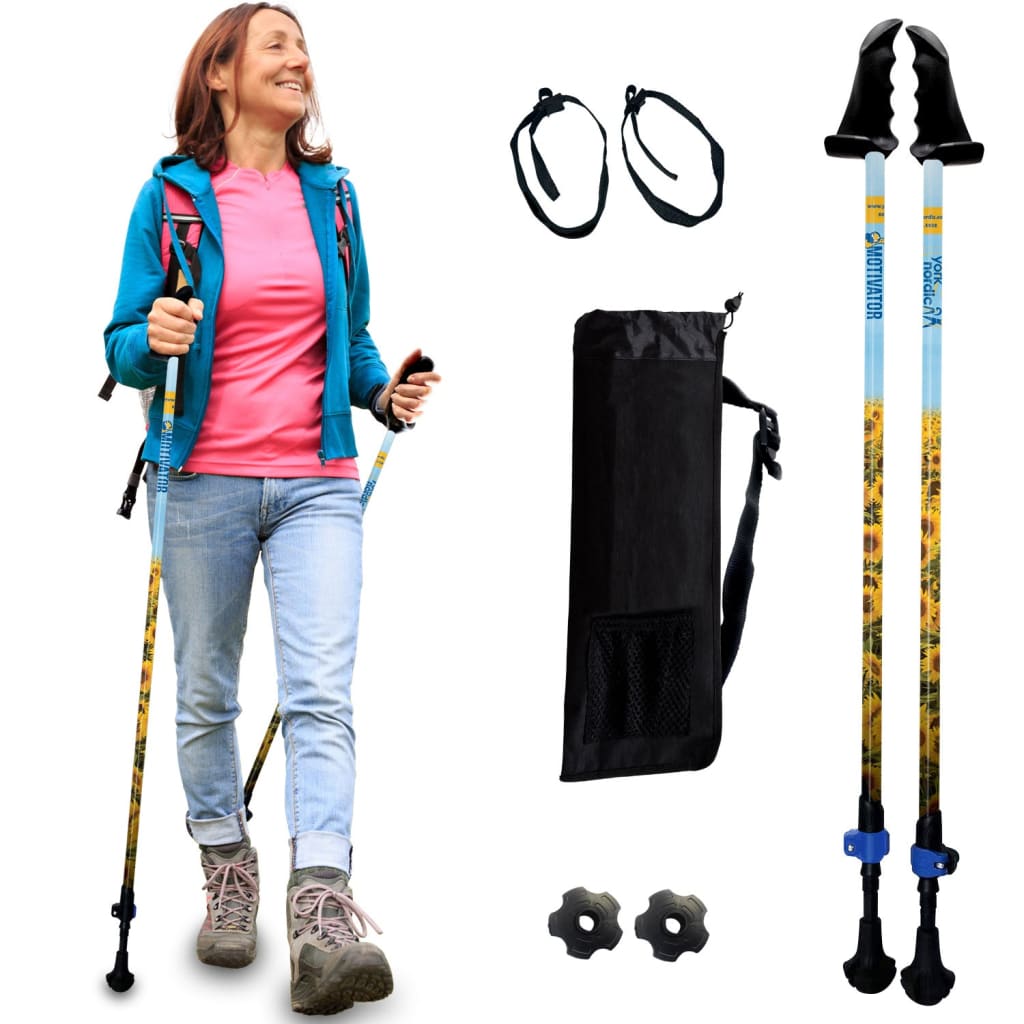
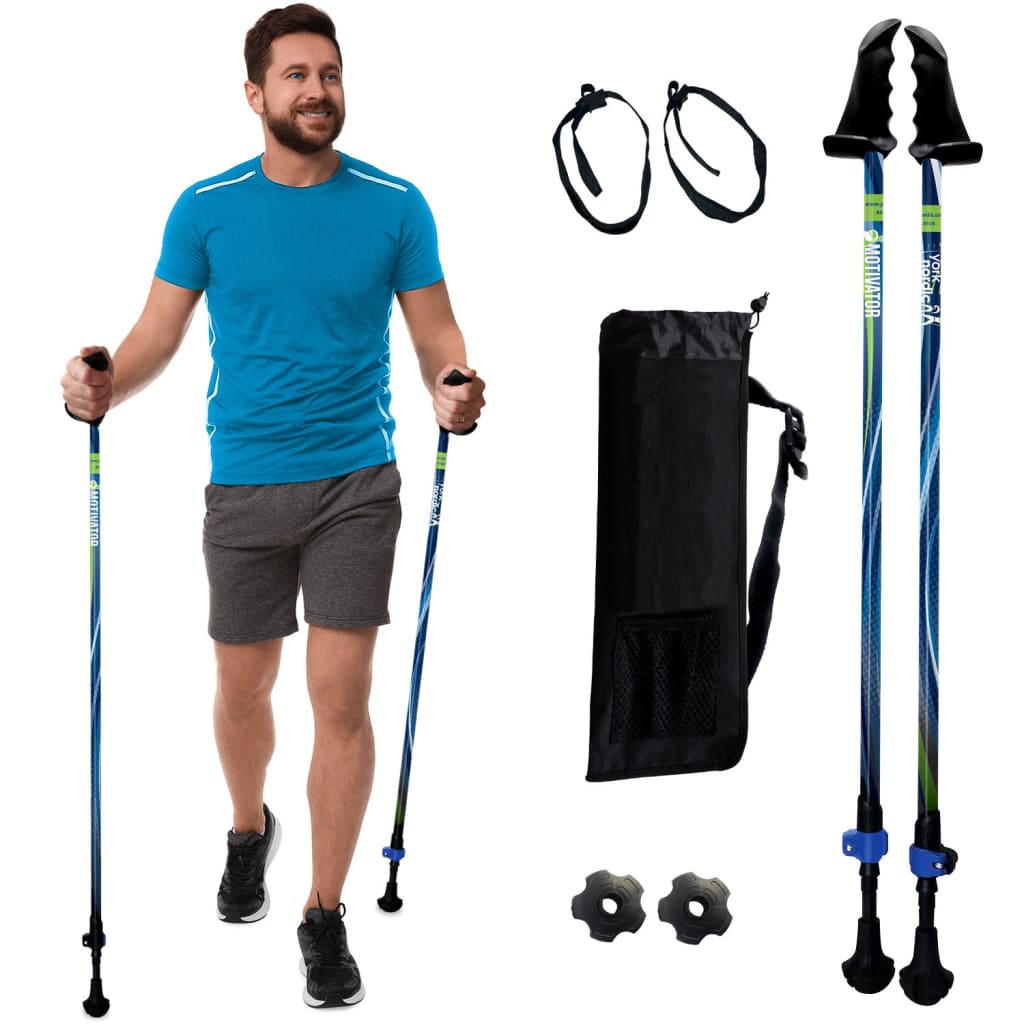
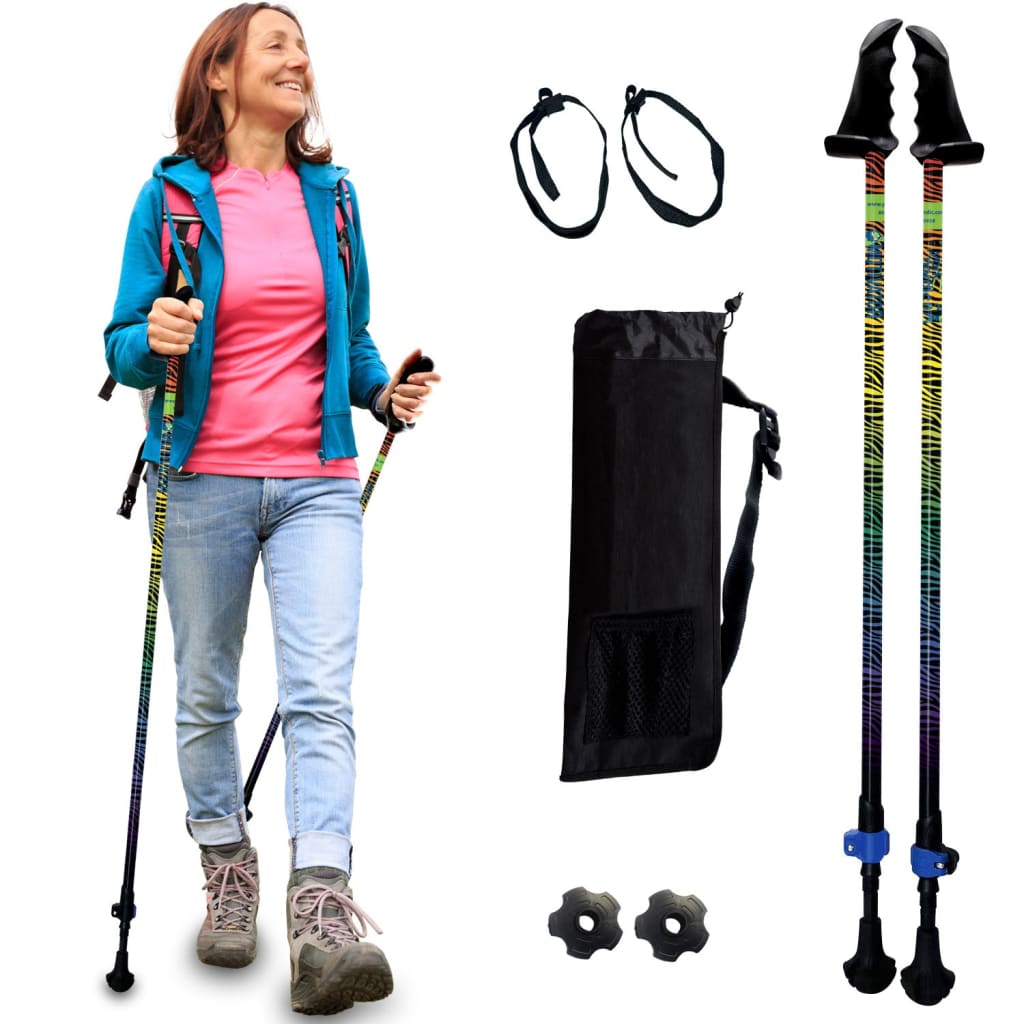
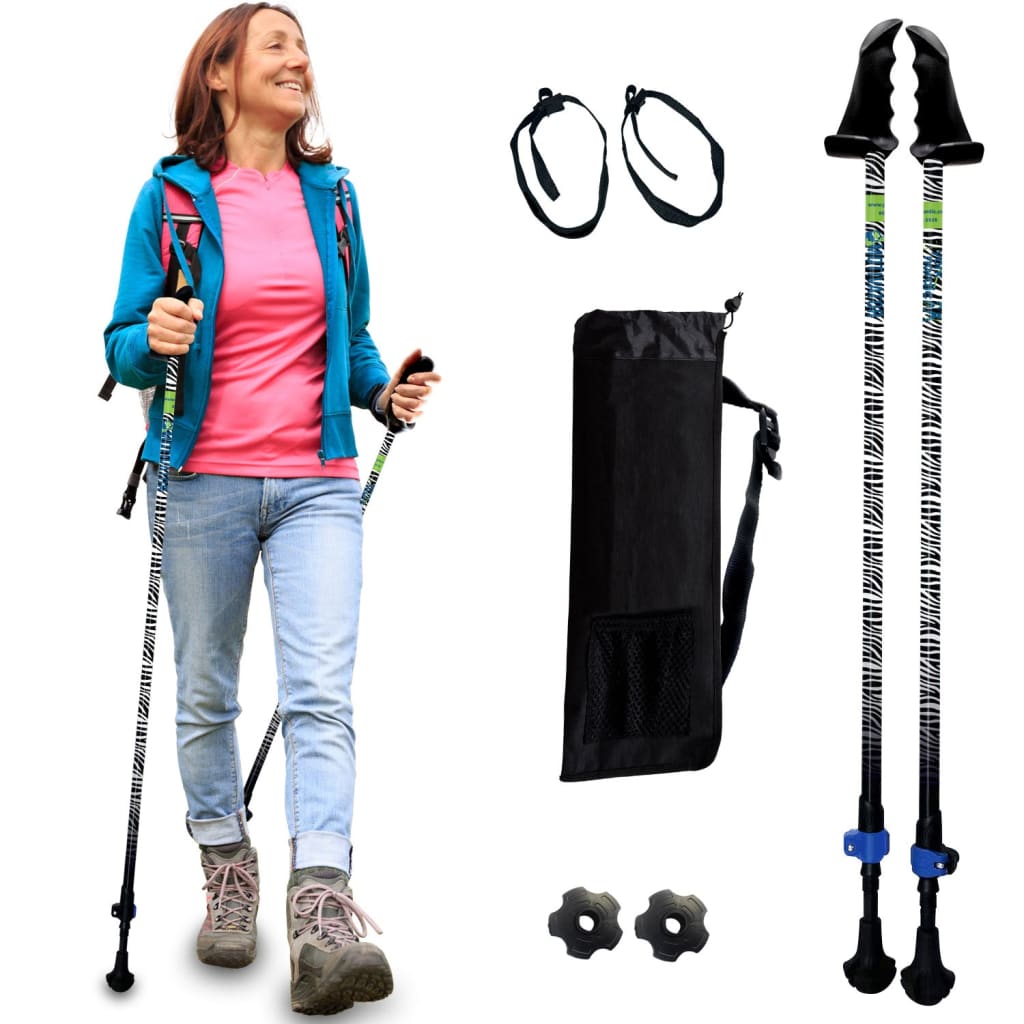
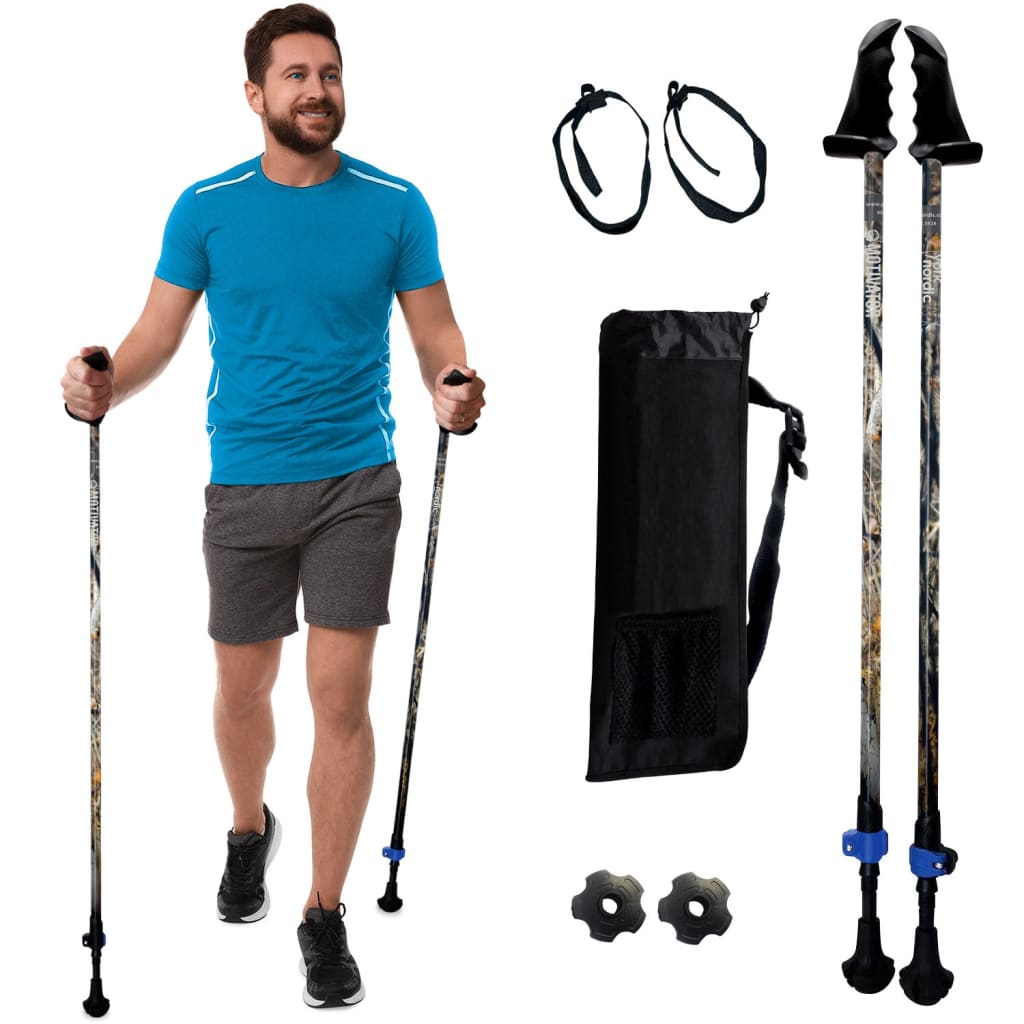
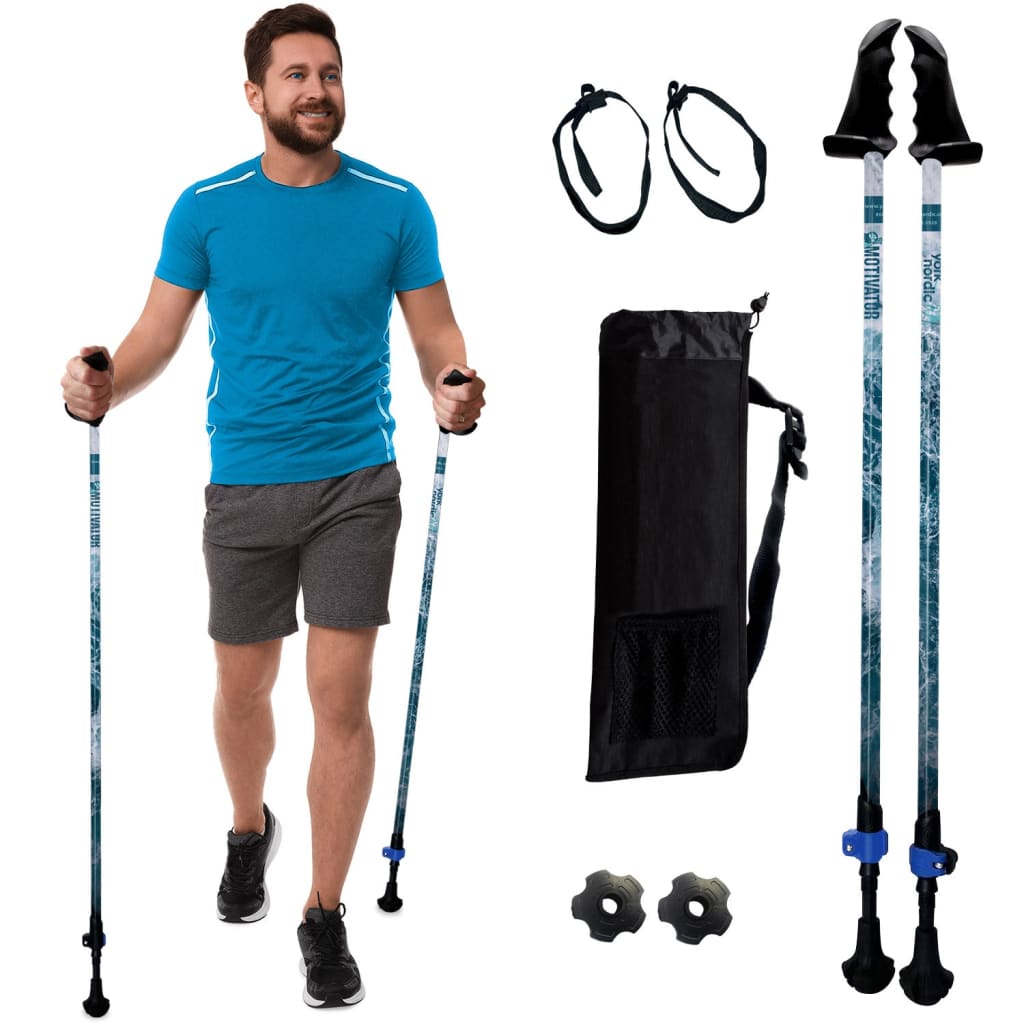
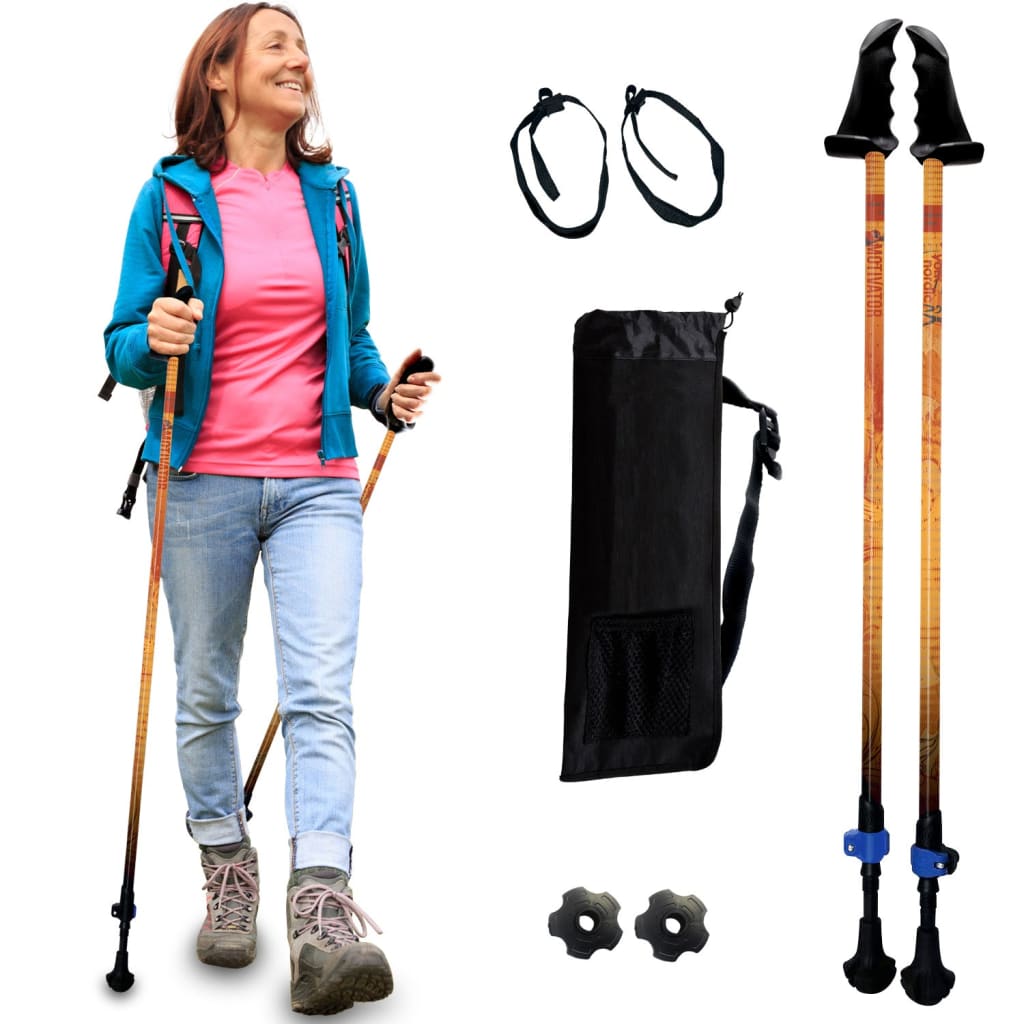
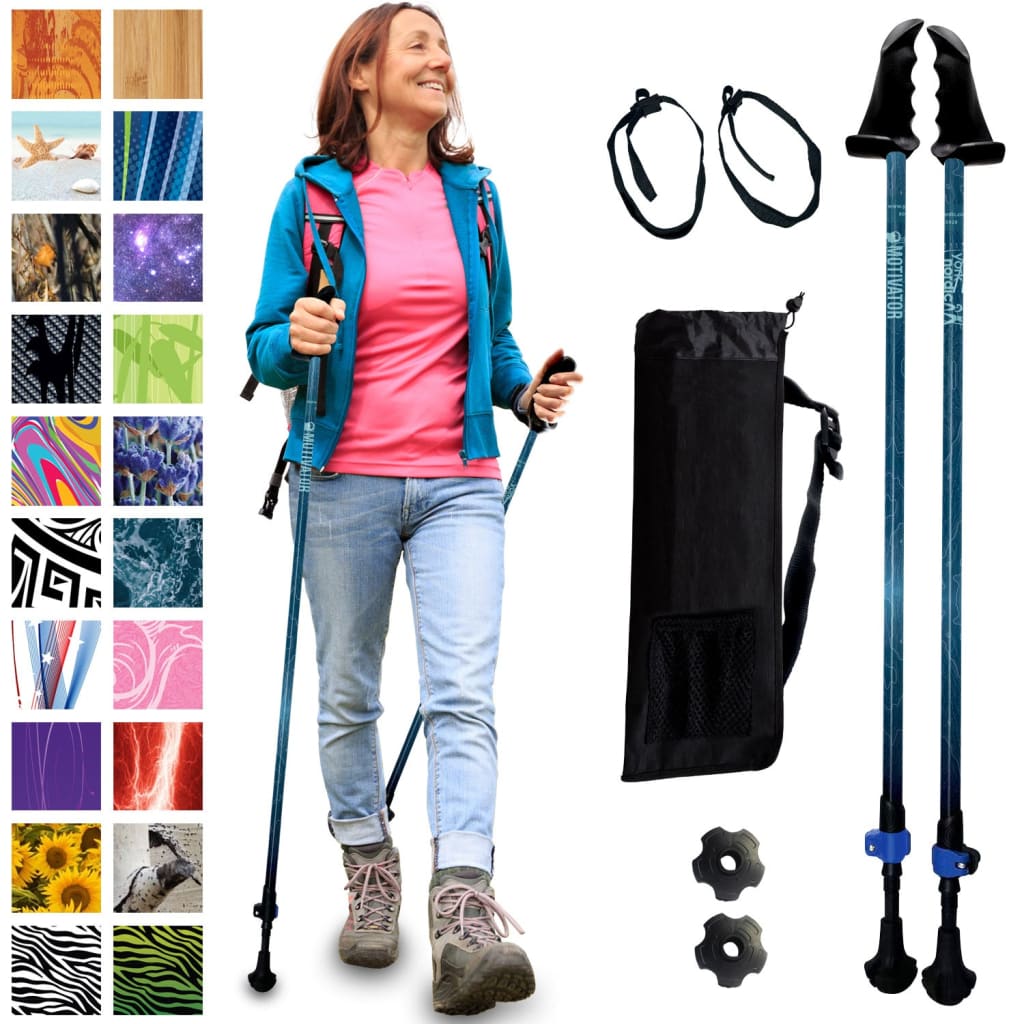
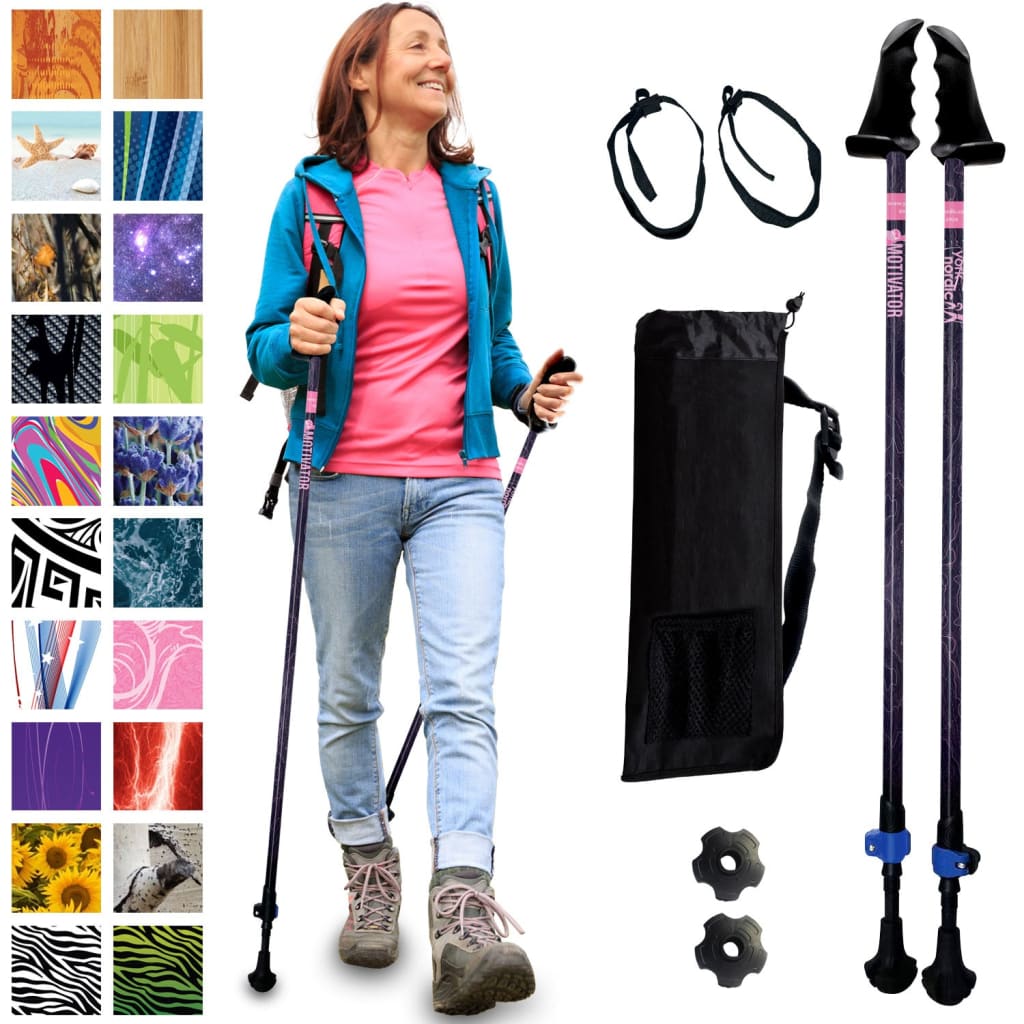
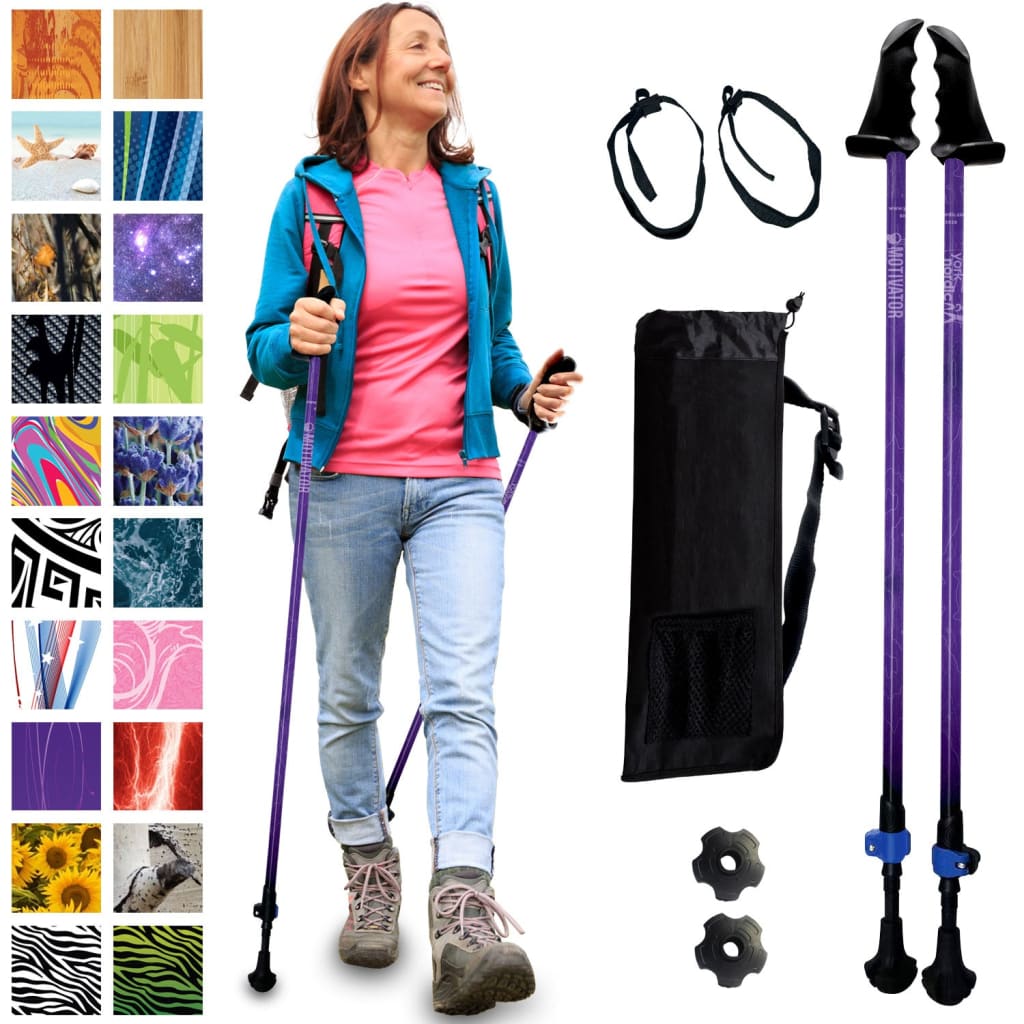
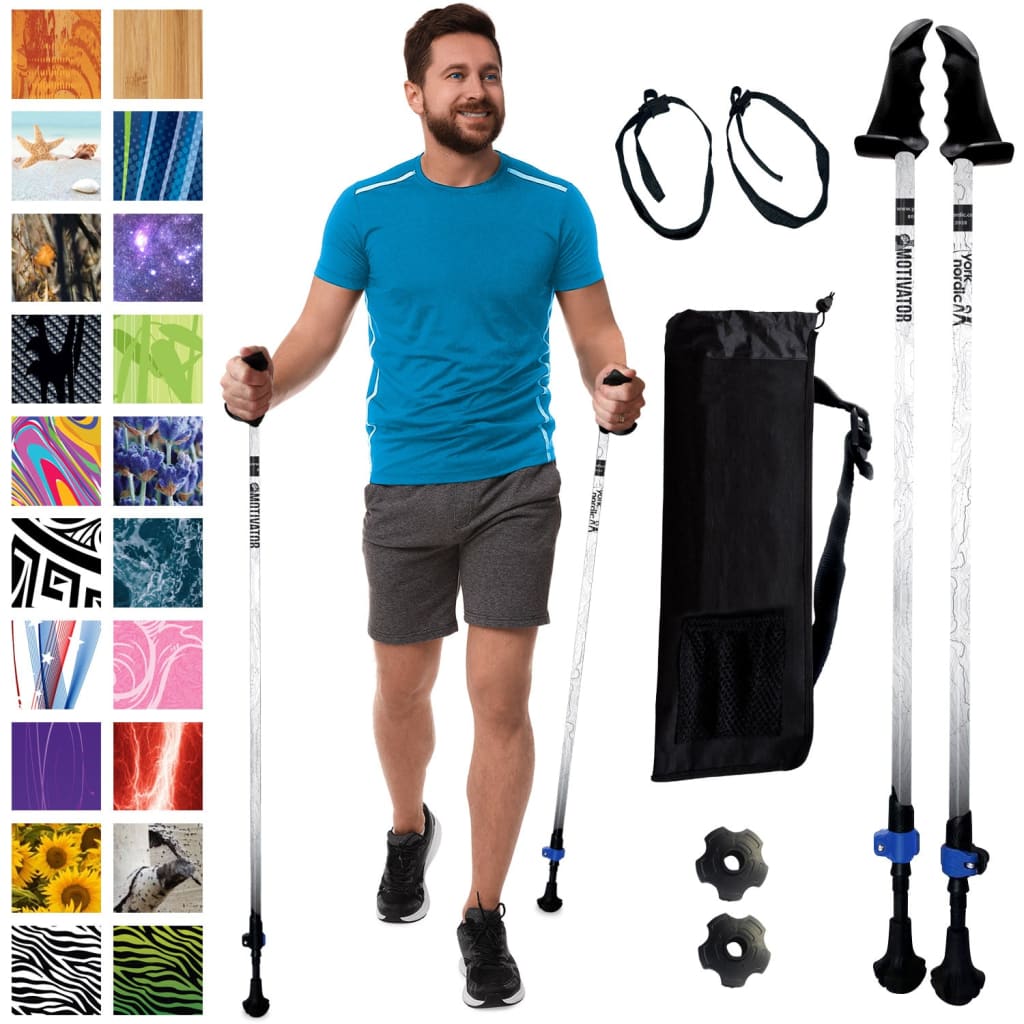
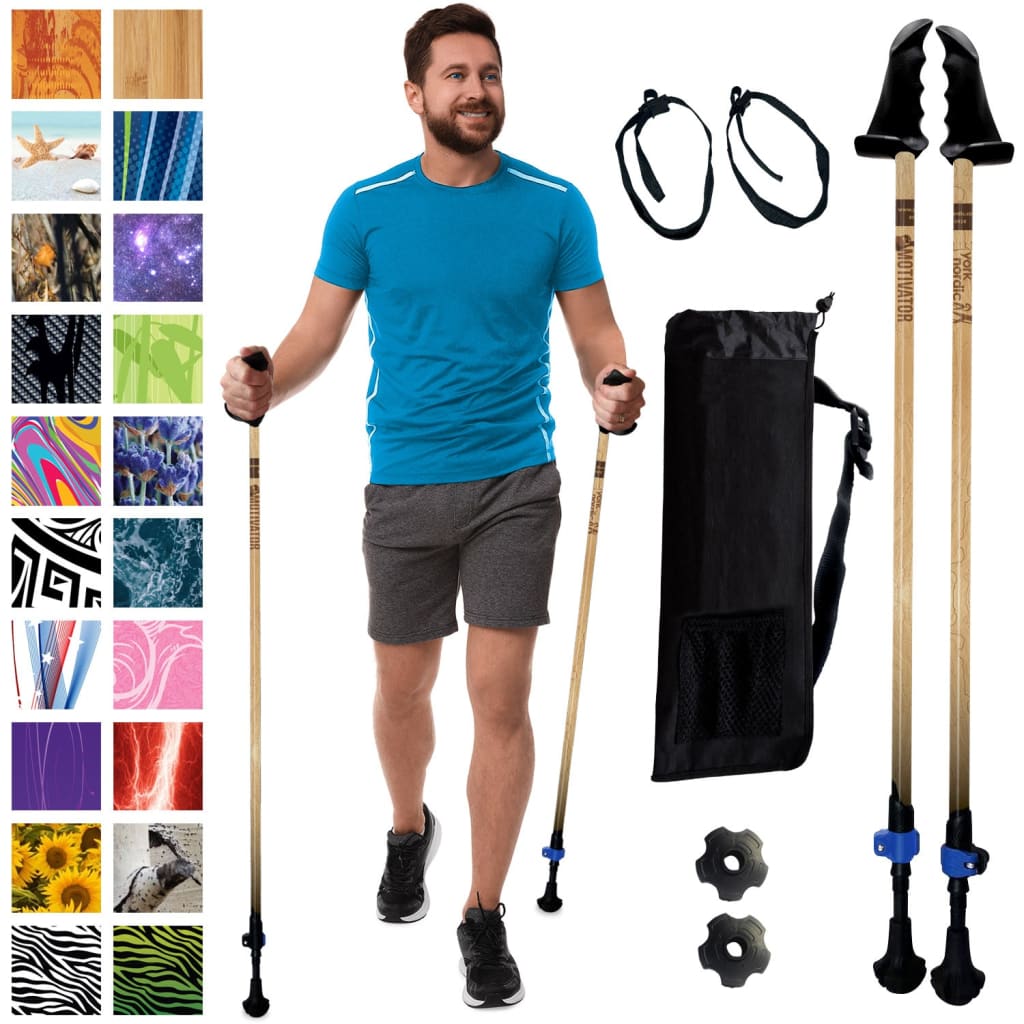
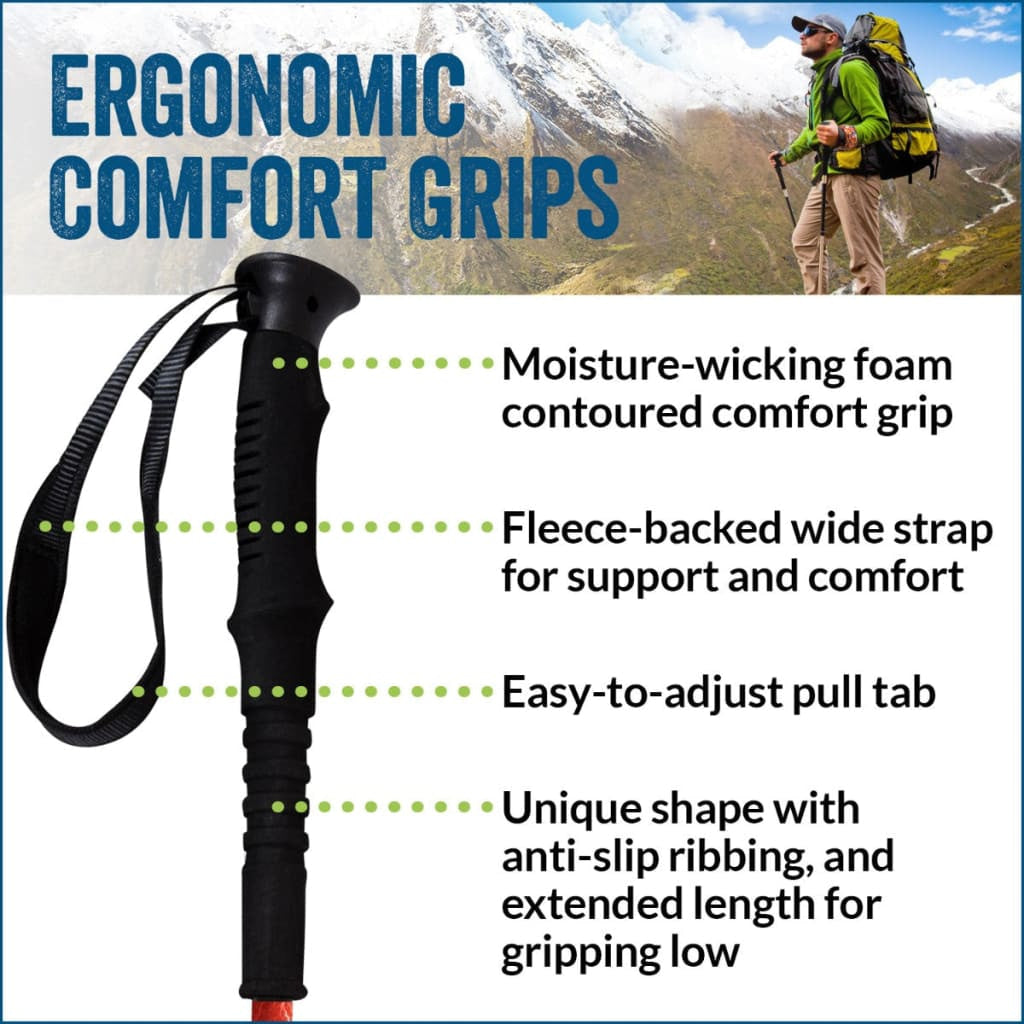
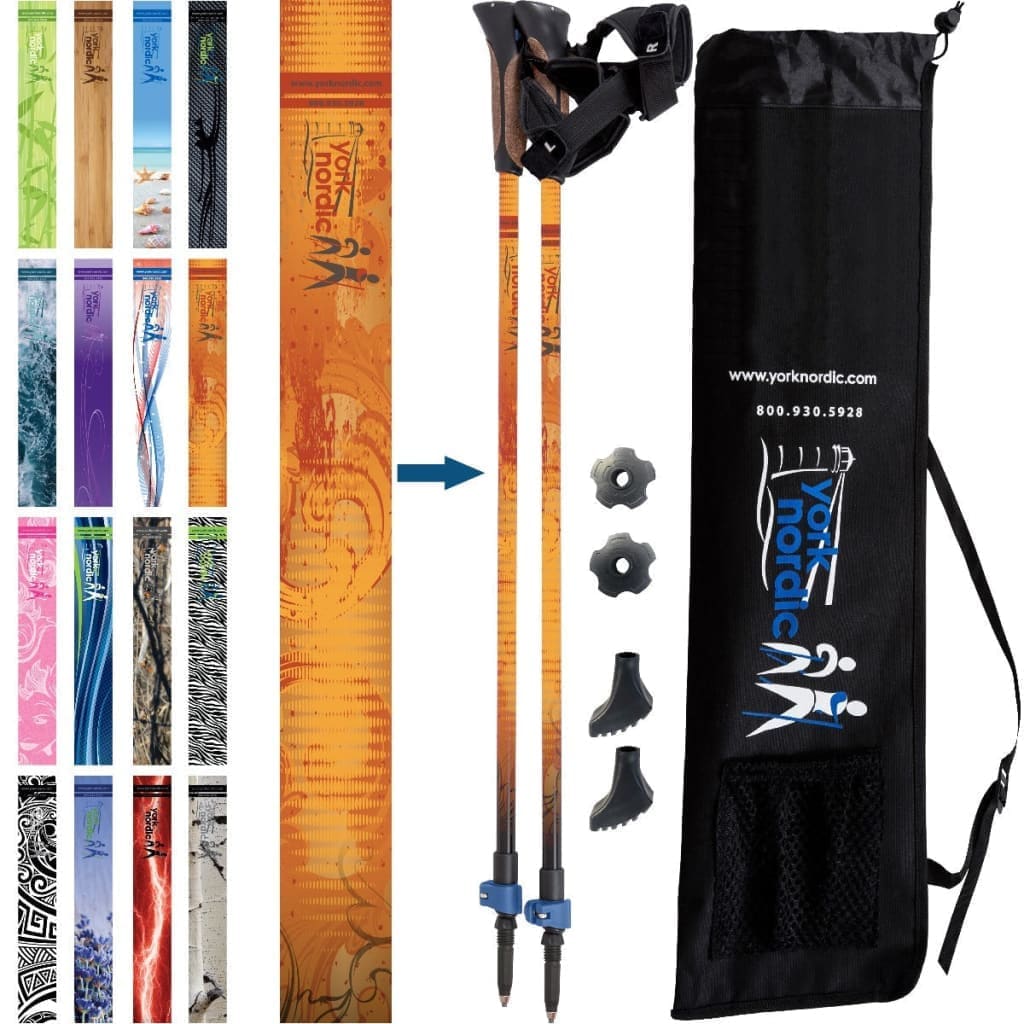
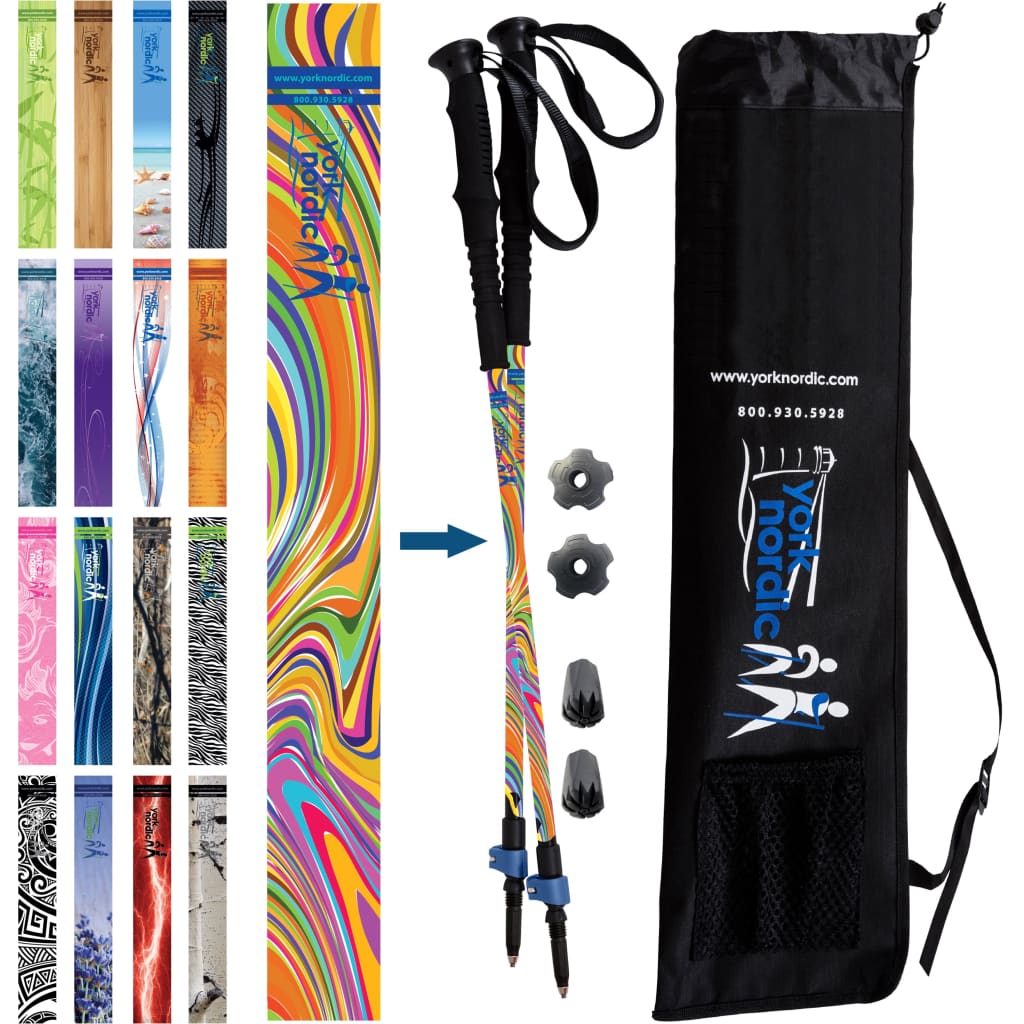
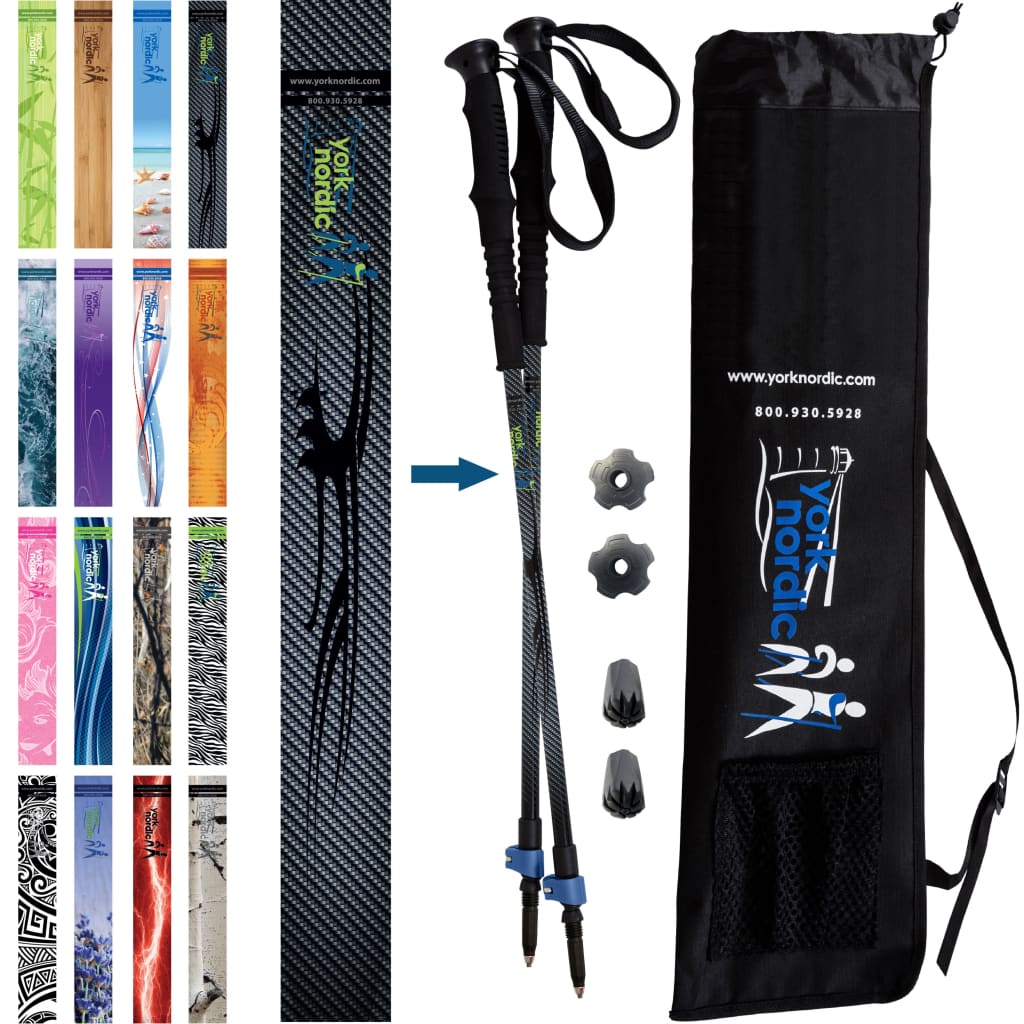
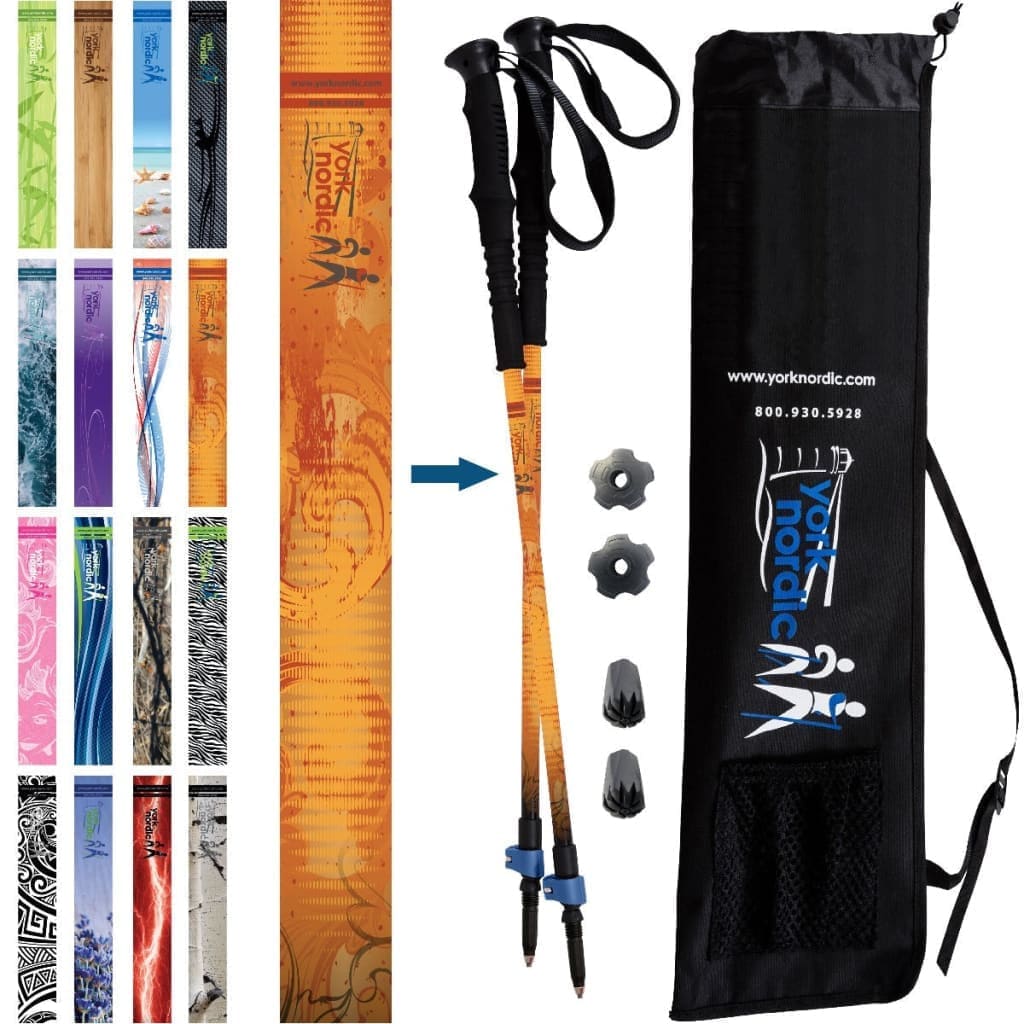
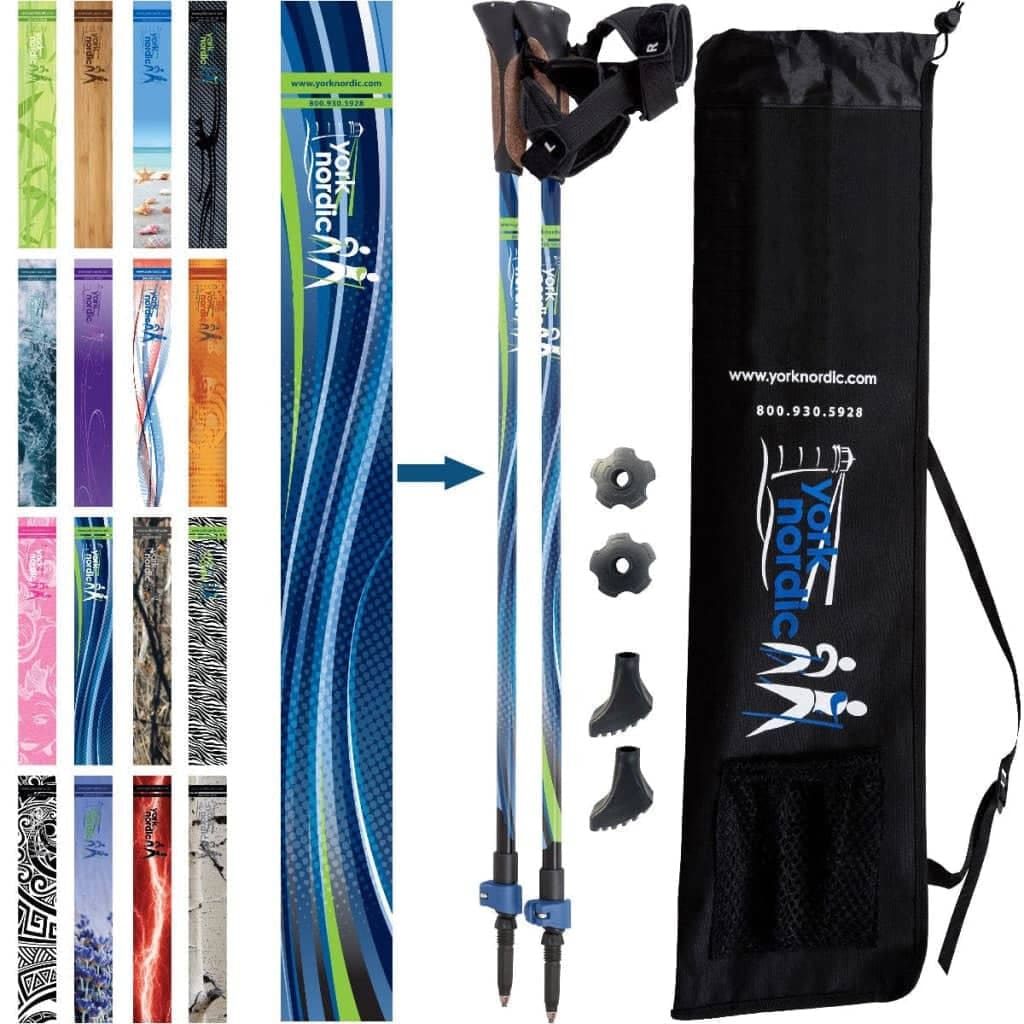
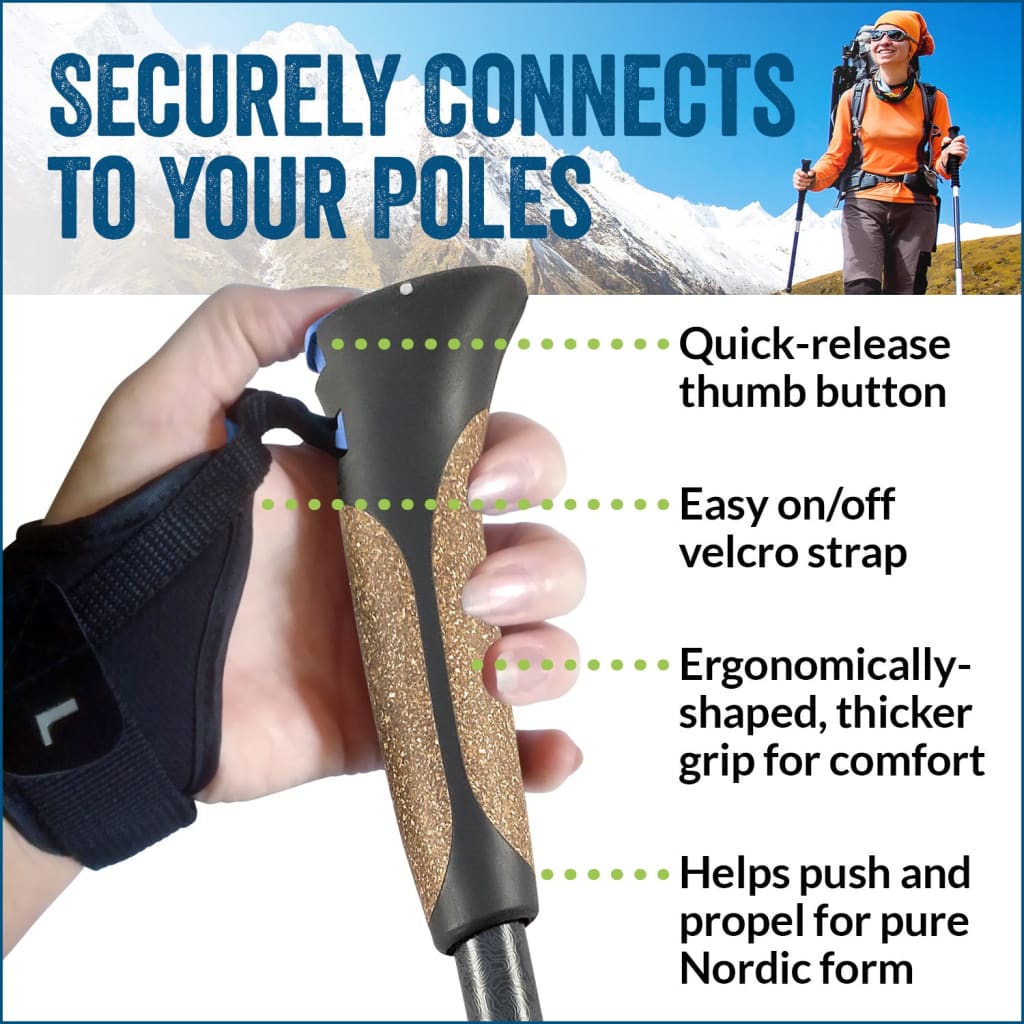
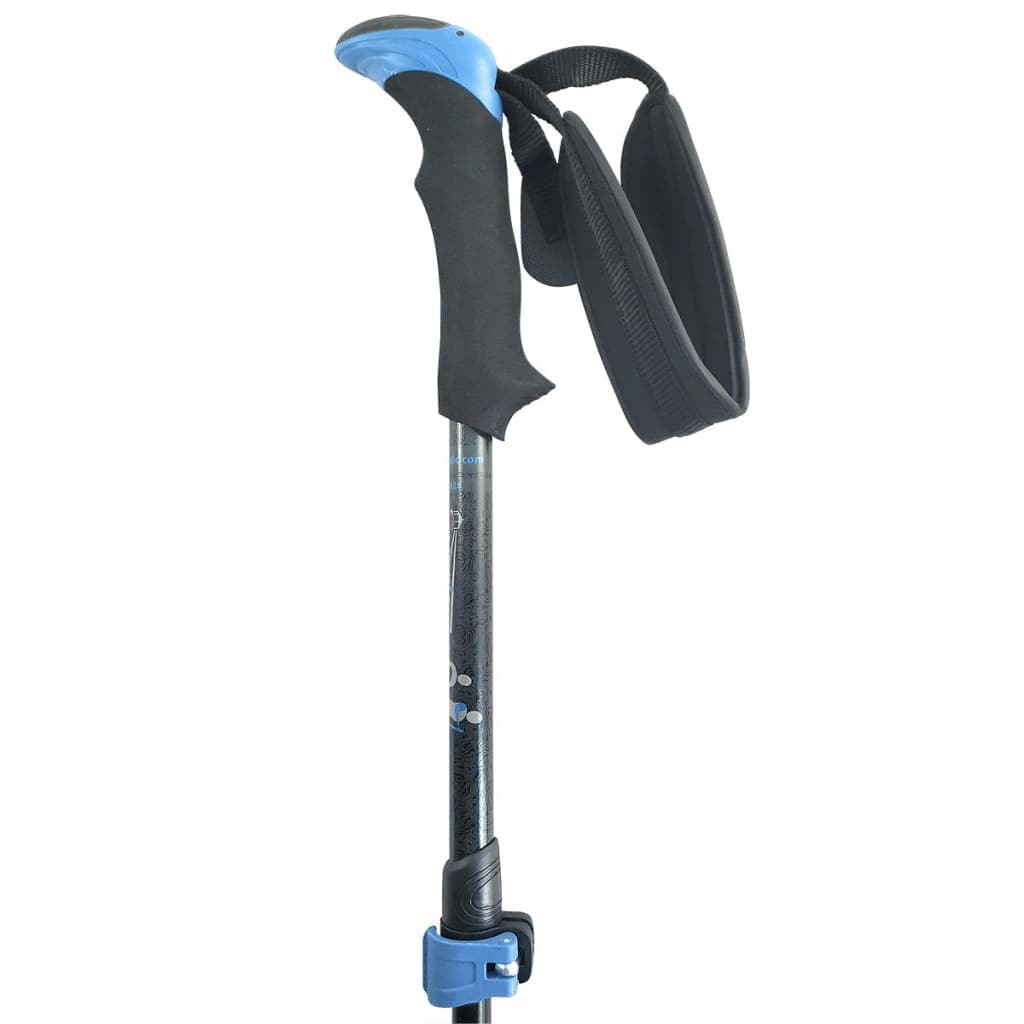
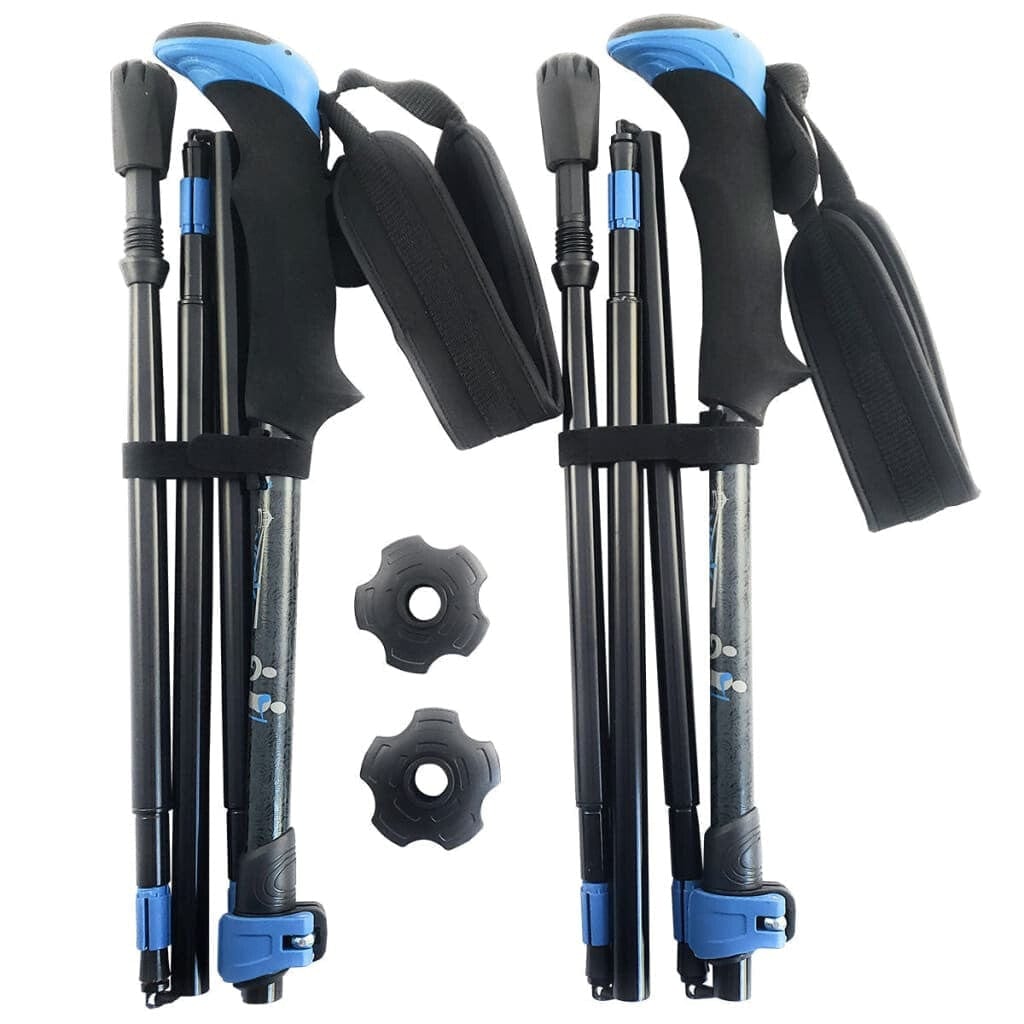
Walking poles with ergonomically designed grips, such as York Nordic's Motivator grip, offer an alternative to traditional narrow pole grips. Finding a design that feels right for your hands can make a difference in your overall walking experience.
5. Practice Relaxing Your Hands Before You Start Walking
You don't have to wait until your hands feel tired to work on your grip. Before starting your walk, hold your poles comfortably and take a few slow breaths. Relax your shoulders and gently loosen your fingers around the grips. As you begin walking, focus on keeping your hands relaxed while maintaining a secure hold. If you notice tension returning, slow your pace and reset. There's no need to force a particular rhythm before you're ready.
A comfortable walking technique develops with practice, not pressure.
A Little Less Tension Can Make Walking More Enjoyable
Walking poles should support your movement, not leave your hands and arms feeling exhausted. By relaxing your fingers, checking your posture, allowing a natural arm swing, and choosing comfortable, properly adjusted poles, you can develop a more relaxed walking technique.
The next time you head out, remember three simple cues:
Relax your hands. Drop your shoulders. Keep moving.
Your walking poles are there to help you enjoy the journey—not to give you another thing to hold on to tightly! Now...Let's Get Out There!
Tags
Educational, Nordic Walking Tips and Tricks, Pole Walking for Seniors, Walking Research




Latest Designs