
















Nordic Walking News and Updates
Walking Poles for Seniors: Supporting Better Posture and Gait
As we get older, changes in strength, balance, flexibility, and walking patterns can gradually affect the way we move. Sometimes it starts with something subtle—a little more hunching, shorter steps, or looking down at the ground more often.
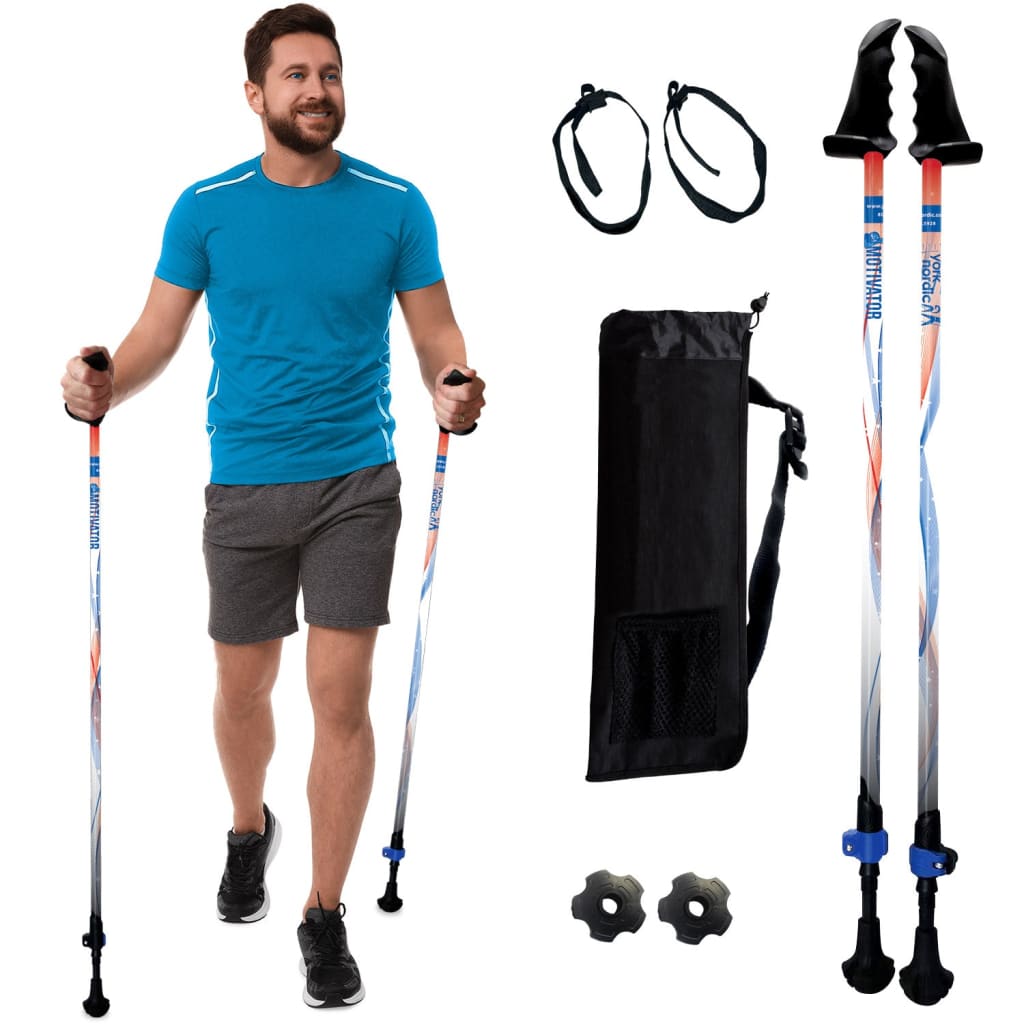
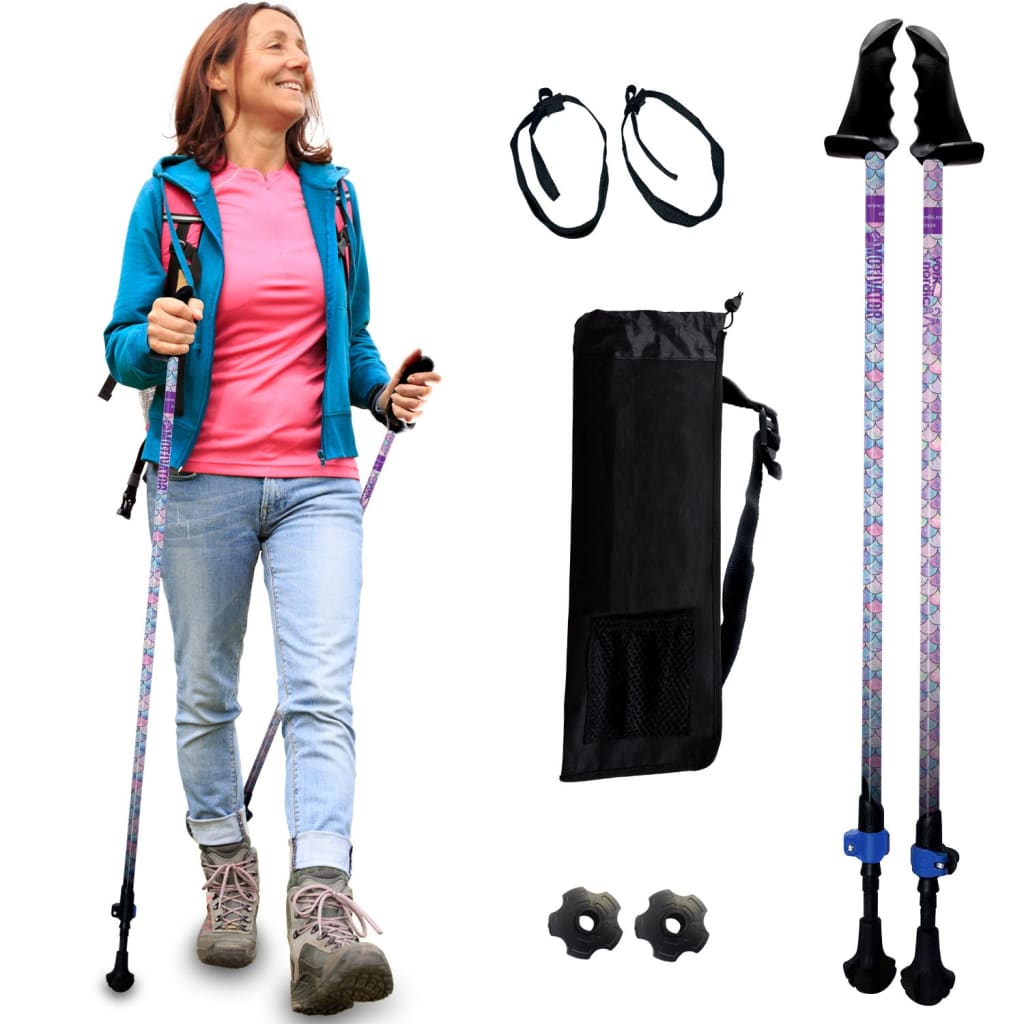
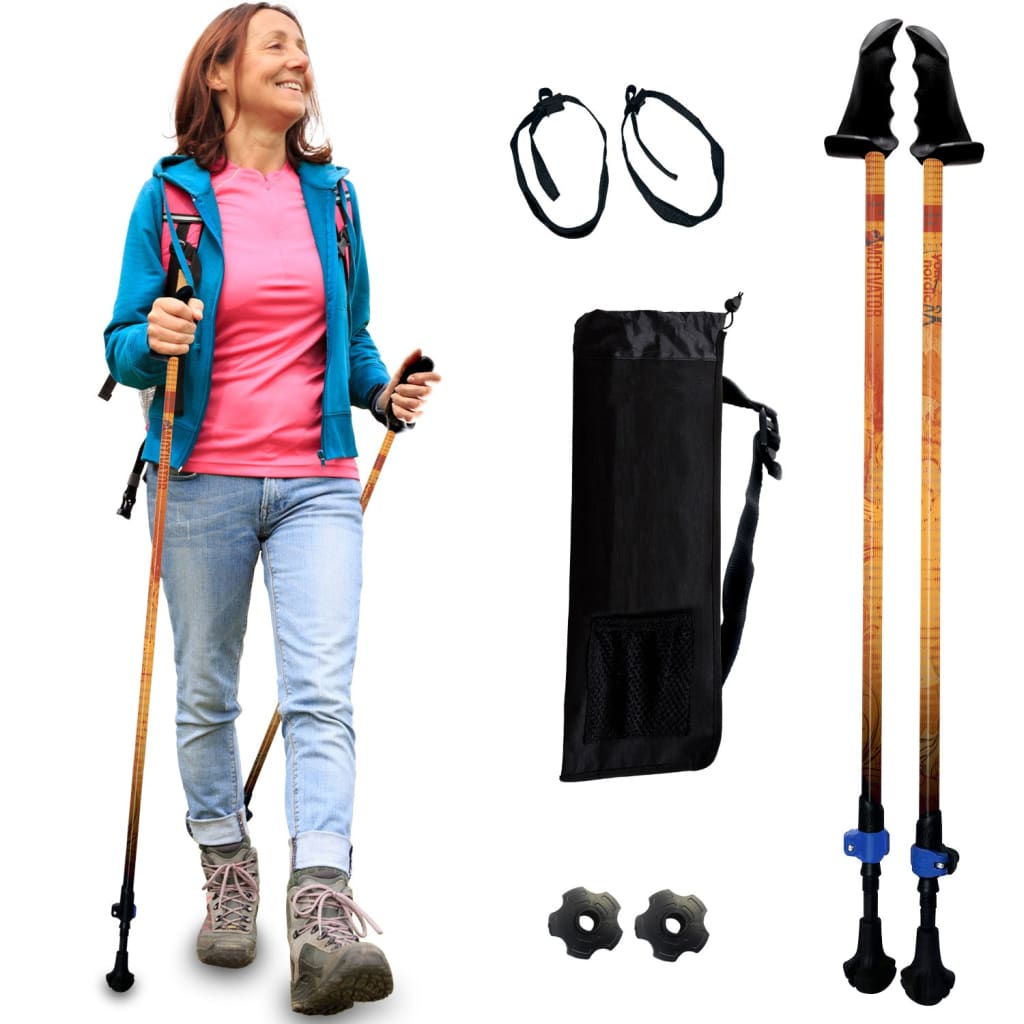
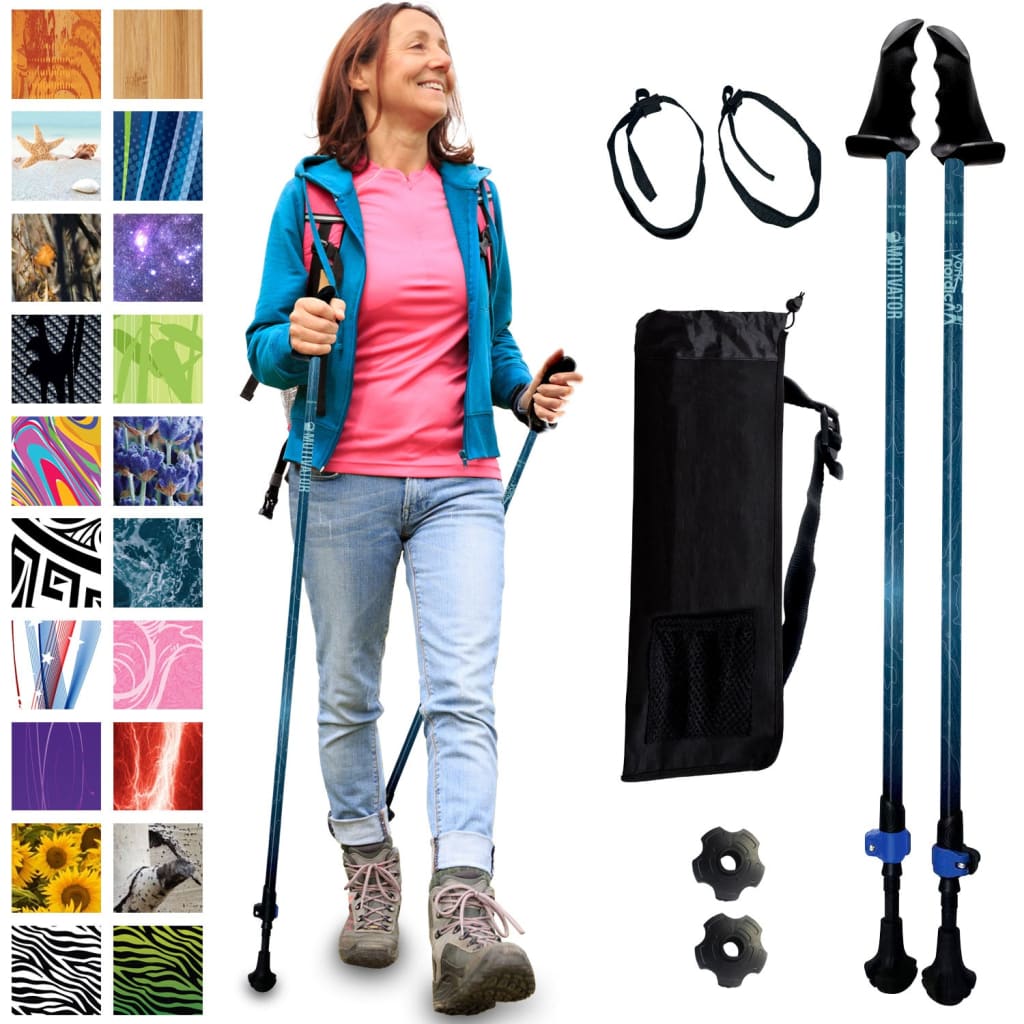
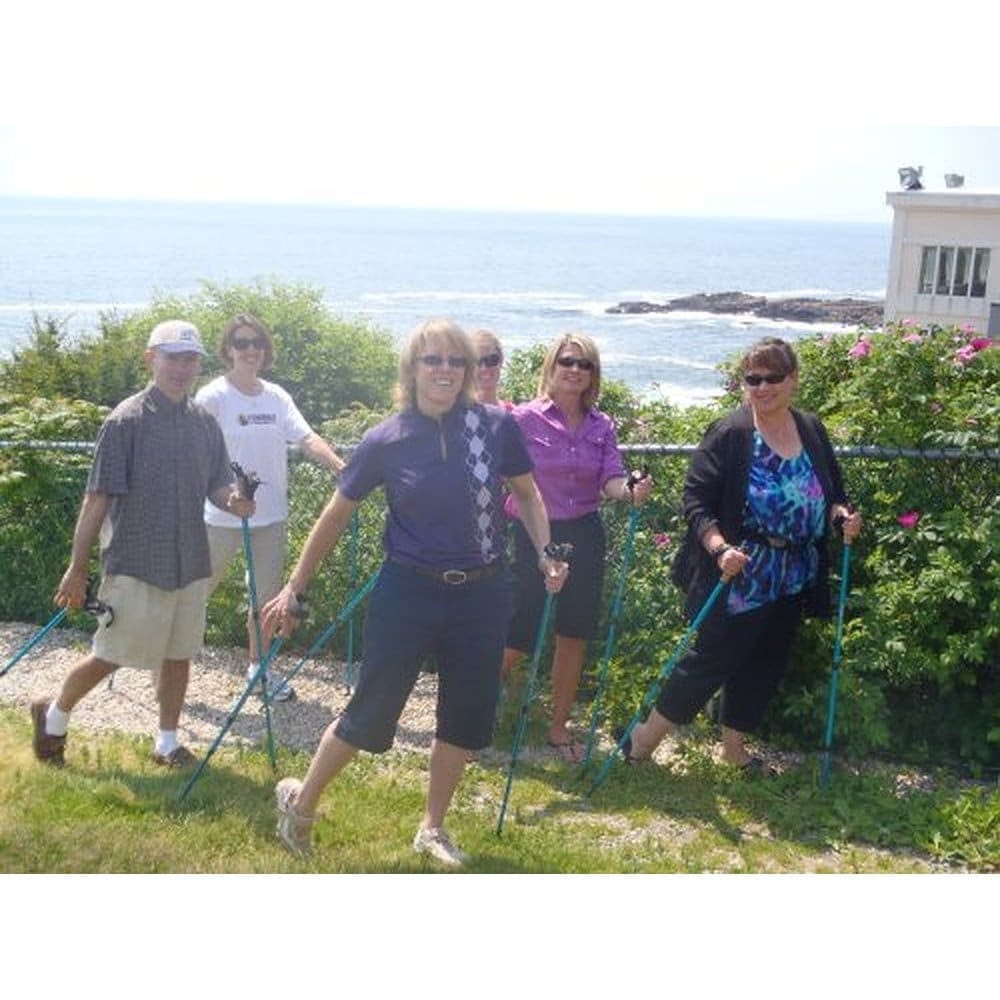
Walking poles can be a simple way to encourage a more upright posture and a more natural walking pattern while providing an added point of stability.
And they're not just for hiking. Walking poles can be a useful everyday fitness and mobility tool for seniors who want to stay active and walk with greater confidence.
How Walking Poles Can Encourage Better Posture
One of the biggest benefits of walking with poles is the way they can encourage you to engage your upper body while walking.
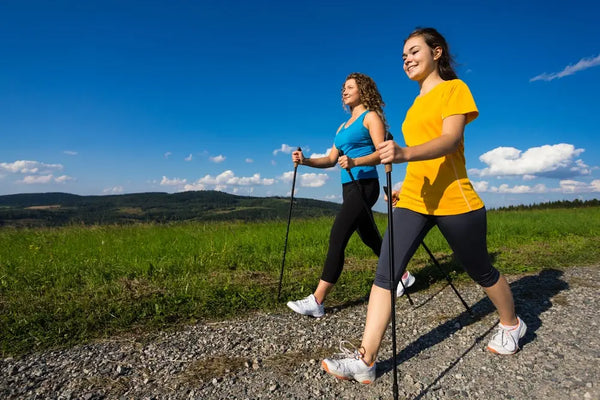
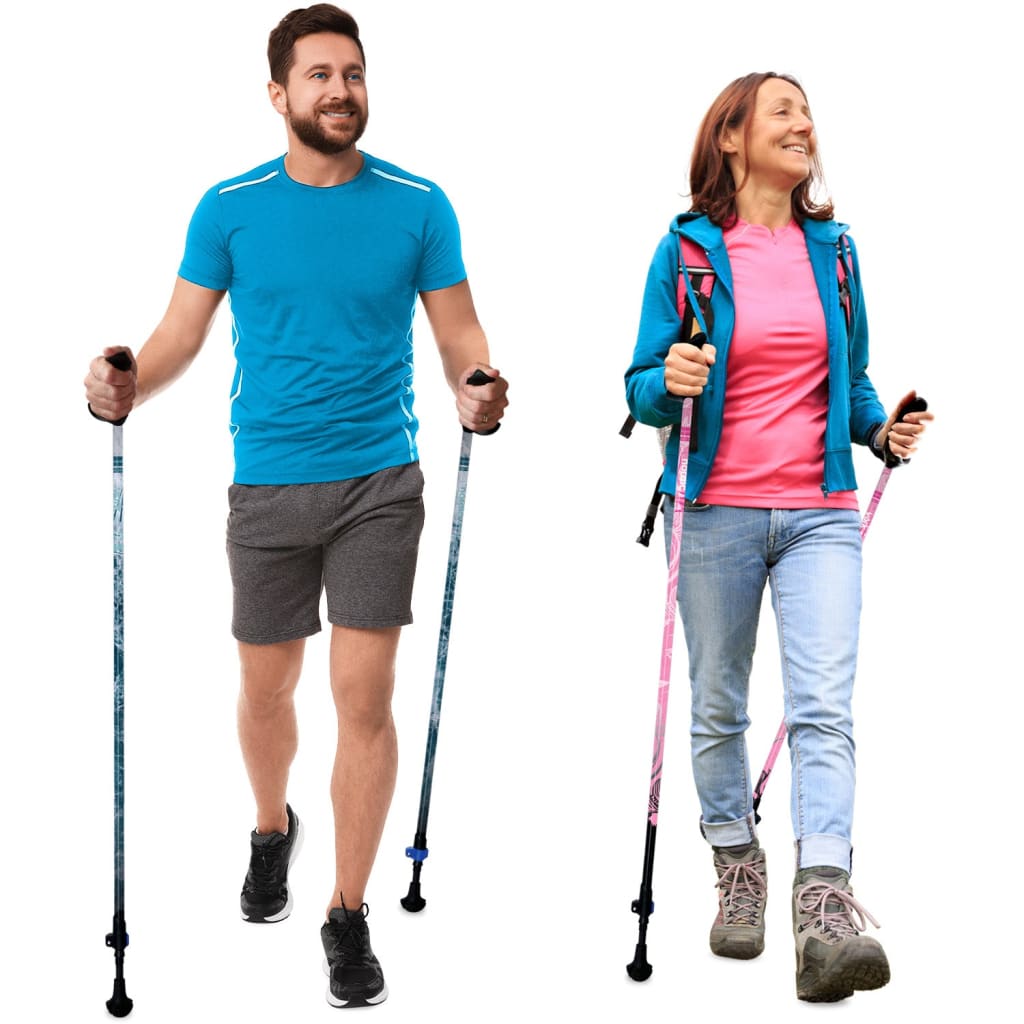
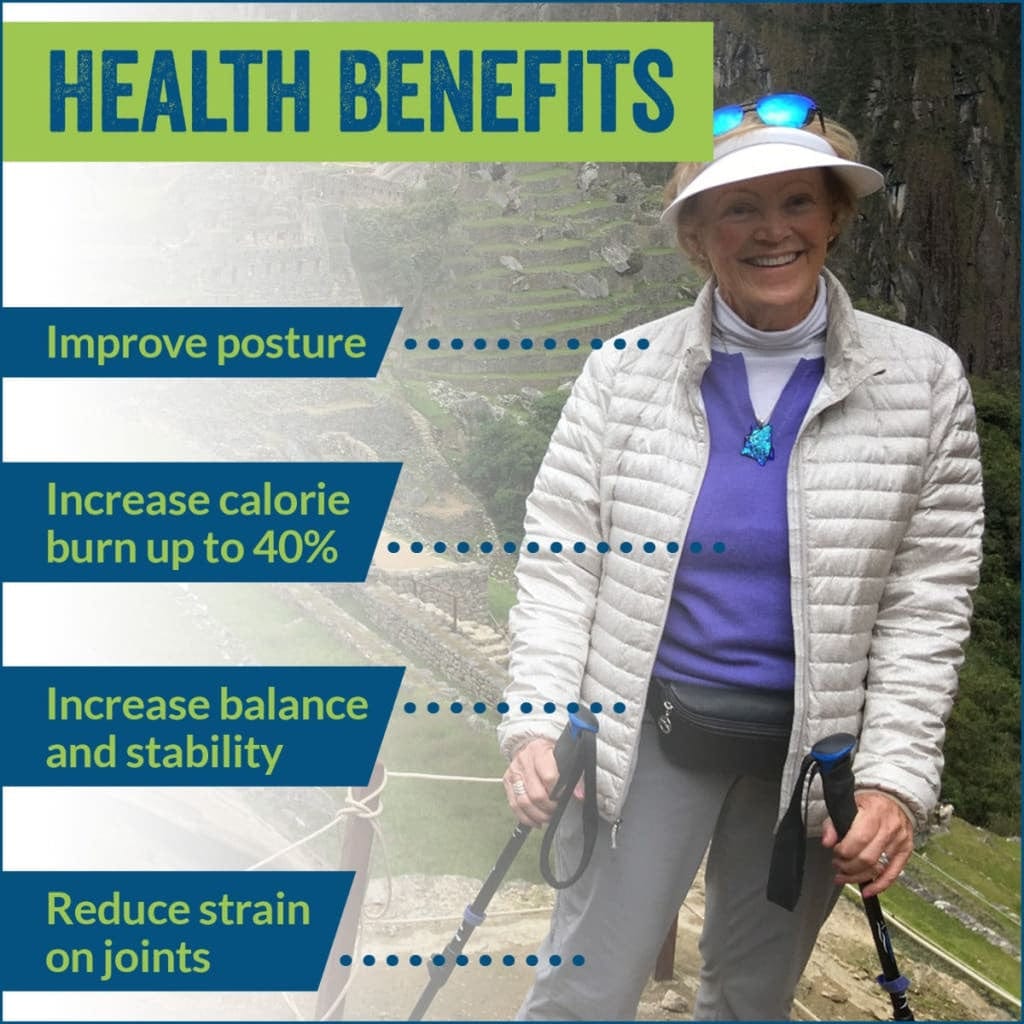
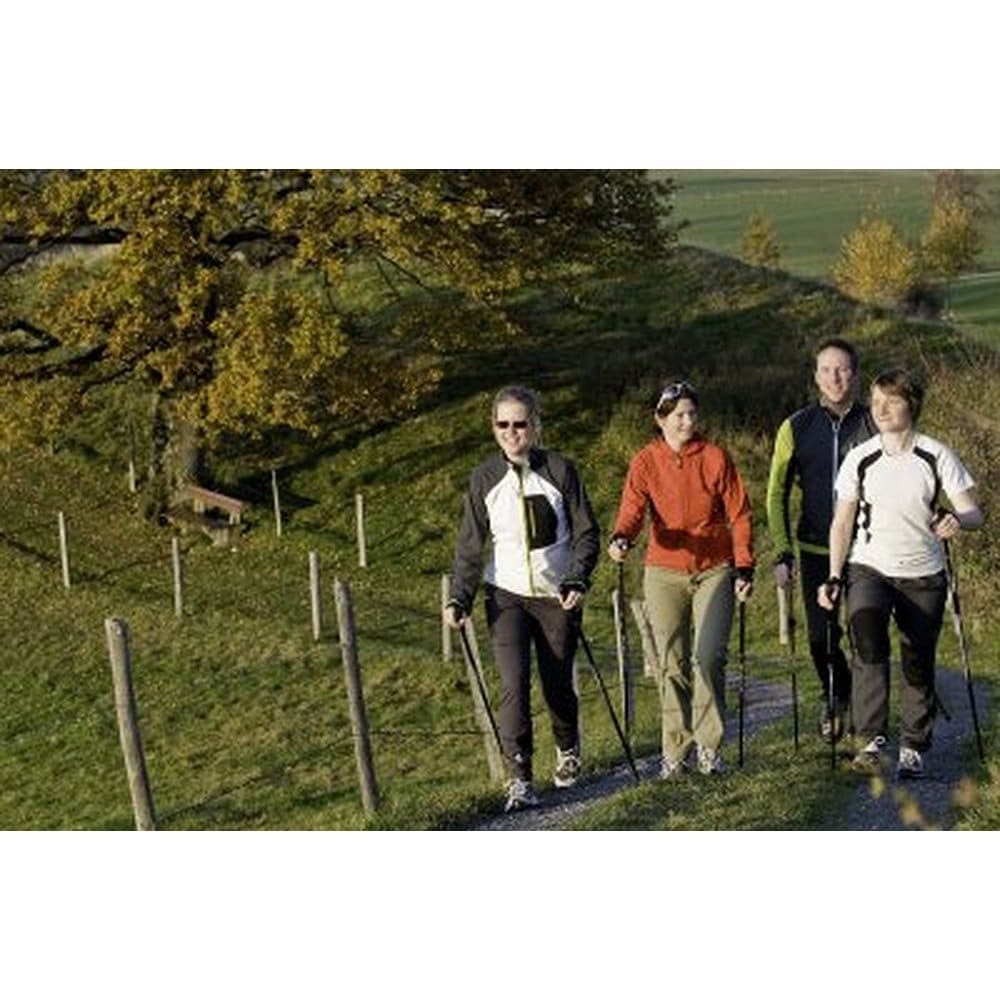
When used correctly, two walking poles provide support on either side of your body. This can encourage you to stand taller, keep your shoulders more open, and avoid excessive forward leaning.
Instead of constantly looking down at your feet, poles can also help you feel more secure as you move, making it easier to keep your head up and look ahead.
Good posture while walking can help you move more efficiently and comfortably.
Walking Poles Can Encourage a More Natural Gait
Gait is simply the way you walk—and gait can change as we age.
Some common changes include:
- Taking shorter steps
- Walking more slowly
- Reducing arm swing
- Shuffling the feet
- Looking down while walking
- Becoming more cautious with each step
Walking poles introduce an intentional rhythm to your walking pattern. As your opposite arm and leg move together, the poles can encourage a more coordinated arm-and-leg movement.
This rhythmic pattern can help make walking feel more natural and purposeful.
Two Poles Provide Added Stability
Walking with two poles gives you additional points of contact with the ground.
That doesn't mean poles should be used to support all of your body weight. Rather, they provide additional contact and feedback that can help you feel more stable while walking.
This can be especially useful when walking on:
- Uneven sidewalks
- Grass or packed trails
- Gravel
- Hills and inclines
- Other changing surfaces
Having that additional support can help increase confidence and make people more willing to stay active.
Walking Poles Get Your Upper Body Involved
Walking is often thought of as a lower-body activity, but using poles adds an upper-body component.
With proper technique, your arms, shoulders, and upper back become part of the walking motion. This can turn an ordinary walk into a more full-body activity.
For seniors looking to remain active, that's an appealing benefit: you can increase upper-body involvement without turning your walk into a complicated workout.
Poles Can Help You Feel More Confident
Confidence plays an important role in staying active.
If someone feels unsteady while walking, they may naturally begin walking more cautiously. Over time, that can mean taking fewer walks and becoming less active.
Walking poles can provide a physical reminder that you have additional support available when you need it.
That extra sense of security can make it easier to get outside, walk farther, explore new places, or simply enjoy a daily walk around the neighborhood.
Walking Poles Are Not Just for Hiking
You don't need to be an experienced hiker to benefit from walking poles.
They can be used for:
- Neighborhood walks
- Walking trails
- Park paths
- Shopping and outdoor activities
- Fitness walking
- Travel
- Indoor walking
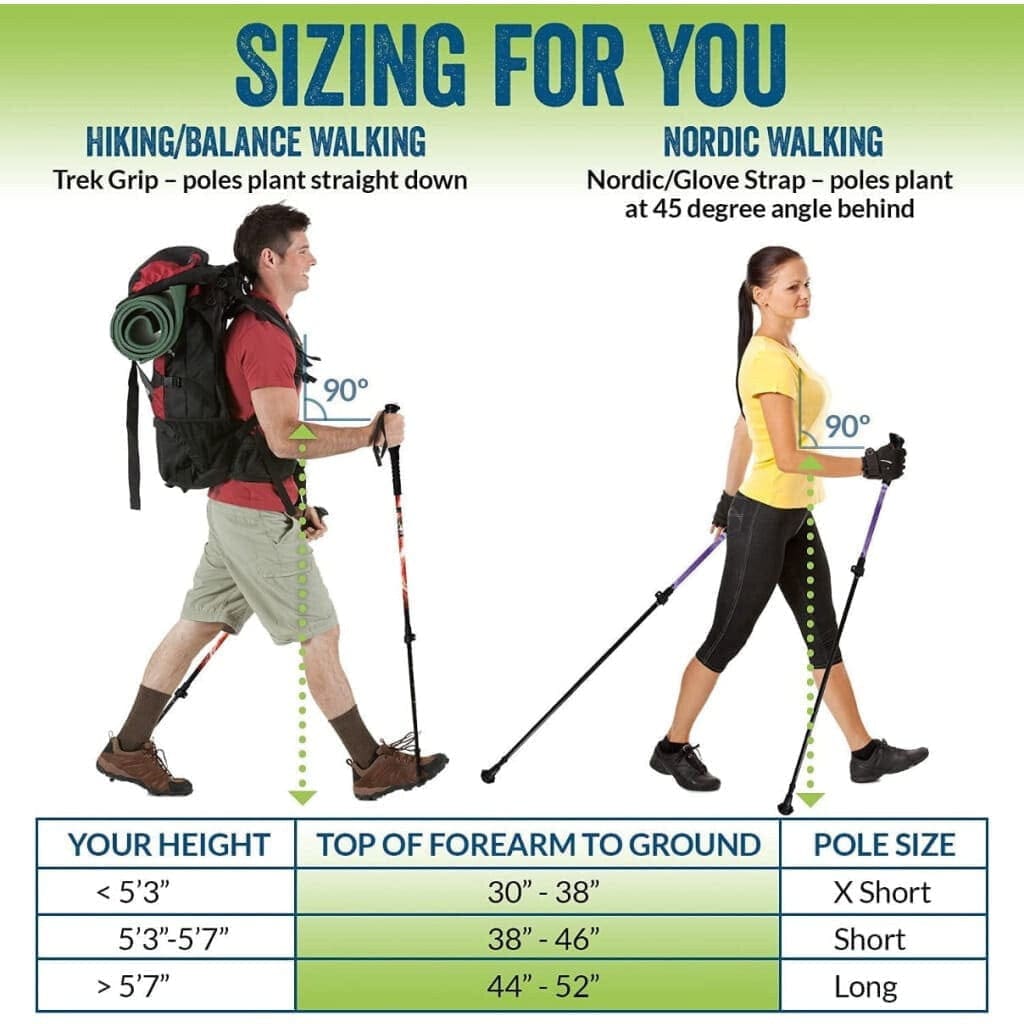
The key is learning proper technique and choosing poles that are appropriately adjusted for your height.
Getting the Most From Your Walking Poles
For the best results, your poles should be adjusted so your elbows have a comfortable bend when you're holding the grips.
Keep your shoulders relaxed, stand as tall as comfortably possible, and allow your arms to move naturally with your stride.
Start slowly and focus on creating a smooth, rhythmic pattern rather than trying to walk quickly.
If you're new to walking poles or have concerns about your balance or gait, a physical therapist or other qualified healthcare professional can help you learn proper technique.
Keep Moving, Keep Walking
Getting older doesn't mean you have to give up an active lifestyle.
Walking poles can provide a simple way to add stability, encourage better posture, engage the upper body, and promote a more coordinated walking pattern.
Most importantly, they can help make walking feel more comfortable, confident, and enjoyable.
Because sometimes the best mobility tool isn't about slowing you down—it's about helping you keep moving.
Walk taller. Walk stronger. Keep moving. Let's Get Out There!
Tags
Educational, Health Benefits of Walking, Pole Walking for Seniors, Walking Research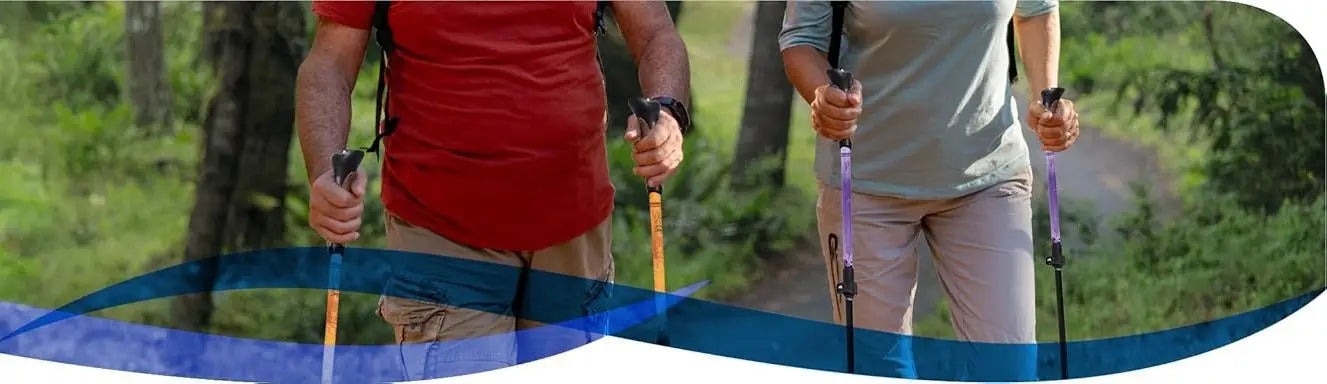



Latest Designs