



















How Tall Should My Crutches Be?
If your crutches are too tall or too short, walking with them can feel awkward, uncomfortable, and unnecessarily tiring. Proper crutch height is important for balance, posture, comfort, and safe mobility.
The good news? Adjusting your crutches to the right height is usually simple—and taking a few minutes to get the fit right can make a big difference.
How High Should Underarm Crutches Be?
When standing upright with your shoes on, the top of an underarm crutch should generally sit about 1–2 inches below your armpit.
You should not rest your body weight directly on the underarm pads. Instead, your weight should be supported primarily through your hands and the crutch grips.
A properly adjusted crutch should allow you to:
- Stand comfortably and naturally
- Keep your shoulders relaxed
- Place your hands comfortably on the grips
- Maintain a slight bend in your elbows
- Move your crutches without having to shrug your shoulders or lean excessively
How High Should the Handgrips Be?
Once you've adjusted the overall height of your crutches, the handgrips are just as important.
With your arms hanging naturally at your sides, the handgrips should generally be positioned so that your elbows have a slight bend—typically around 15–30 degrees—when you hold them.
Your wrists should remain relatively straight rather than bent sharply upward or downward.
The goal is to create a comfortable, natural position that allows your arms to support your weight without forcing your shoulders into an awkward position.
How to Tell If Your Crutches Are Too Tall
Your crutches may be too tall if:
- Your shoulders feel elevated or tense
- You have to shrug your shoulders to use the grips
- The crutch pads press firmly into your armpits
- You feel like you're leaning forward
- Your elbows are almost completely straight when holding the grips
- Walking with your crutches feels uncomfortable or unnatural
Crutches that are too tall can make it difficult to maintain proper posture and may cause unnecessary pressure around your shoulders and underarms.
How to Tell If Your Crutches Are Too Short
Crutches may be too short if:
- You find yourself leaning forward while walking
- Your shoulders are lower than the crutch grips
- Your elbows are excessively bent
- You feel hunched over
- You have difficulty taking a natural step
- Your hands, wrists, or shoulders become uncomfortable while using them
If you have to bend significantly at the waist to use your crutches, they are likely not adjusted correctly.
A Quick At-Home Crutch Height Check
Here's a simple way to check your crutch fit:
1. Put on the shoes you normally wear while using your crutches.
Your footwear can change your overall height, so it's best to make adjustments while wearing your everyday shoes.
2. Stand upright and relax your shoulders.
Don't lean forward or stand on your toes.
3. Position the crutches next to your feet.
The crutch tips should sit slightly out from your feet rather than directly underneath your armpits.
4. Check the underarm pads.
There should be approximately 1–2 inches of space between the top of the crutch pad and your armpit.
5. Check the handgrips.
Your elbows should have a slight, comfortable bend when your hands are resting on the grips.
6. Walk a few steps.
Pay attention to how your shoulders, wrists, elbows, and back feel. Properly adjusted crutches should feel stable and relatively natural—not like something you have to fight with every step.
Don't Put Your Weight on Your Armpits
One of the most important things to remember when using underarm crutches is that your hands—not your armpits—should bear your weight.
The underarm pads help position and stabilize the crutches, but leaning heavily on them can create unnecessary pressure and discomfort.
Instead, keep your shoulders relaxed and use the handgrips to support your body as you move.
What About Crutches for Taller or Shorter People?
Standard crutches don't always provide the ideal fit for every person. Someone who is particularly tall or short may need a crutch with a greater range of adjustment.
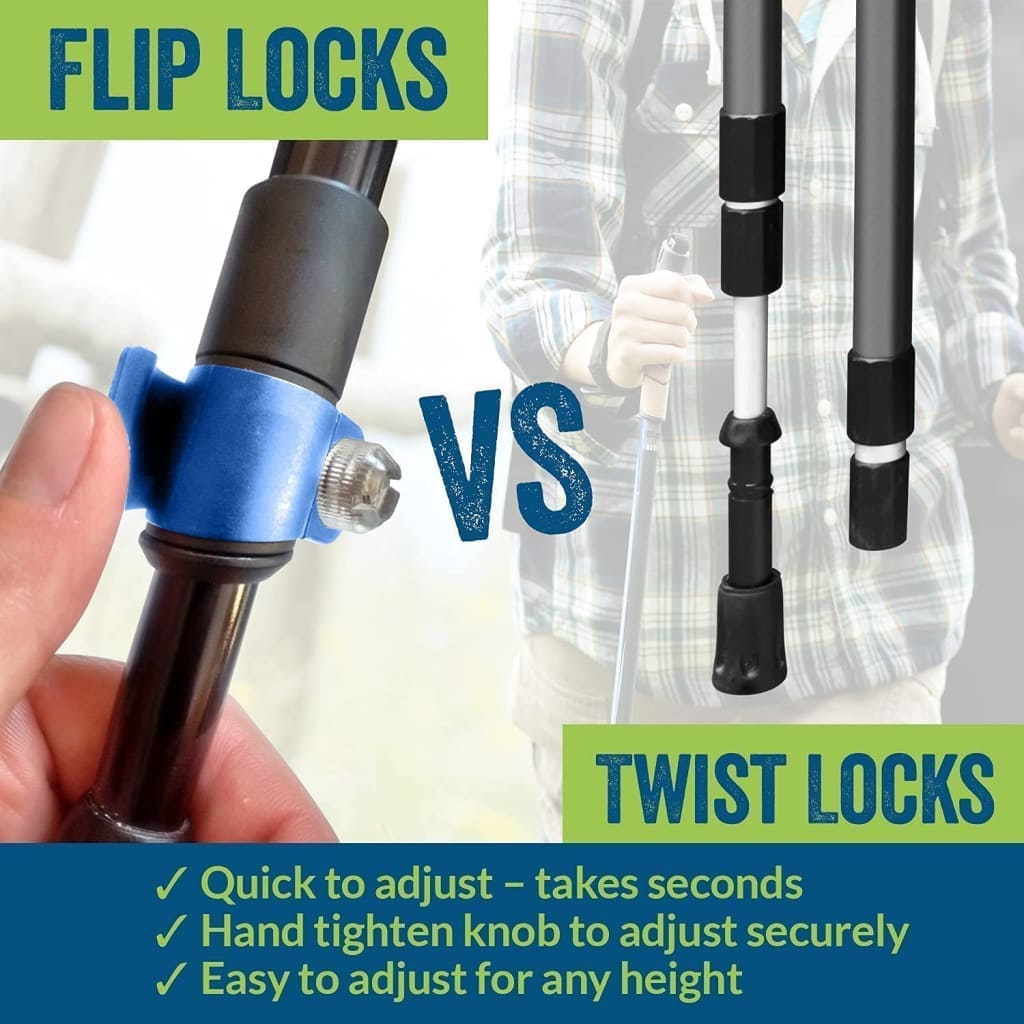
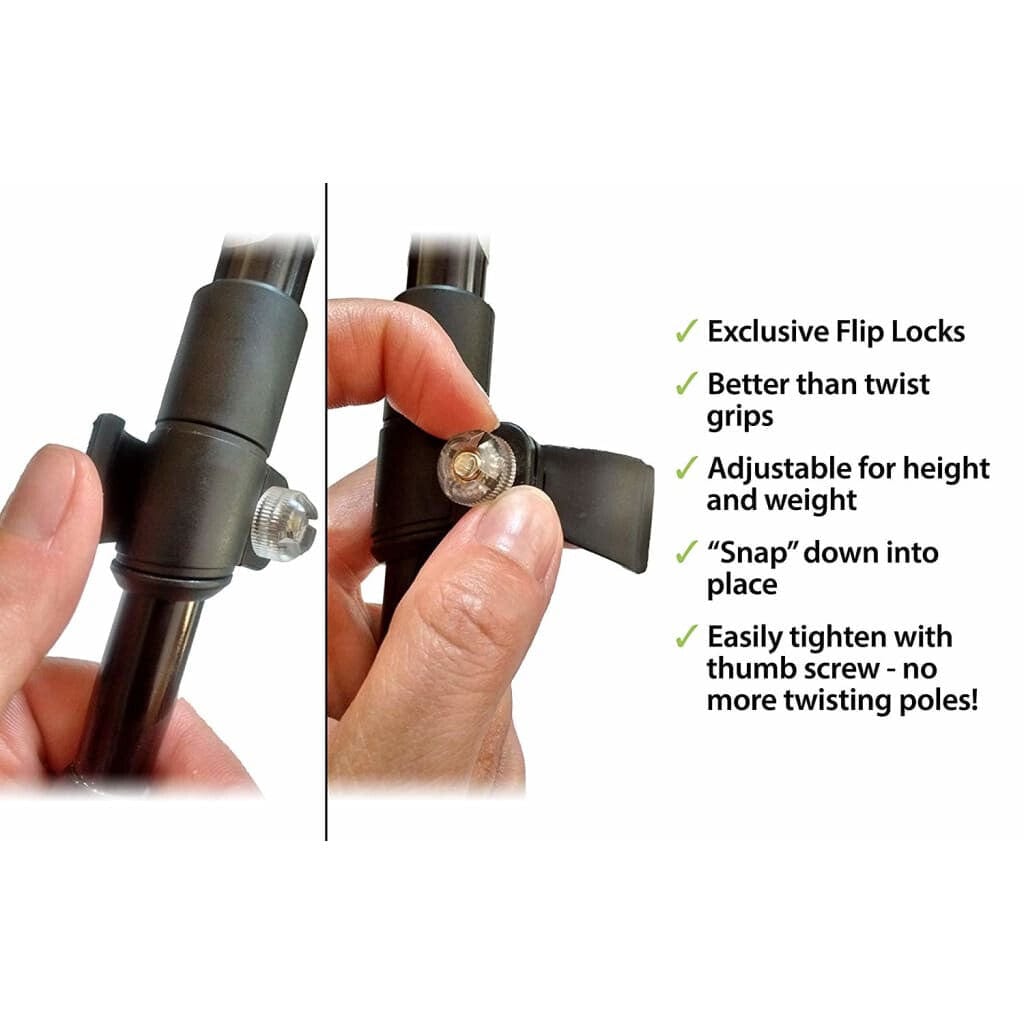
This is one reason adjustable crutches can be especially useful. The ability to independently adjust the crutch height and handgrip position makes it easier to create a more personalized fit.
What About Spring-Cushioned Crutches?
Some modern crutches take customization a step further.
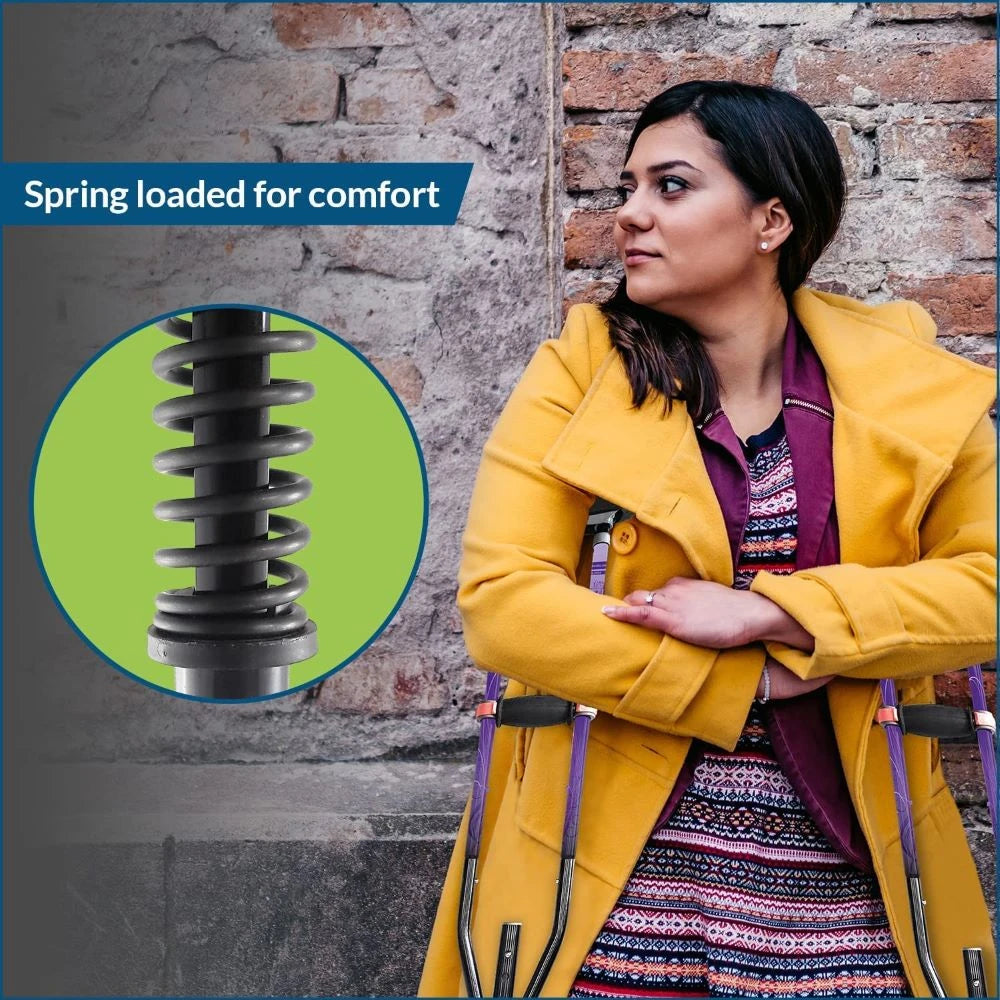
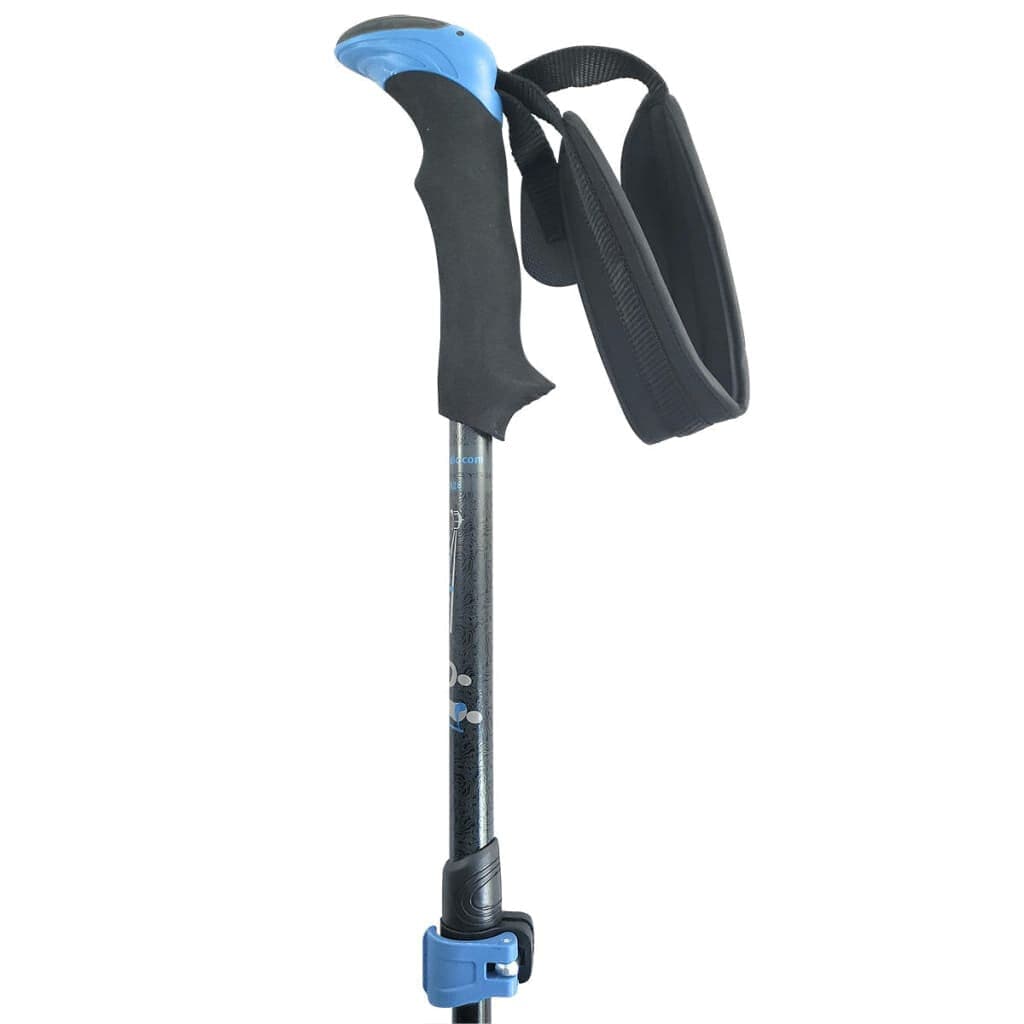
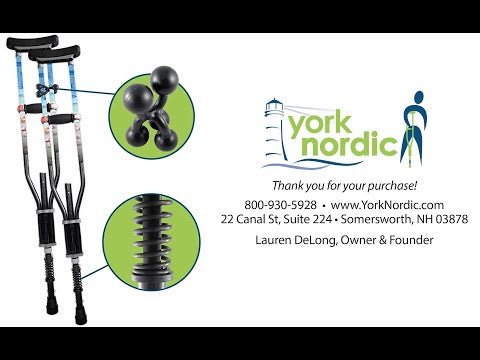
York Nordic Underarm Spring Cushion Crutches, for example, combine adjustable height with a spring-cushioned design intended to provide a more comfortable experience for people who need crutches for extended periods.
The spring mechanism helps absorb some of the impact associated with each step, while adjustable handgrips allow users to fine-tune their positioning.
For people who are using crutches for more than a few days, comfort and proper fit can become particularly important.
How Often Should You Check Your Crutch Height?
It's a good idea to recheck your crutch adjustment whenever something changes—such as:
- Switching to different shoes
- Changing the way you use your crutches
- Experiencing new discomfort
- Adjusting the handgrips
- Sharing or borrowing crutches
- Using crutches for an extended period
Even a small change in positioning can affect your posture and comfort.
The Bottom Line
The right crutch height isn't simply about matching your height to a number on a chart. Proper fit is about how your entire body is positioned while you use the crutches.
For underarm crutches, start with approximately 1–2 inches of clearance between the underarm pad and your armpit, then adjust the handgrips so your elbows have a slight bend and your shoulders remain relaxed.
If your crutches cause discomfort, make you hunch forward, force you to shrug your shoulders, or feel unstable, they may need to be adjusted.
And if you're using crutches for an extended period, investing in a comfortable, properly adjustable pair can make everyday mobility considerably easier.
When in doubt, ask your doctor, physical therapist, or other qualified healthcare professional to check your crutch fit.