


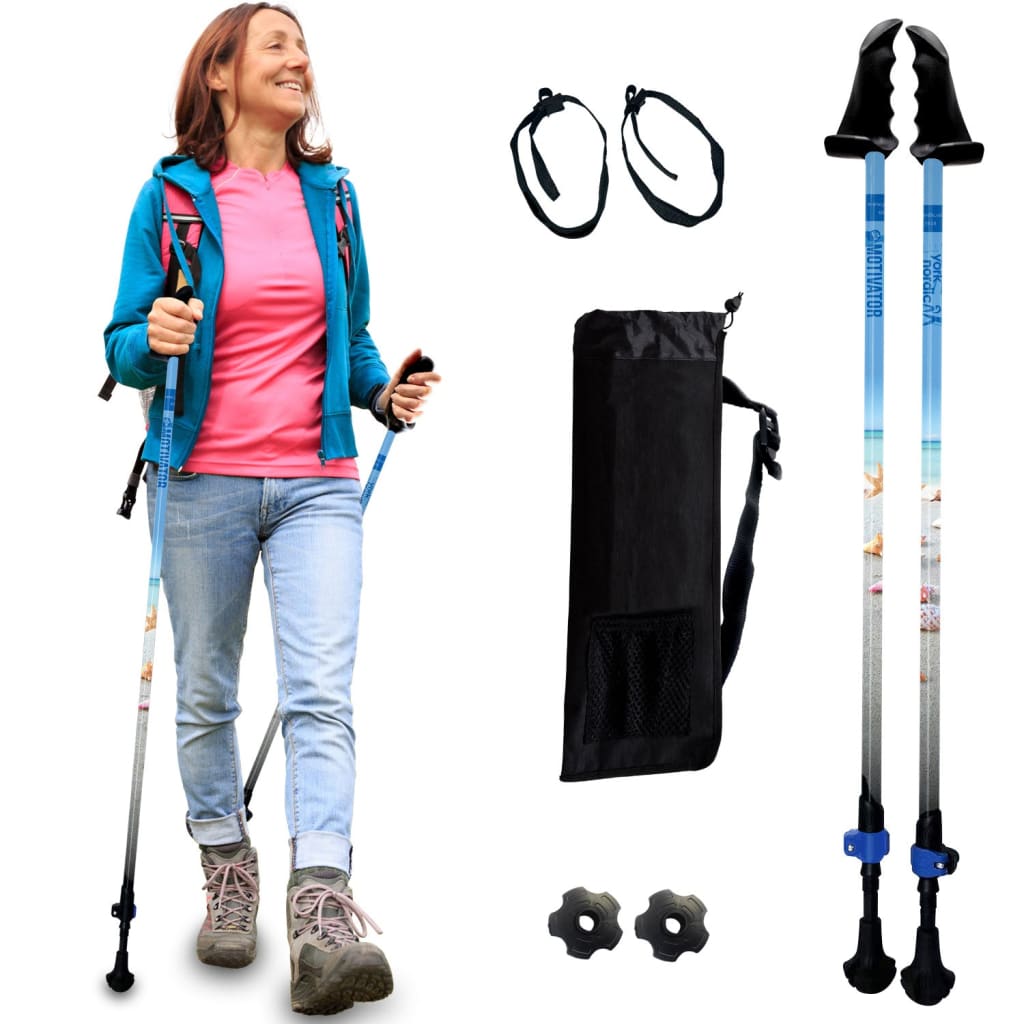
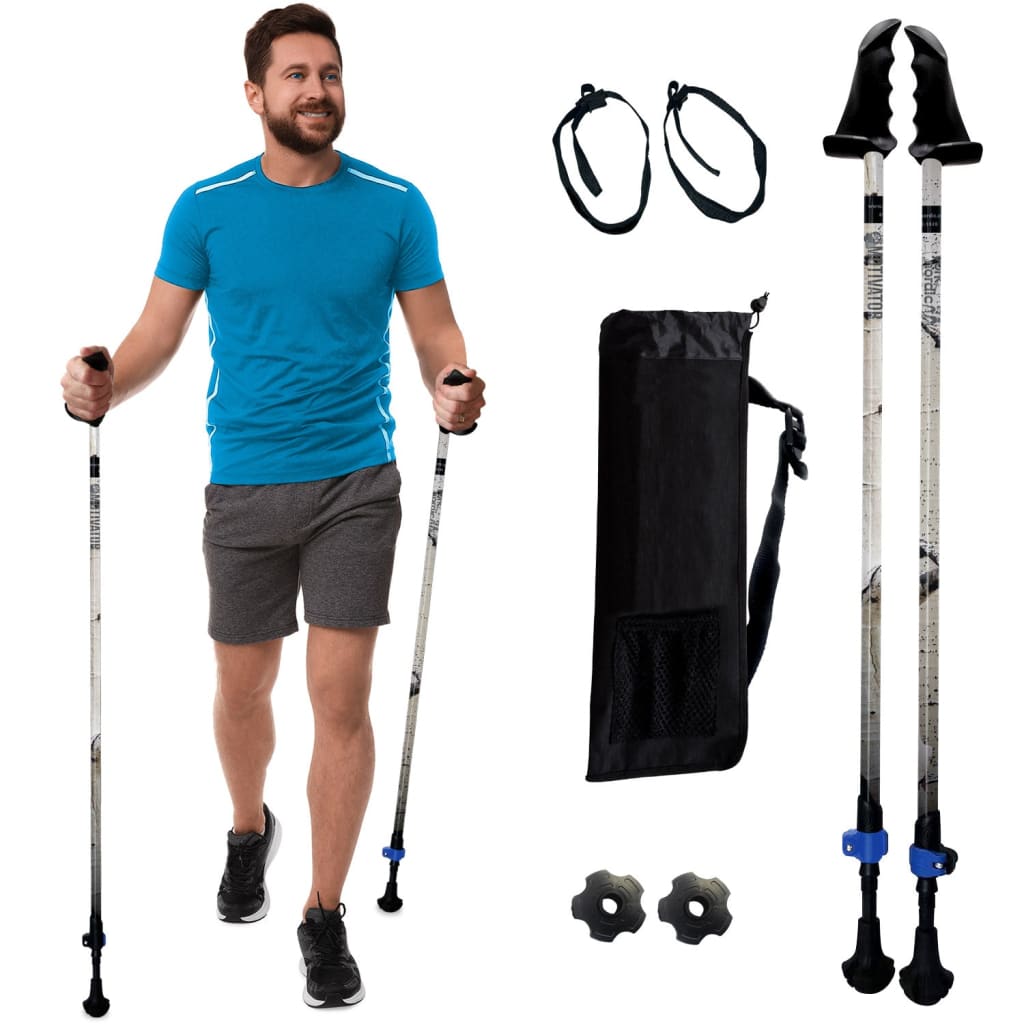
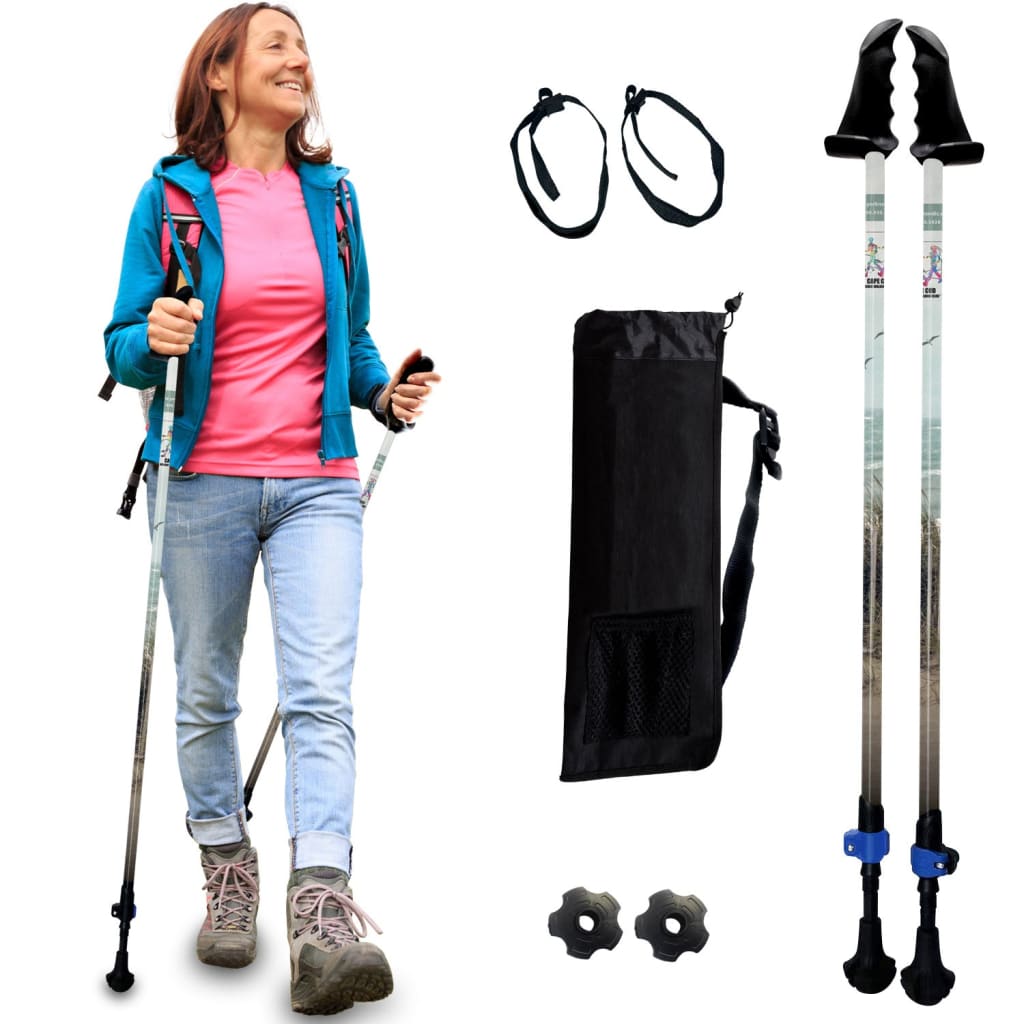
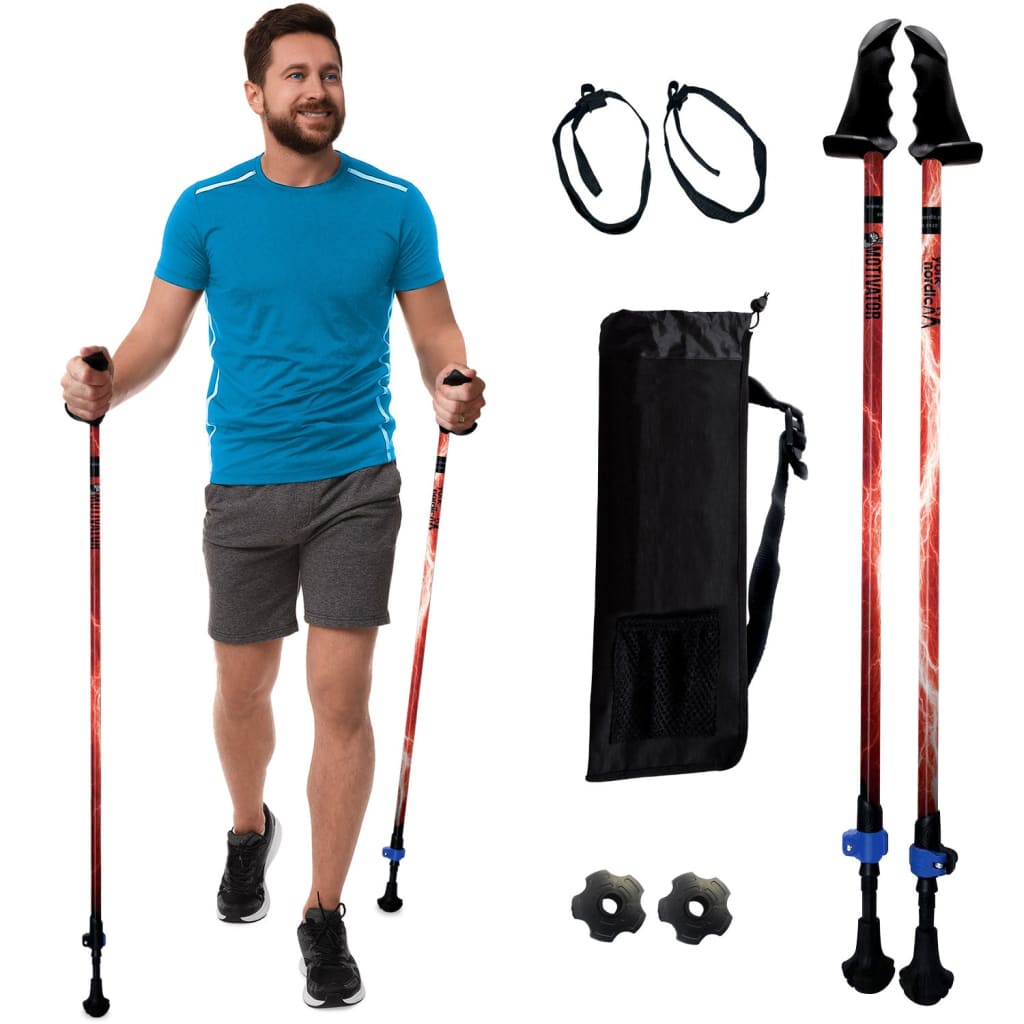
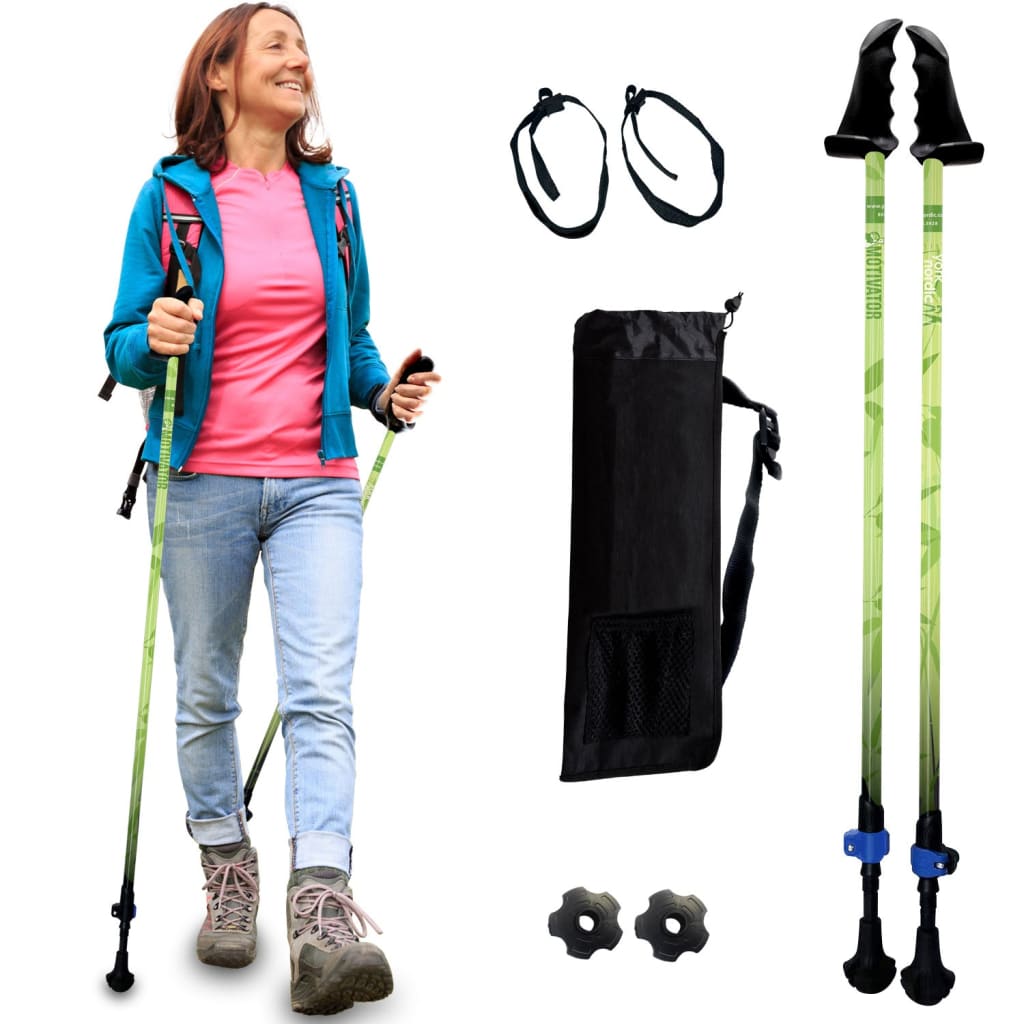
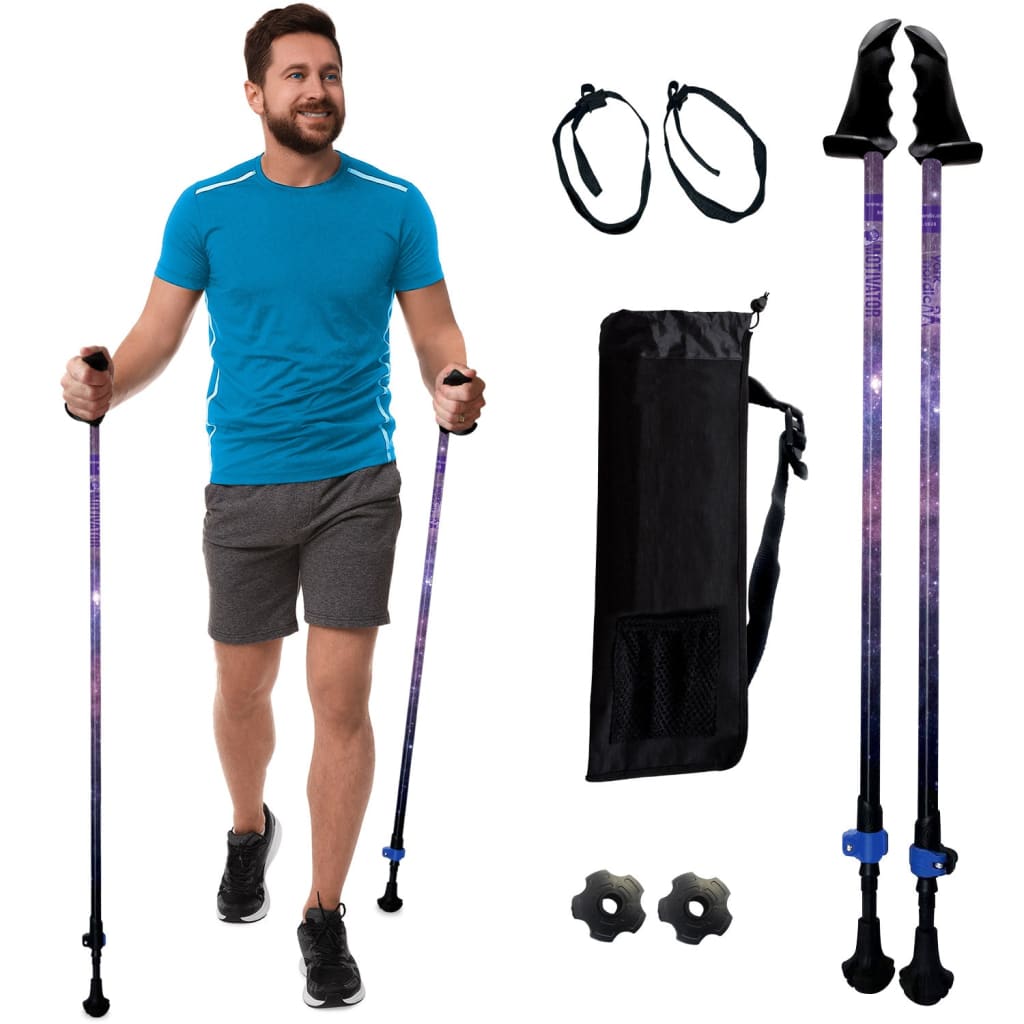
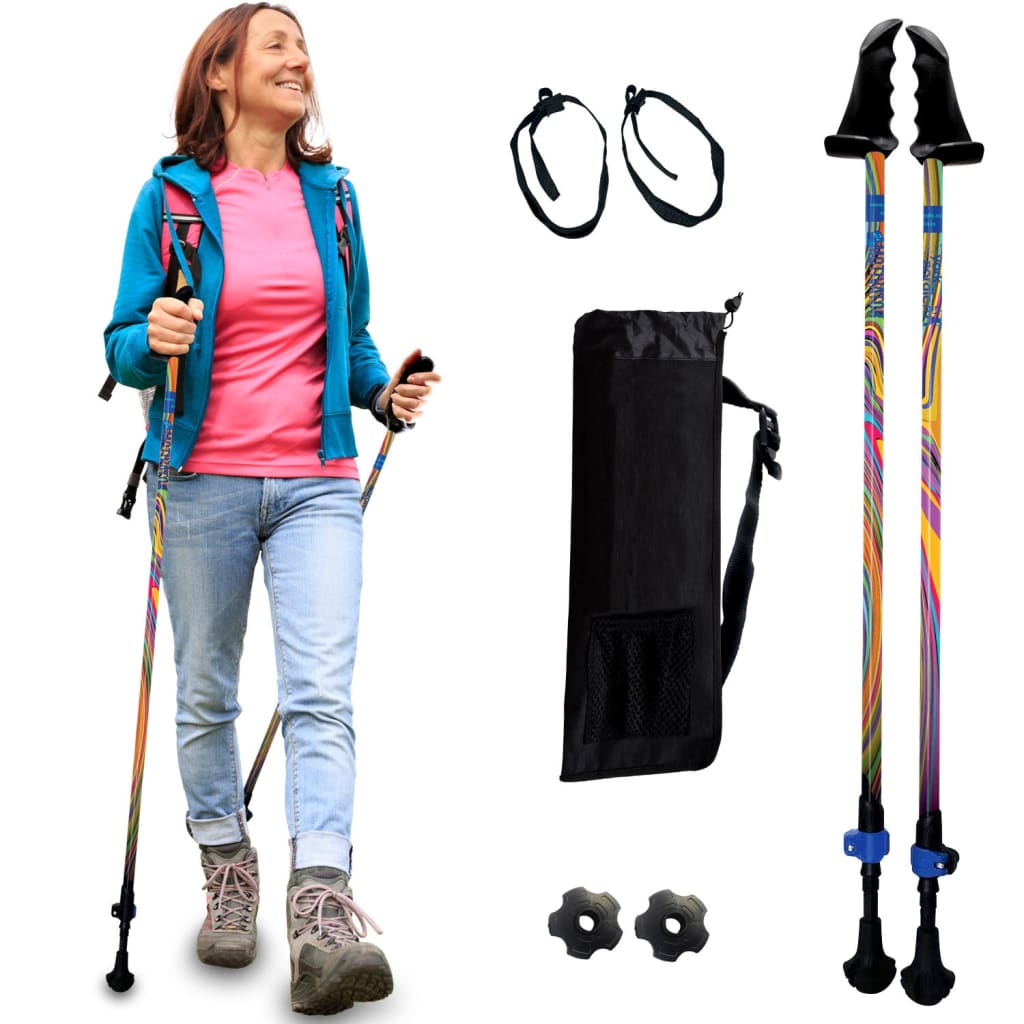
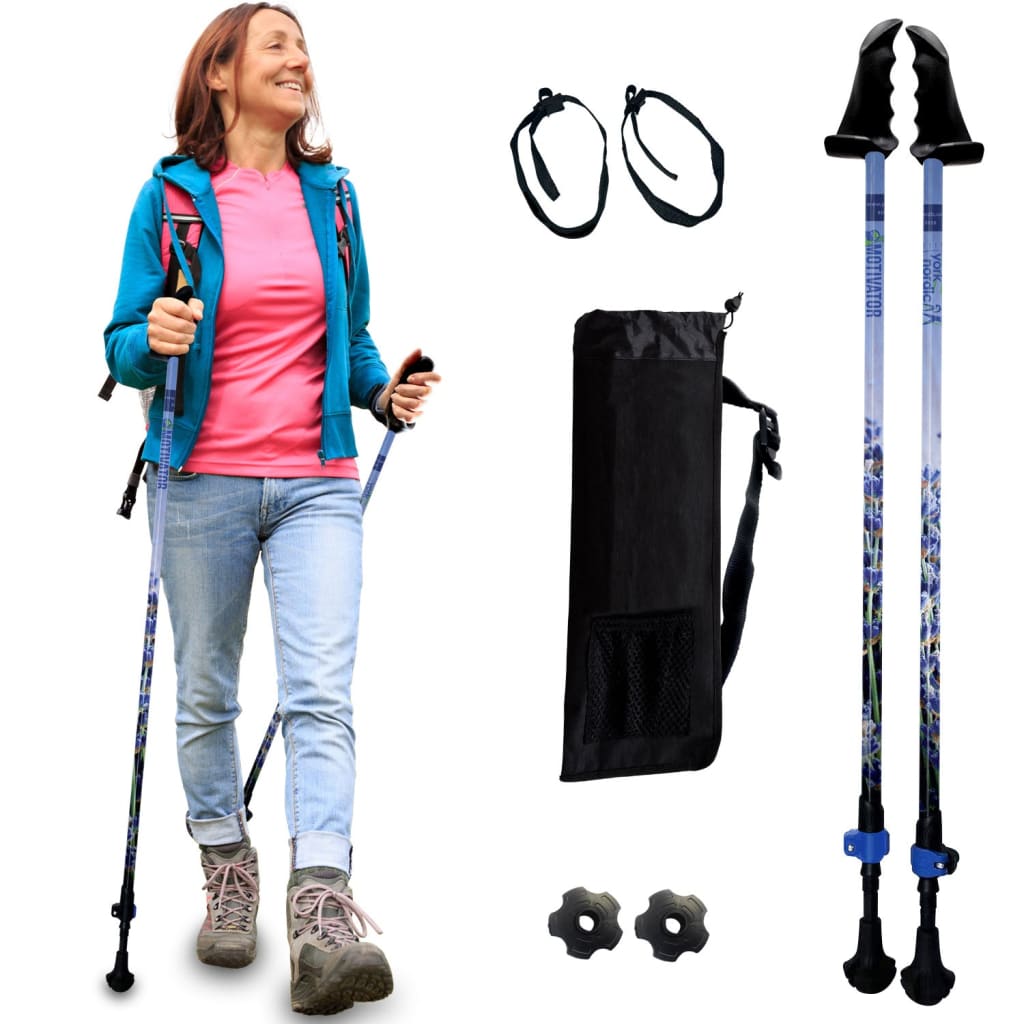















Nordic Walking News and Updates
How to Walk with Poles on Hills, Trails and Pavement | York Nordic
Walking poles can transform an ordinary walk into a more comfortable, stable, and effective workout. Whether you're exploring wooded trails, climbing steep hills, or simply taking your daily neighborhood walk, using the right technique for the terrain helps you get the most out of every step.
The good news? You don't need to be an expert. With just a few simple adjustments, you'll quickly feel more confident and comfortable wherever your walk takes you.
Walking on Pavement
Many people assume walking poles are only for hiking, but they're just as valuable on sidewalks, paved paths, and neighborhood streets.
On flat pavement:
- Plant each pole opposite your stepping foot (right pole with left foot, left pole with right foot).
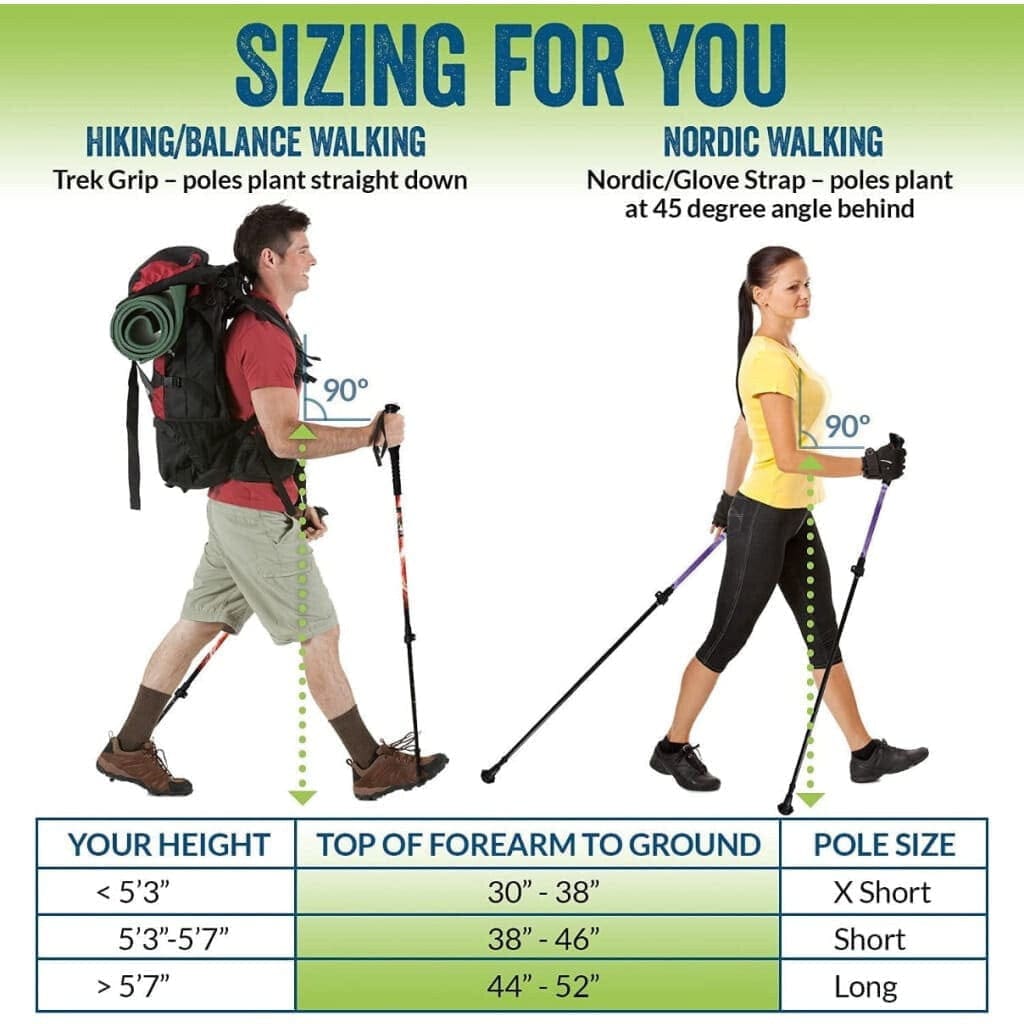
- Keep your elbows relaxed and bent about 90 degrees.
- Let the poles swing naturally from your shoulders instead of reaching too far forward.
- Push gently through the pole with each stride to help propel yourself forward.
This technique helps:
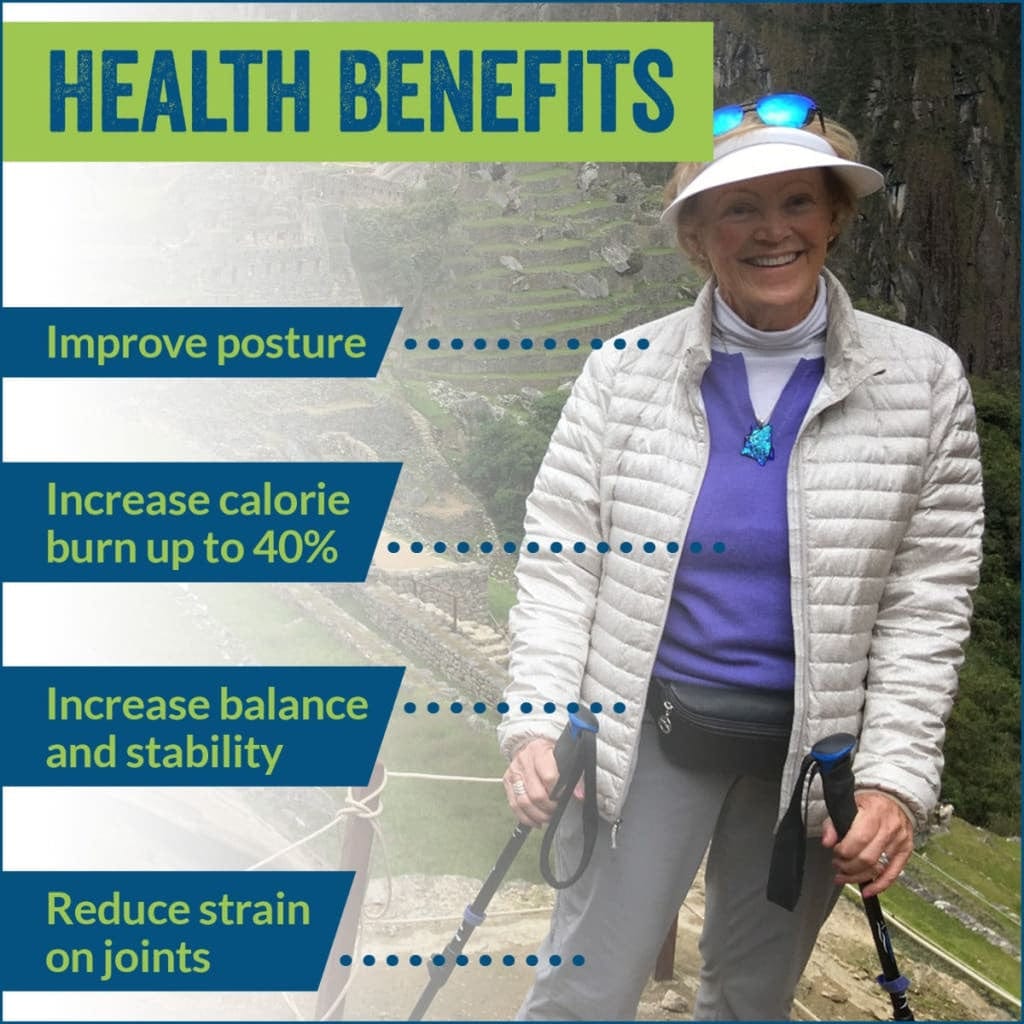
- Improve posture
- Engage your core muscles
- Reduce stress on your knees and hips
- Increase calorie burn compared to walking without poles
Don't Forget Your Pole Tips
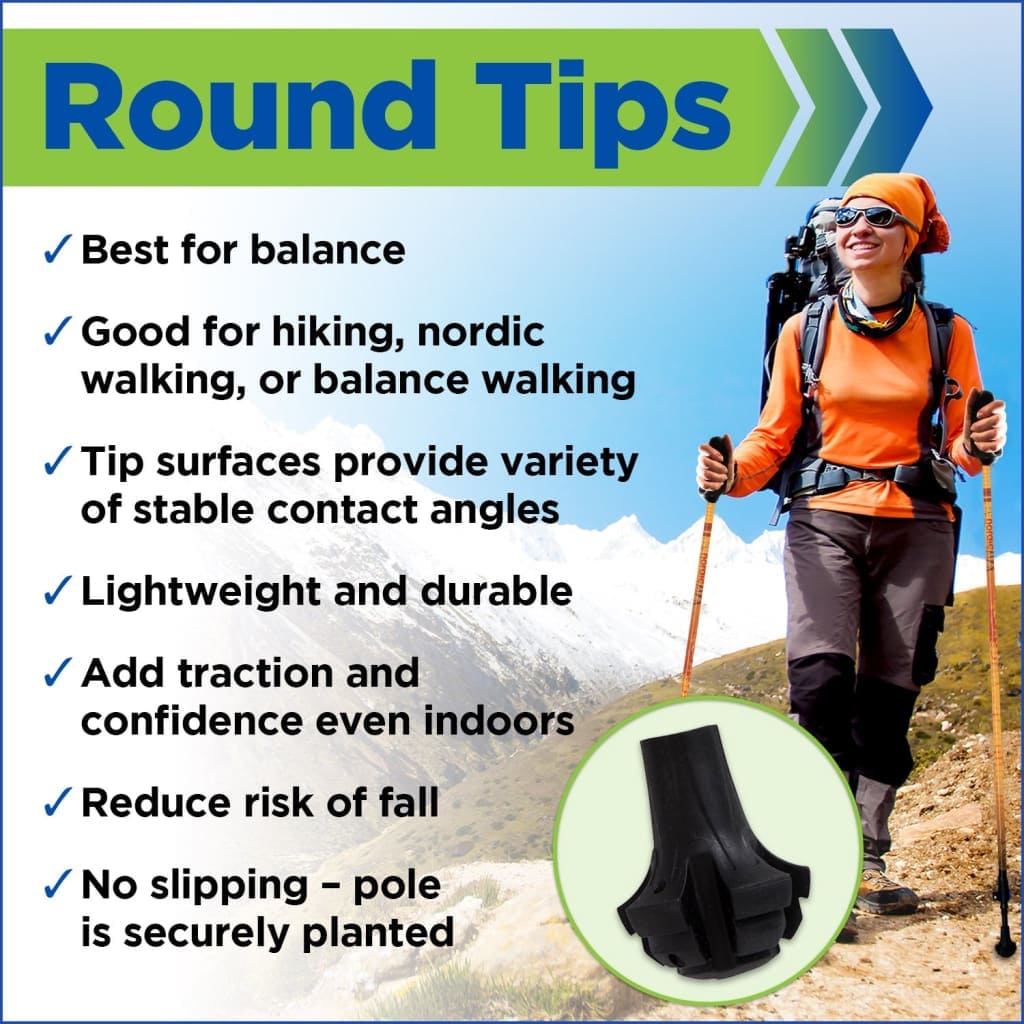
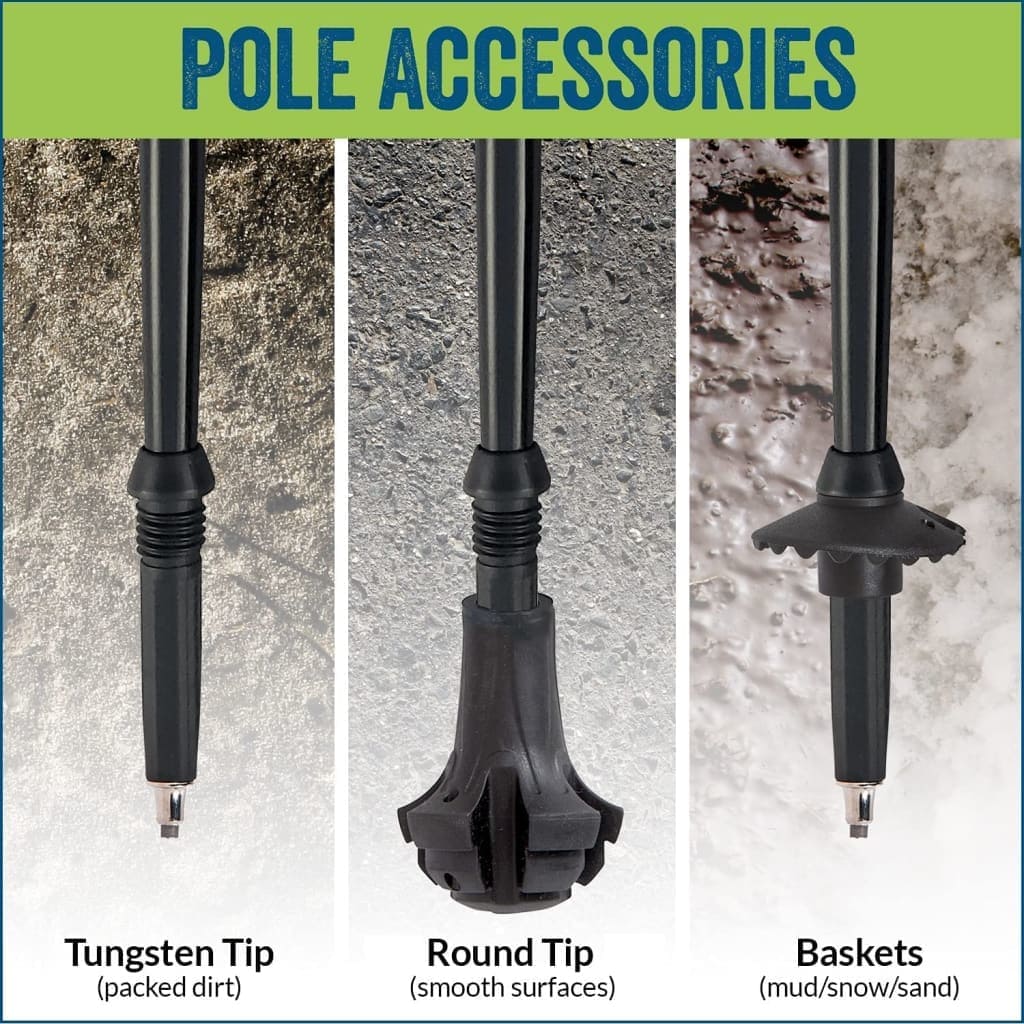
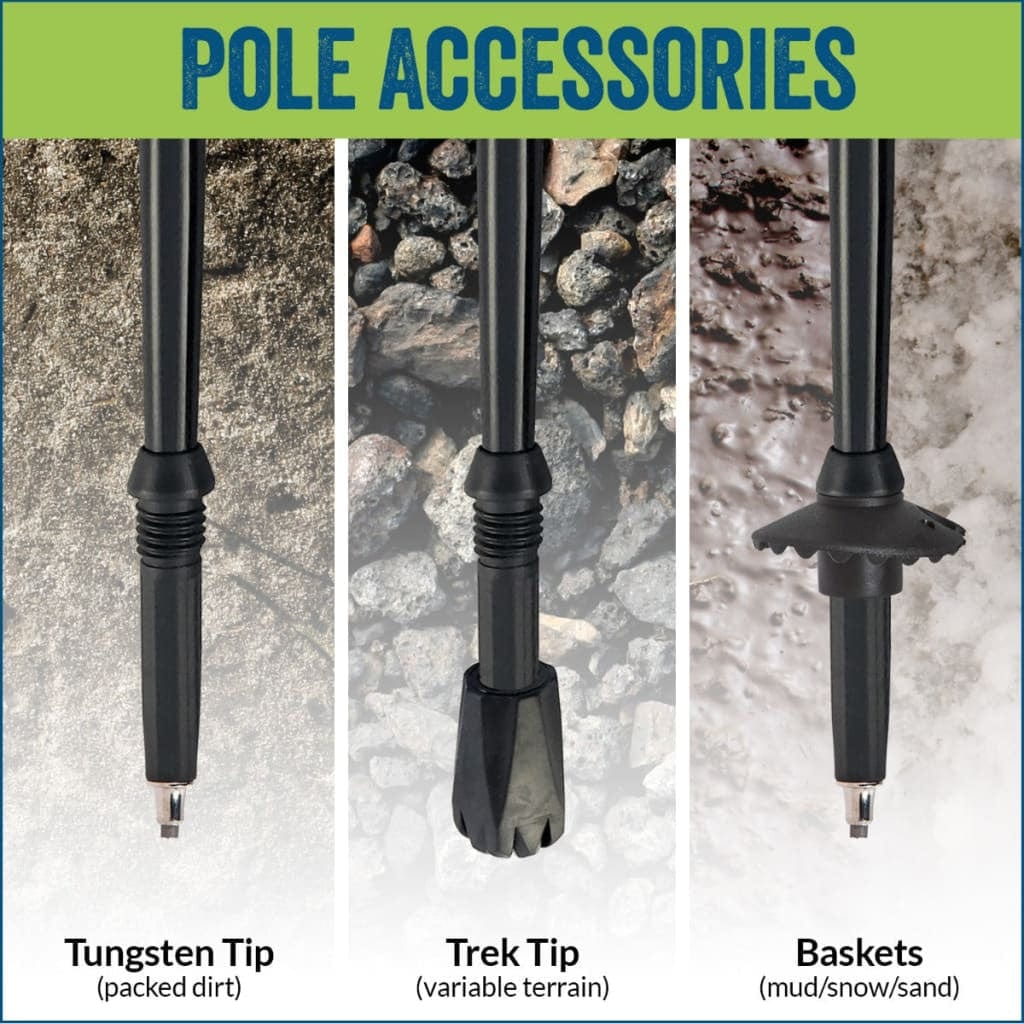
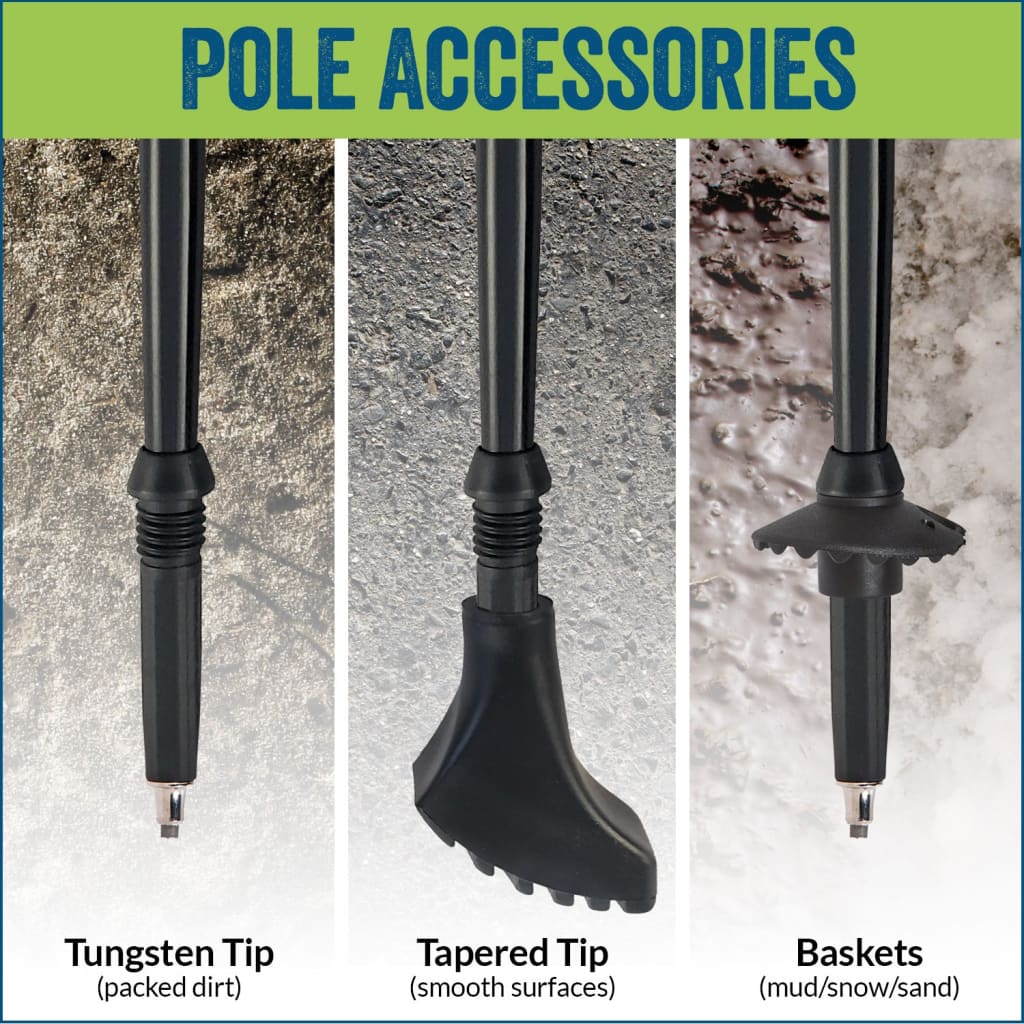
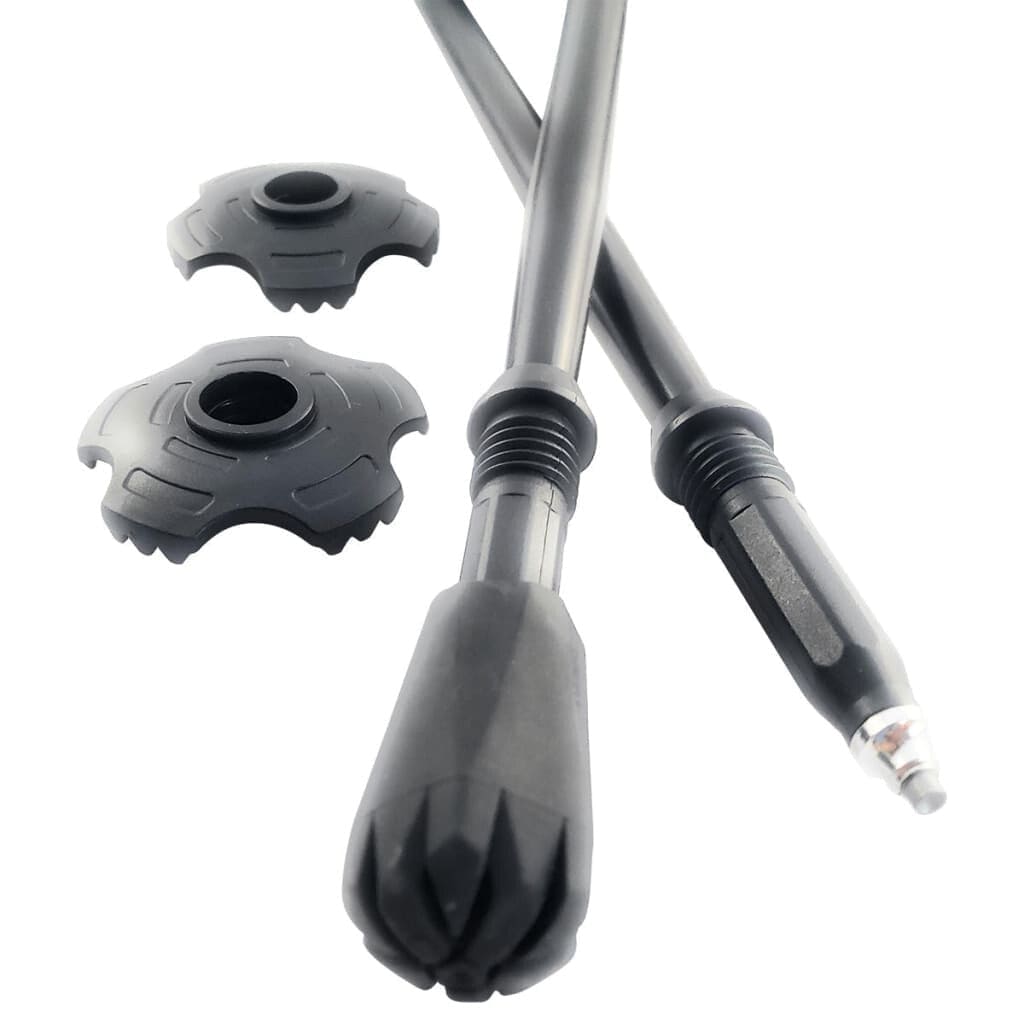
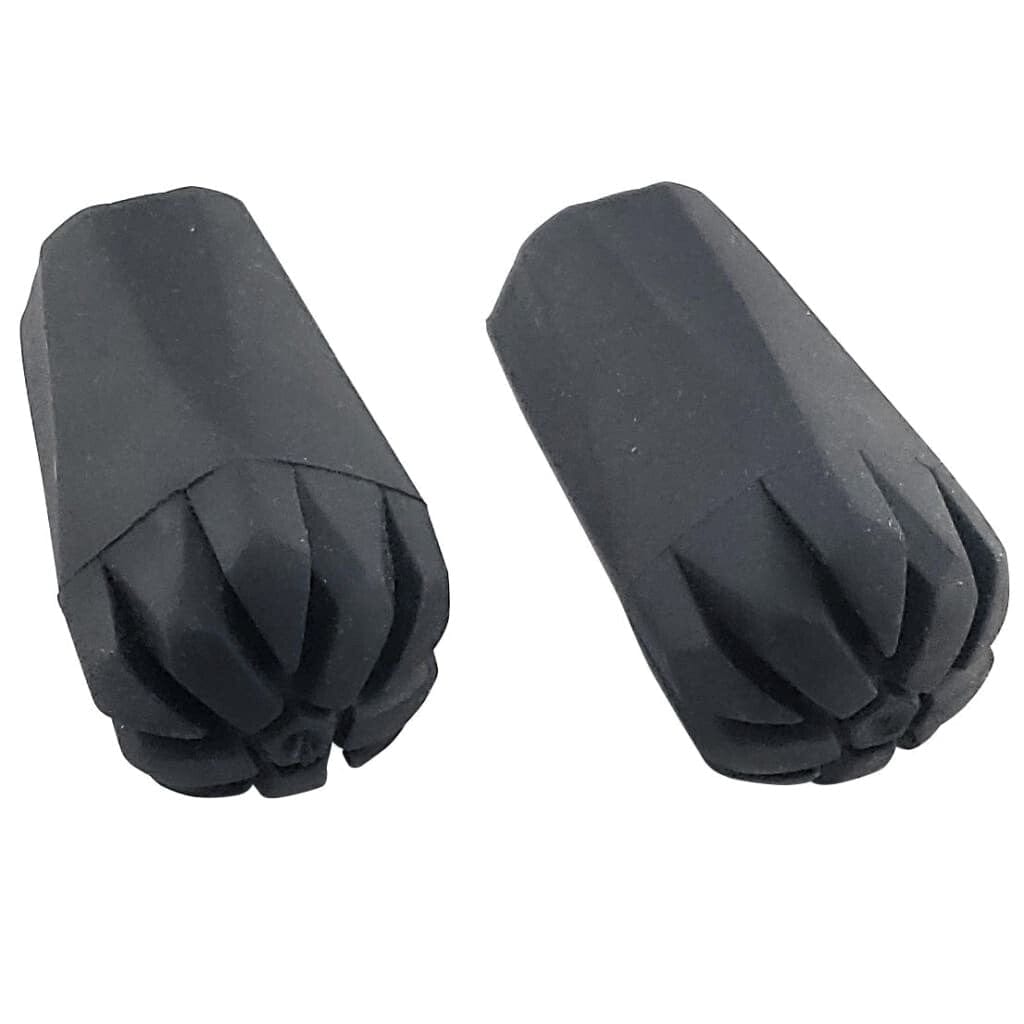
If you're walking primarily on pavement, use rubber walking tips. They provide better traction, reduce vibration, and help protect both your poles and the walking surface.
Walking Uphill
Hills are where walking poles really shine. As the incline increases, shorten your stride and use your poles to help drive you uphill rather than relying entirely on your legs.
A few helpful tips:
- Plant both poles slightly ahead of you.
- Lean forward from your ankles—not your waist.
- Push through the poles as you step upward.
- Take shorter, steady steps instead of trying to maintain your normal pace.
Using poles on climbs can reduce leg fatigue while allowing your upper body to share more of the workload.
Walking Downhill
Many people find descents harder than climbs because of the extra impact placed on the knees and hips. Walking poles provide additional stability and help absorb some of that impact.
When heading downhill:
- Lengthen your poles slightly if your model allows.
- Place the poles in front of you before each step.
- Keep your knees slightly bent.
- Stay upright instead of leaning too far backward.
- Take controlled, deliberate steps.
Your poles become extra points of contact, improving balance and helping you navigate uneven terrain with confidence.
Walking on Trails
Trails introduce roots, rocks, loose gravel, mud, and uneven footing. Walking poles help you stay balanced while reducing the chance of slips and falls.
On natural trails:
- Keep your eyes focused several feet ahead.
- Plant the pole on stable ground whenever possible.
- Use shorter pole placements on technical sections.
- Let the poles help you test uncertain footing before stepping.
On rocky or uneven terrain, it's perfectly fine to break from the standard alternating rhythm. Place your poles wherever they provide the best support and stability.
Crossing Obstacles
Whether you're stepping over roots, navigating rocks, or crossing a small stream, poles provide extra confidence. Use both poles to stabilize yourself before stepping over obstacles. Take your time and don't hesitate to reposition your poles if needed.
Remember: stability is more important than maintaining a perfect walking rhythm.
Adjusting Pole Length
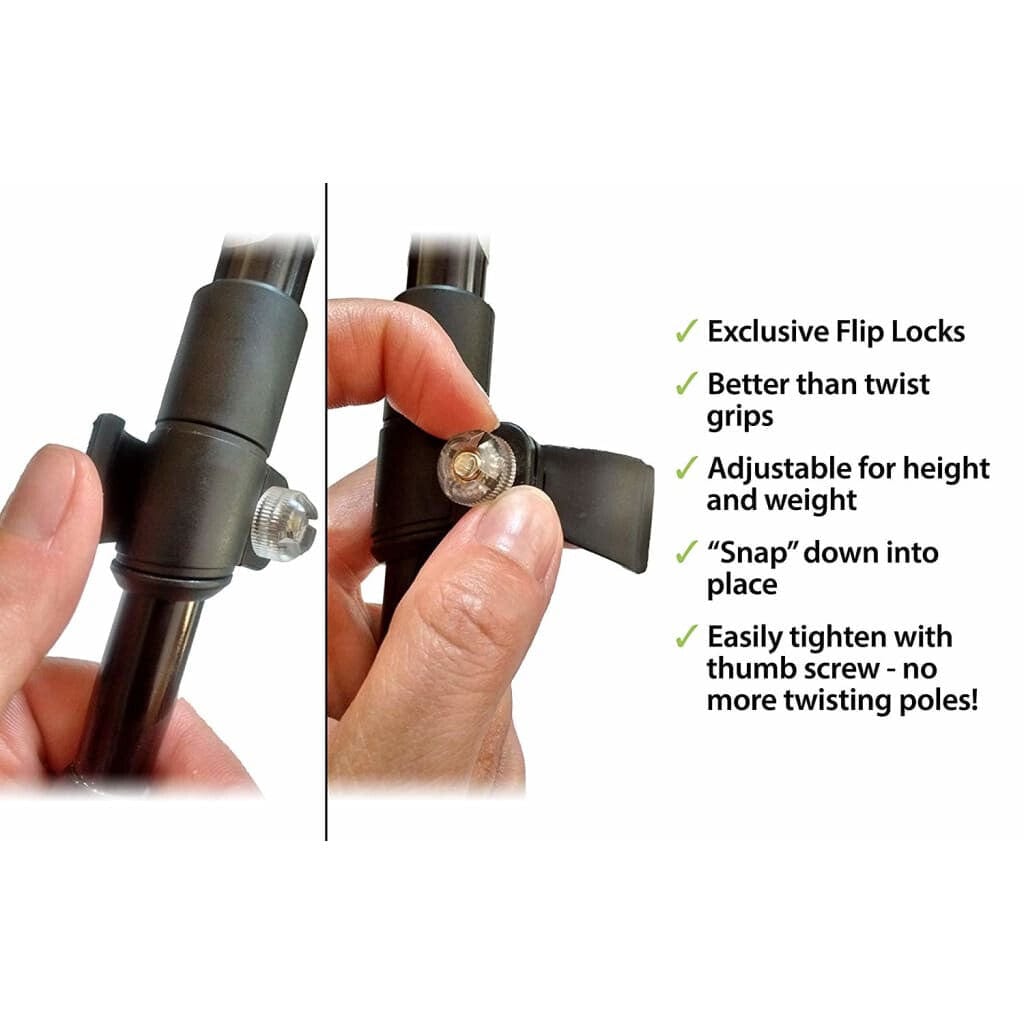
Many adjustable walking poles make changing length quick and easy.
As a general guideline:
- Flat ground: Elbows should be about 90 degrees.
- Uphill: Shorten the poles slightly.
- Downhill: Lengthen the poles slightly.
These small adjustments improve comfort and efficiency throughout your walk.
Common Mistakes to Avoid
Even experienced walkers occasionally fall into bad habits.
Watch out for these common mistakes:
- Gripping the handles too tightly.
- Planting poles too far in front of your body.
- Walking with stiff arms.
- Looking down at your feet instead of ahead.
- Forgetting to adjust pole length for steep terrain.
Relaxed movements are usually the most efficient movements.
Confidence Comes with Practice
Like riding a bike, walking with poles quickly becomes second nature.
Start on a flat paved path to develop your rhythm. Once you're comfortable, venture onto gentle hills before tackling more challenging trails.
Within just a few walks, most people notice better posture, improved balance, and less fatigue—especially on longer outings.
Ready to Explore More?
Whether your favorite route is a quiet neighborhood sidewalk, a scenic park trail, or a mountain overlook, walking poles help you move with greater confidence and comfort.
The key is simple: adjust your technique to match the terrain, stay relaxed, and let the poles do some of the work.
Once you experience how much easier hills become, how stable trails feel, and how enjoyable longer walks can be, you may never want to walk without them. Let's Get Out There!
Tags
Customer Highlight, Educational, Nordic Walking Tips and Tricks, Pole Walking for Seniors


Latest Designs