


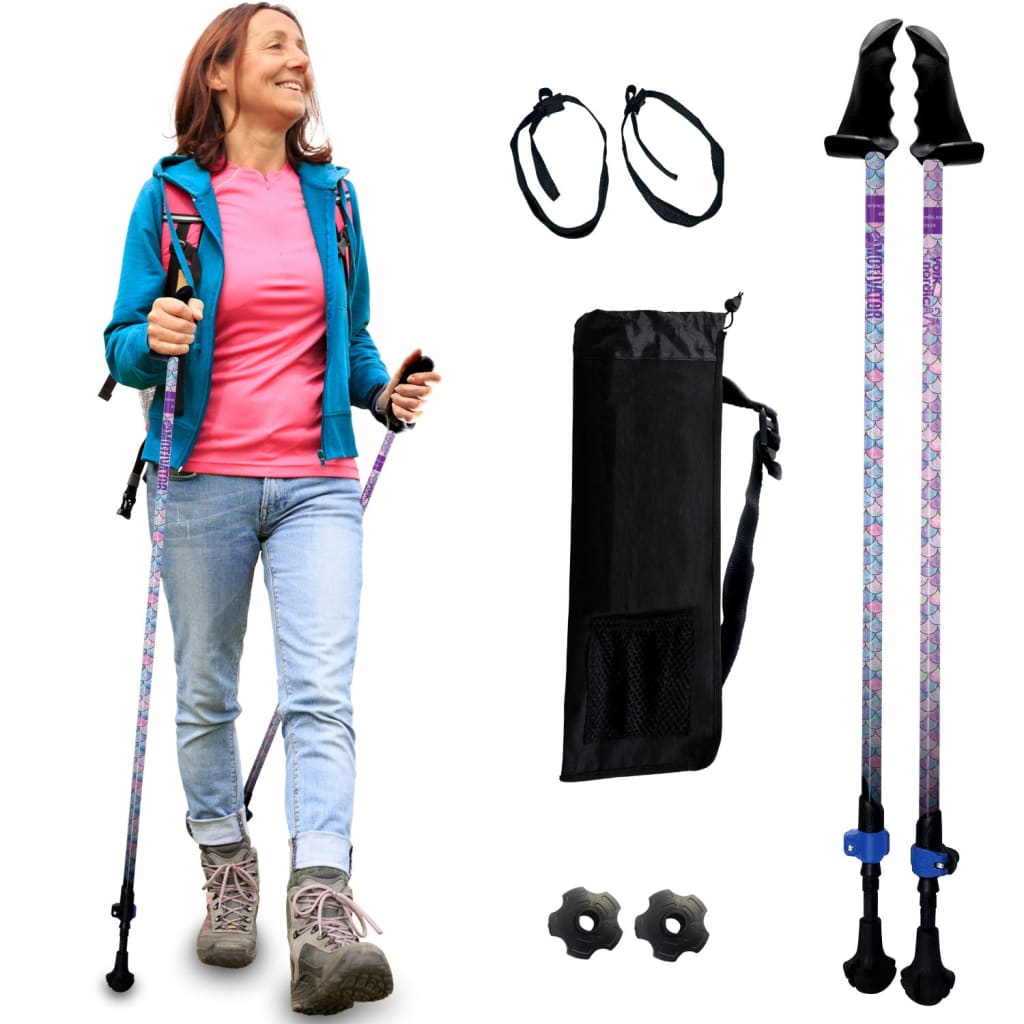
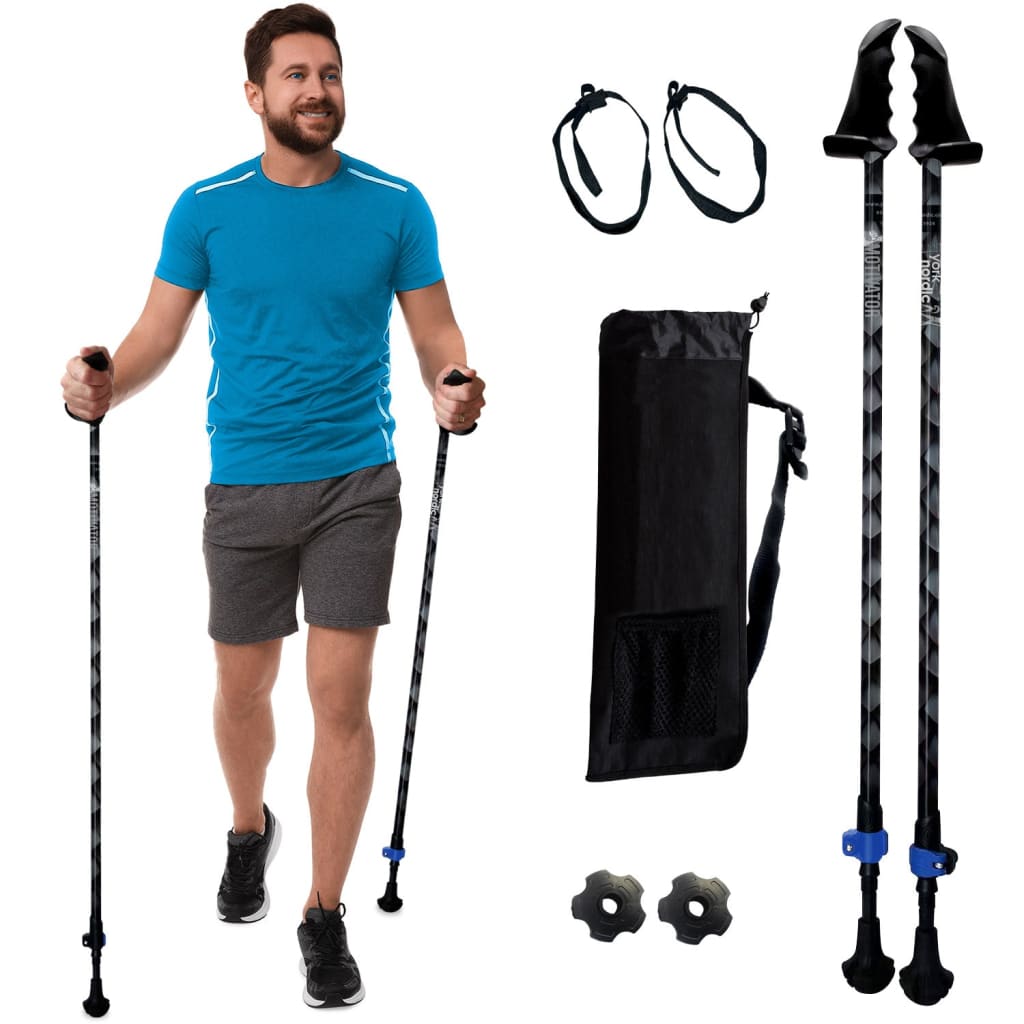
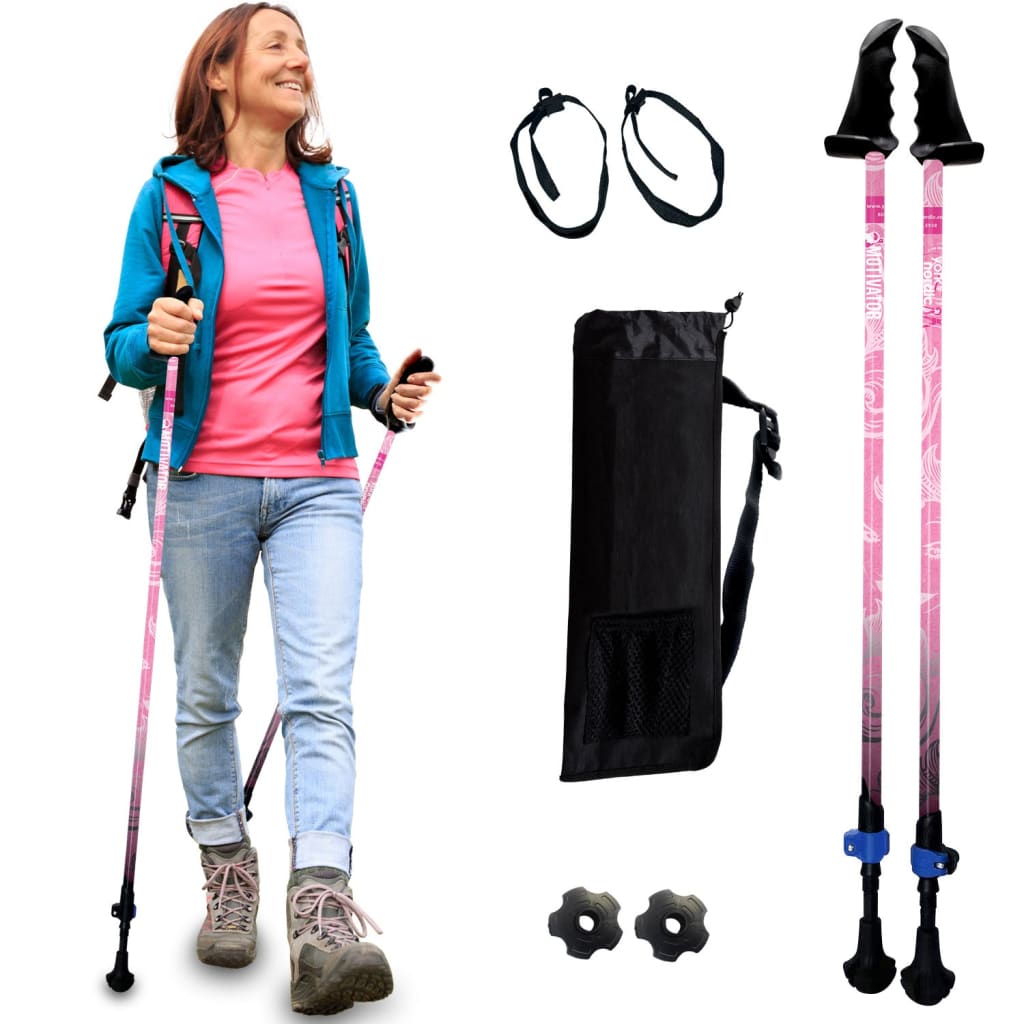
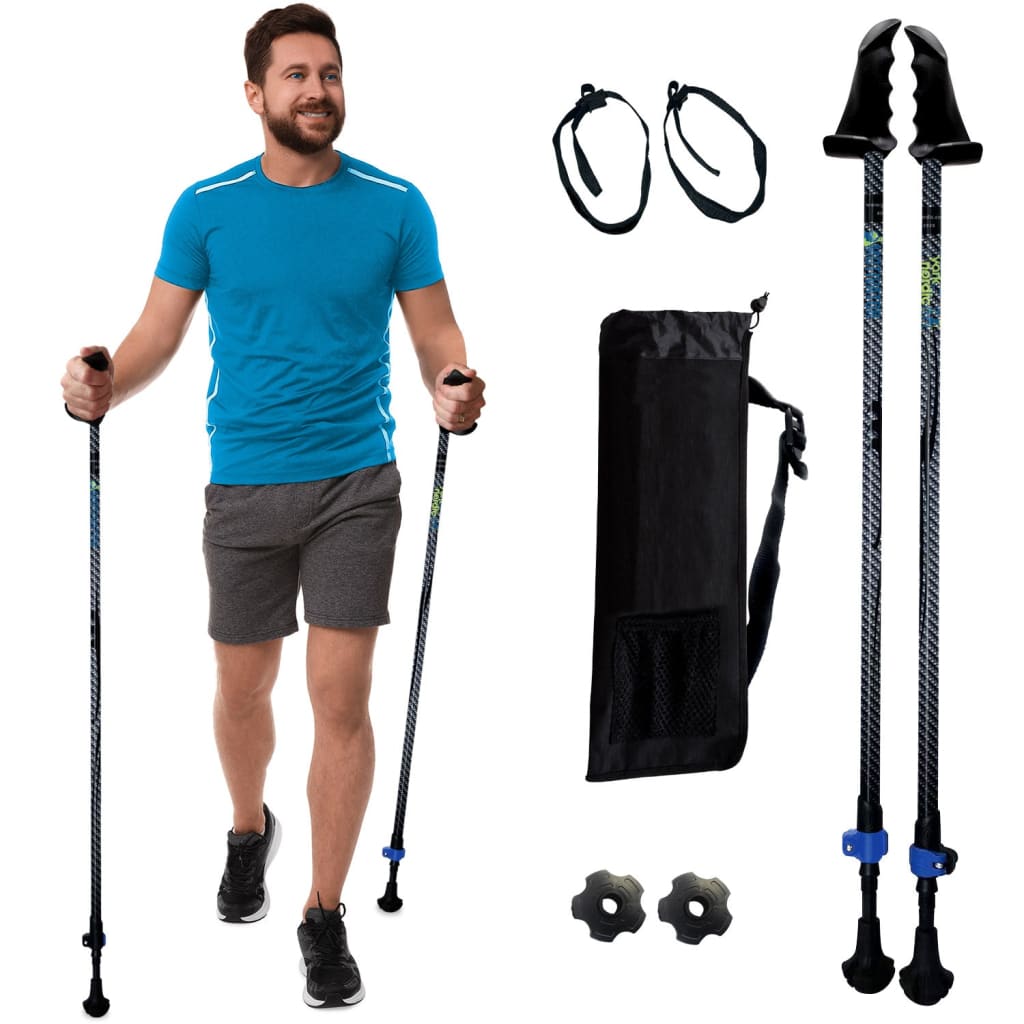















Nordic Walking News and Updates
Low Impact, High Reward: Walking Poles for Knees, Hips and Backs
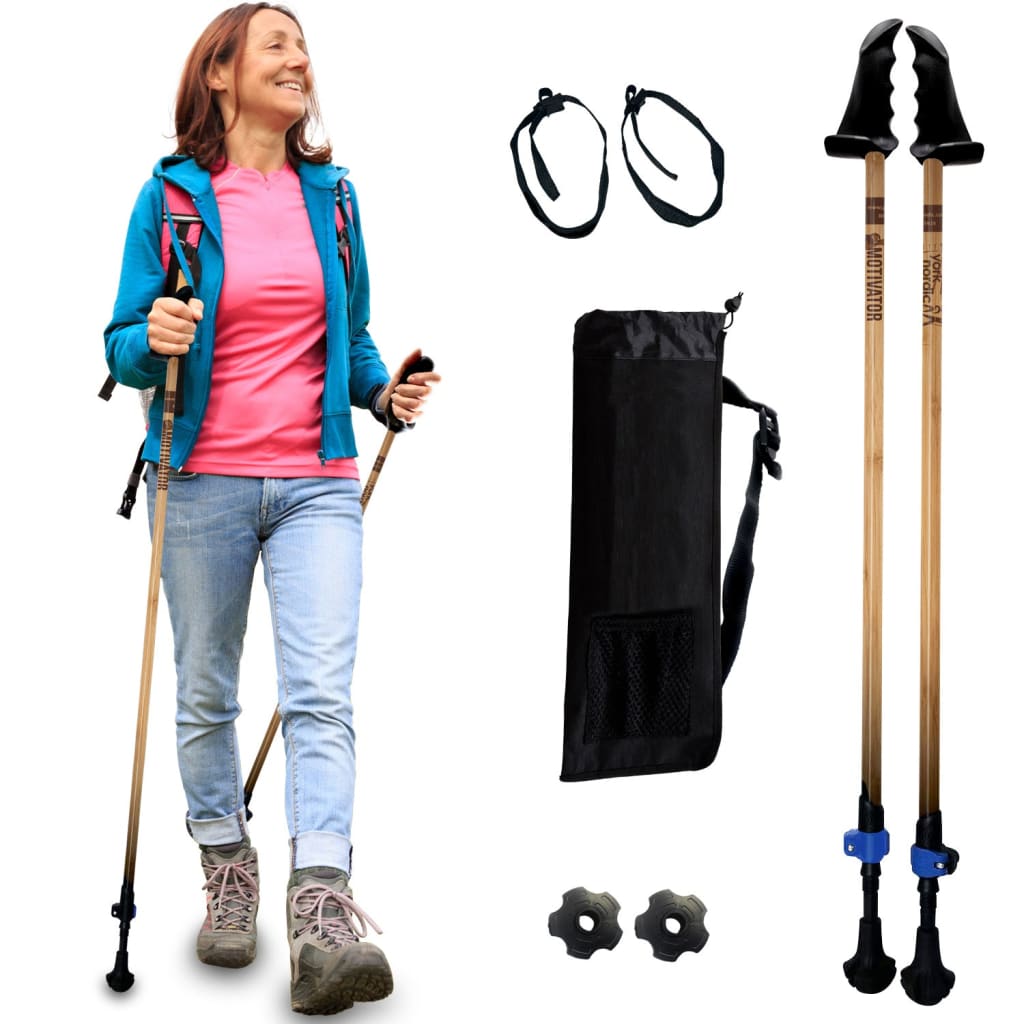
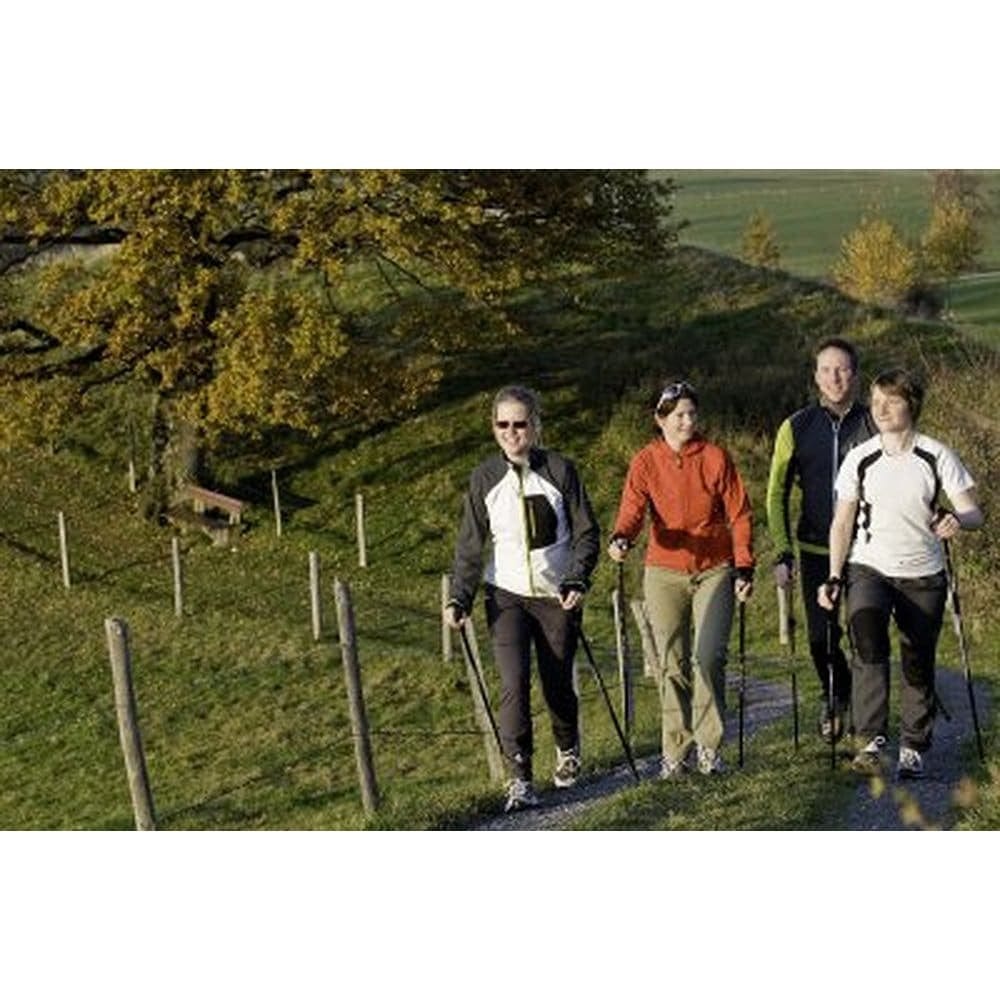
If knee pain, hip discomfort, or back pain makes walking less comfortable, walking poles may be worth a try. Walking poles for knee pain, hips, and back discomfort can provide additional support while helping you maintain a more natural, upright walking rhythm. The right poles can help make walking feel more comfortable, supported, and sustainable.
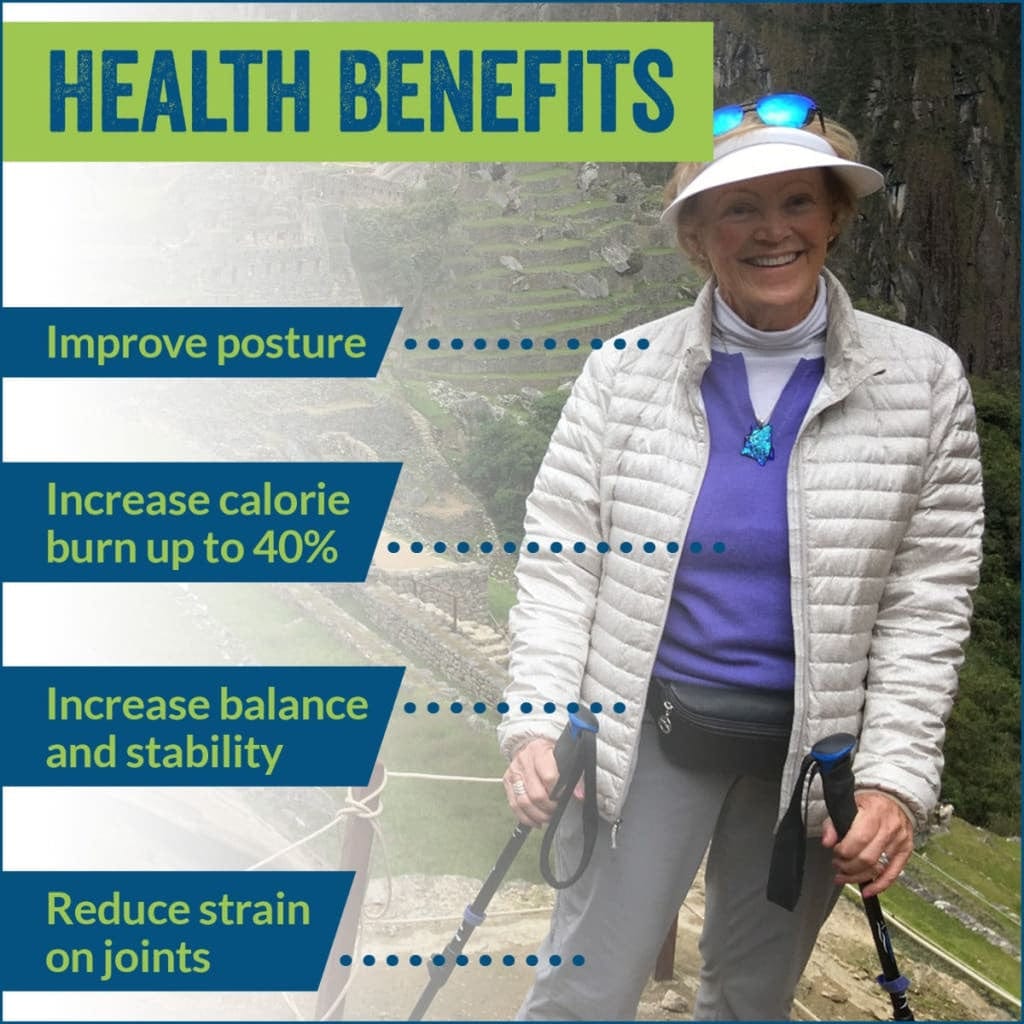
Walking poles provide an extra point of contact with the ground, helping distribute some of the load between your upper and lower body. The result? A low-impact way to keep moving while potentially taking some pressure off your joints.
Walking Poles for Knee Pain
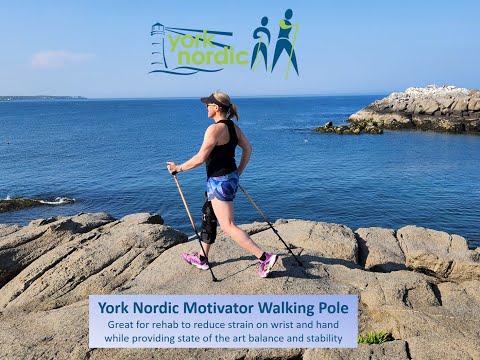
Walking poles can be especially helpful for people who experience knee discomfort while walking. By giving your arms a more active role, poles can help distribute some of the work of walking between your upper and lower body. They can also provide additional stability on hills, uneven surfaces, and downhill sections where your knees may feel more challenged.
Walking Poles for Hips
If hip stiffness or discomfort makes walking feel awkward, walking poles can provide another source of stability while encouraging a more balanced walking pattern. Using two poles can help engage the upper body and create a steady rhythm, rather than relying entirely on the hips and legs for support.
Walking Poles for Back Pain
For people dealing with occasional back discomfort, posture can make a big difference in how walking feels. Walking poles can encourage a taller, more upright position and provide support as you move. The arm movement created by using two poles can also help create a more natural, full-body walking rhythm.
Keep Moving Without Giving Up the Reward
One of the biggest benefits of walking is that it gets you moving. Regular walking can support cardiovascular fitness, strength, balance, mobility, and overall well-being.
But when joint or back discomfort makes walking difficult, it can become a frustrating cycle: walk less because it hurts, become less active, and then find movement even harder.
Walking poles can help break that cycle by giving you additional stability and support so you can continue walking at a comfortable pace.
Walking Poles Aren’t Just for Hiking
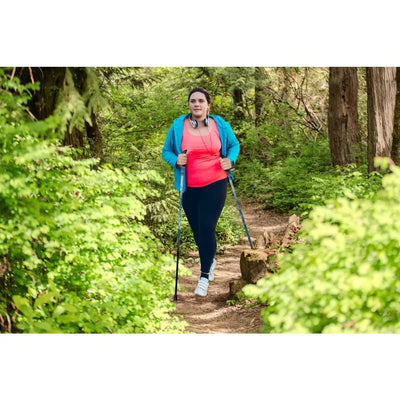
You don’t have to be climbing a mountain to benefit from walking poles.
They can be useful for:
-
Neighborhood walks
-
Walking trails and parks
-
Treadmill walking
-
Beach walks
-
Uneven or hilly terrain
-
Longer walks when you want additional support
-
Everyday fitness and conditioning
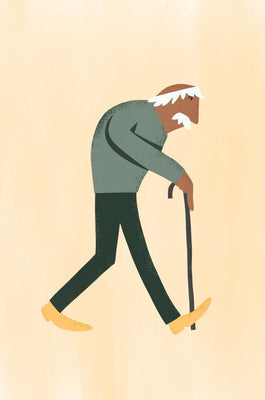
And unlike a traditional cane, walking with two poles can promote a more symmetrical, rhythmic walking pattern while engaging both sides of the body.
The Goal: Comfortable Movement
Walking poles aren't about making walking easier by doing the work for you. They're about helping your body move more comfortably and confidently.
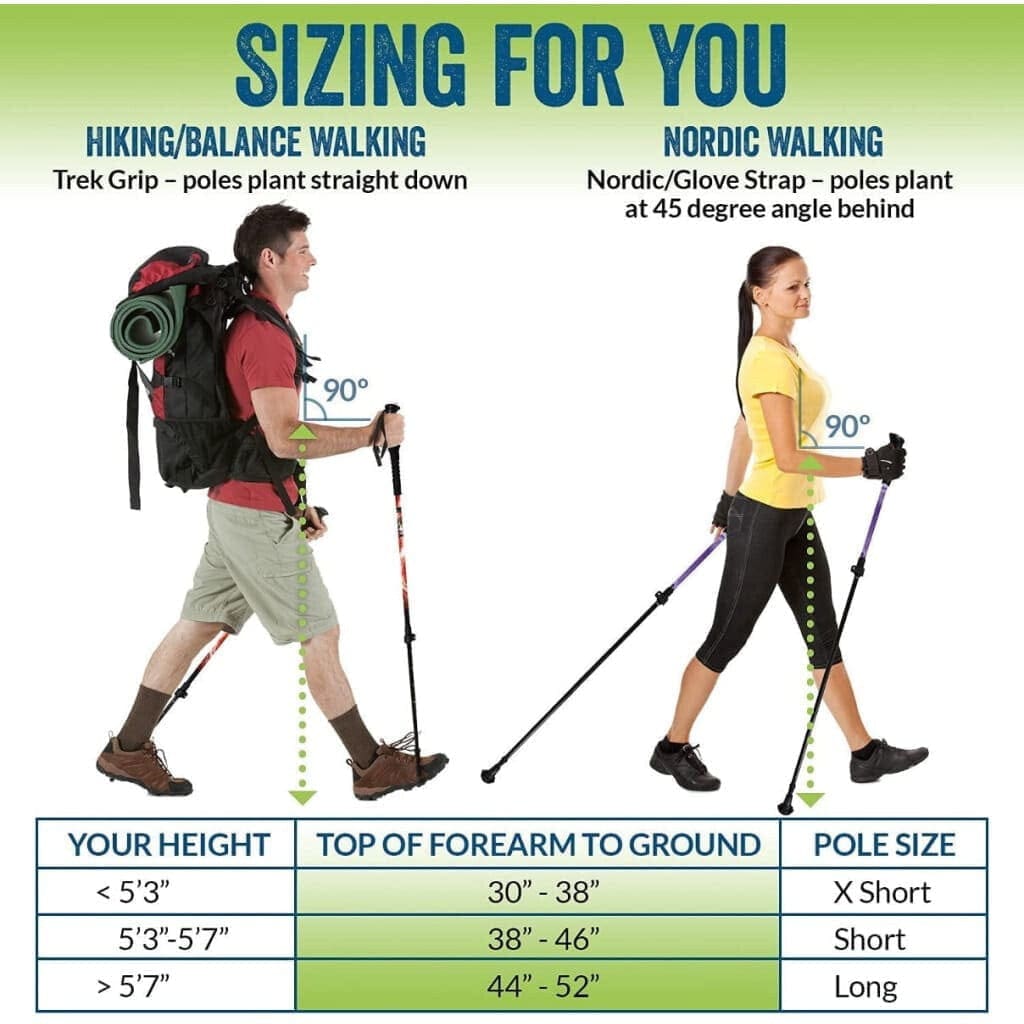
With the right technique and properly adjusted poles, you can use your arms to help propel and support your movement while maintaining a natural walking rhythm.
The result is simple: less impact, more support, and more opportunities to keep moving.
Low Impact. High Reward.
Your knees, hips, and back don't have to dictate how active you can be.
Whether you're getting back to walking after time away, looking for a more joint-friendly way to exercise, or simply want extra stability on your daily walks, walking poles can be a valuable addition to your routine.
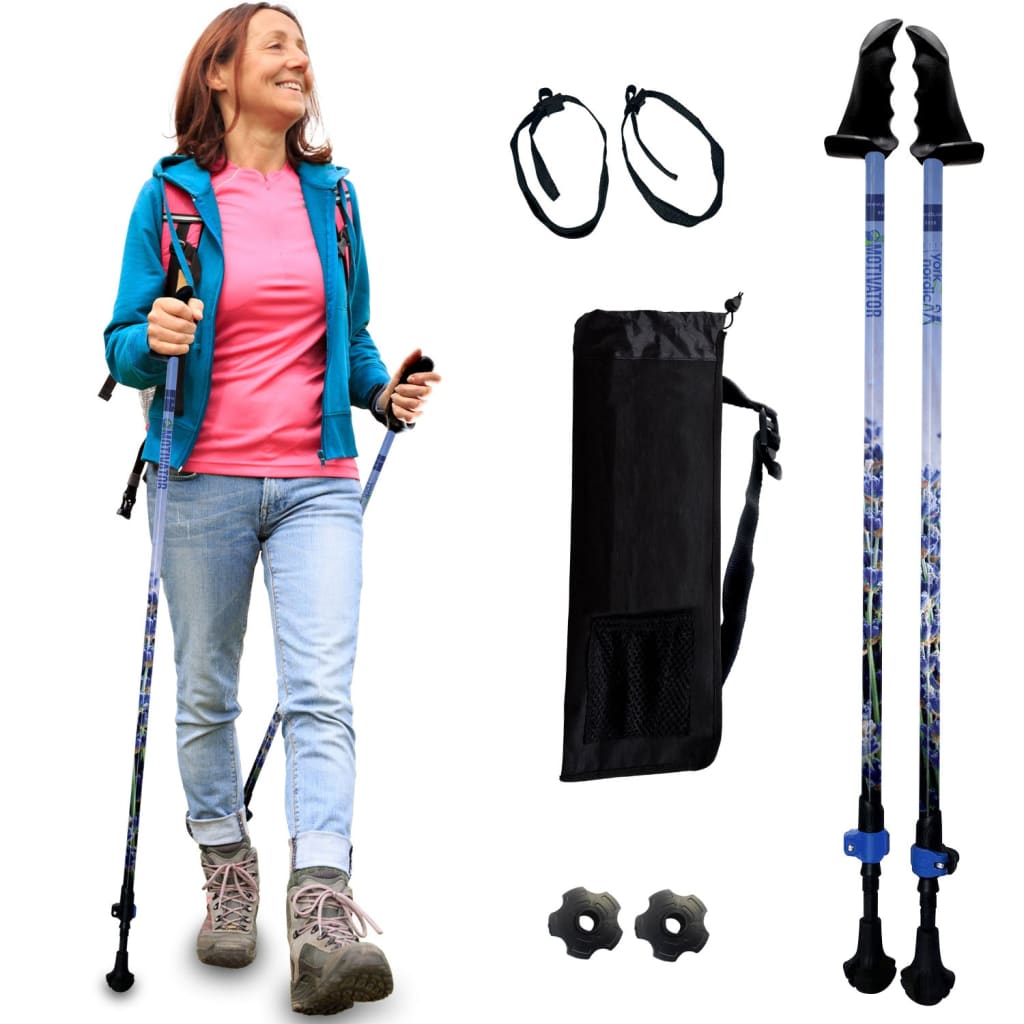
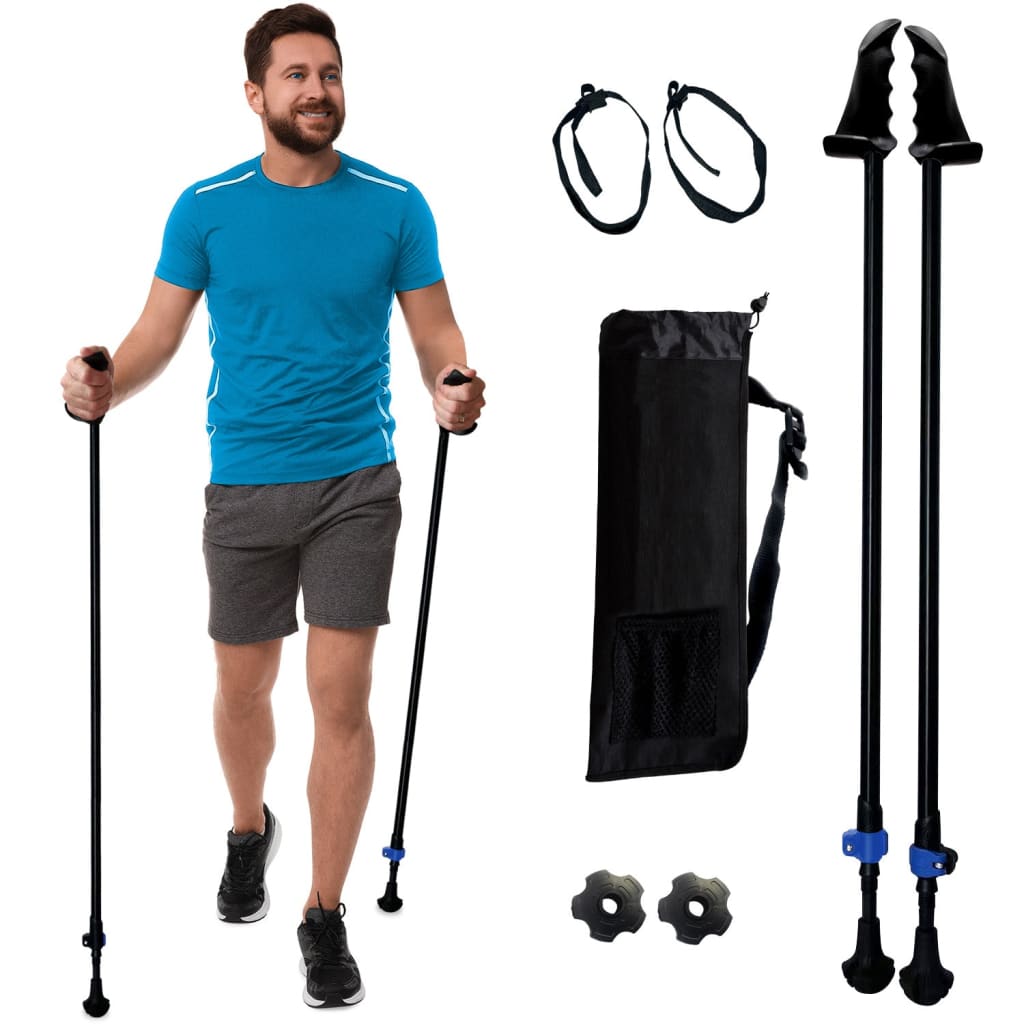
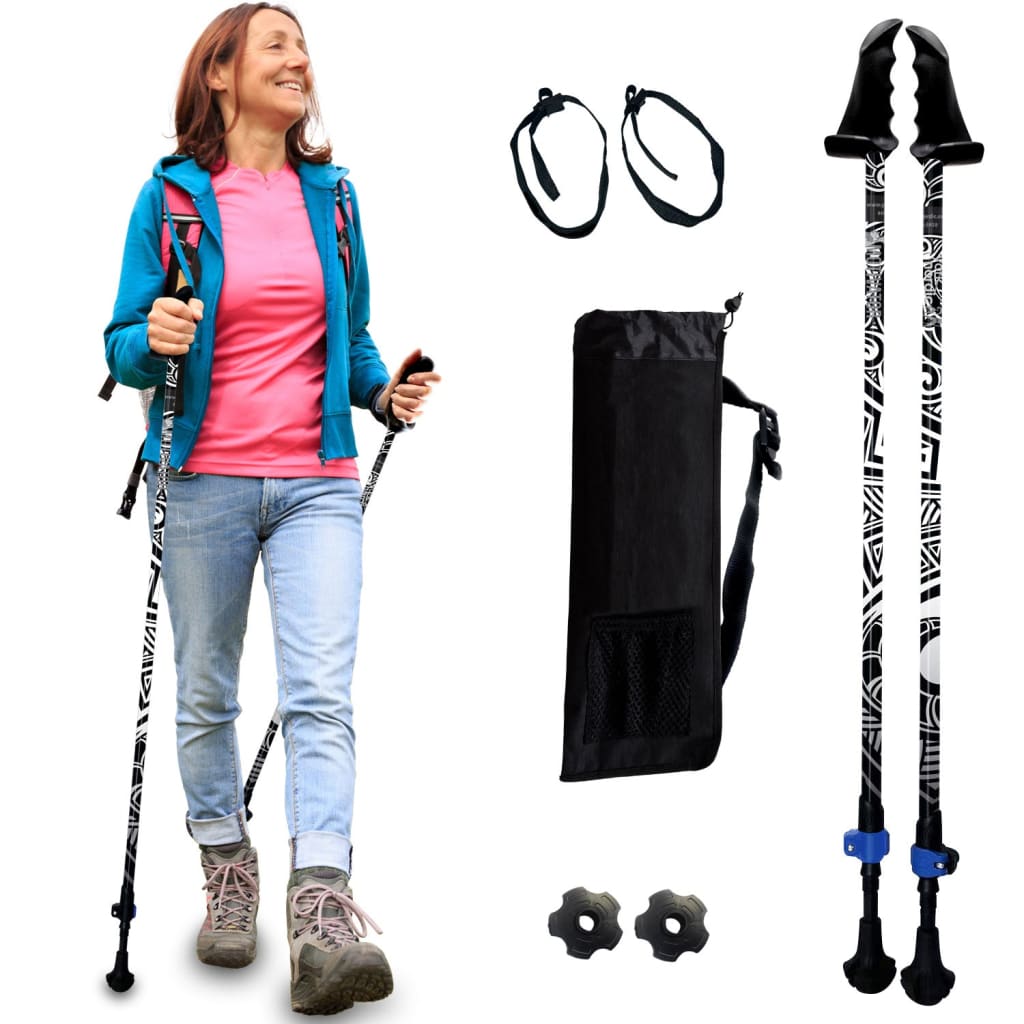
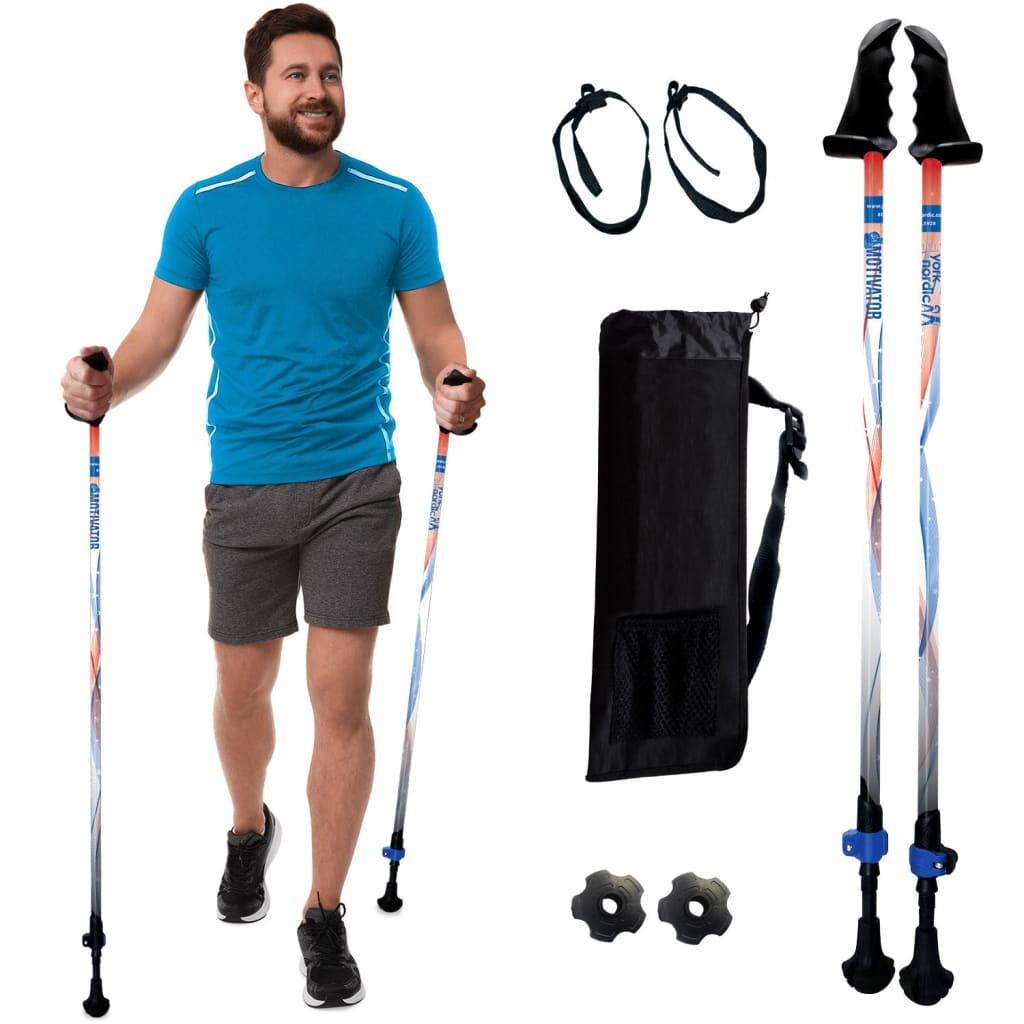
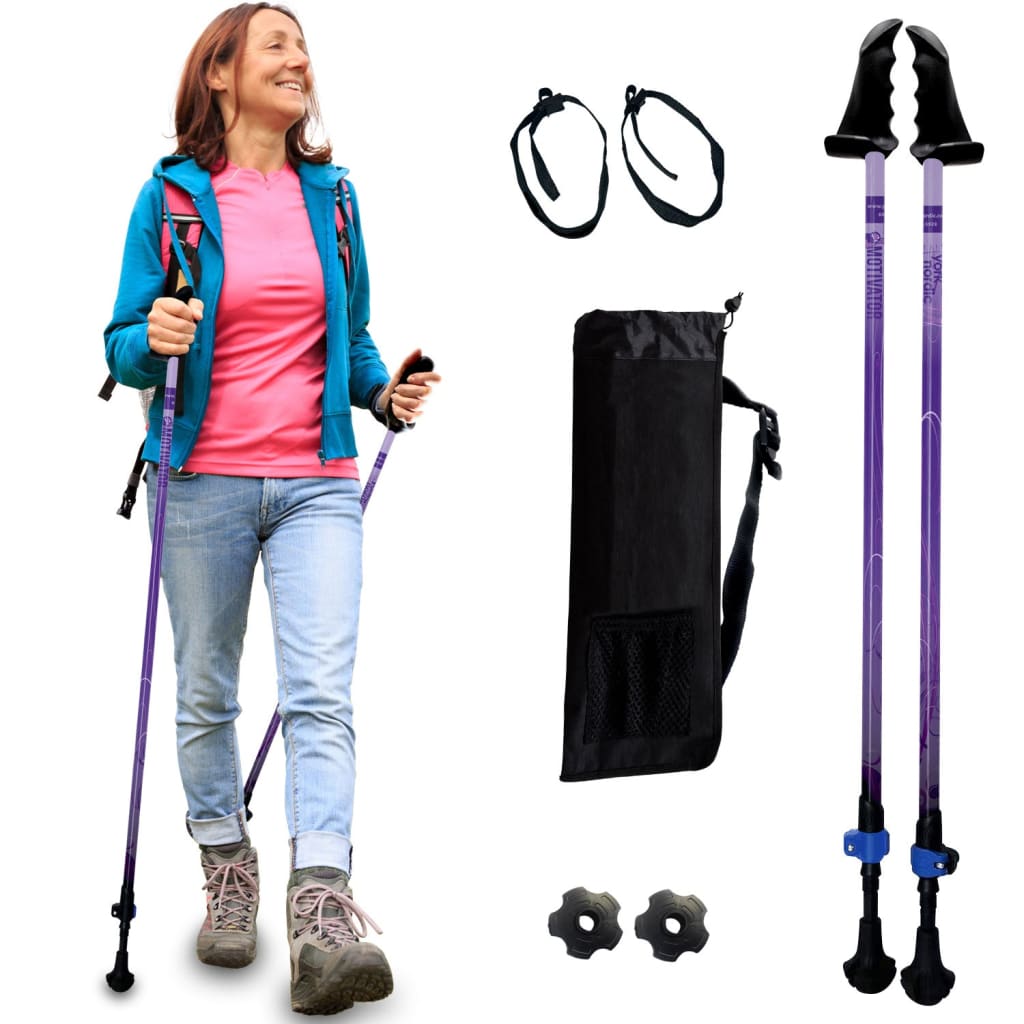
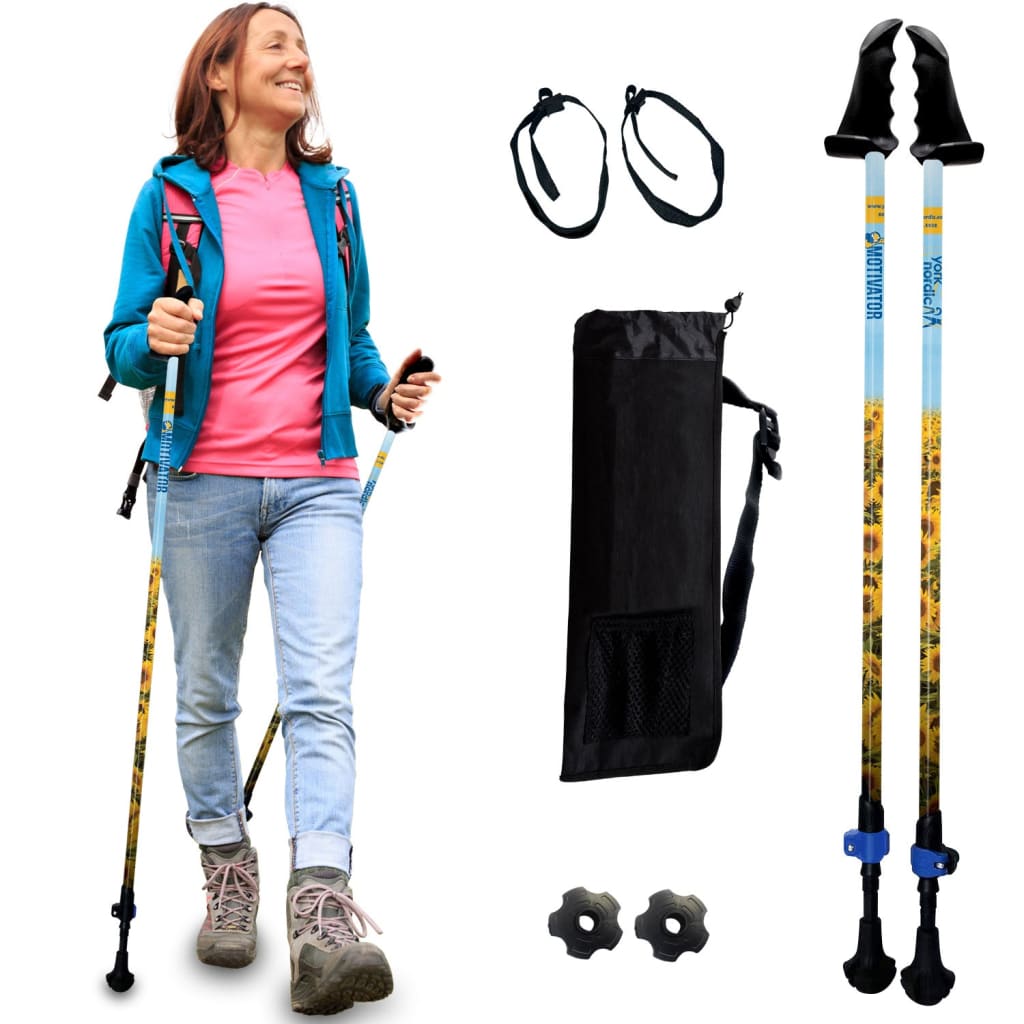
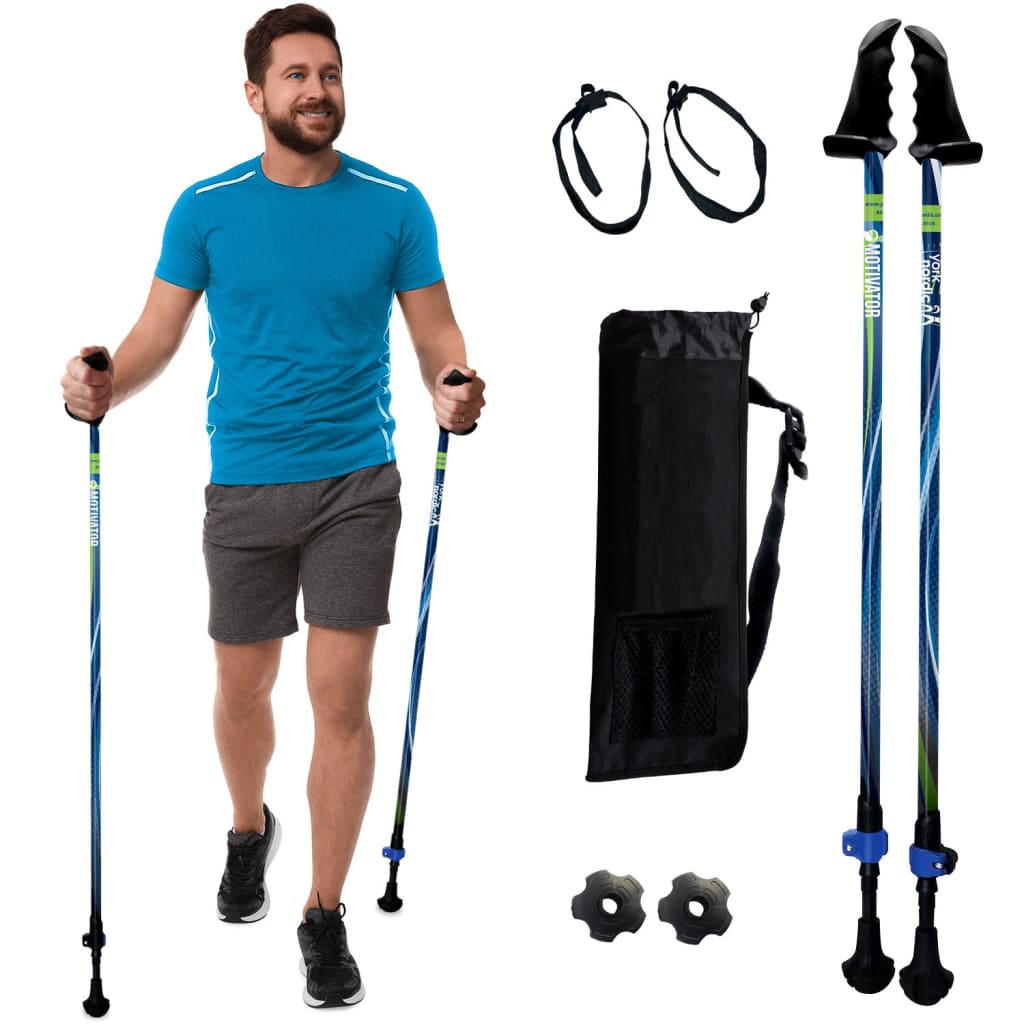
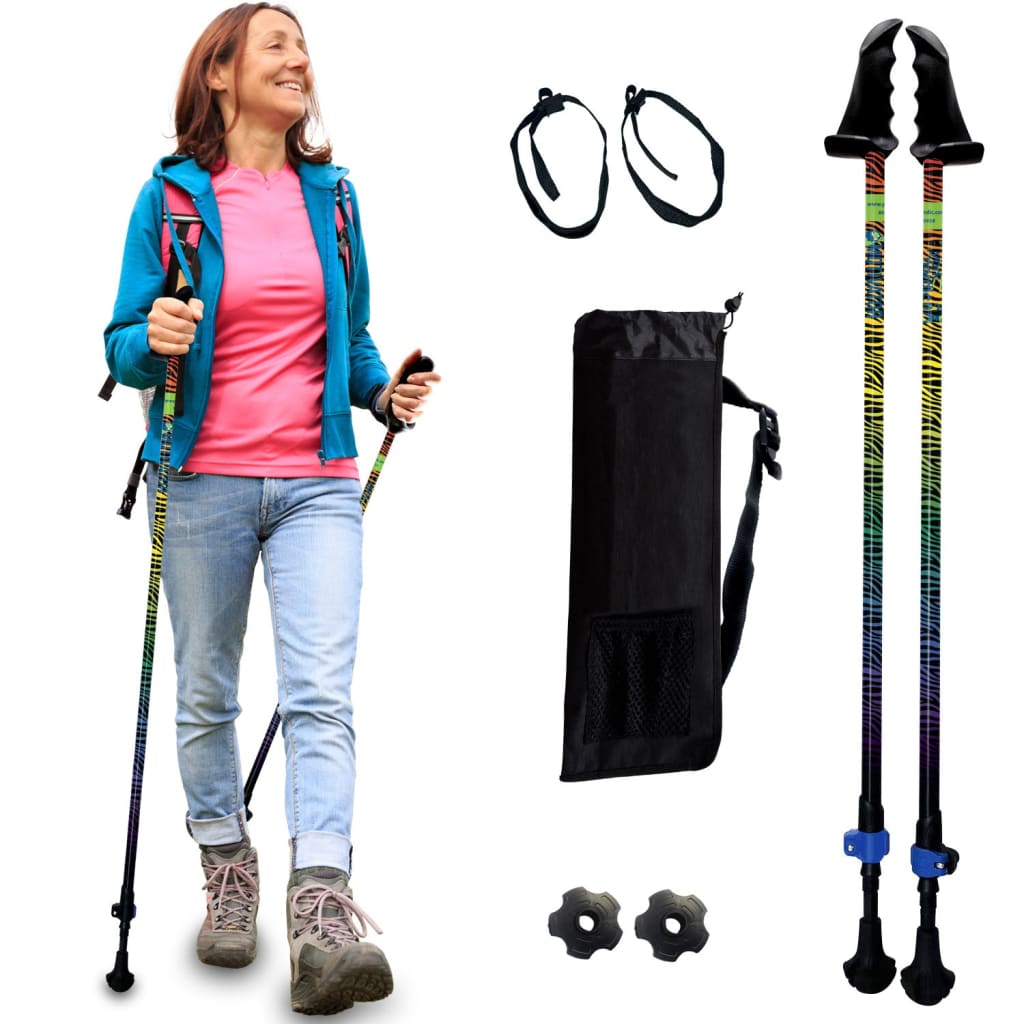
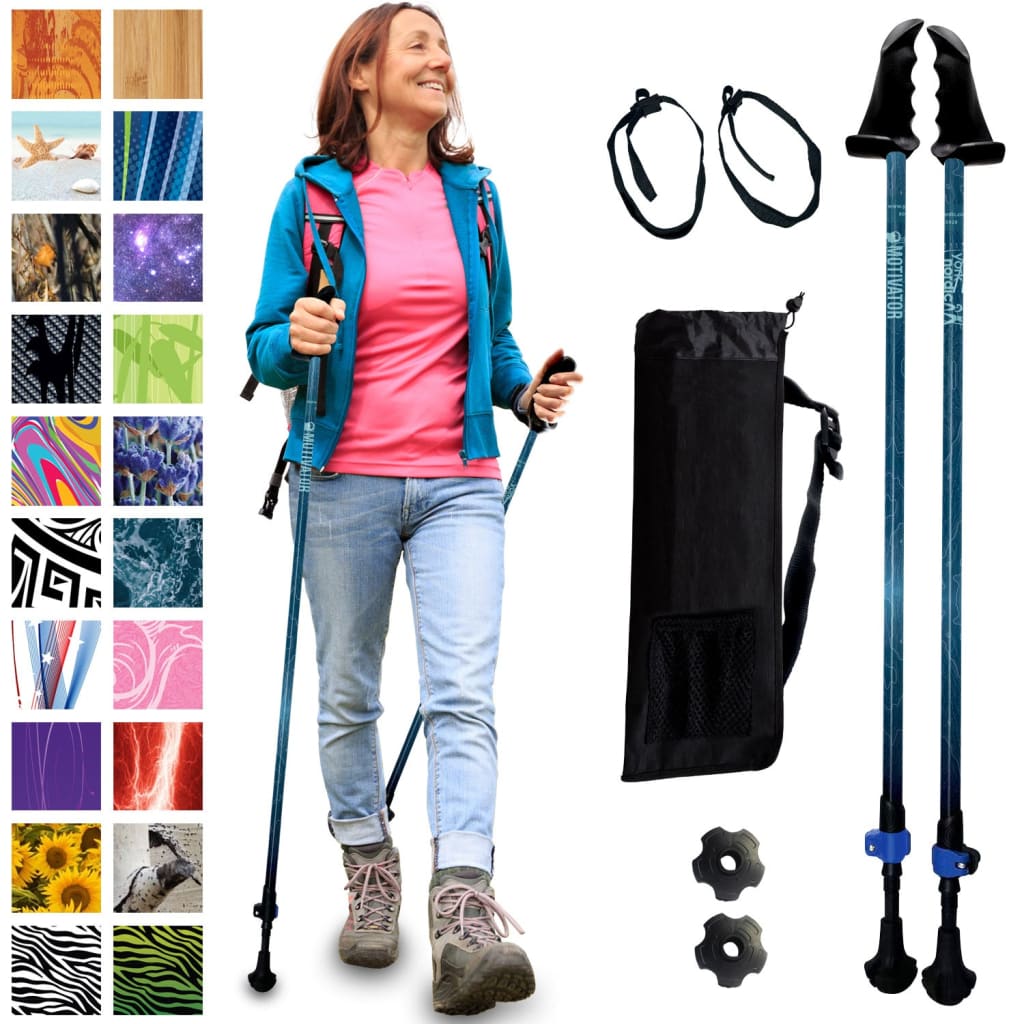
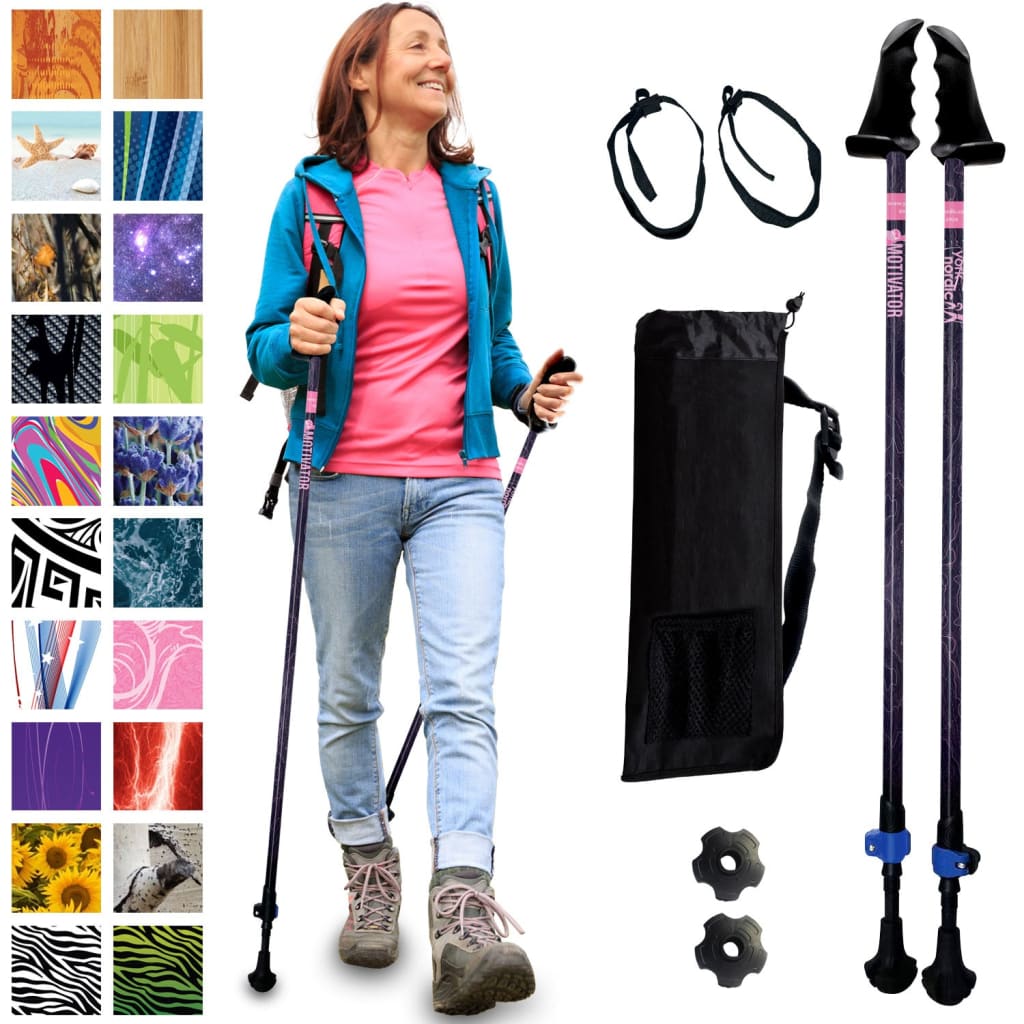
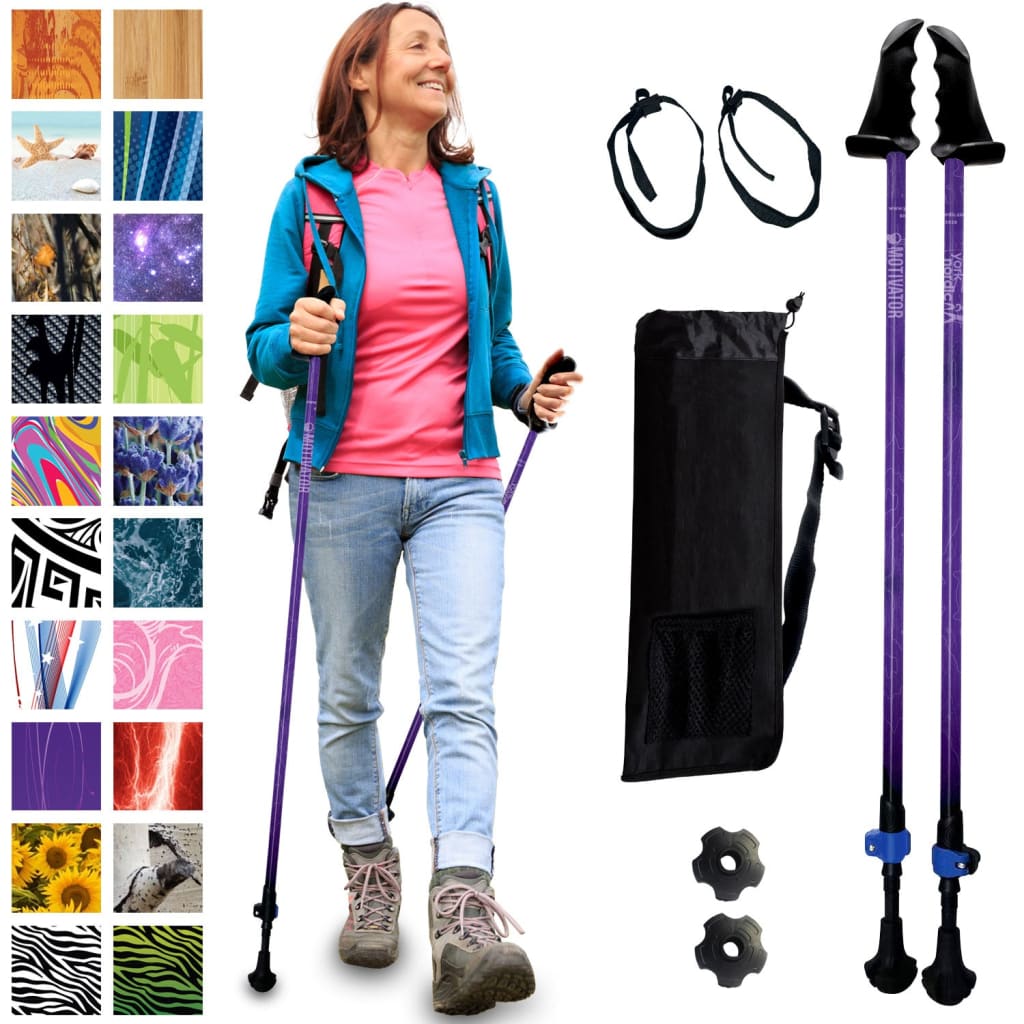
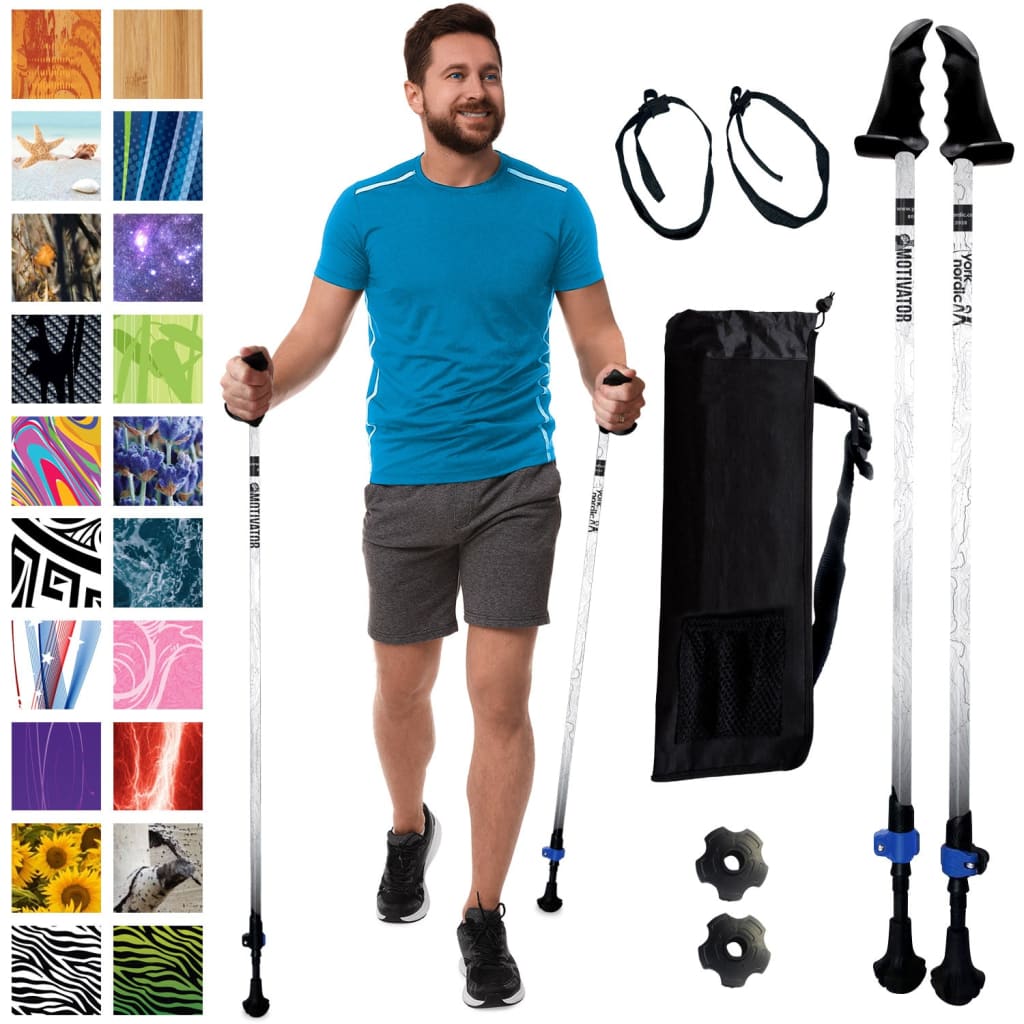
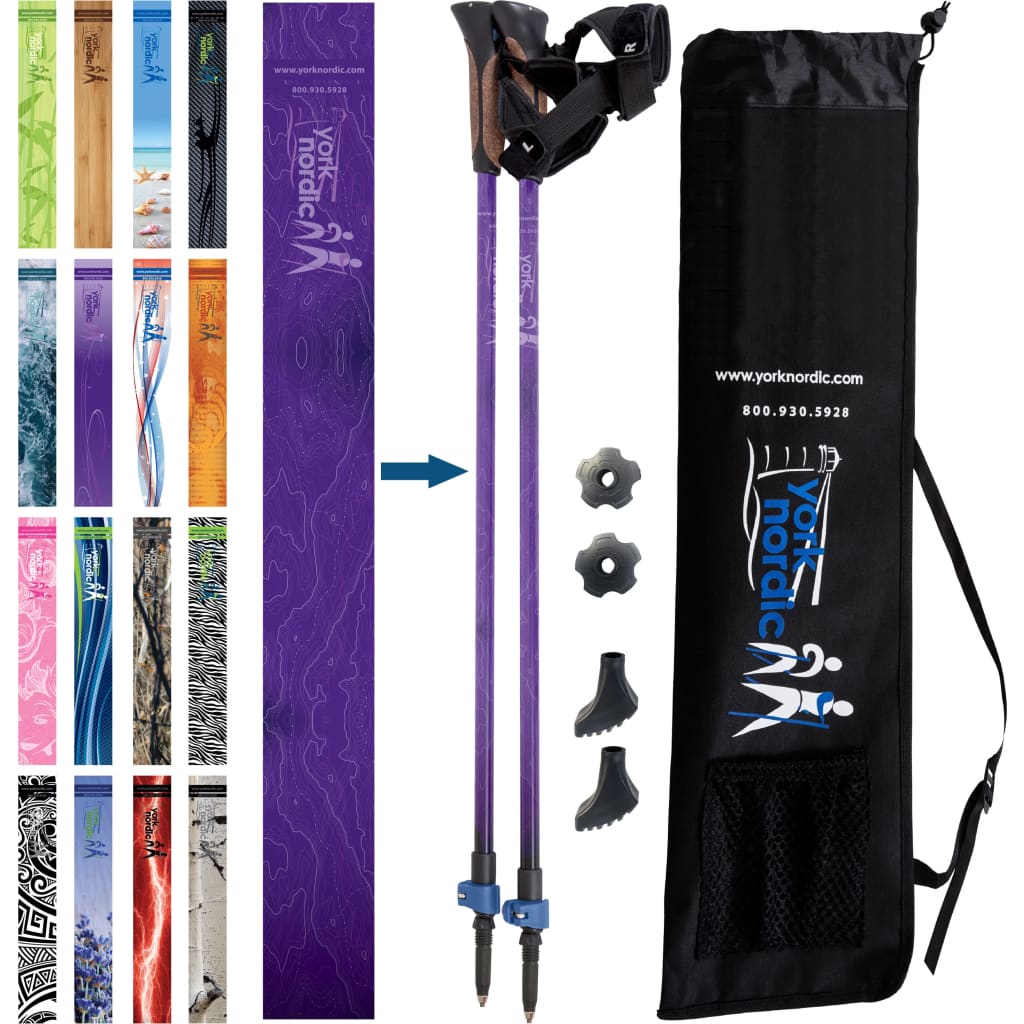
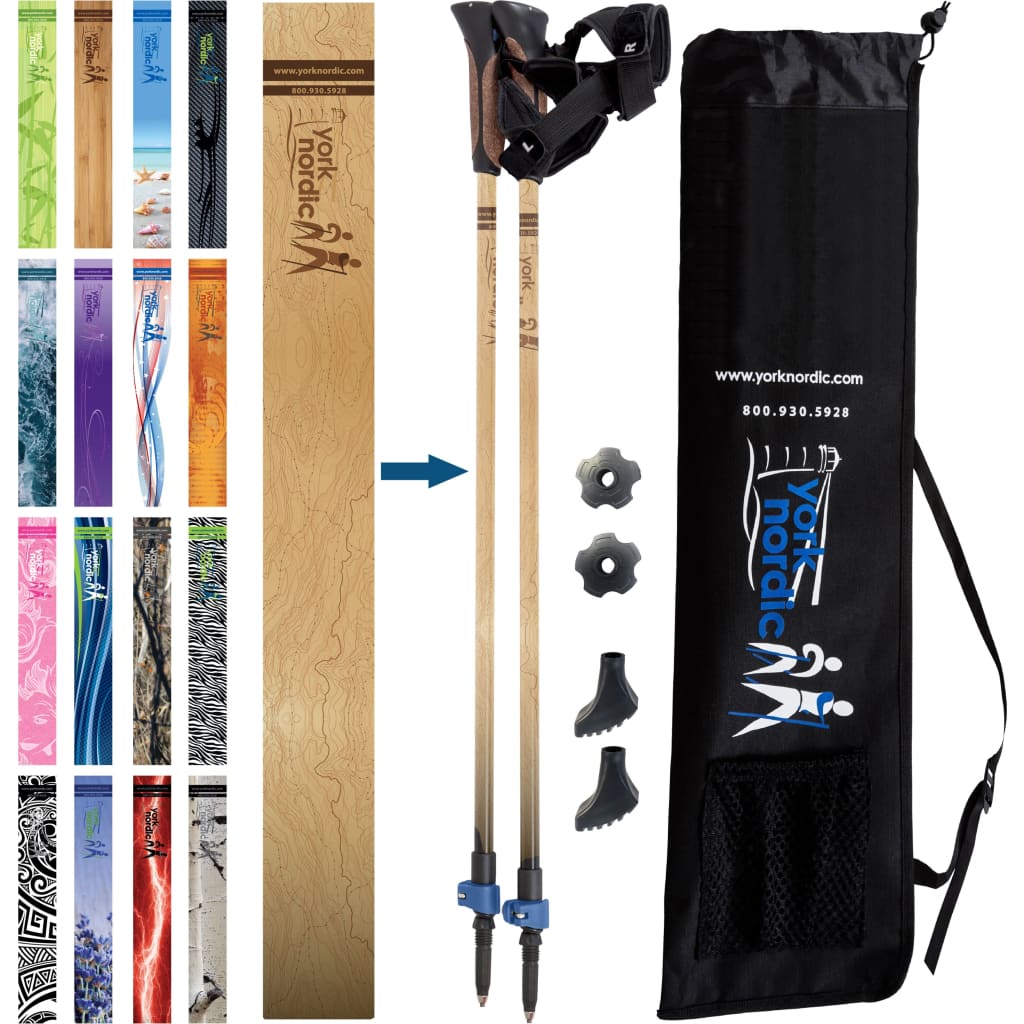
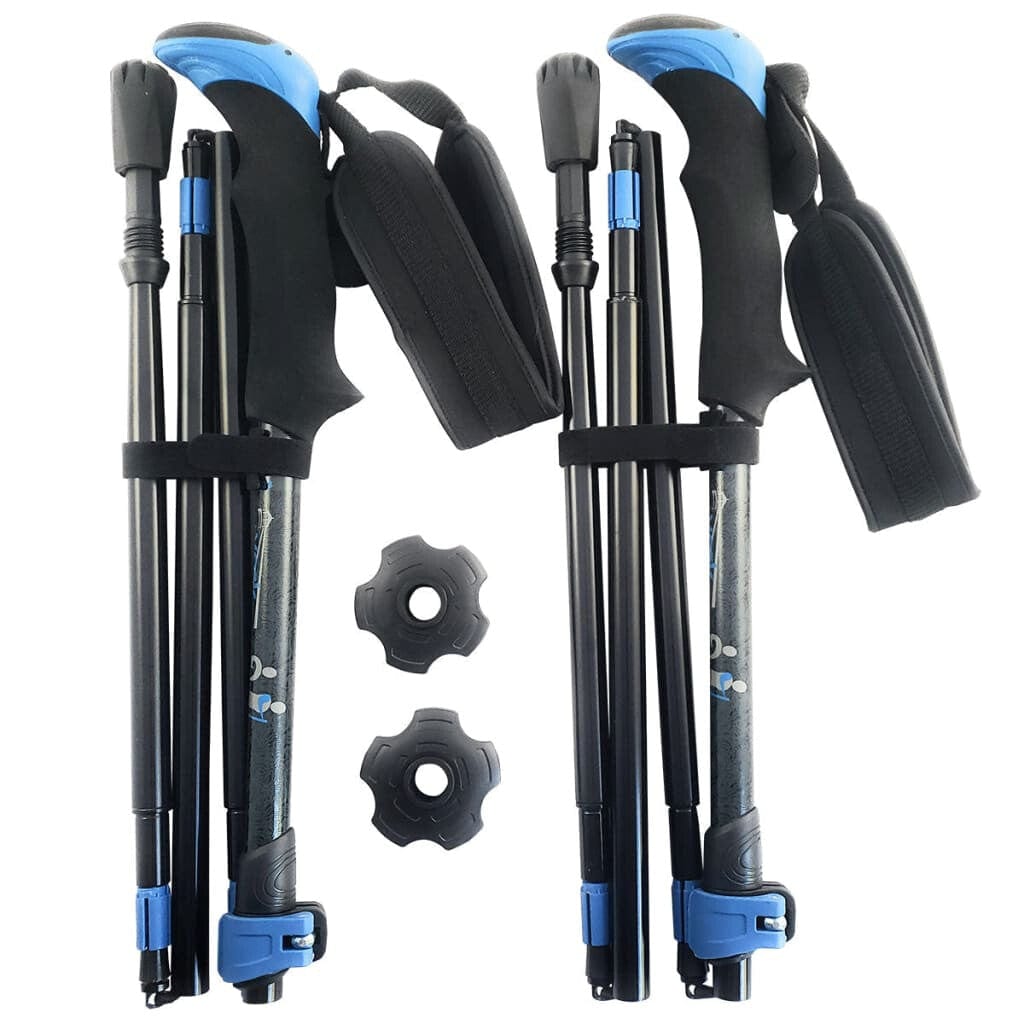
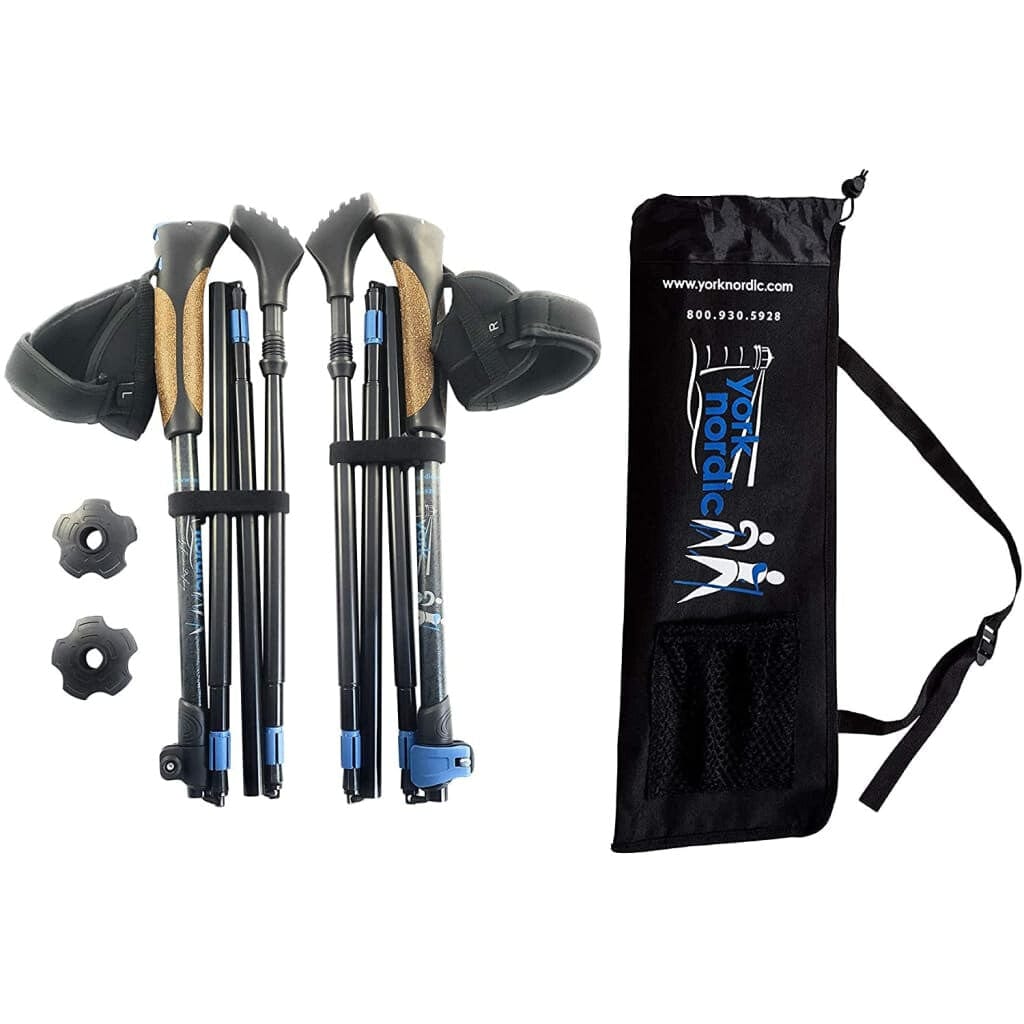
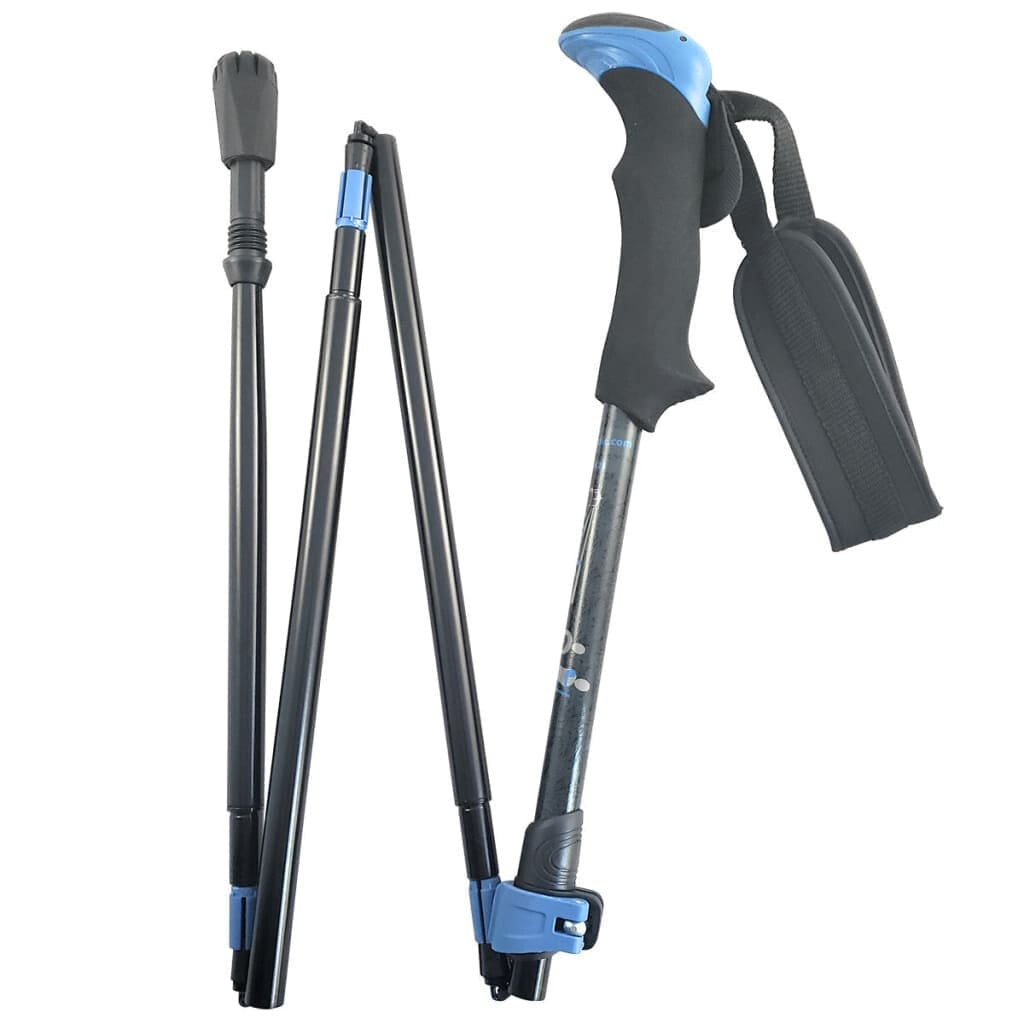
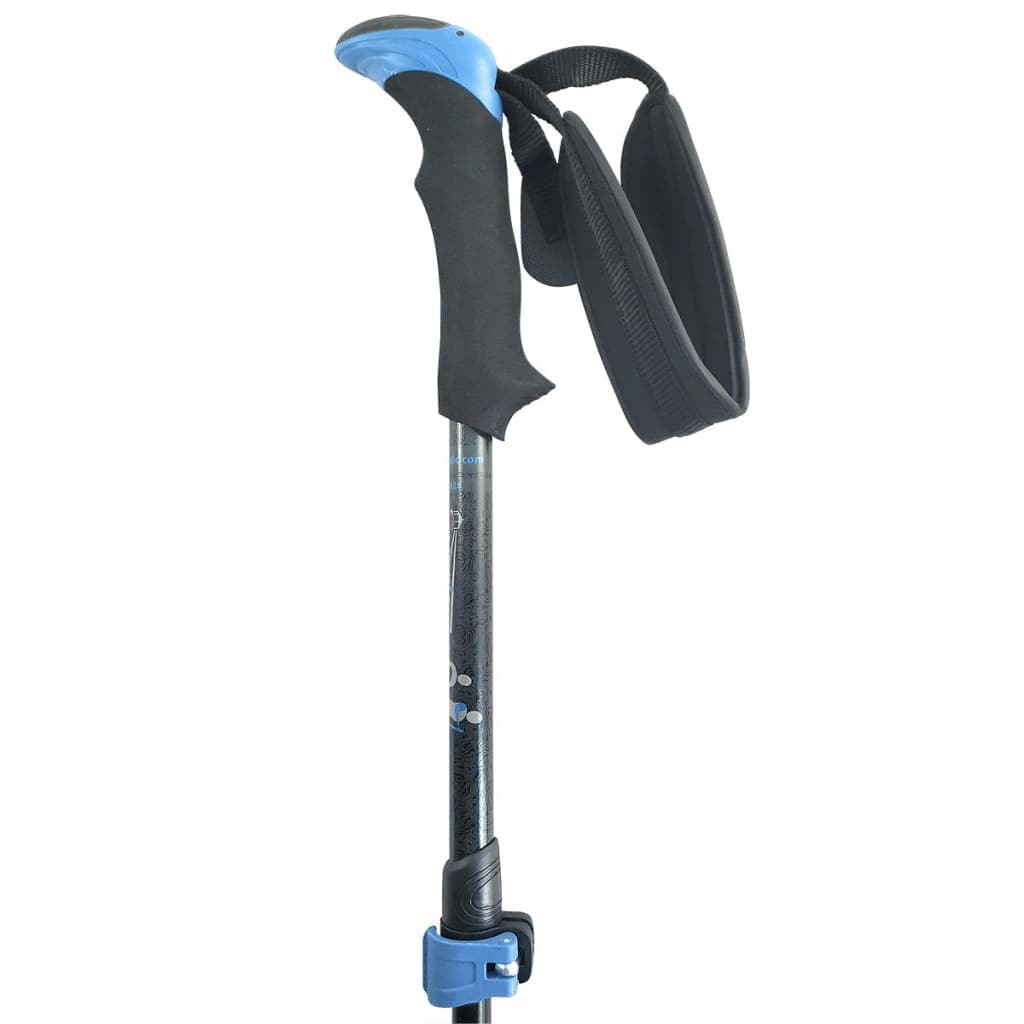
Ready to make walking more comfortable? Explore York Nordic walking poles designed to provide stability, support, and a more natural walking experience. Let's Get Out There!
Tags
Educational, Health Benefits of Walking, Pole Walking for Seniors, Walking Research




Latest Designs