

















Nordic Walking News and Updates
Why Physical Therapists Love Walking Poles
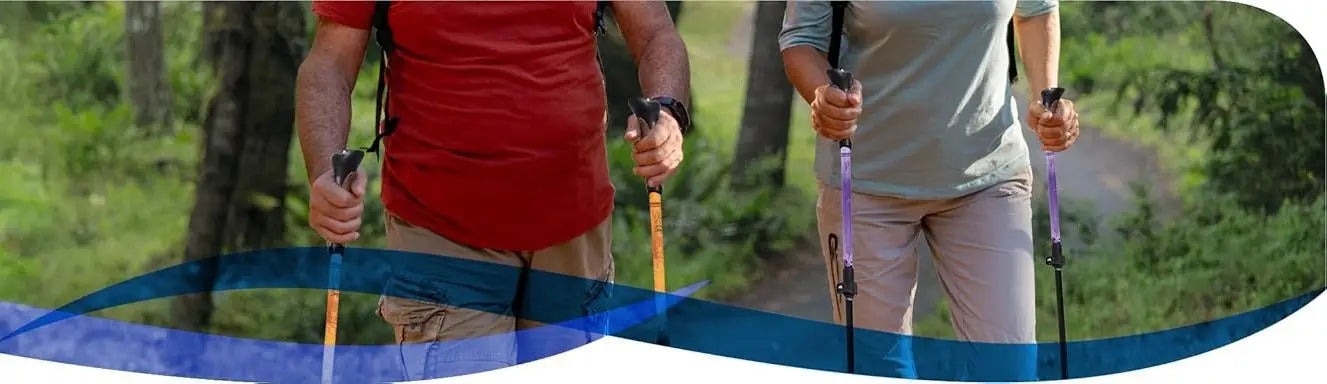
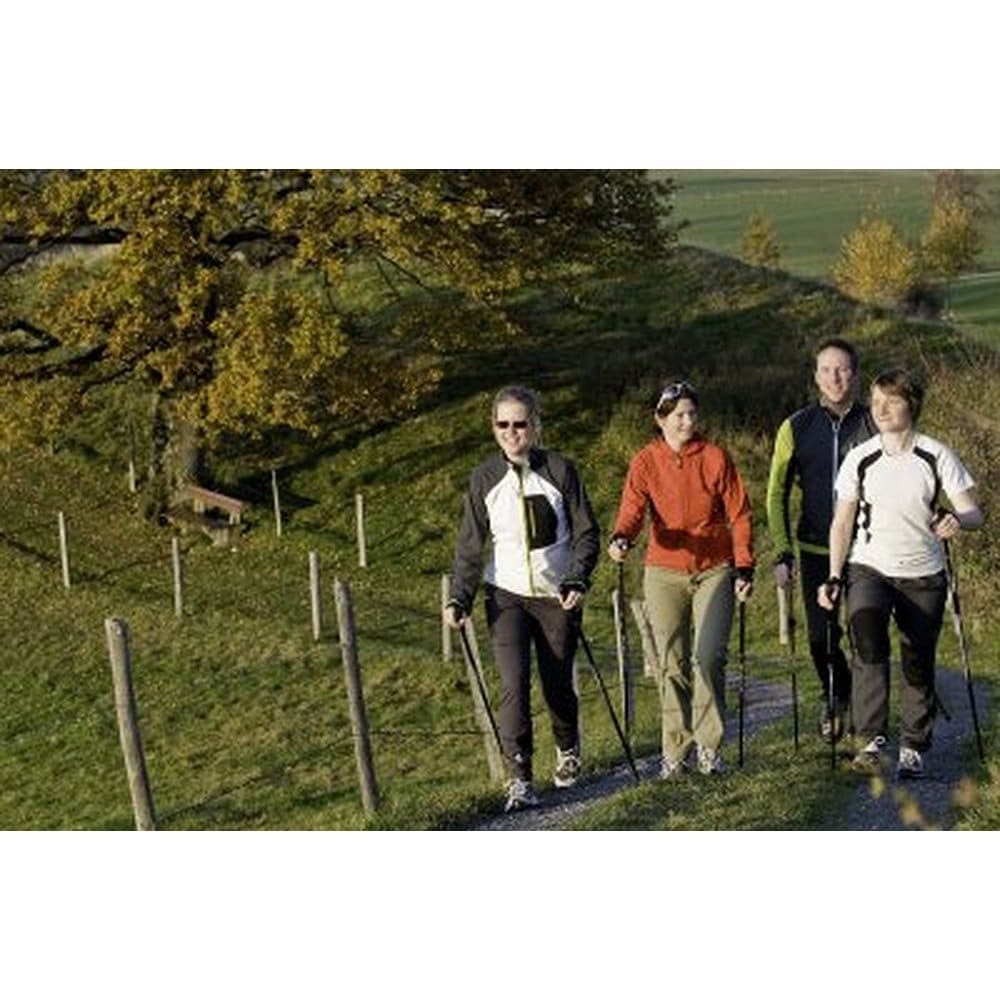
When most people think about walking poles, they picture hiking trails, Nordic walking, or perhaps a long walk through the neighborhood.
But physical therapists see something more.
They see a simple tool that can help people move more confidently, improve stability, engage their upper body, and practice better walking mechanics.
That’s one reason walking poles have become such a valuable addition to many rehabilitation and fitness routines.
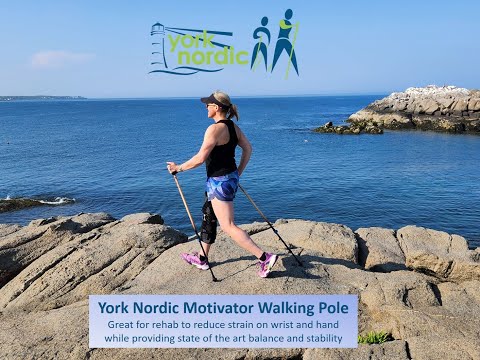
Whether someone is recovering from an injury, working on balance, rebuilding strength, or simply trying to feel more secure on their feet, walking poles can provide support without requiring a person to completely change the way they move.
Here are some of the reasons physical therapists love them.
1. They Encourage Better Posture
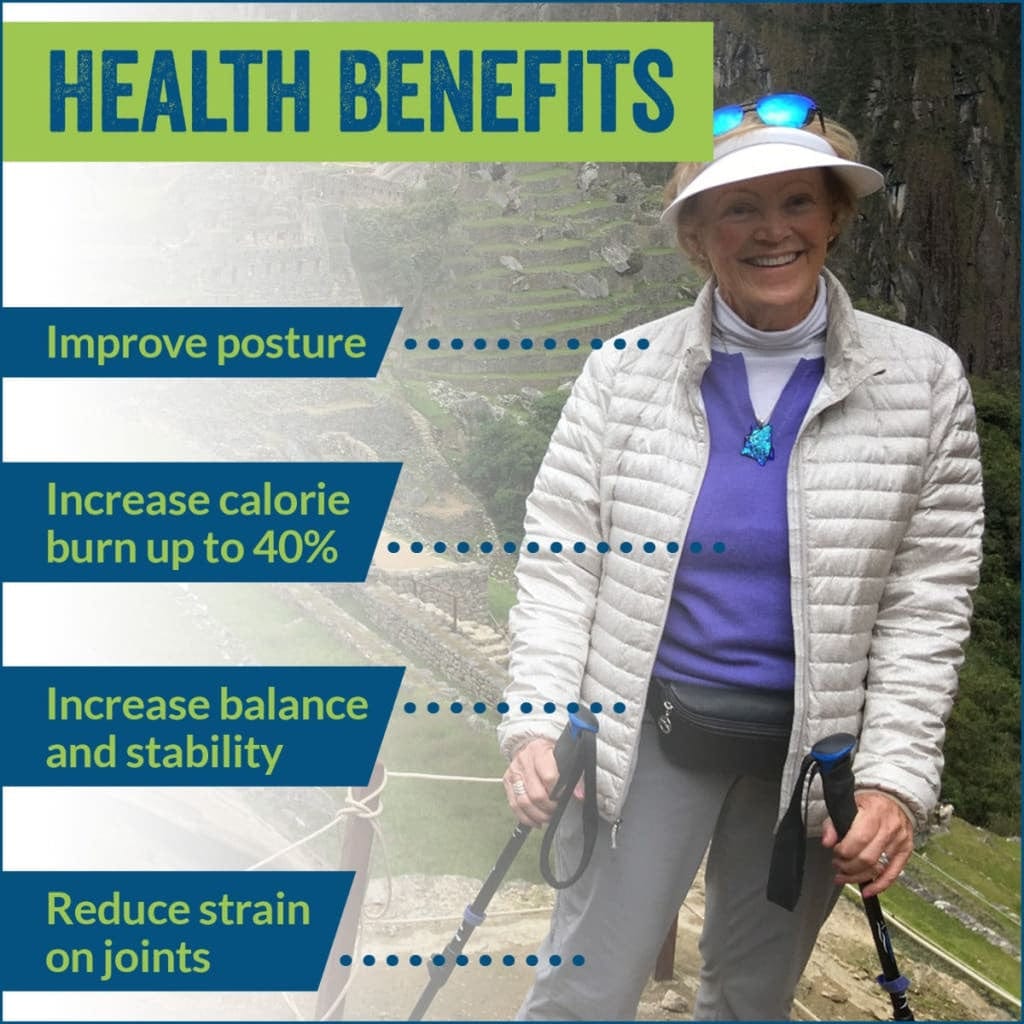
One of the biggest benefits of walking with poles is that they naturally encourage you to stand taller.
Instead of leaning forward and relying heavily on the legs, properly used walking poles encourage a more upright posture while incorporating the arms and upper body into the movement.
That upright position can make walking feel more balanced and controlled—and for many people, simply feeling more stable can make a big difference in their willingness to move.
2. They Add Stability Without Feeling Restrictive
Balance can become more challenging with age, after an injury, or when someone is rebuilding strength and confidence.
Walking poles provide additional points of contact with the ground, creating a broader base of support.
Unlike a traditional walker, however, poles allow you to continue walking with a relatively natural stride. You aren't pushing a large device in front of you or relying exclusively on your arms.
Instead, the poles become part of your walking rhythm.
Step. Plant. Push. Step.
That can be especially helpful for people who want a little extra confidence while remaining active.
3. They Engage the Upper Body
Walking is usually thought of as a lower-body activity.
Walking with poles changes that.
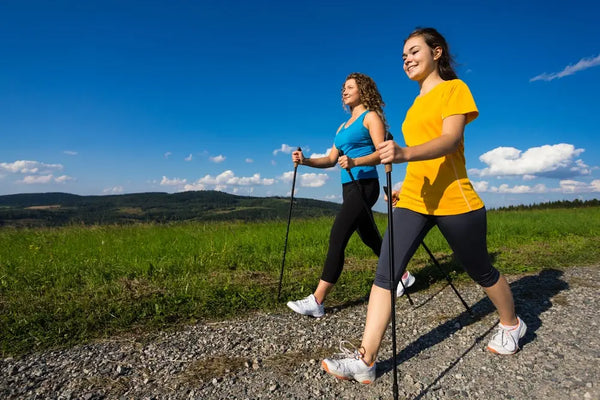
When used correctly, poles bring the shoulders, arms, back, and core into the movement. The result is a more whole-body form of walking.
For physical therapists, that makes walking poles particularly interesting as a way to encourage people to think about how their entire body moves—not just their feet.
4. They Can Reduce the Perceived Load on the Legs
Walking poles can help distribute some of the forces of walking through the upper body.
That can be particularly useful when walking uphill, downhill, on uneven terrain, or during longer walks.
For someone whose legs tire easily, having the ability to use the poles for additional support can make walking feel more manageable.
And when walking feels manageable, people are often more likely to keep doing it.
5. They Build Confidence
This may be one of the most important benefits of all.
Someone who has experienced a fall—or who simply doesn't feel steady on their feet—may begin avoiding activities they once enjoyed.
They walk less.
They go fewer places.
They become more cautious.
And unfortunately, less activity can lead to even less strength and confidence.
Walking poles can provide a psychological boost as well as physical support. Having something reliable in your hands can make a person feel more secure about taking that next step.
Confidence can change the way we move.
6. They Encourage People to Keep Moving
Physical therapists can provide exercises, stretches, strengthening programs, and movement strategies.
But ultimately, patients have to use those tools in everyday life.
Walking poles can help bridge the gap between the clinic and the real world.
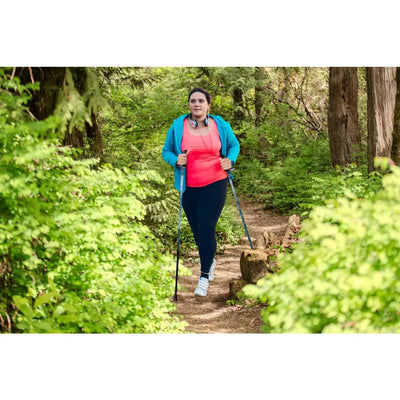
A person may start by walking around the house or on a treadmill. Eventually, they may graduate to the sidewalk, a park, a neighborhood walk, or a trail.
The goal isn't simply to use the poles.
The goal is to keep moving.
7. They're Useful Beyond the Therapy Clinic
One of the things that makes walking poles so appealing is their versatility.
They can be used on:
- Sidewalks
- Walking paths
- Grass
- Hiking trails
- Uneven terrain
- Beaches
- Indoor walking tracks
- Treadmills
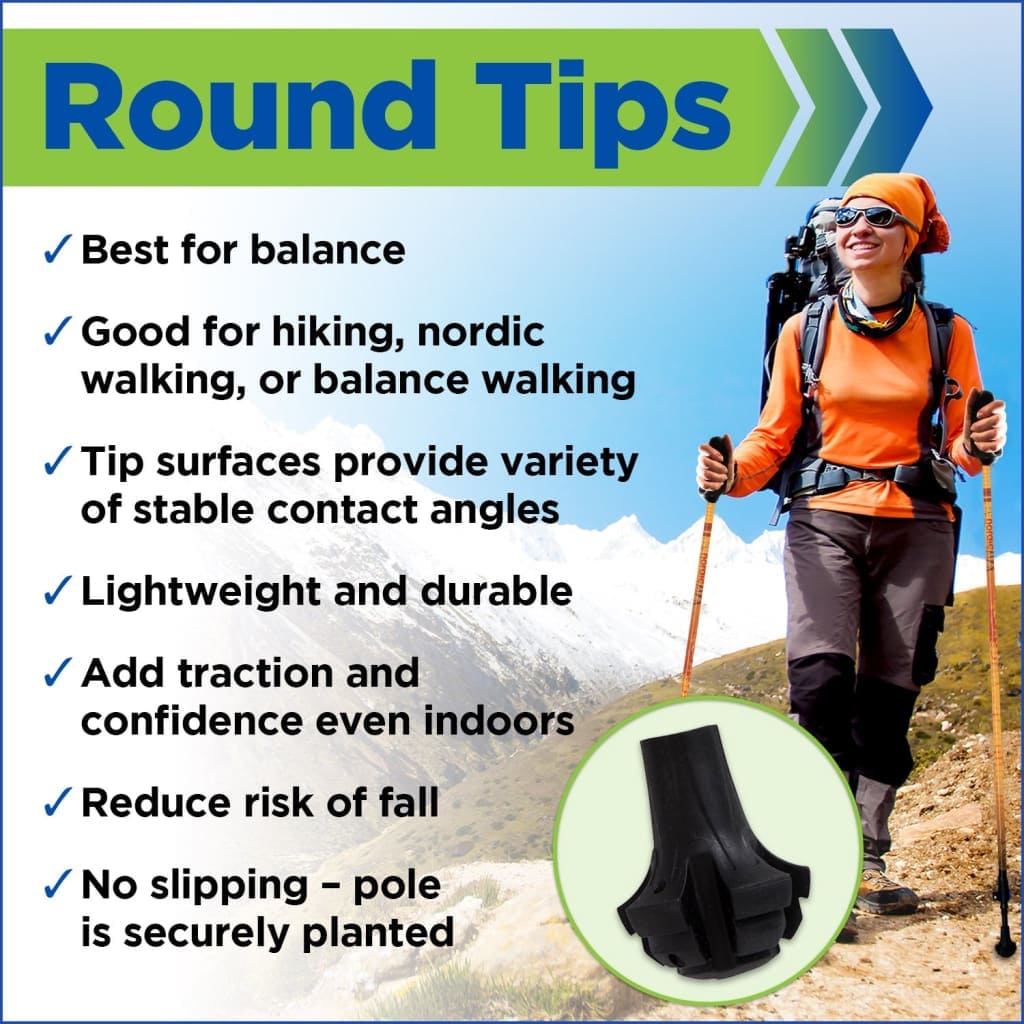
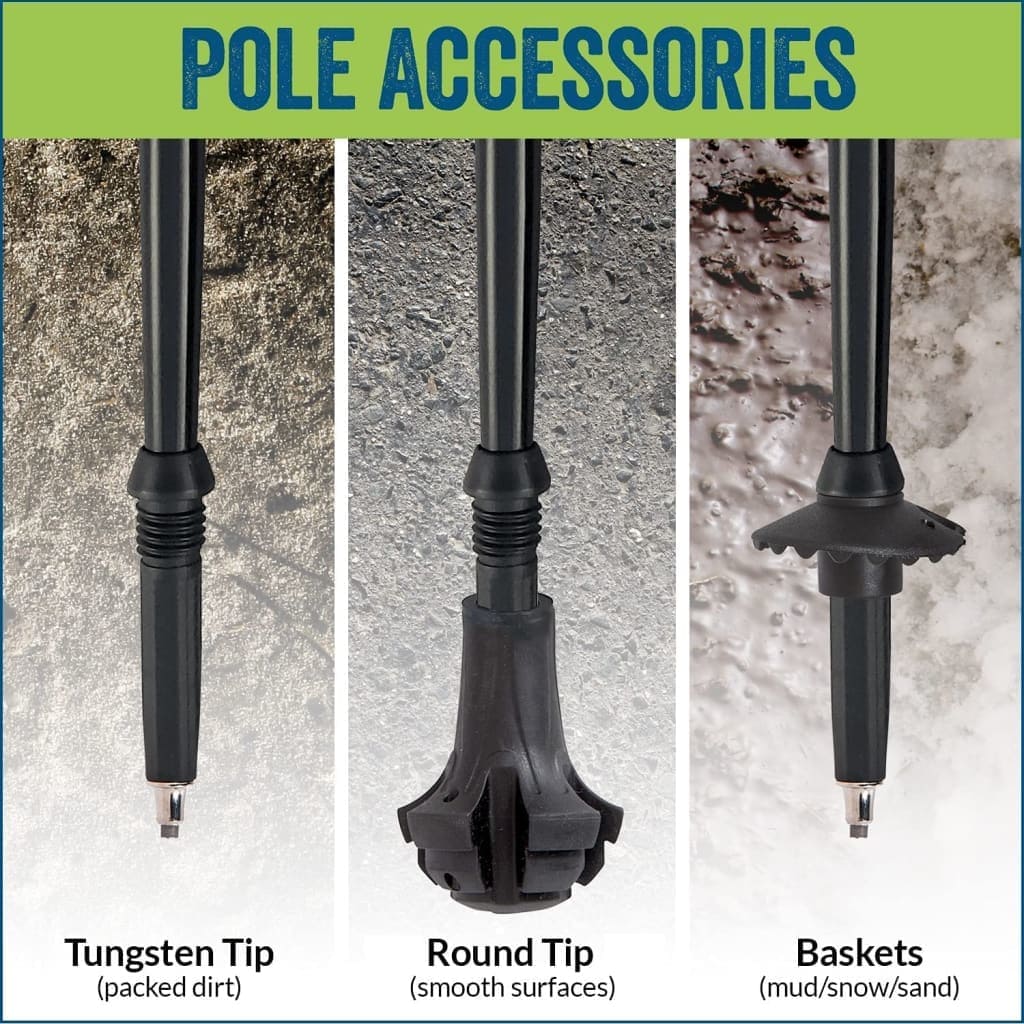
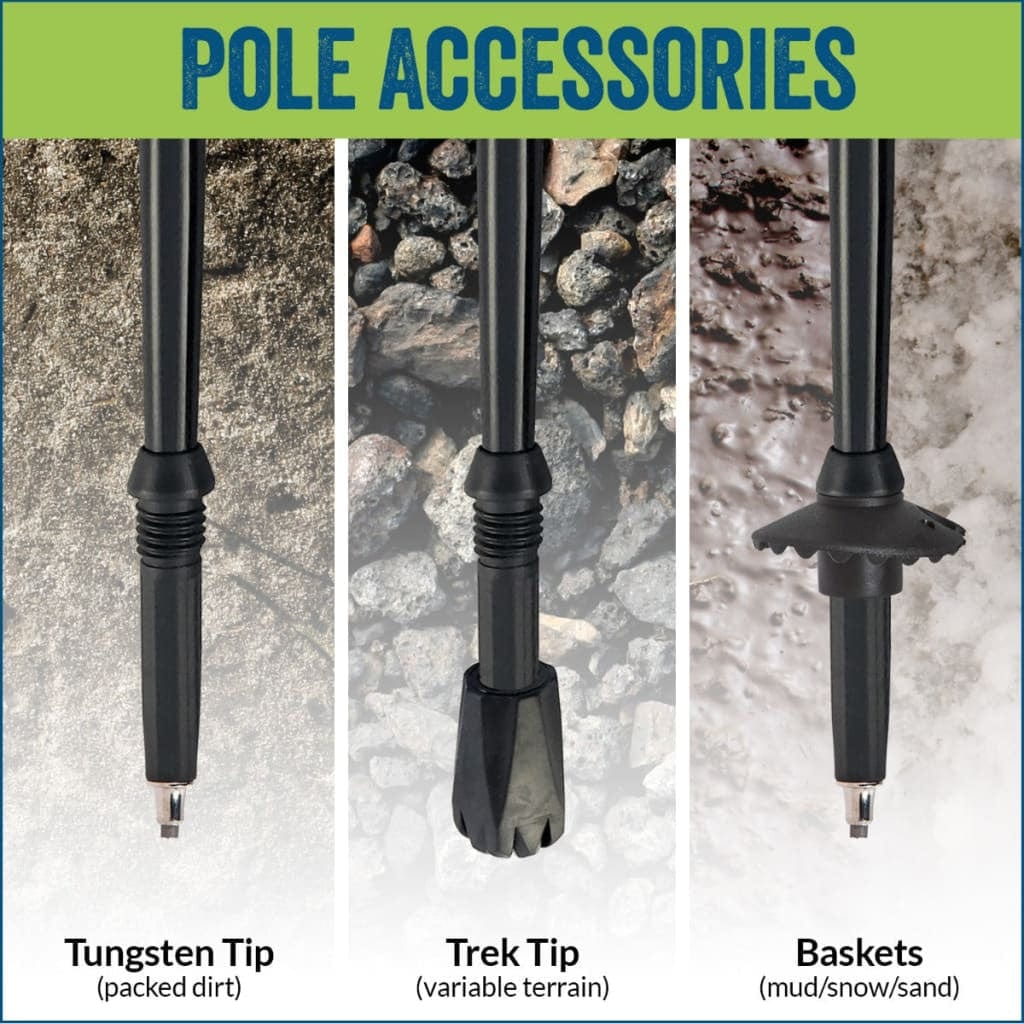
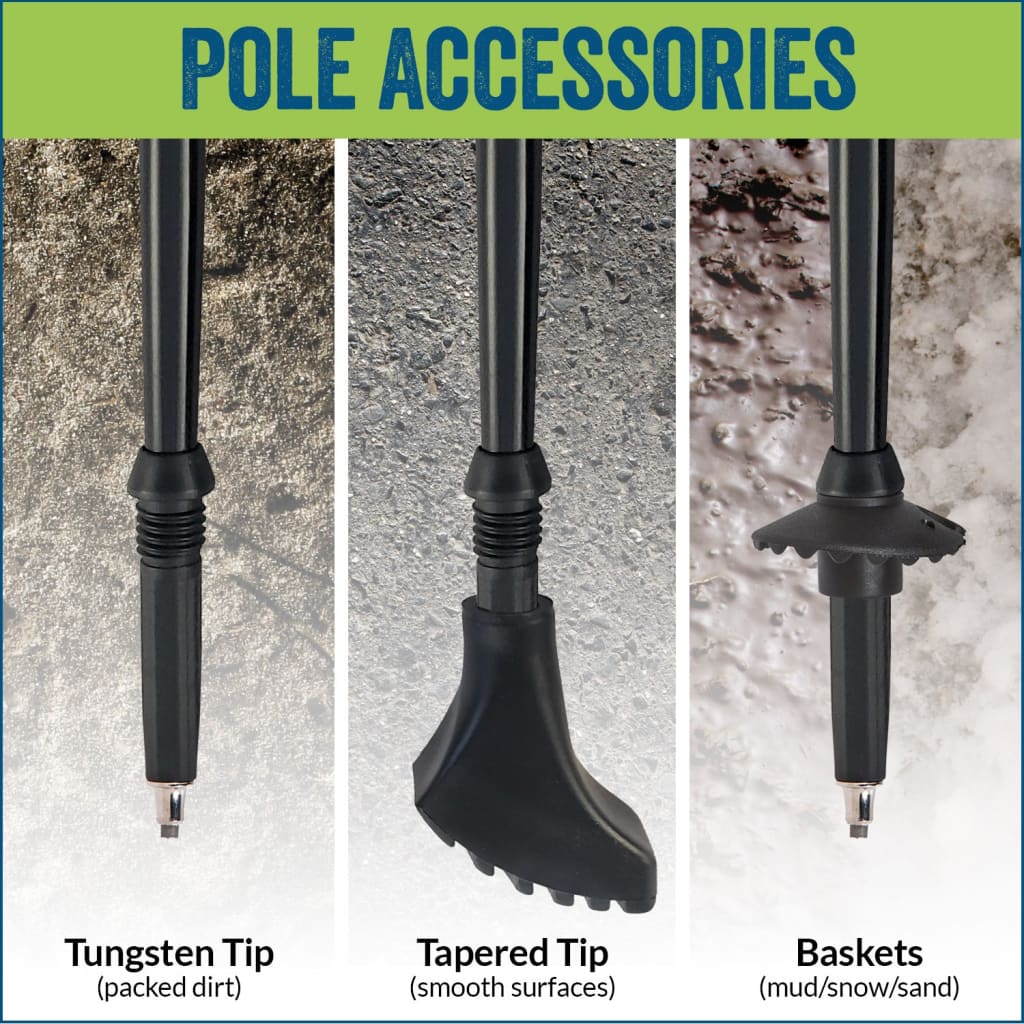
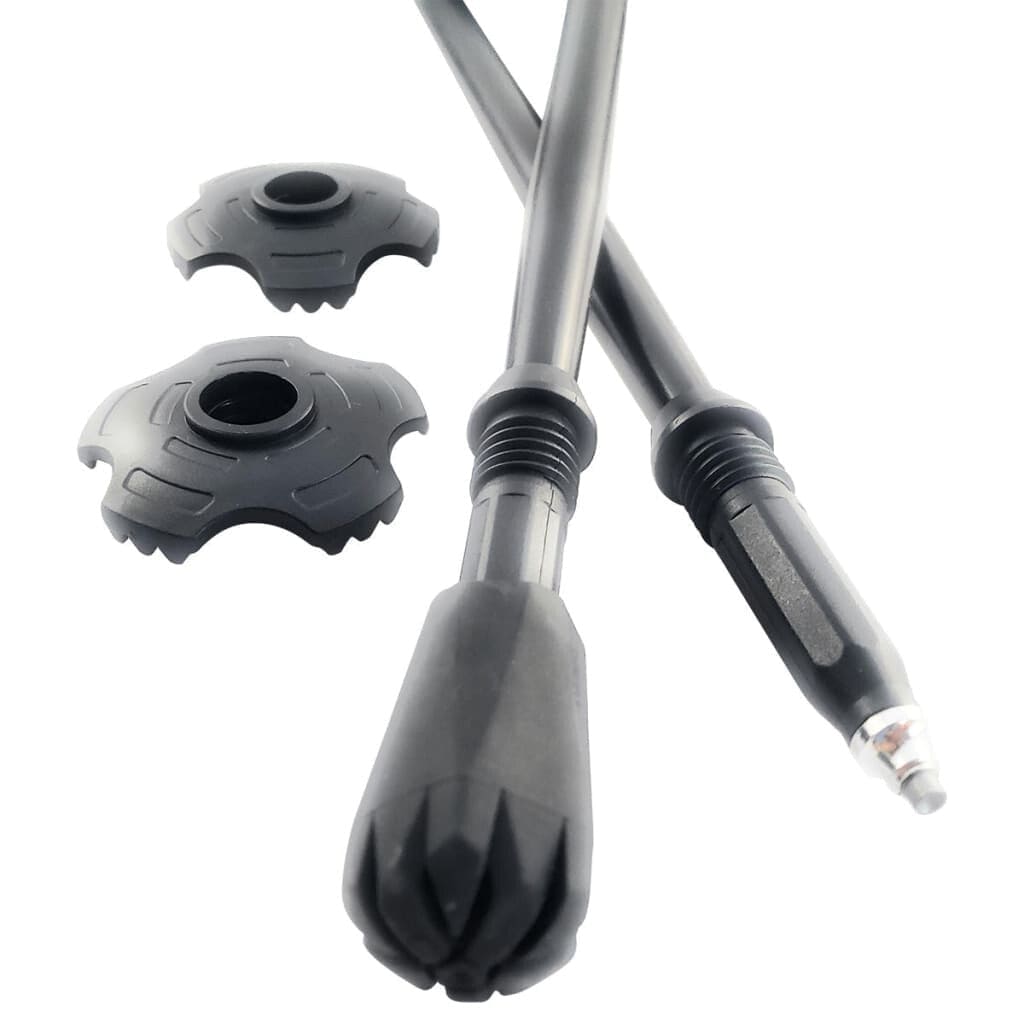
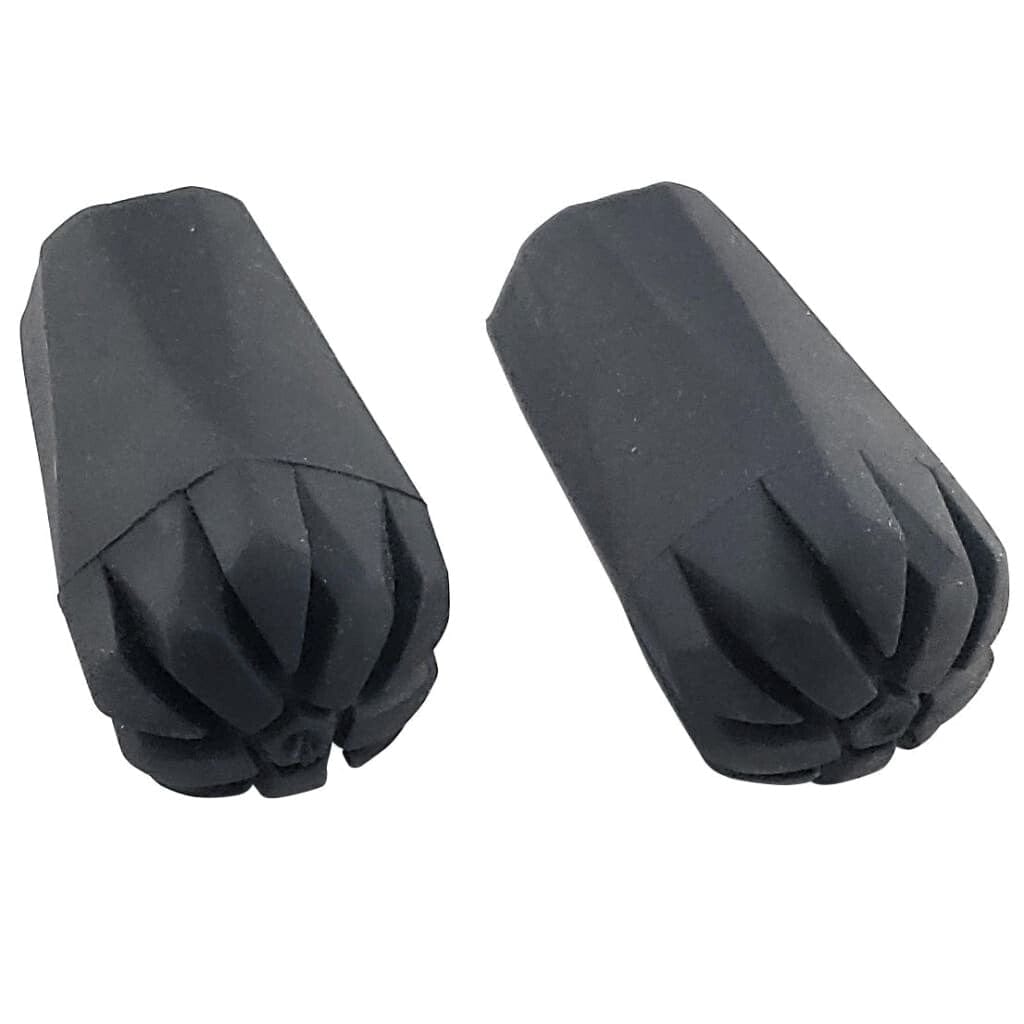
With interchangeable pole feet and the right technique, the same pair of poles can become part of an everyday walking routine.
That versatility makes them a practical tool—not something that only gets used during a therapy appointment.
8. They Can Help Make Walking More Enjoyable
There's another reason physical therapists appreciate tools that encourage walking: people are more likely to stick with activities they actually enjoy.
Walking poles can turn an ordinary walk into a more active, full-body experience.
They can also make people feel more capable of exploring places they might otherwise avoid.
And that's ultimately what rehabilitation and healthy movement are about: helping people do more of the things they want to do.
Why the Right Pole Matters
Not all walking poles are created equal.
For people using poles for stability, rehabilitation, or everyday walking, comfort and ease of use matter.
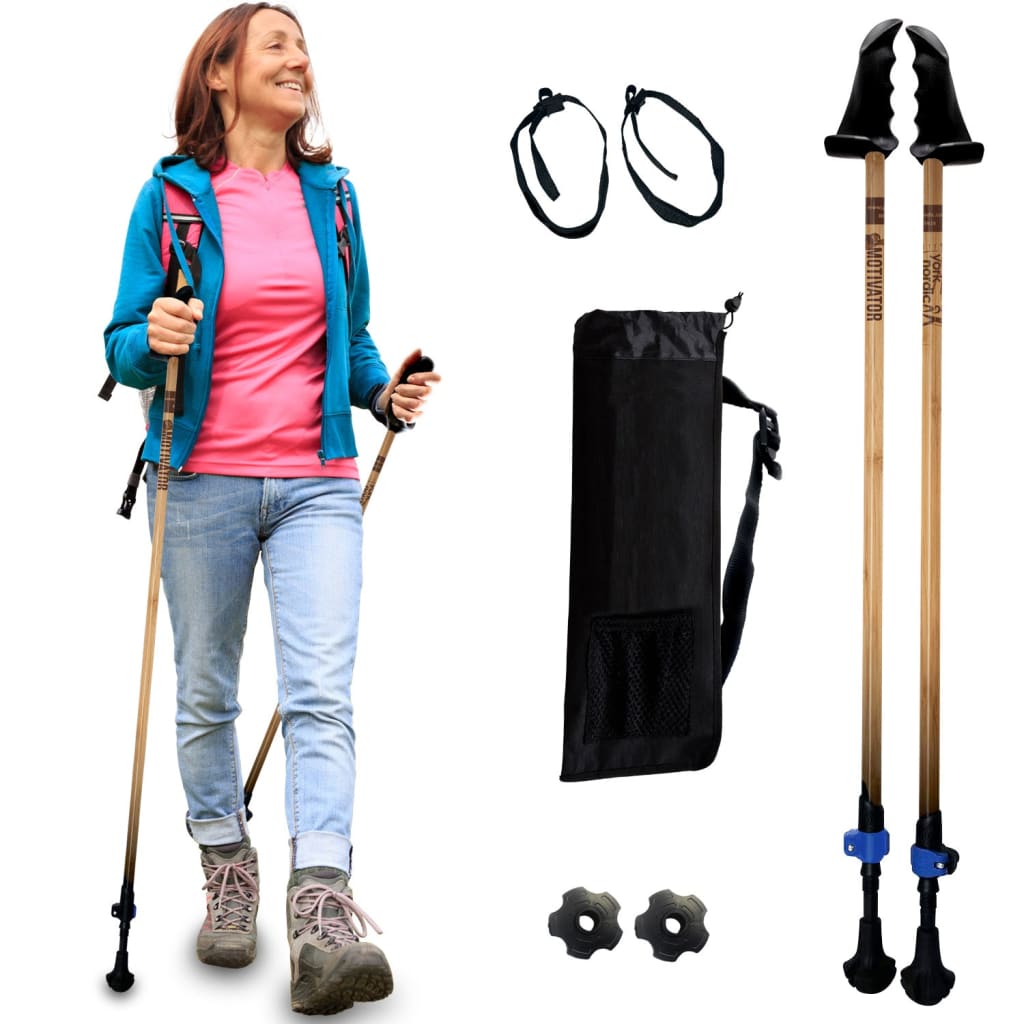
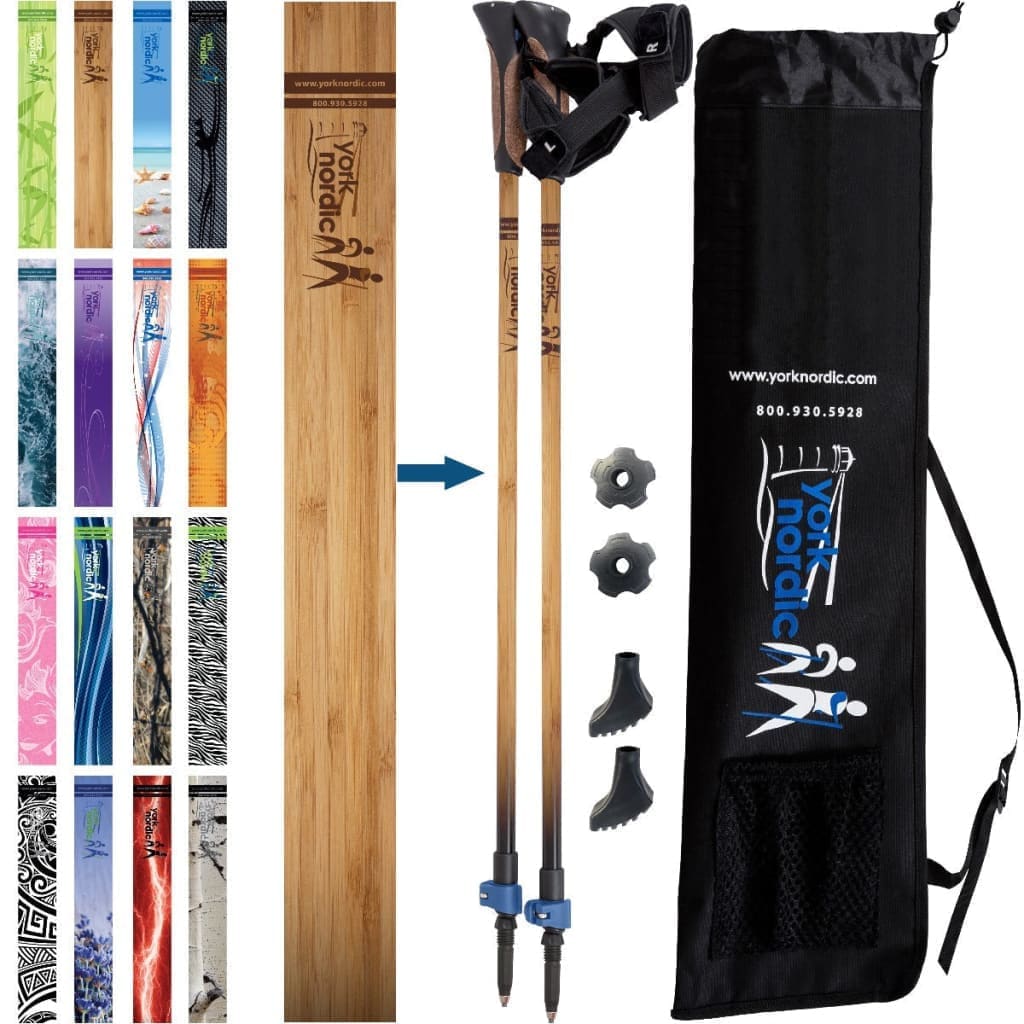
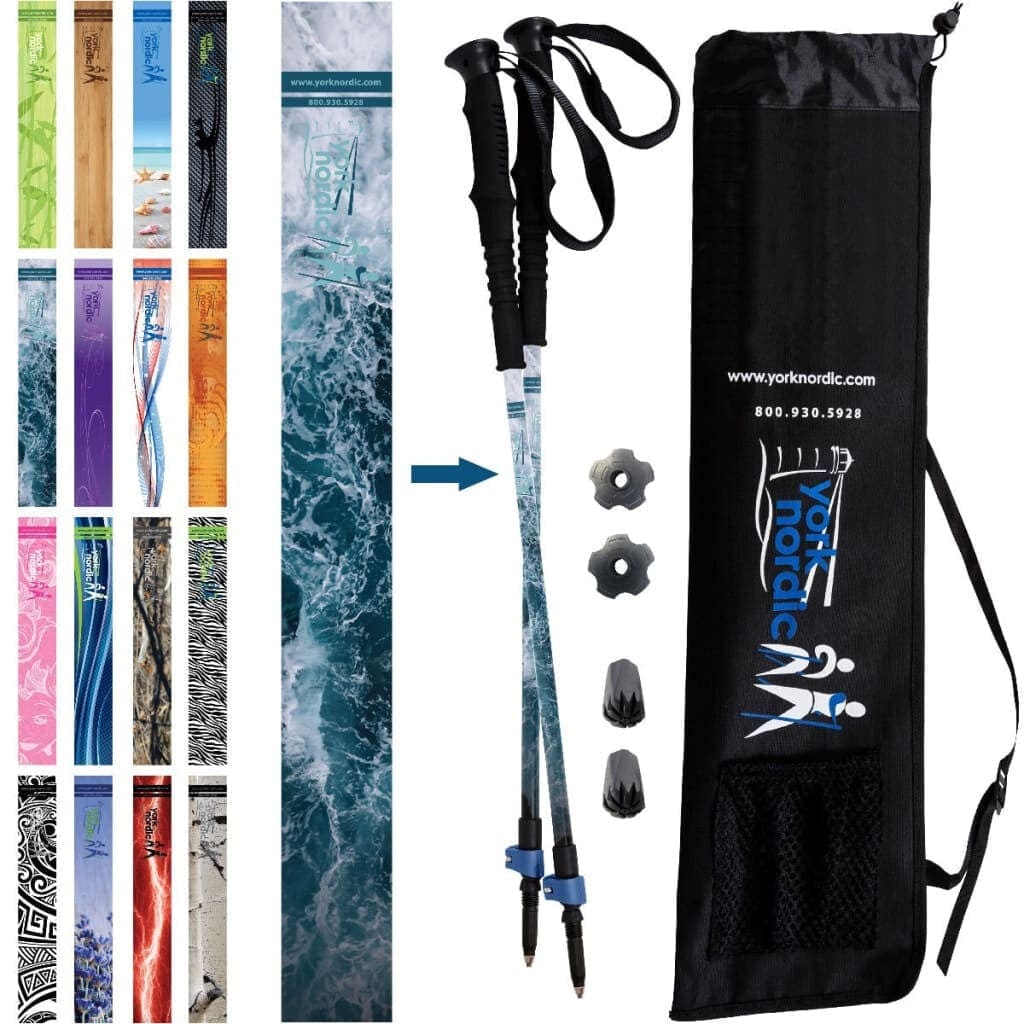
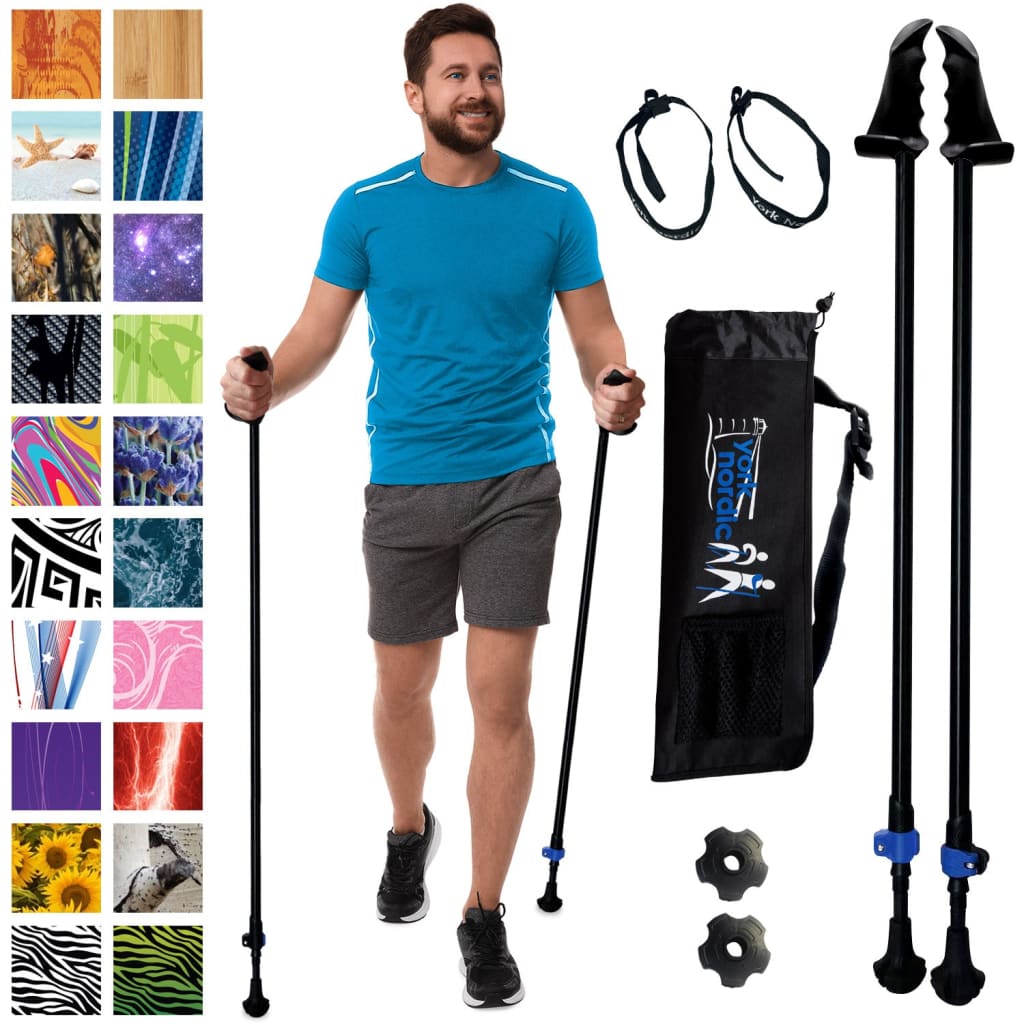
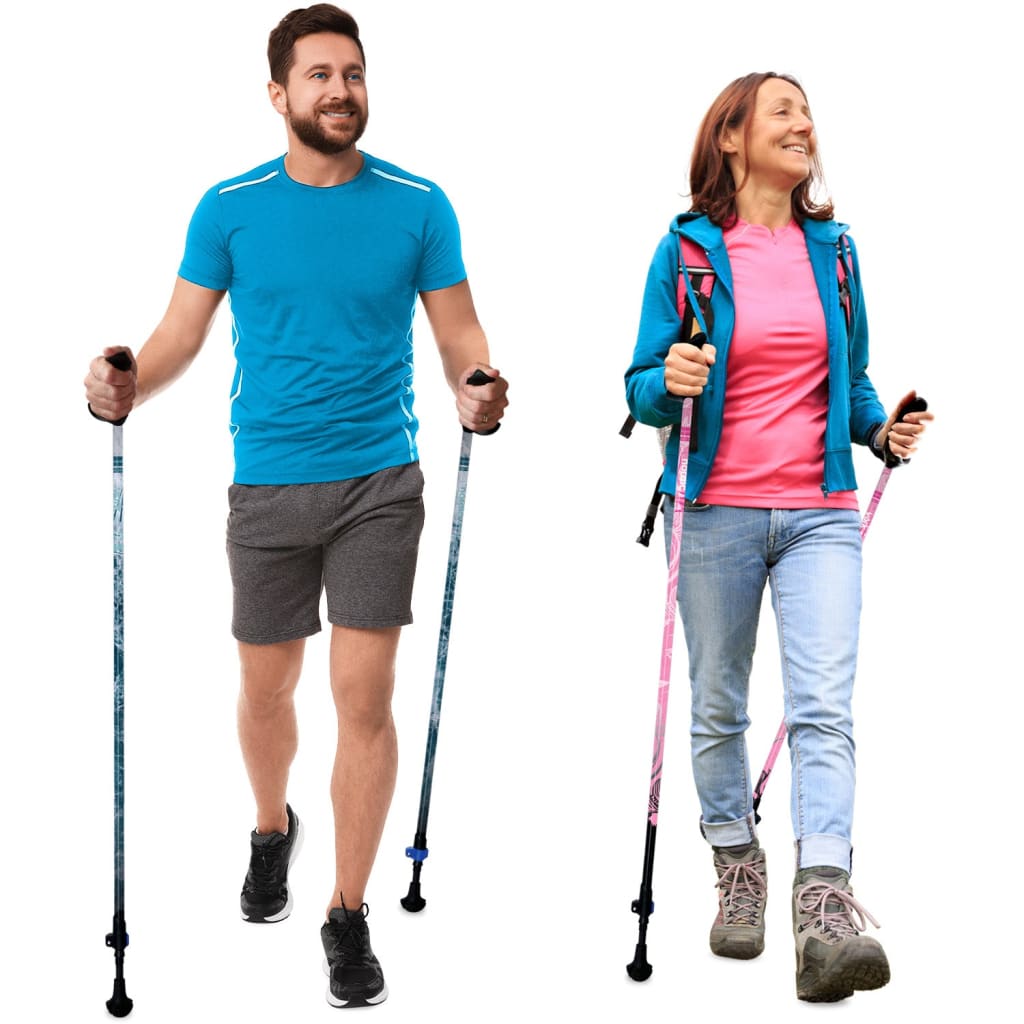
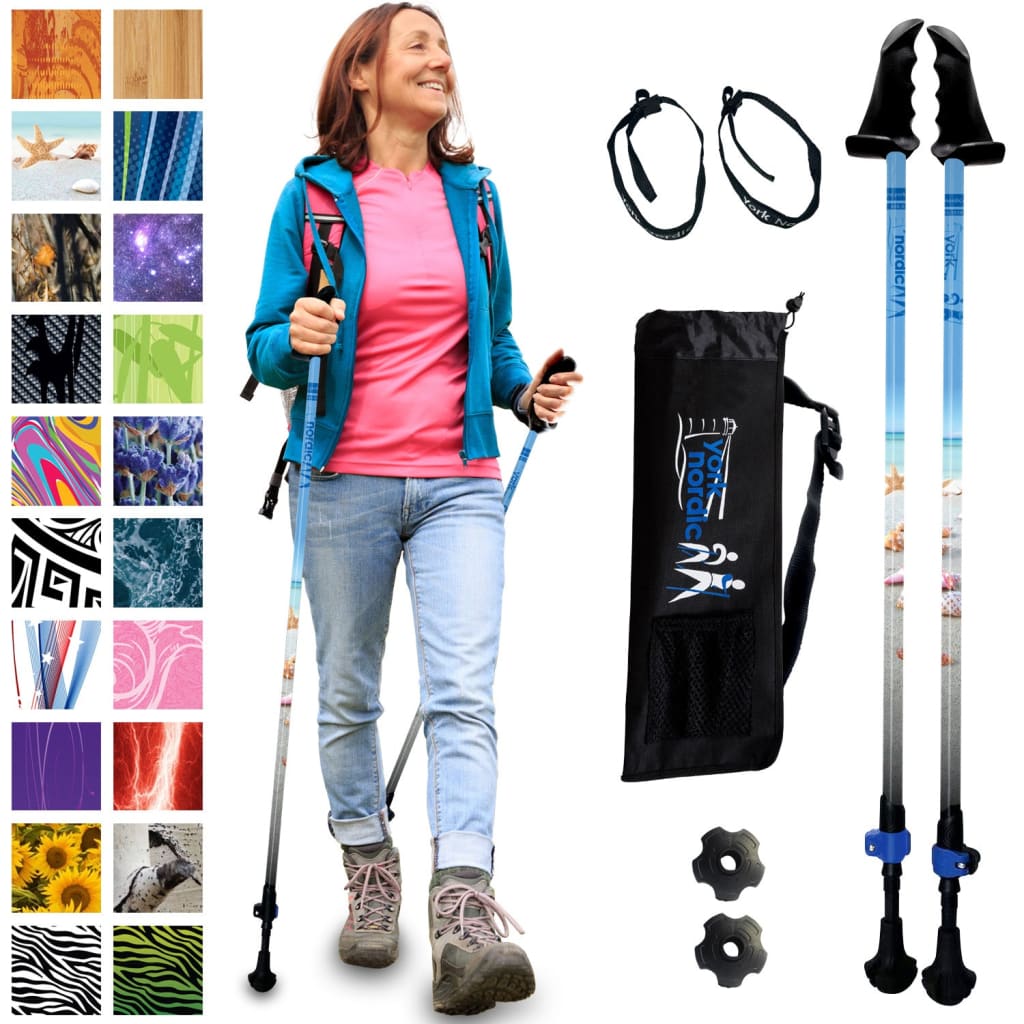
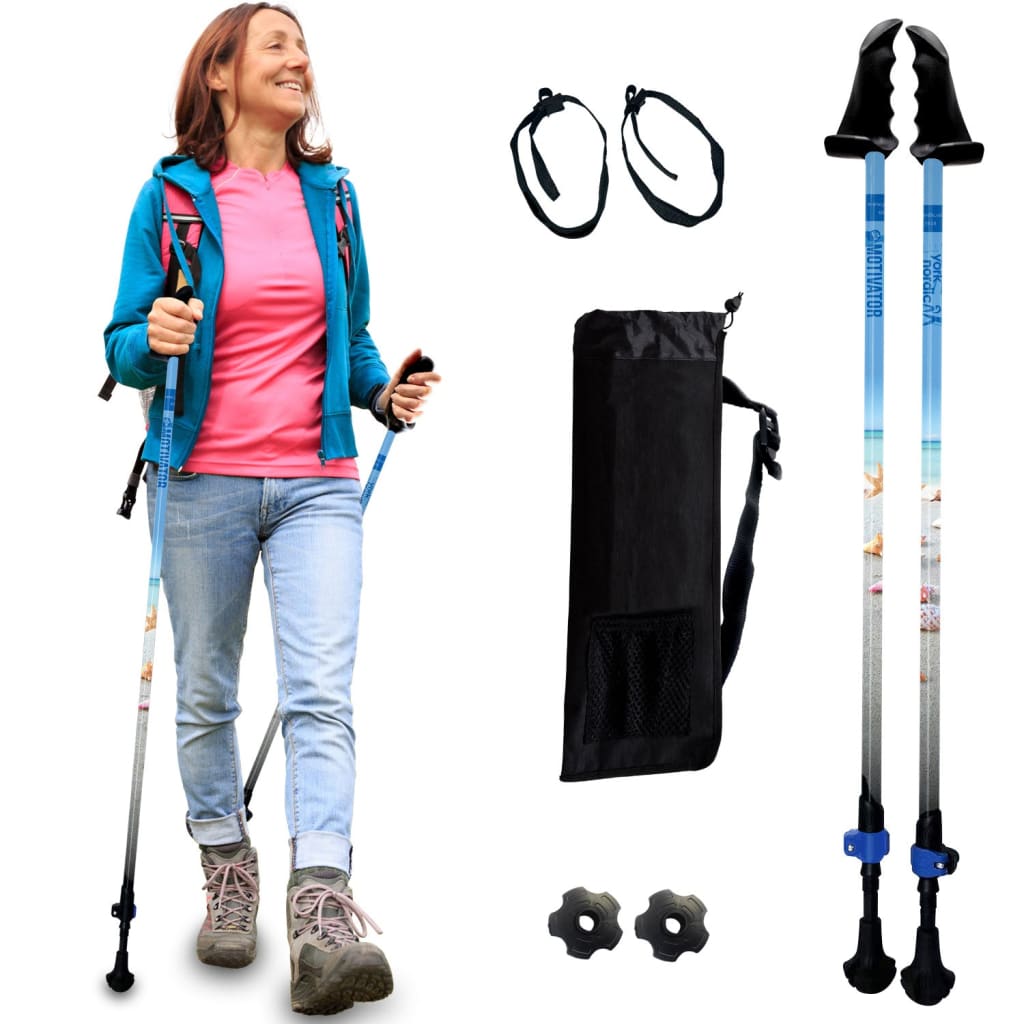
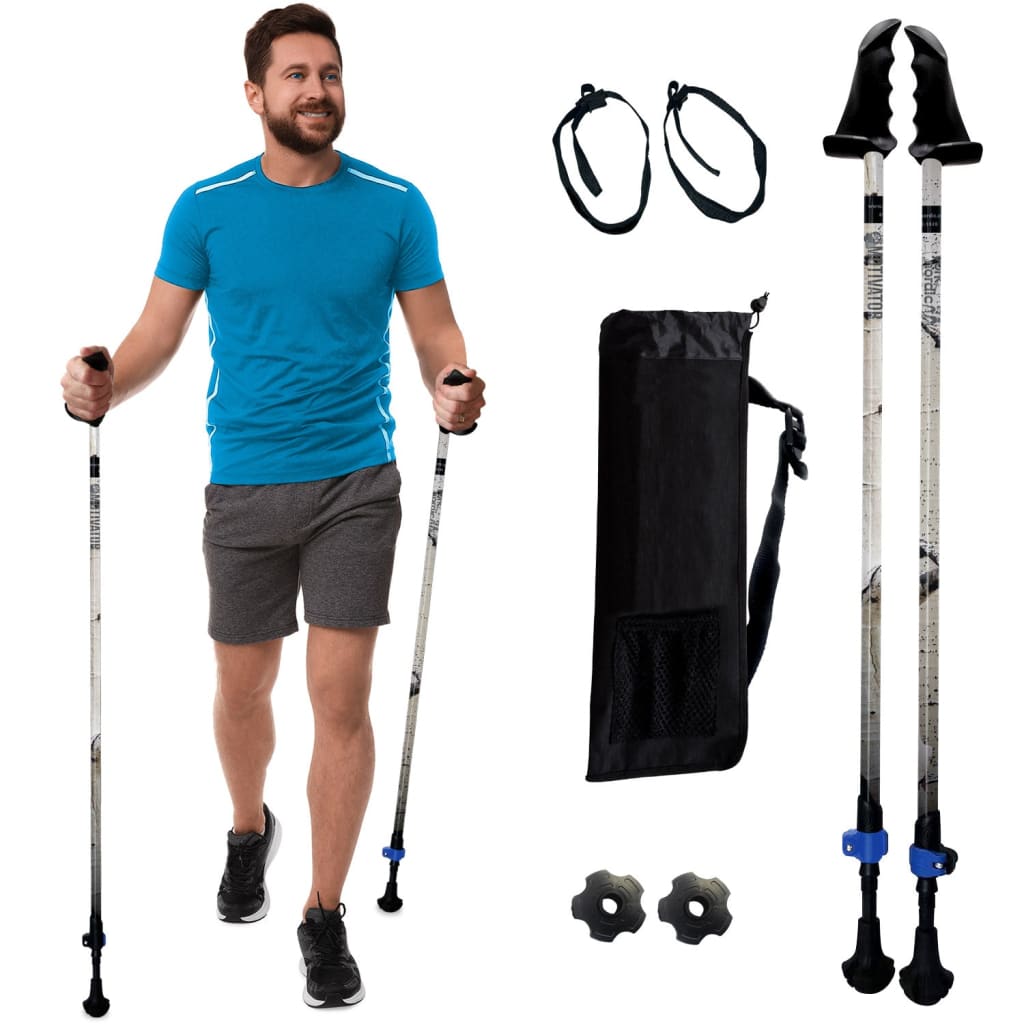
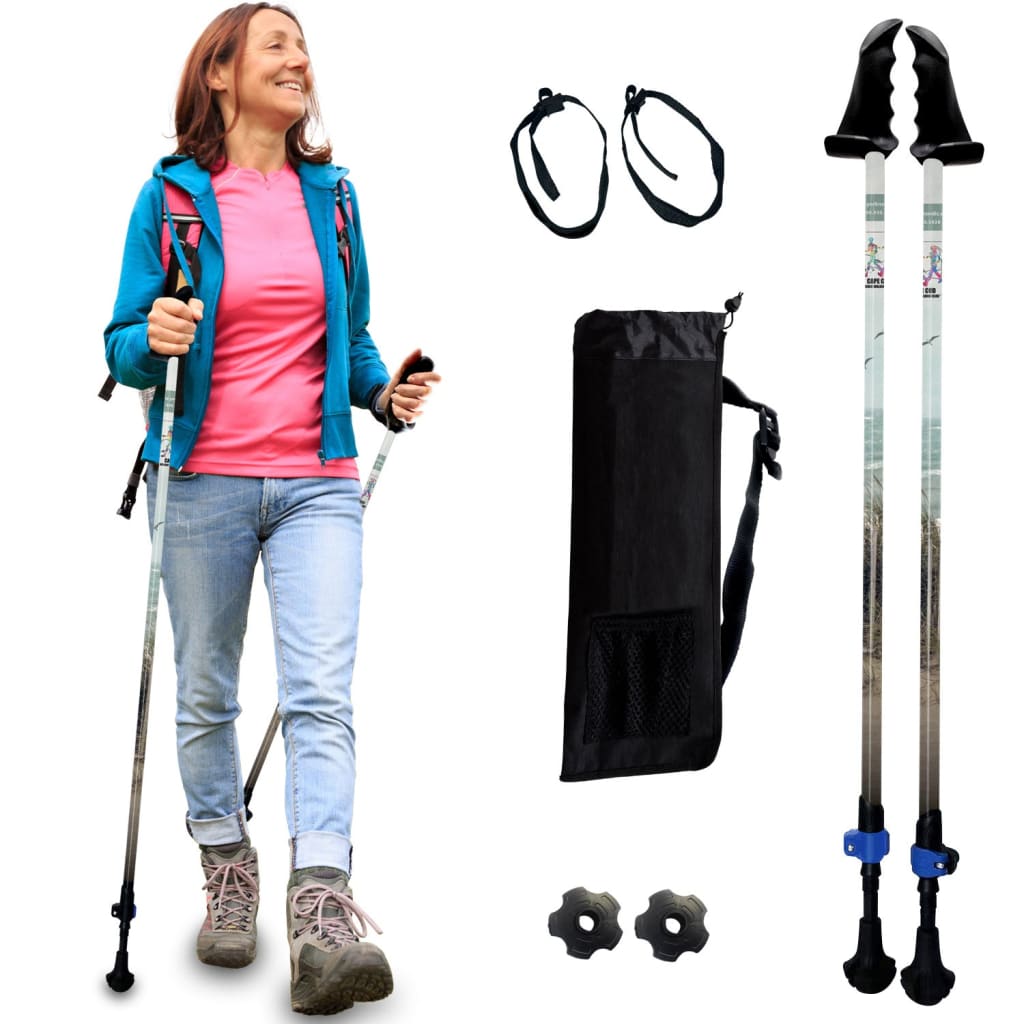
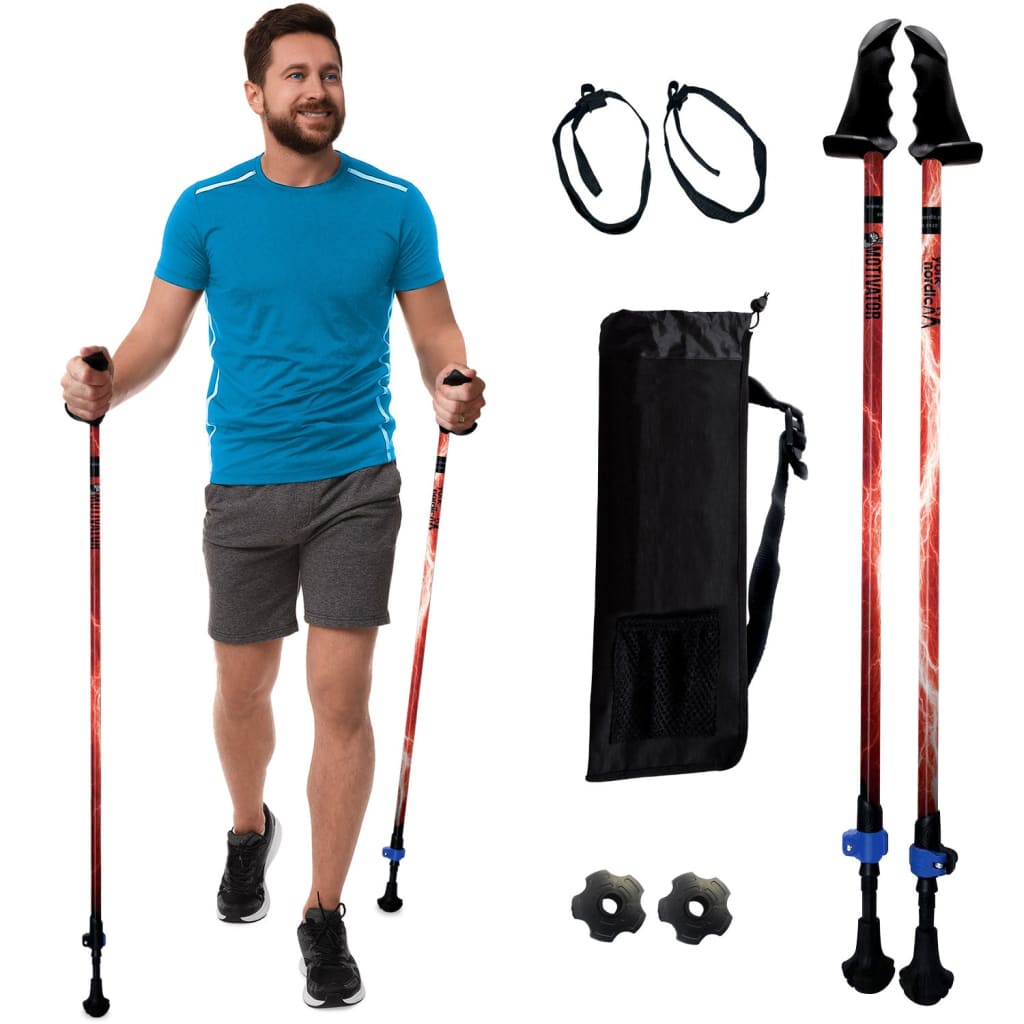
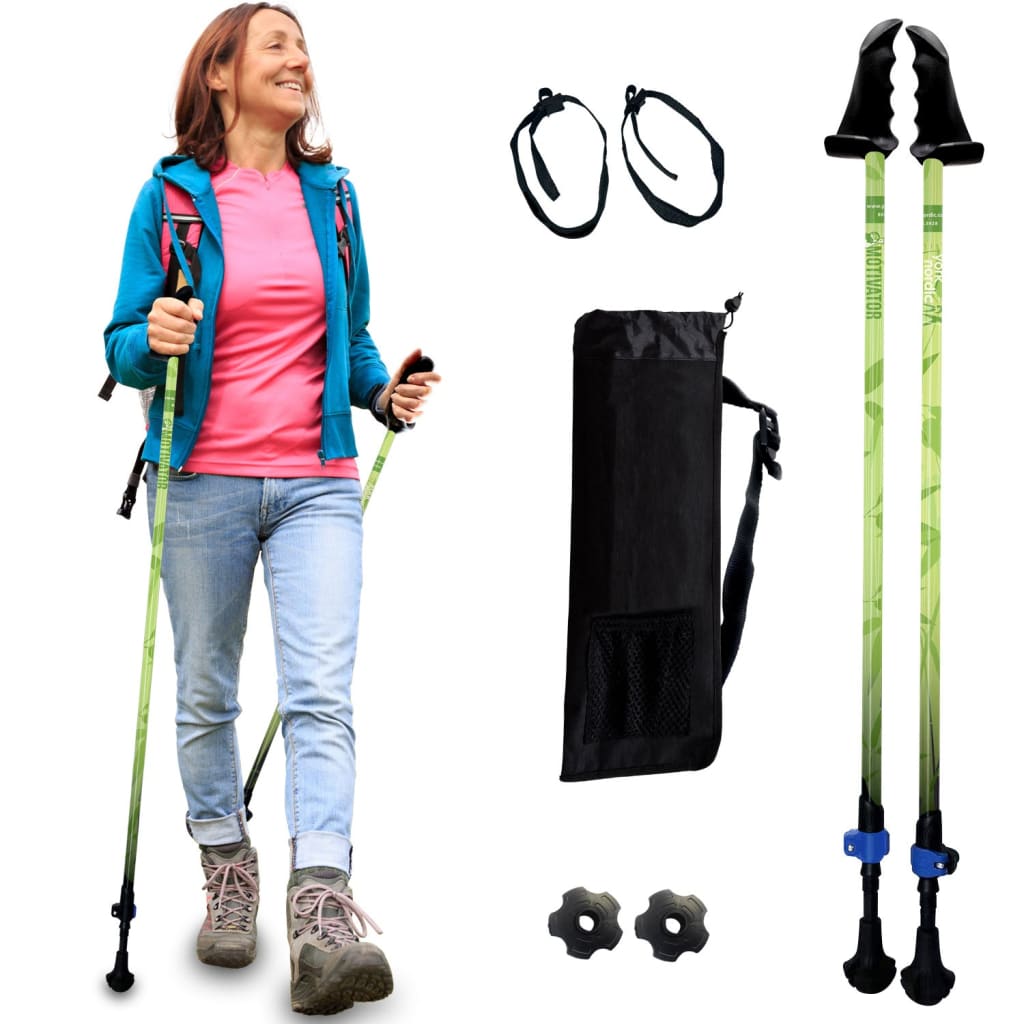
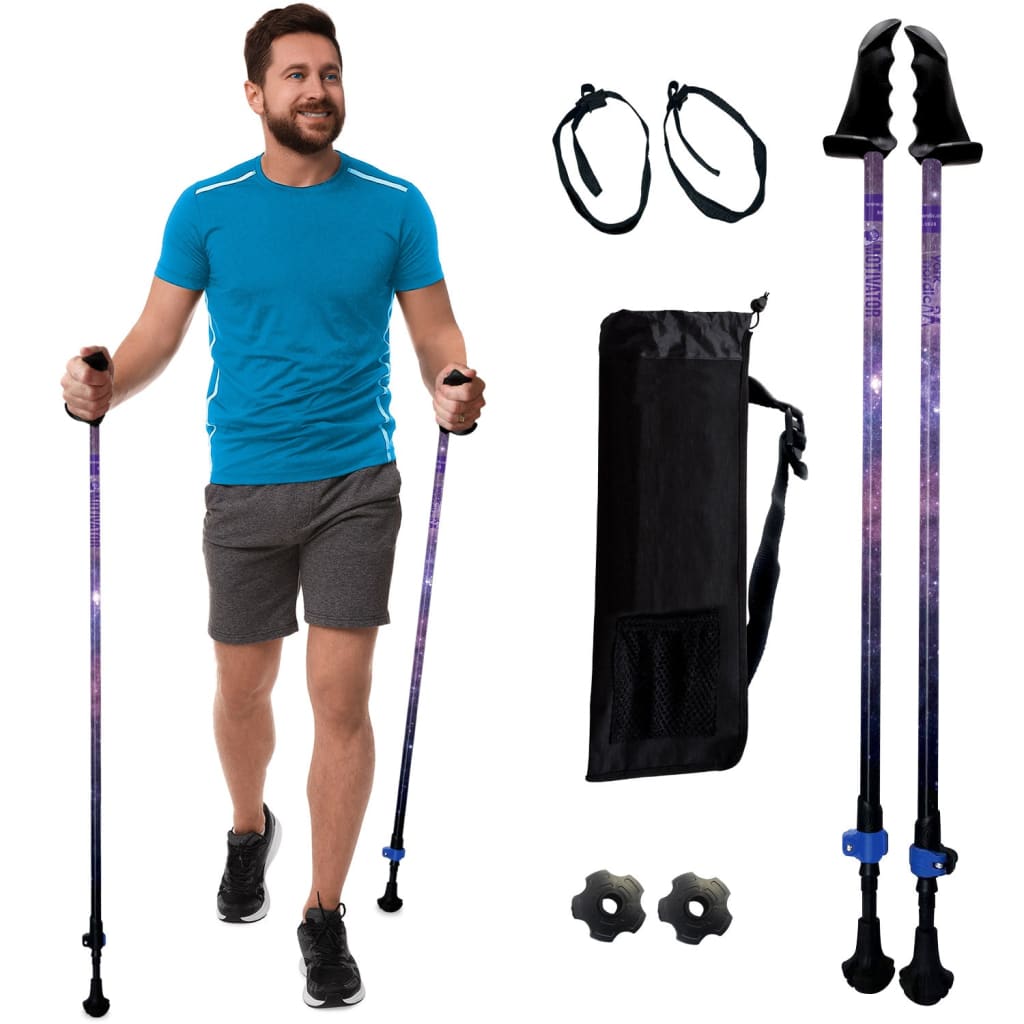
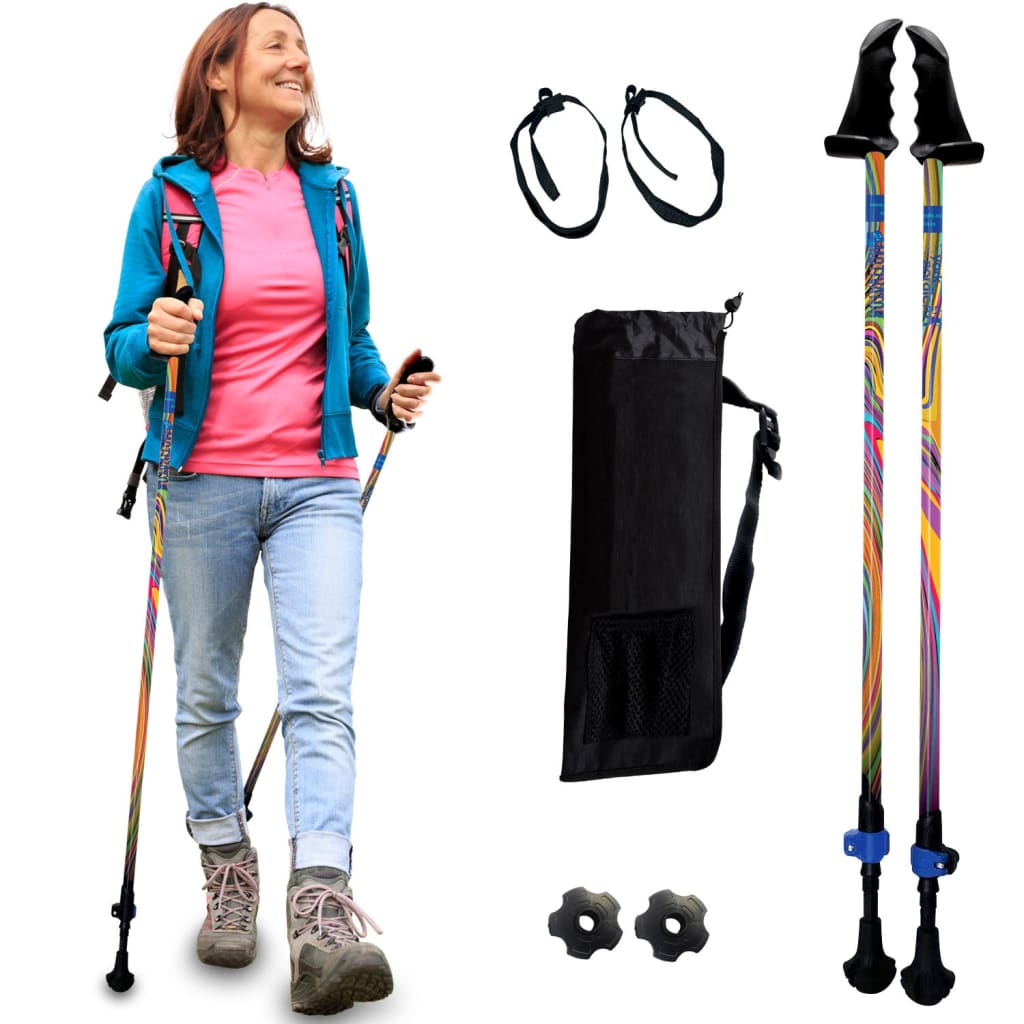
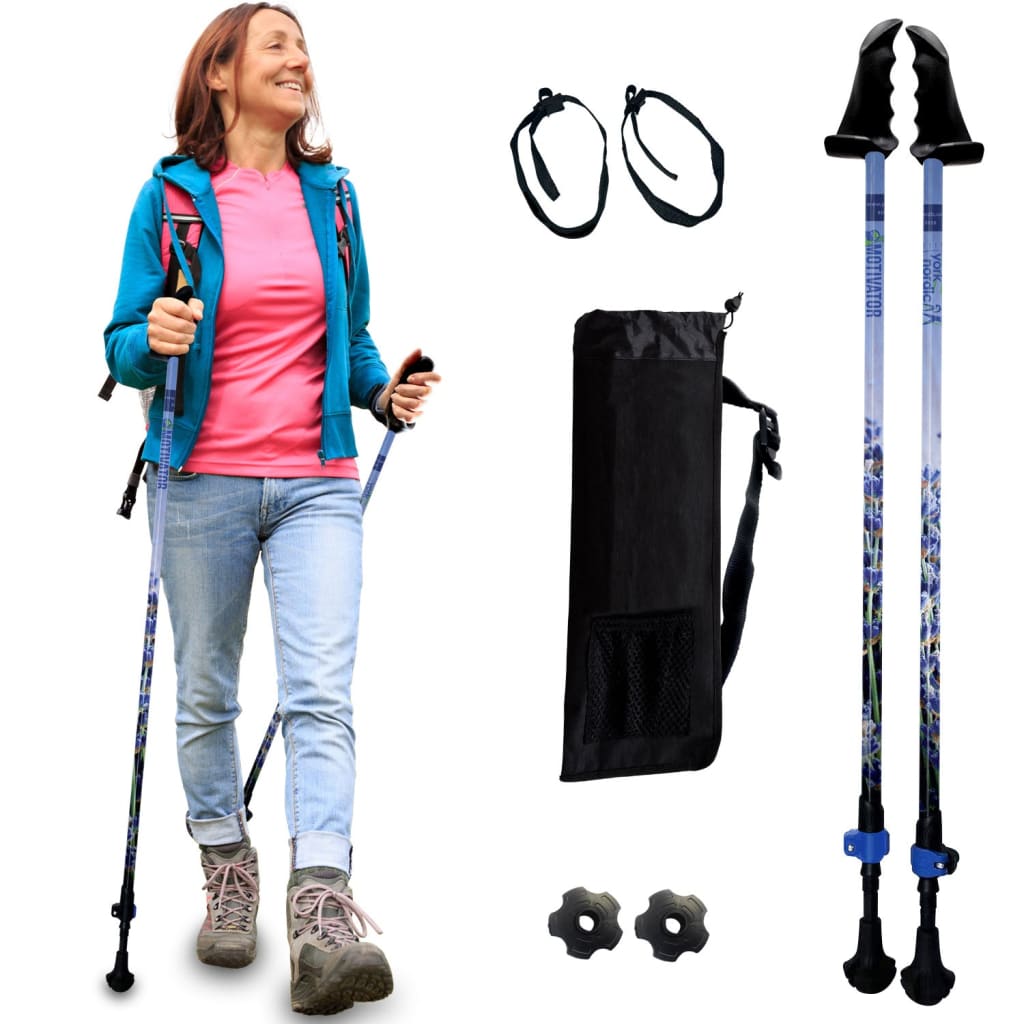
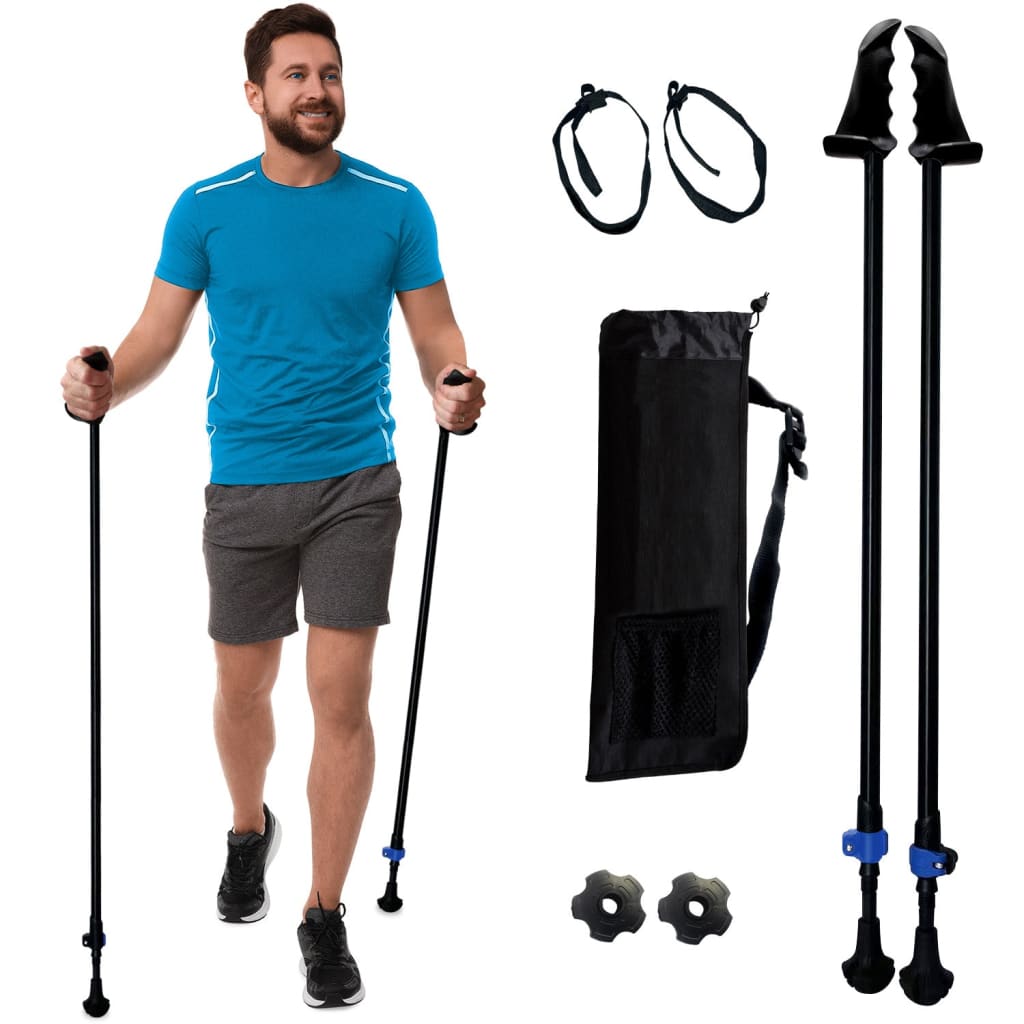
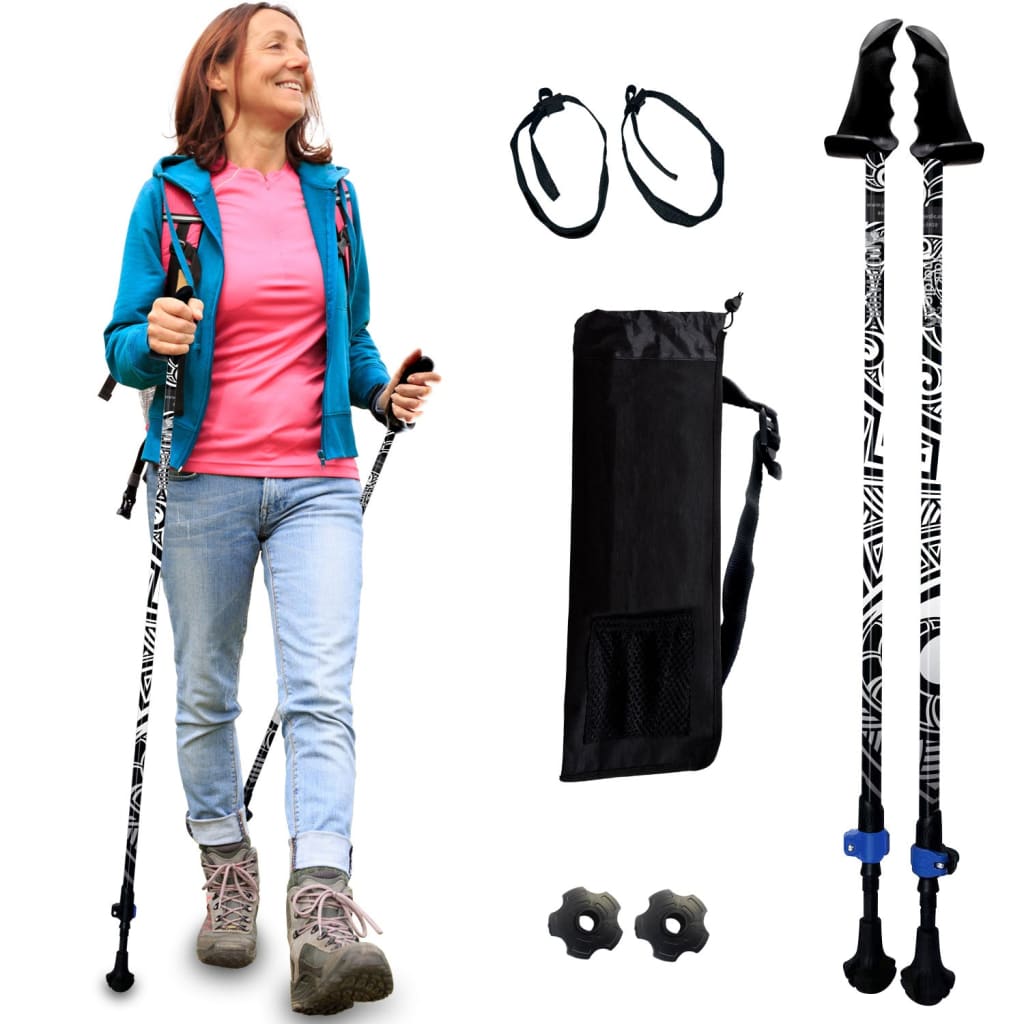
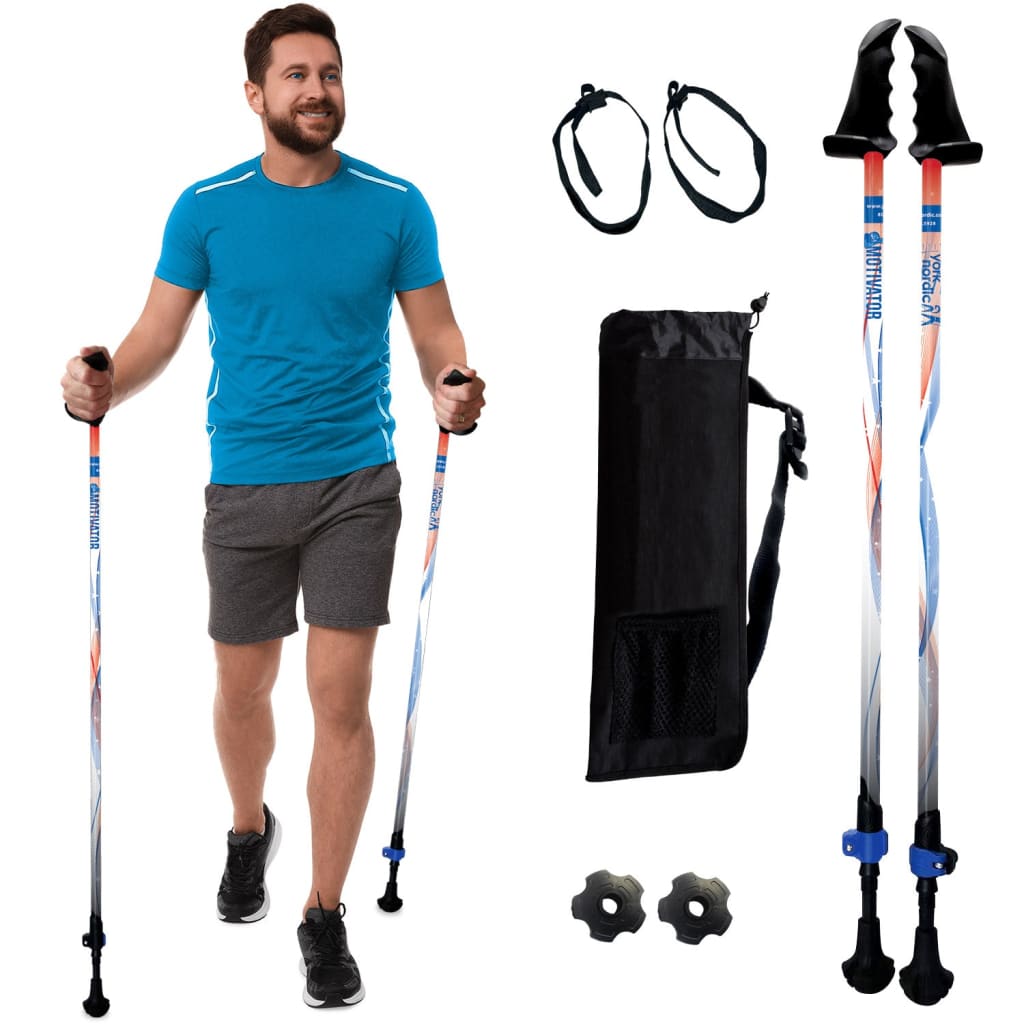
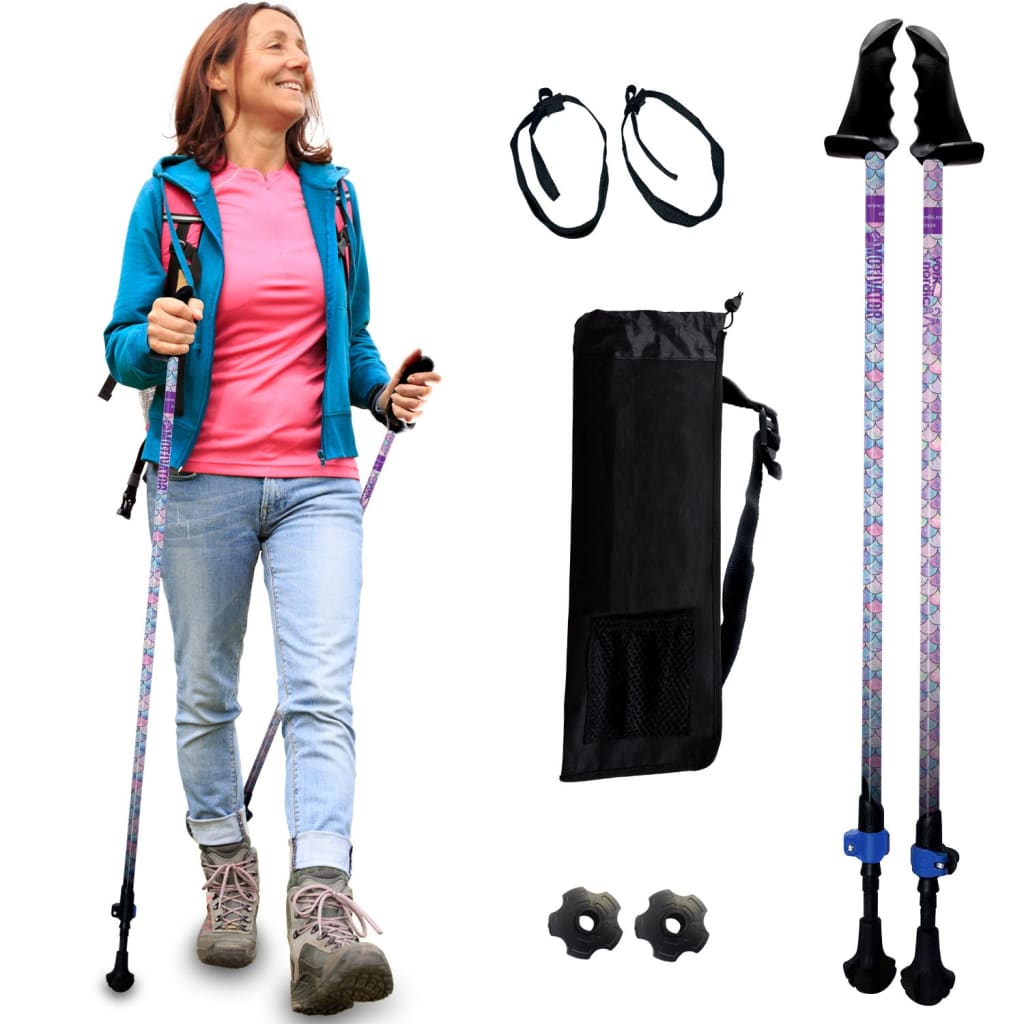
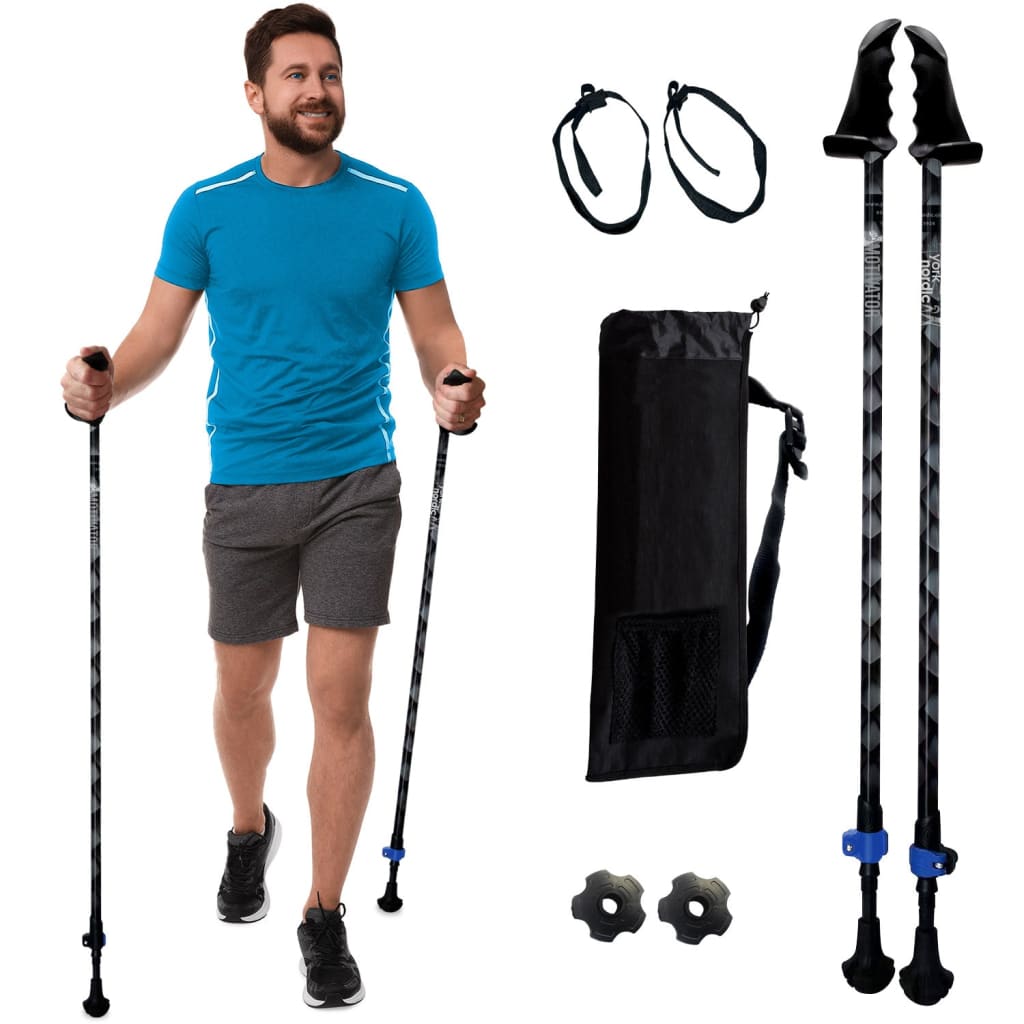
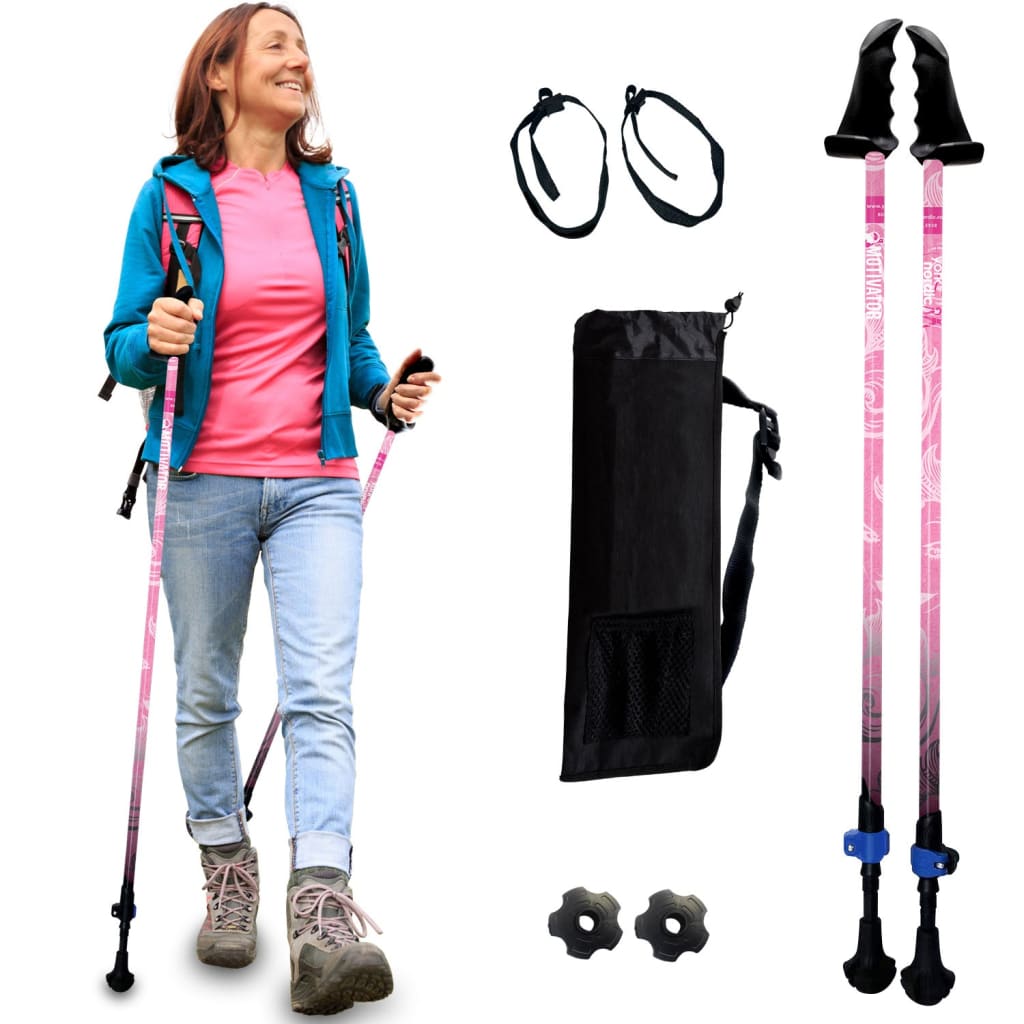
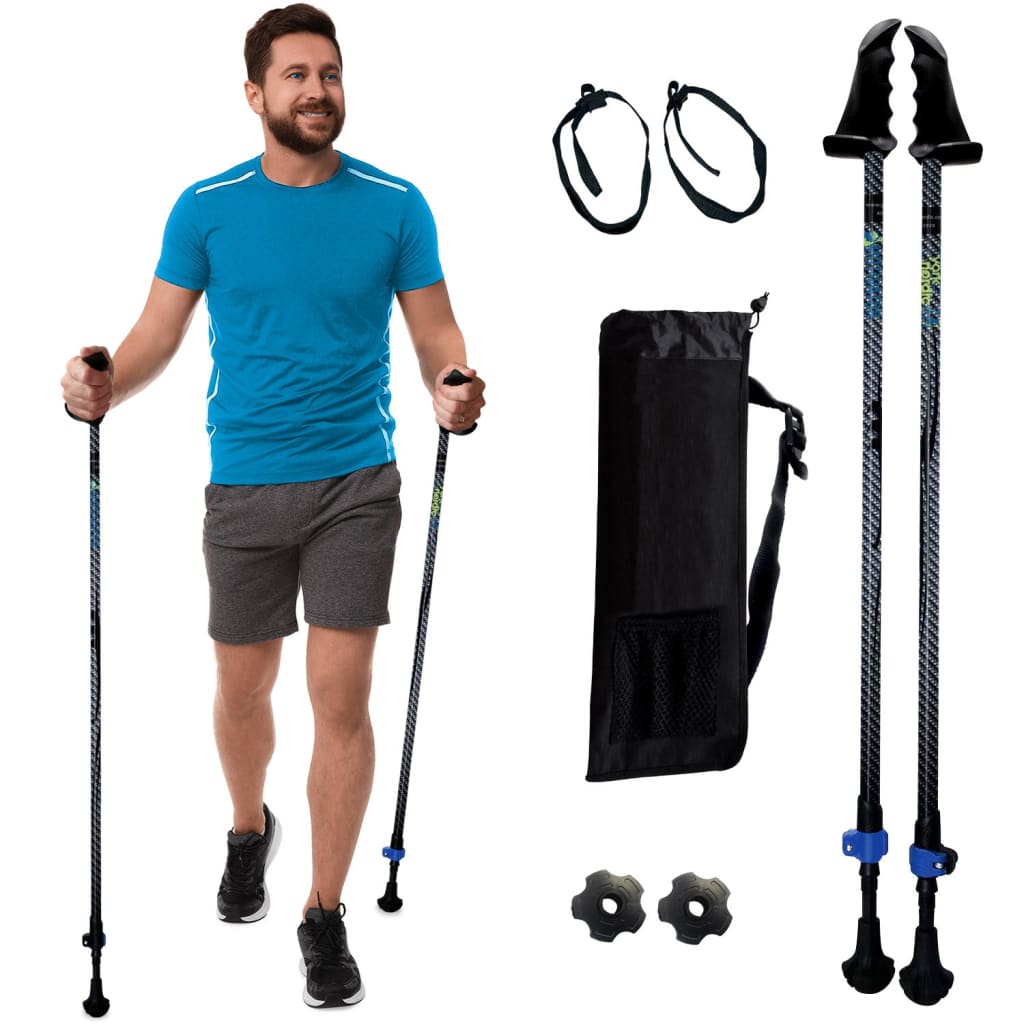
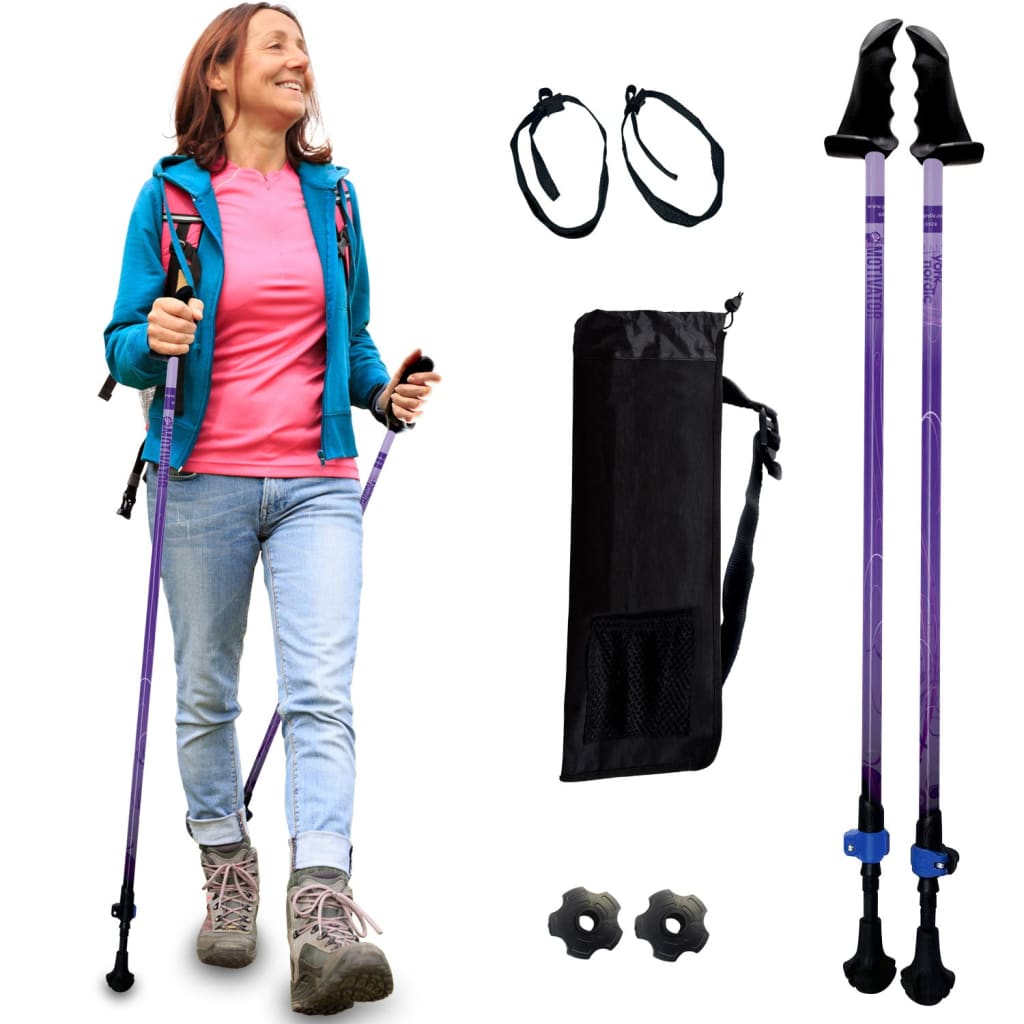
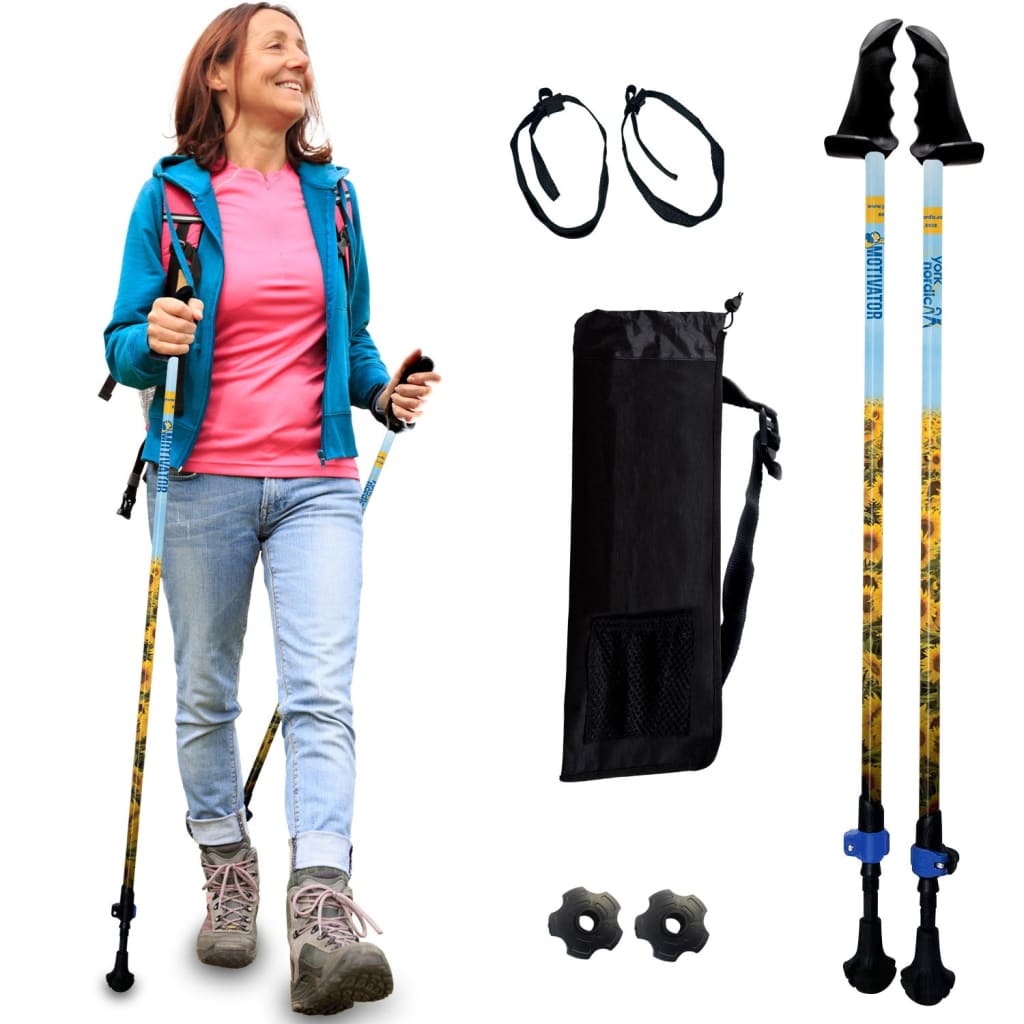
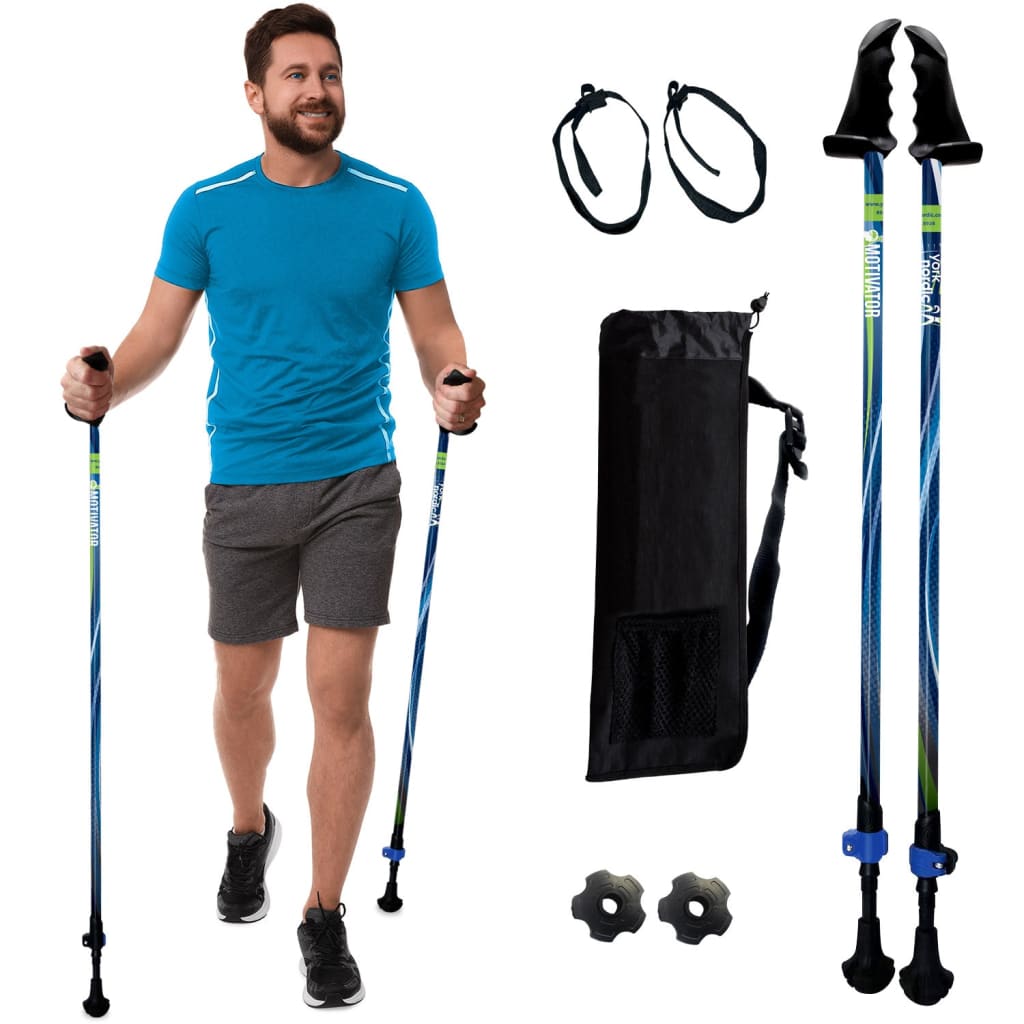
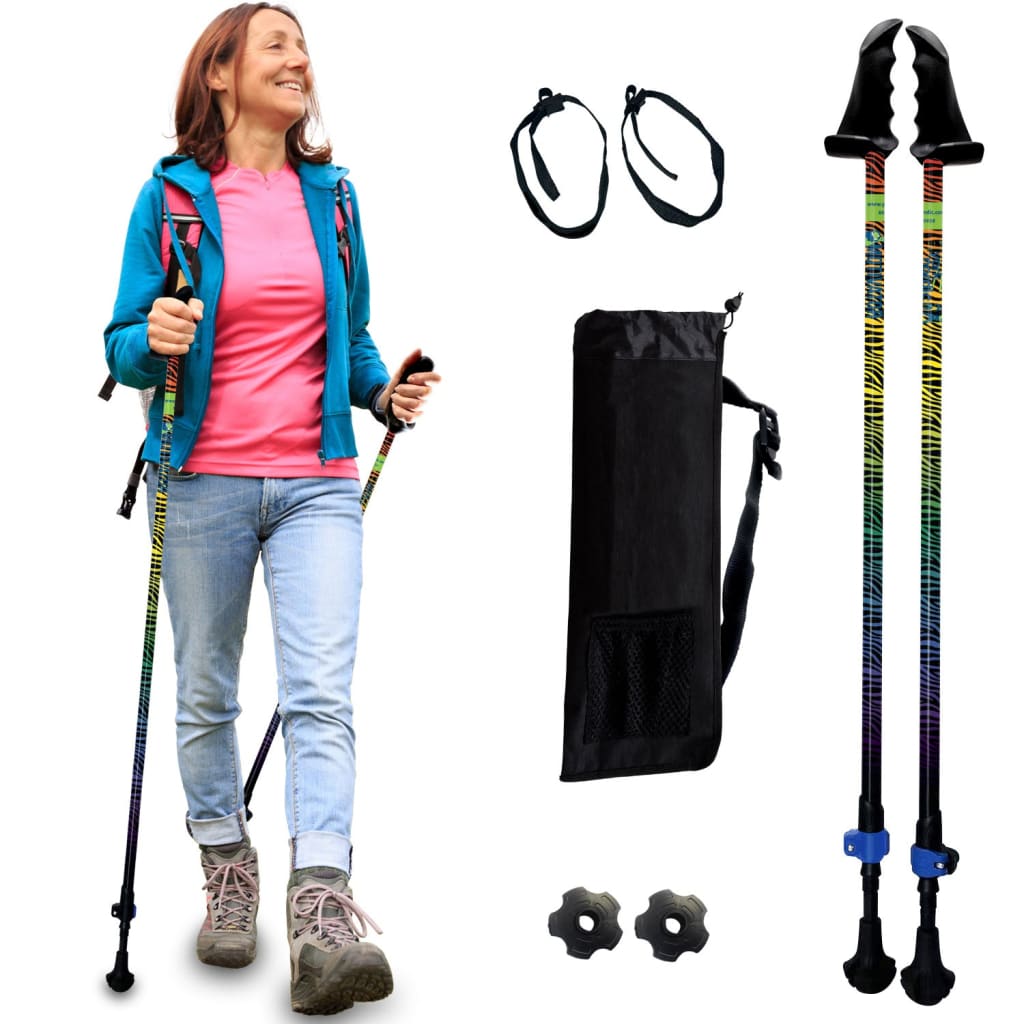
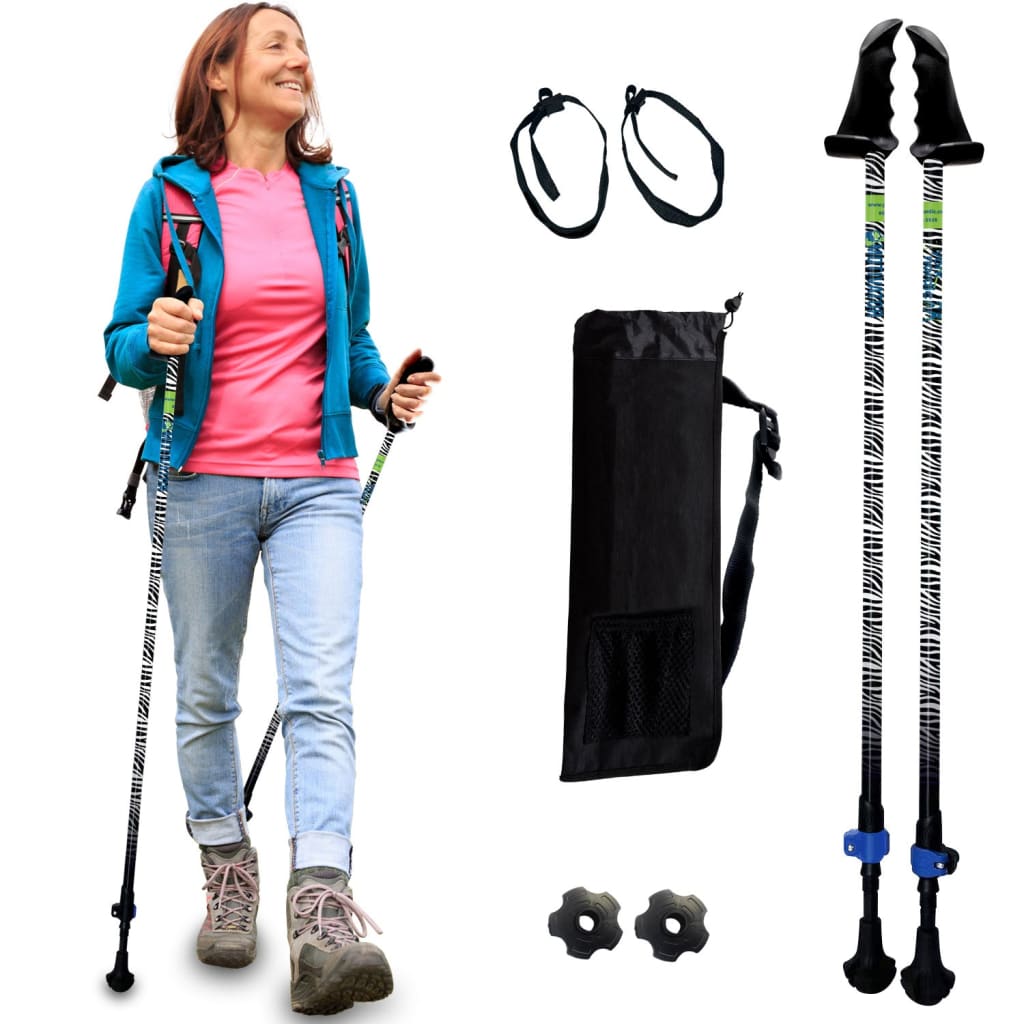
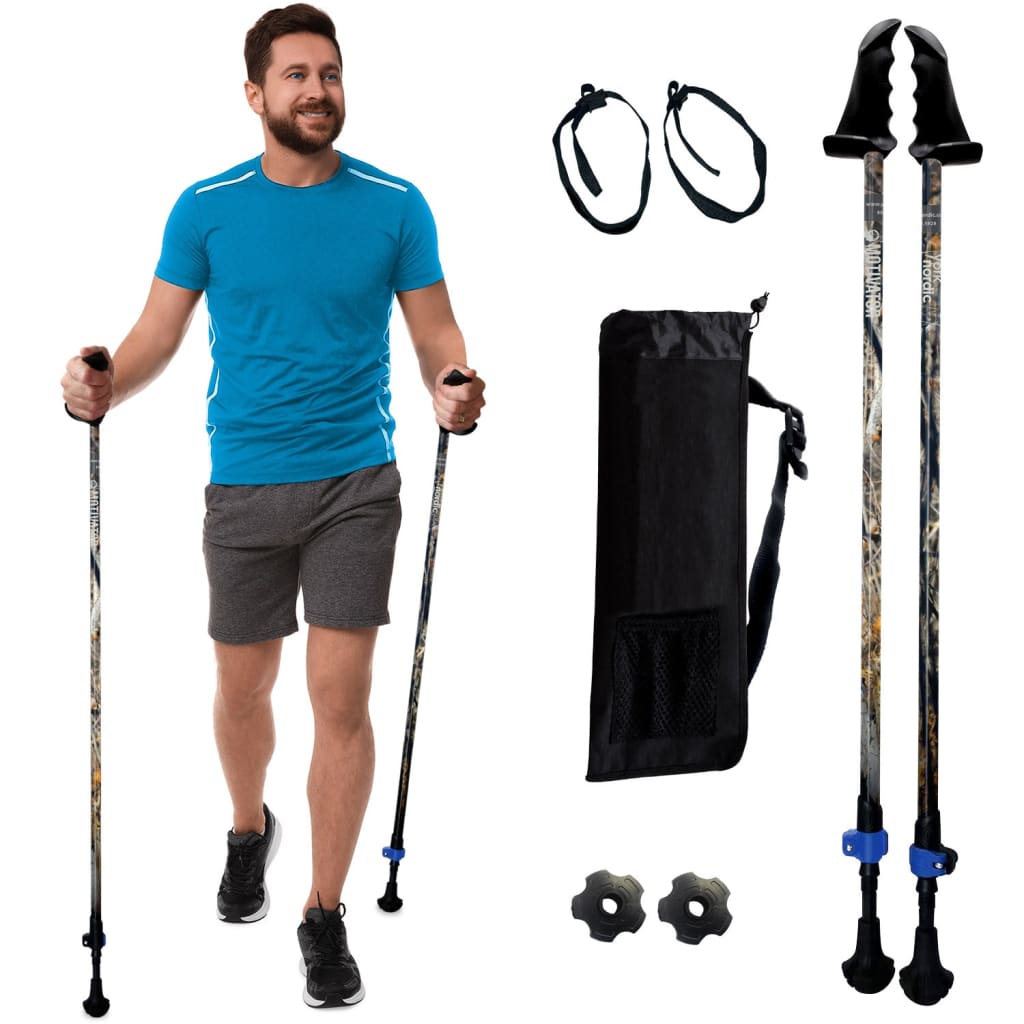
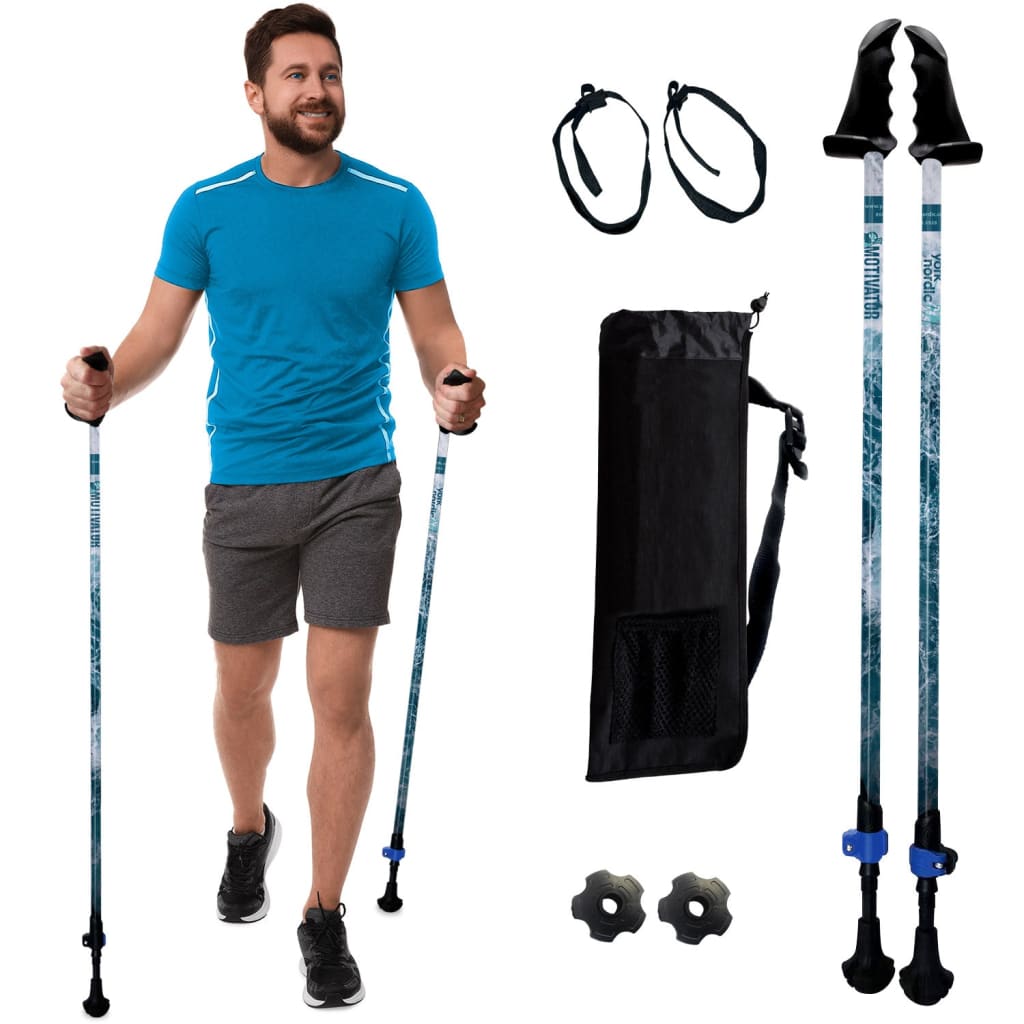
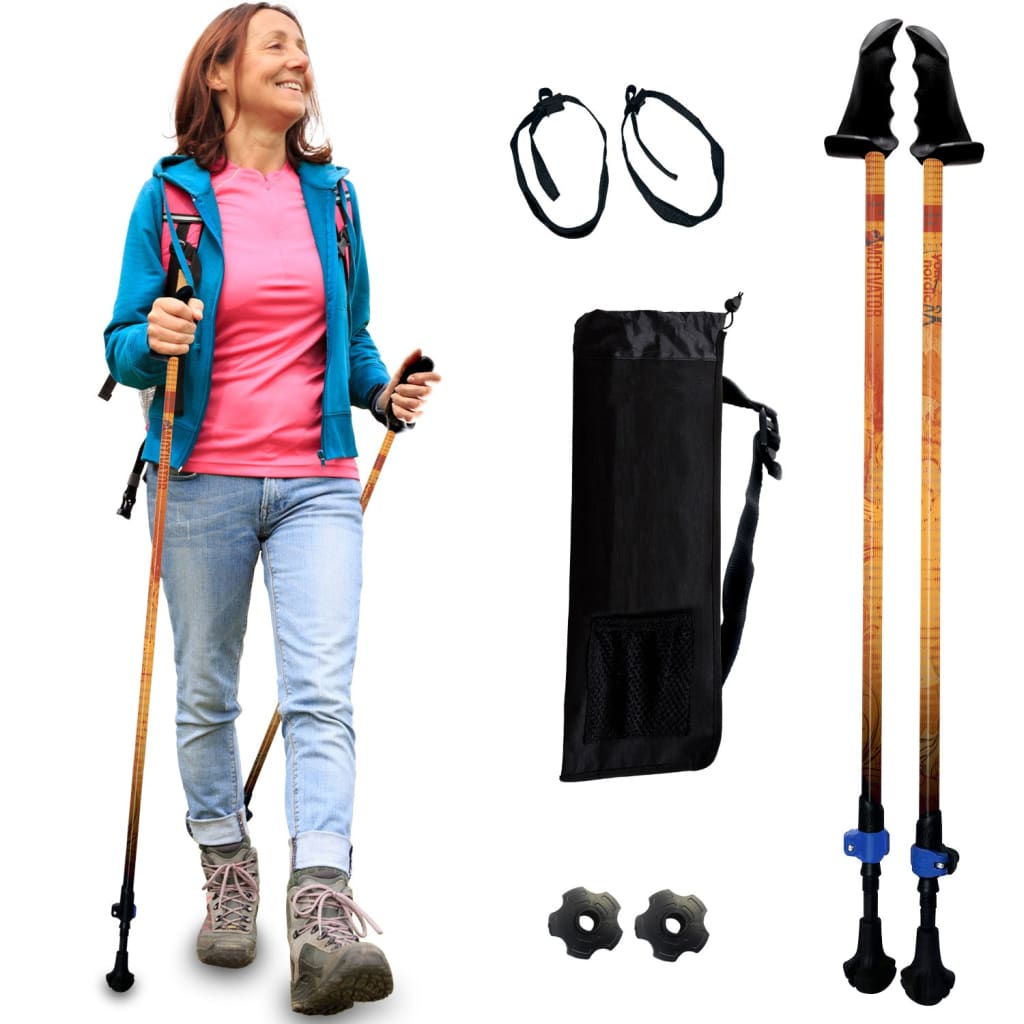
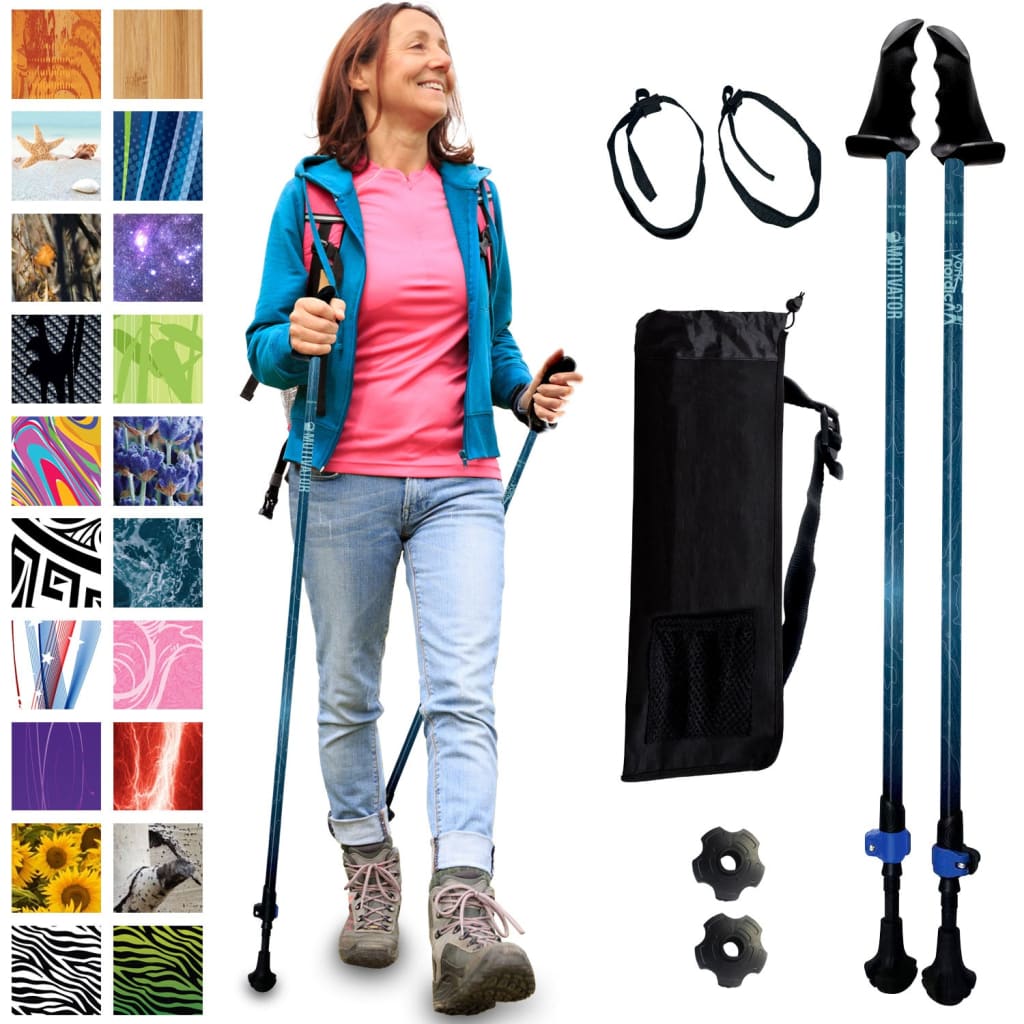
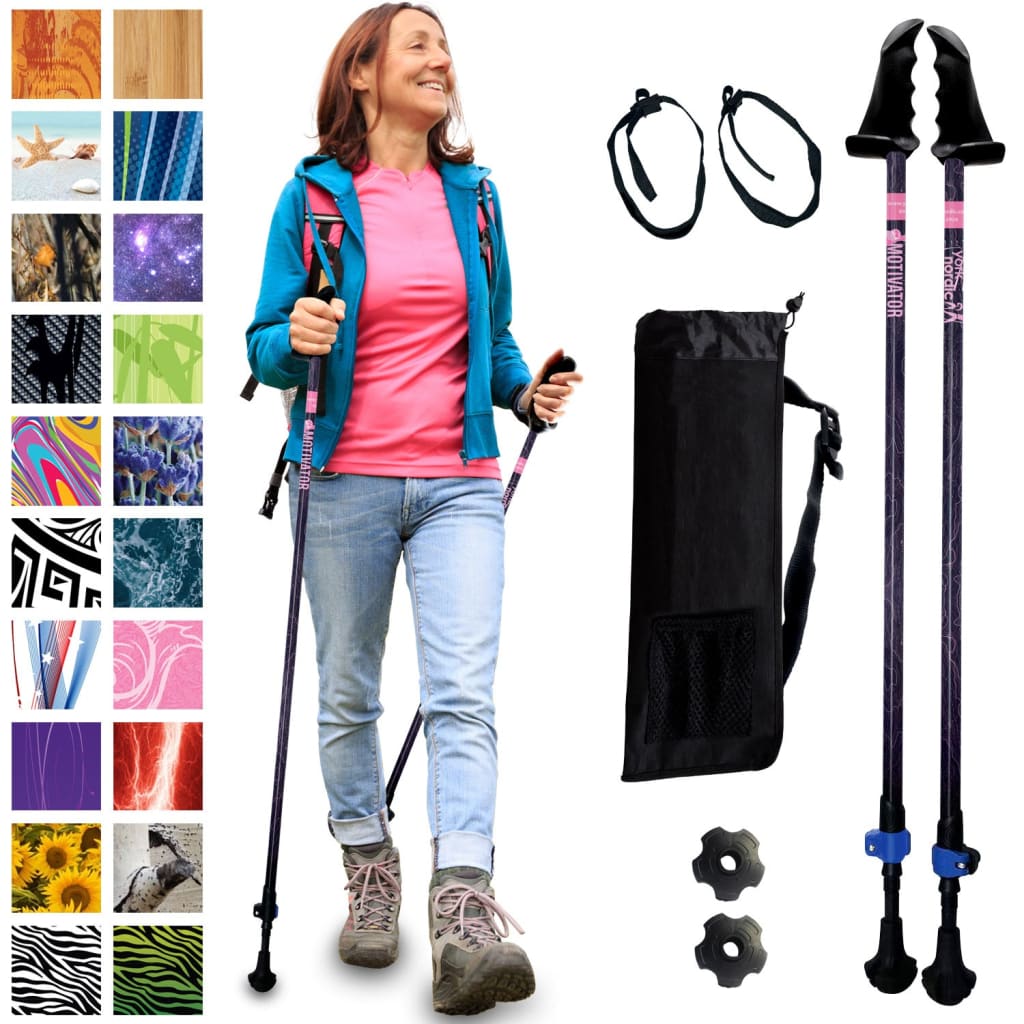
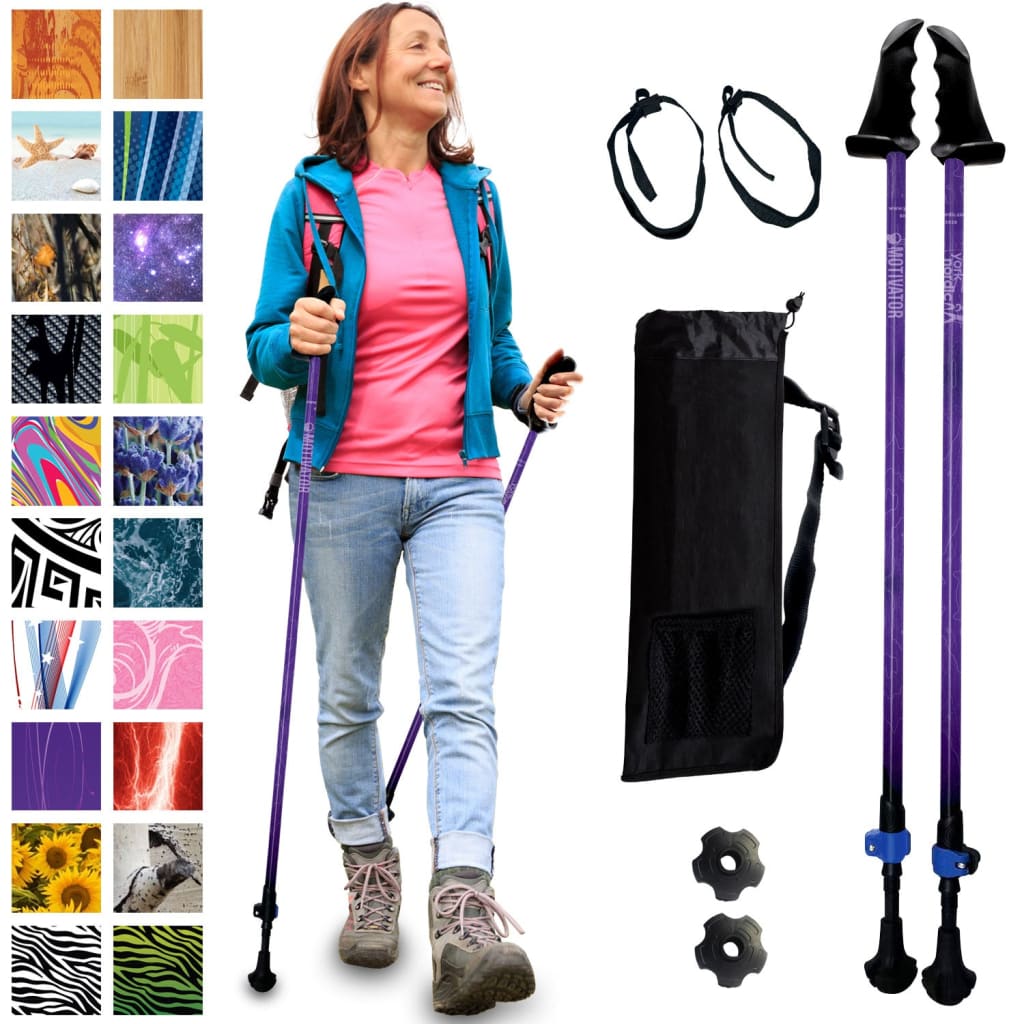
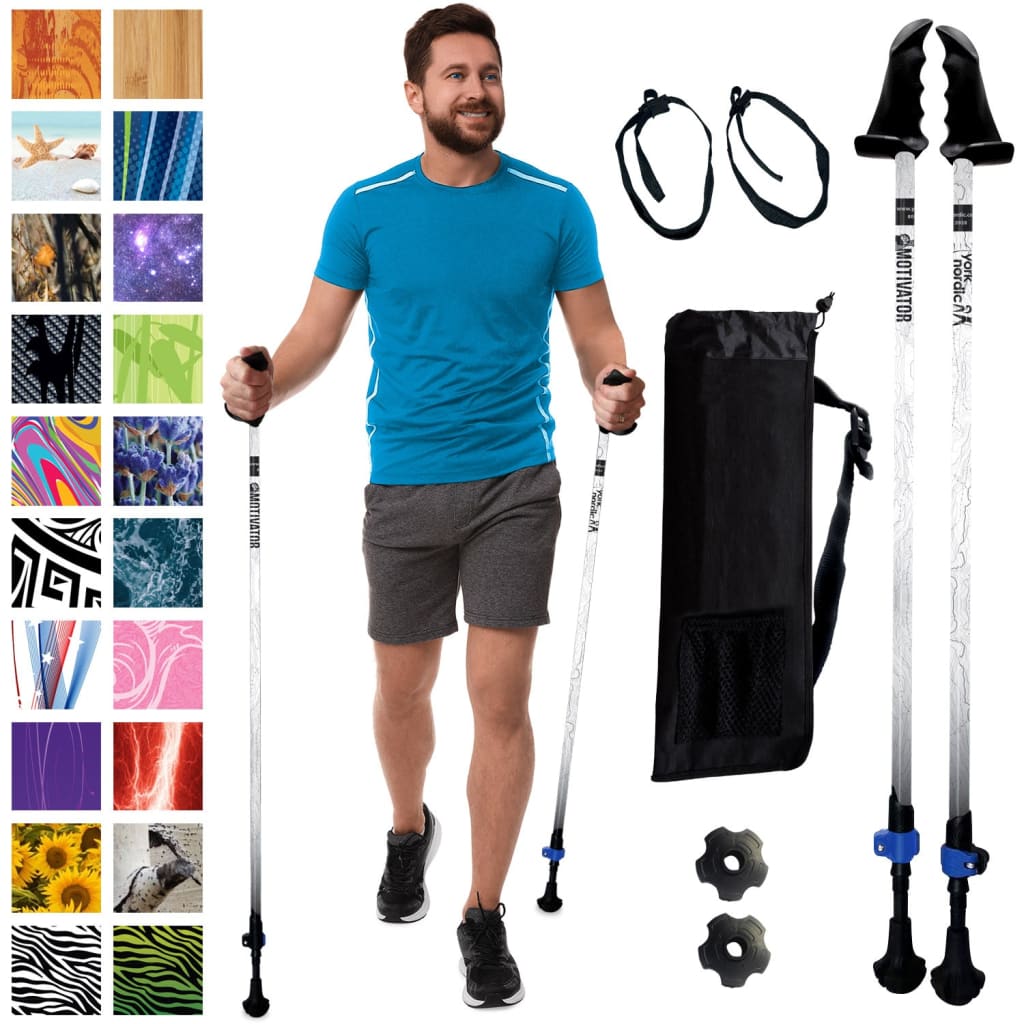
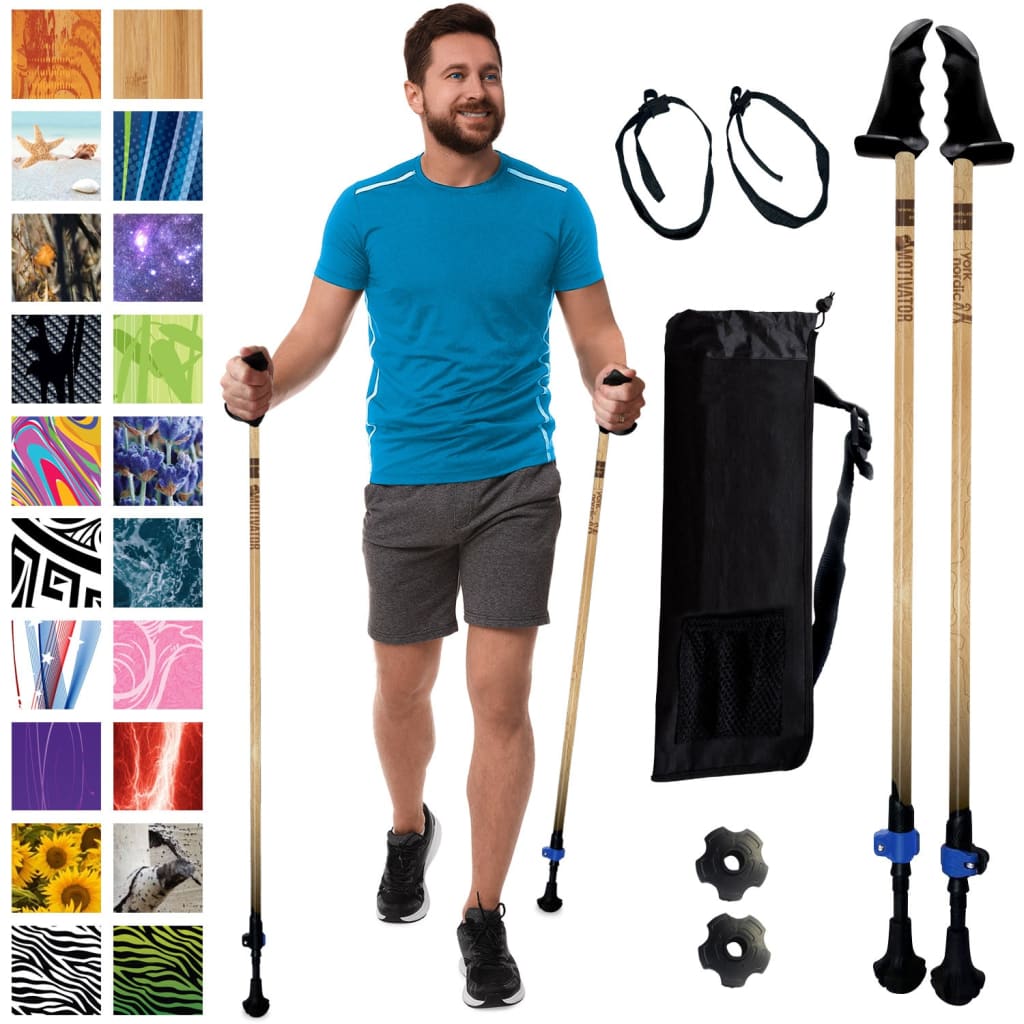
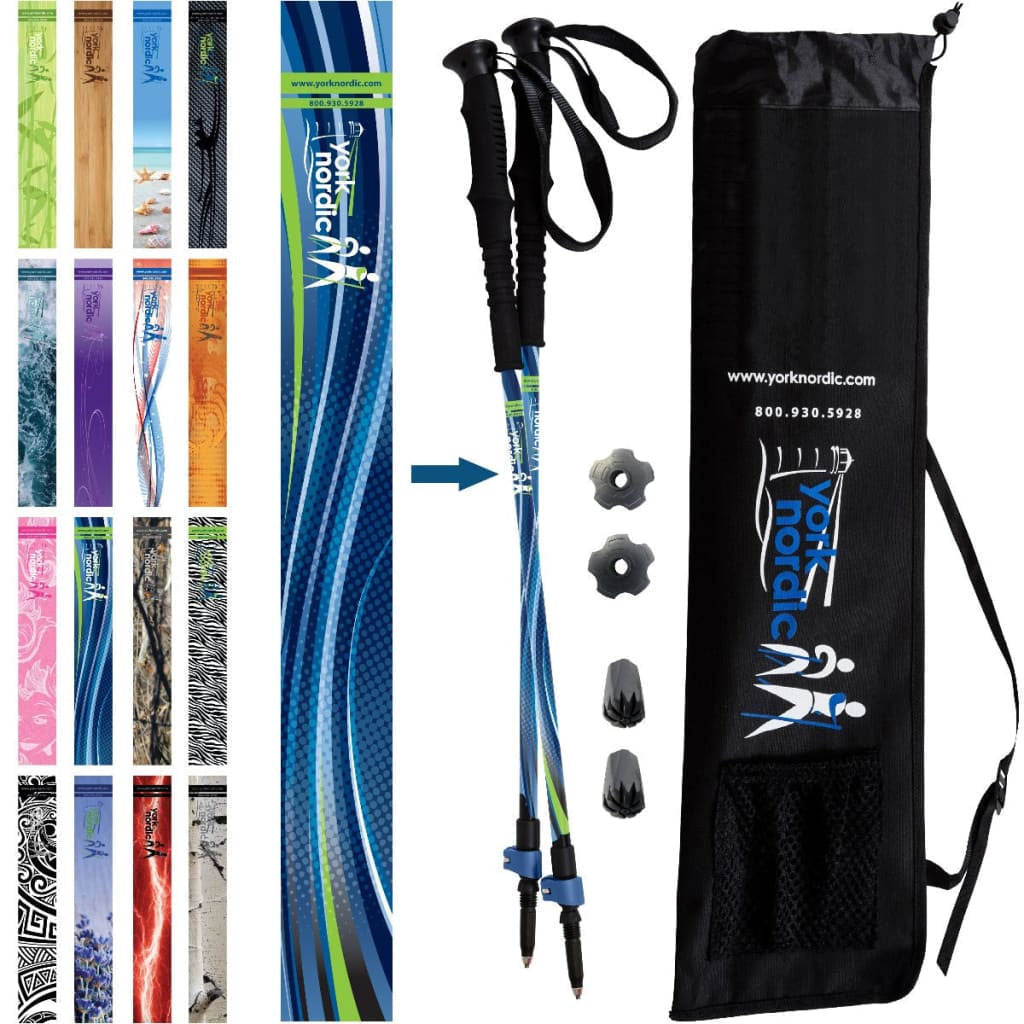
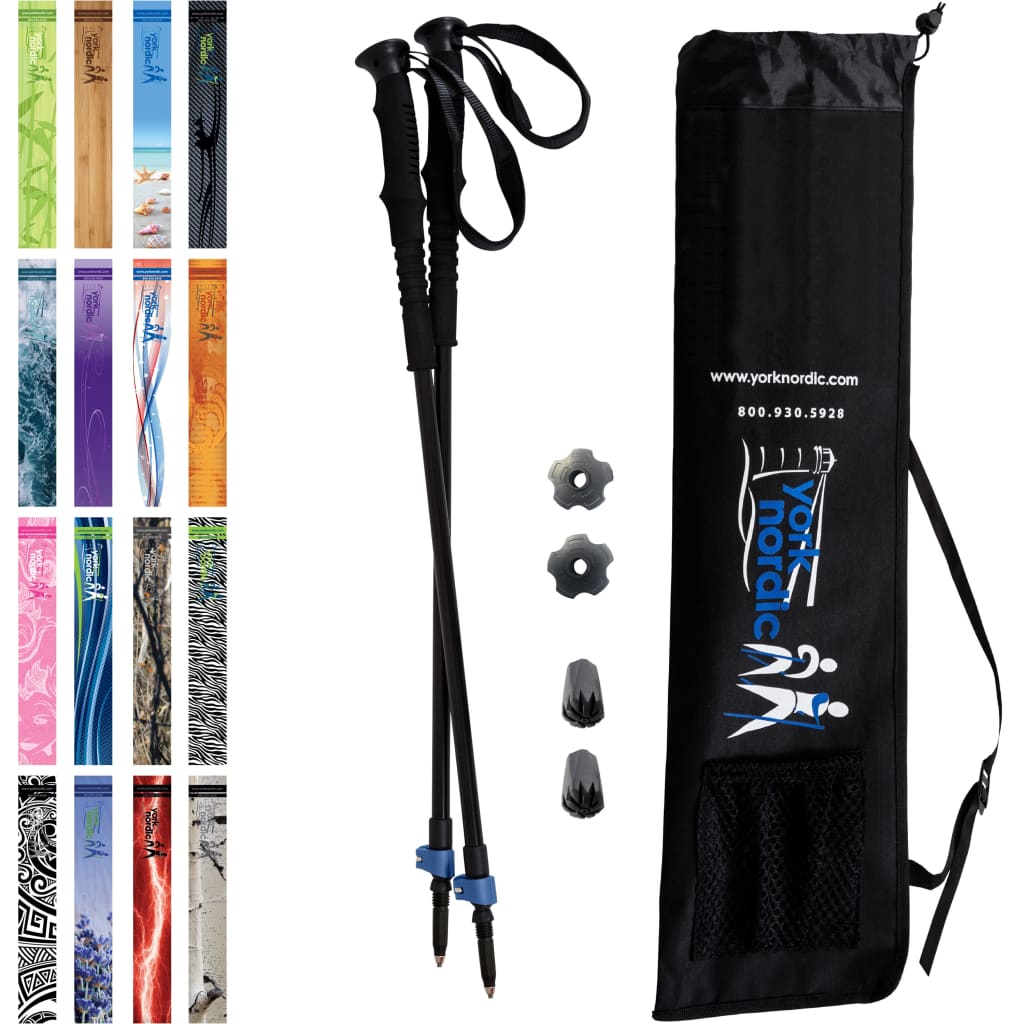
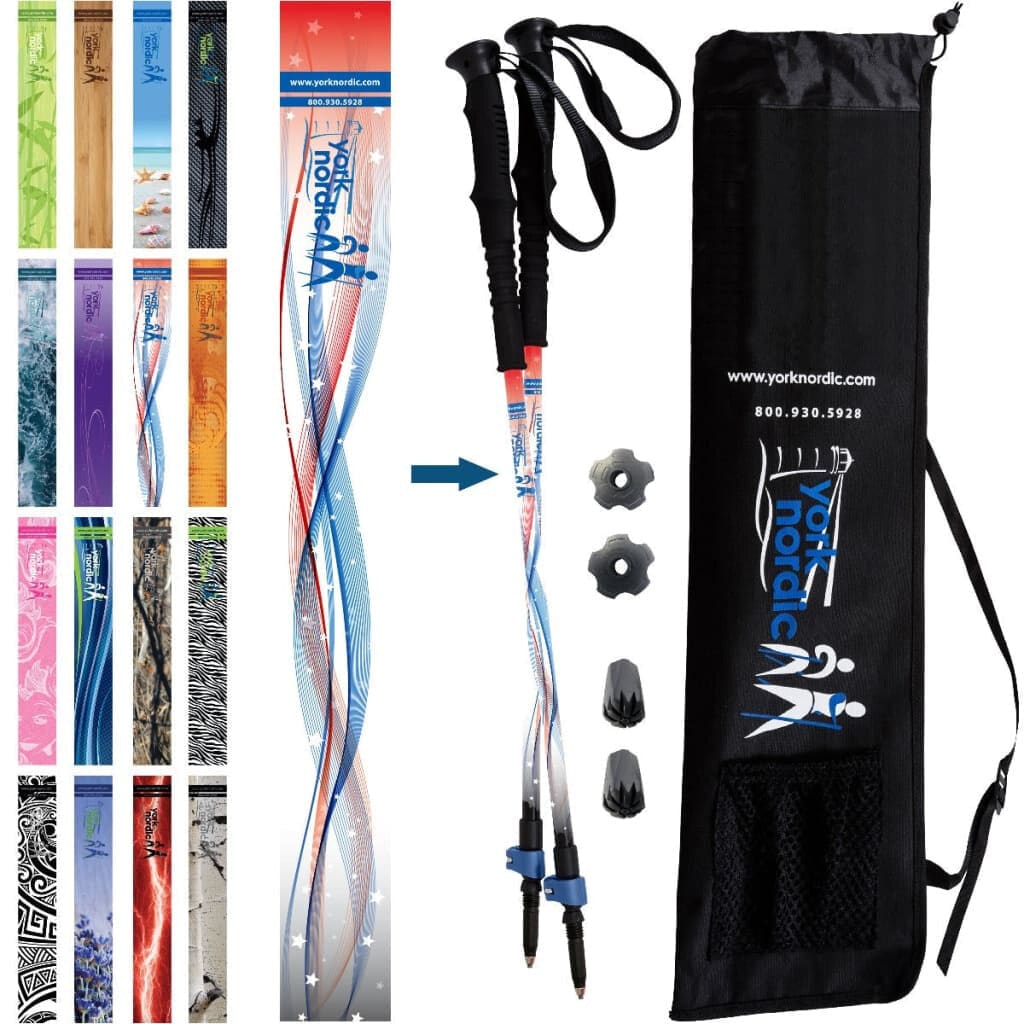
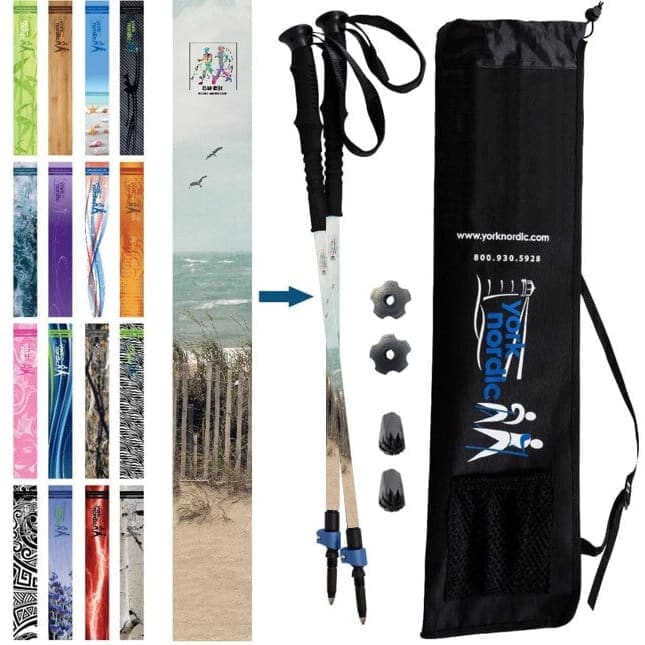
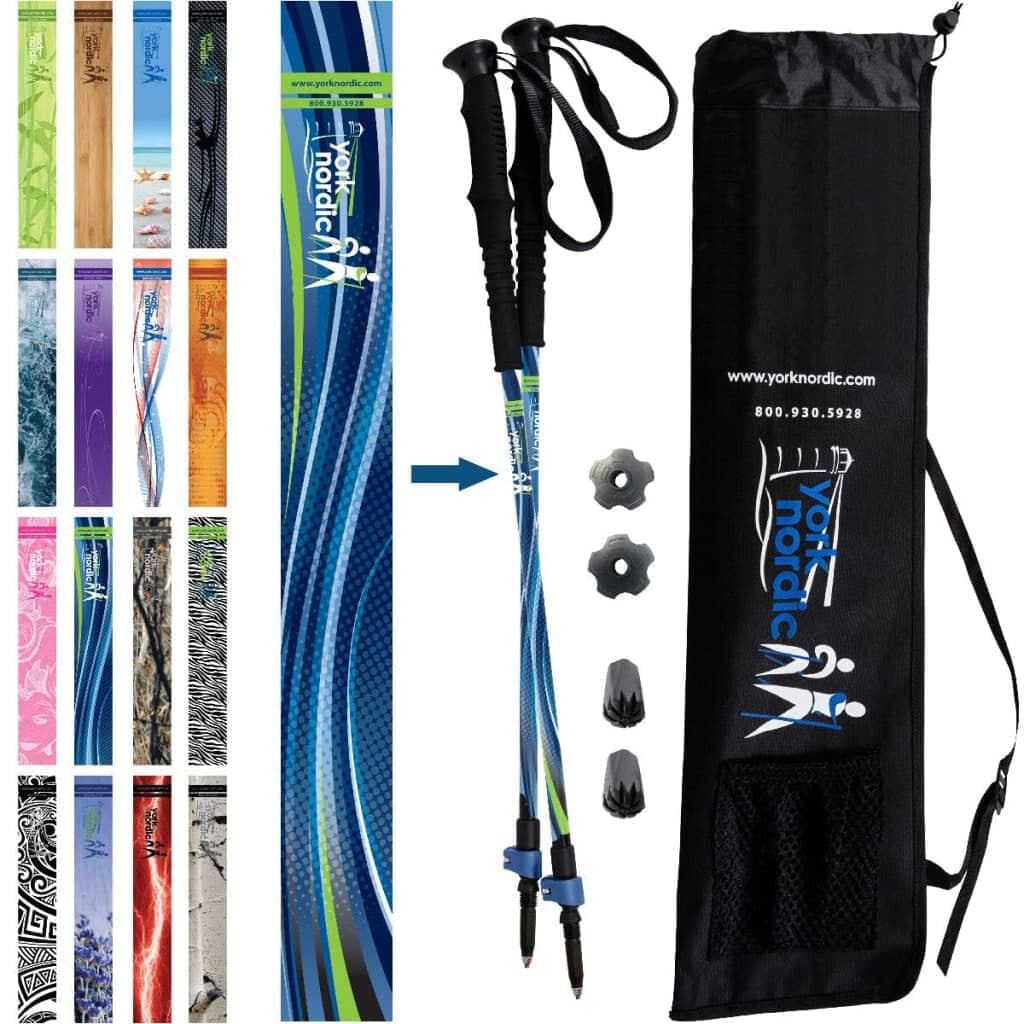
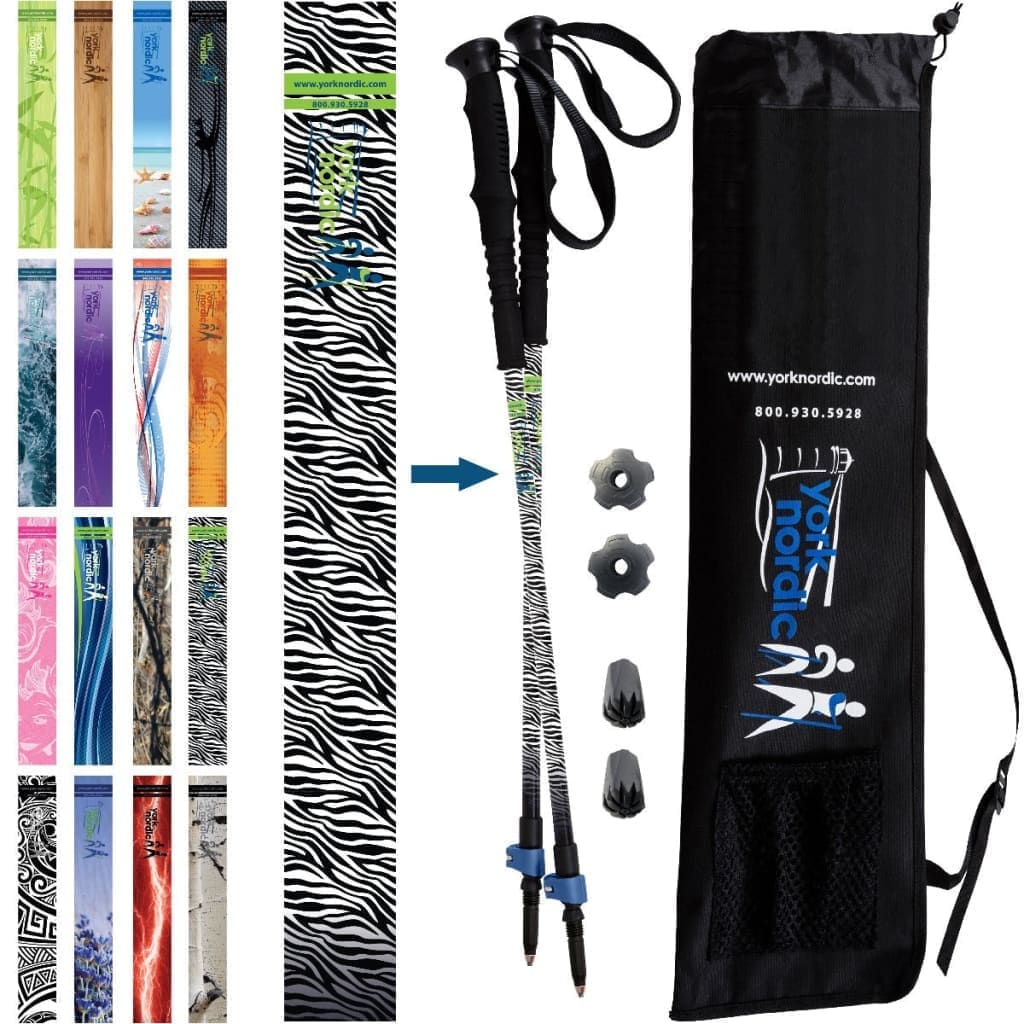
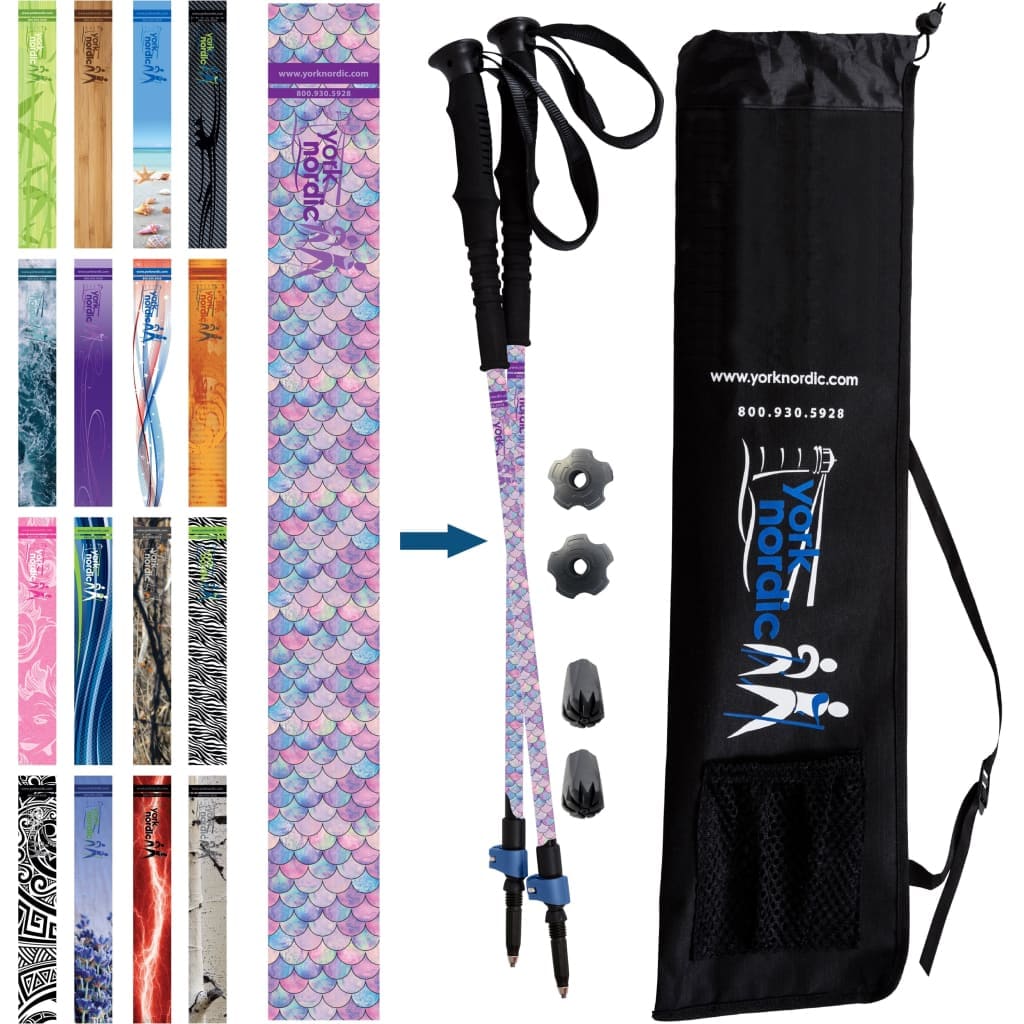
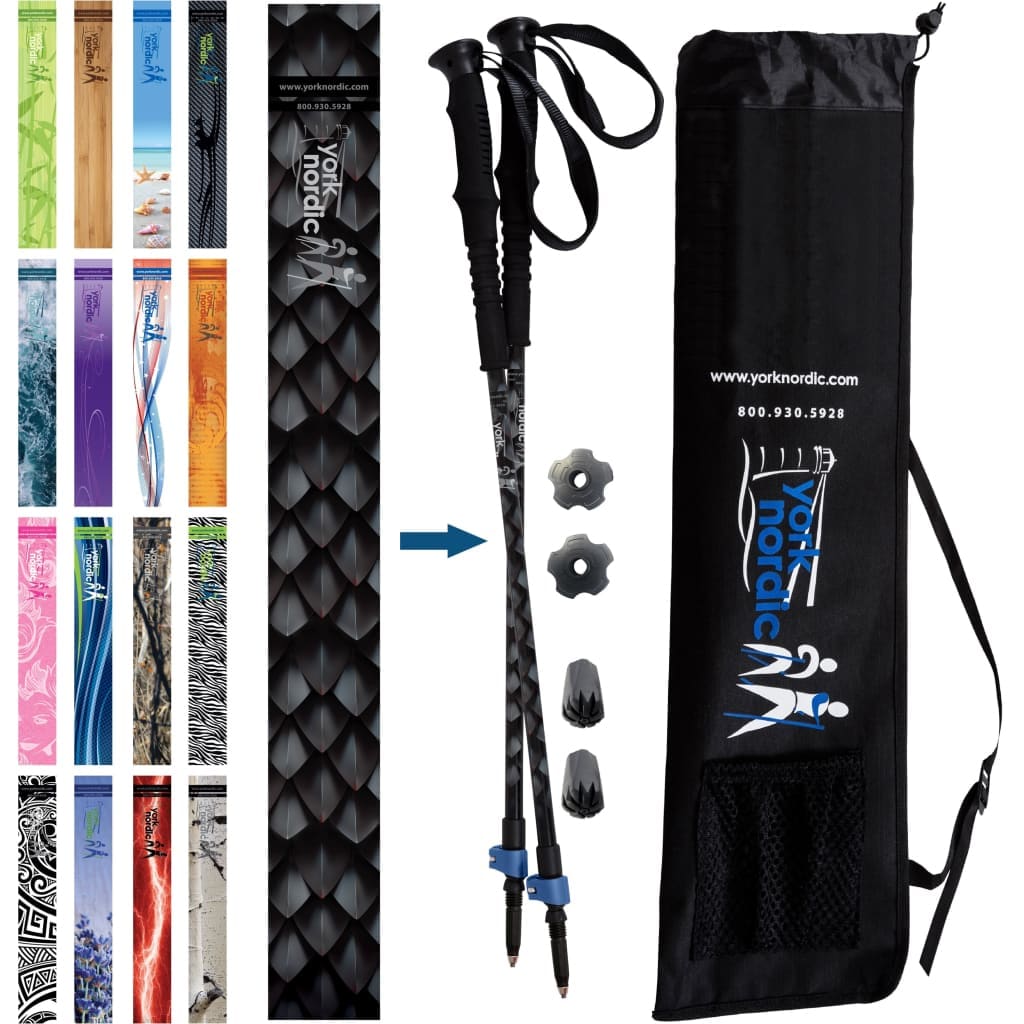
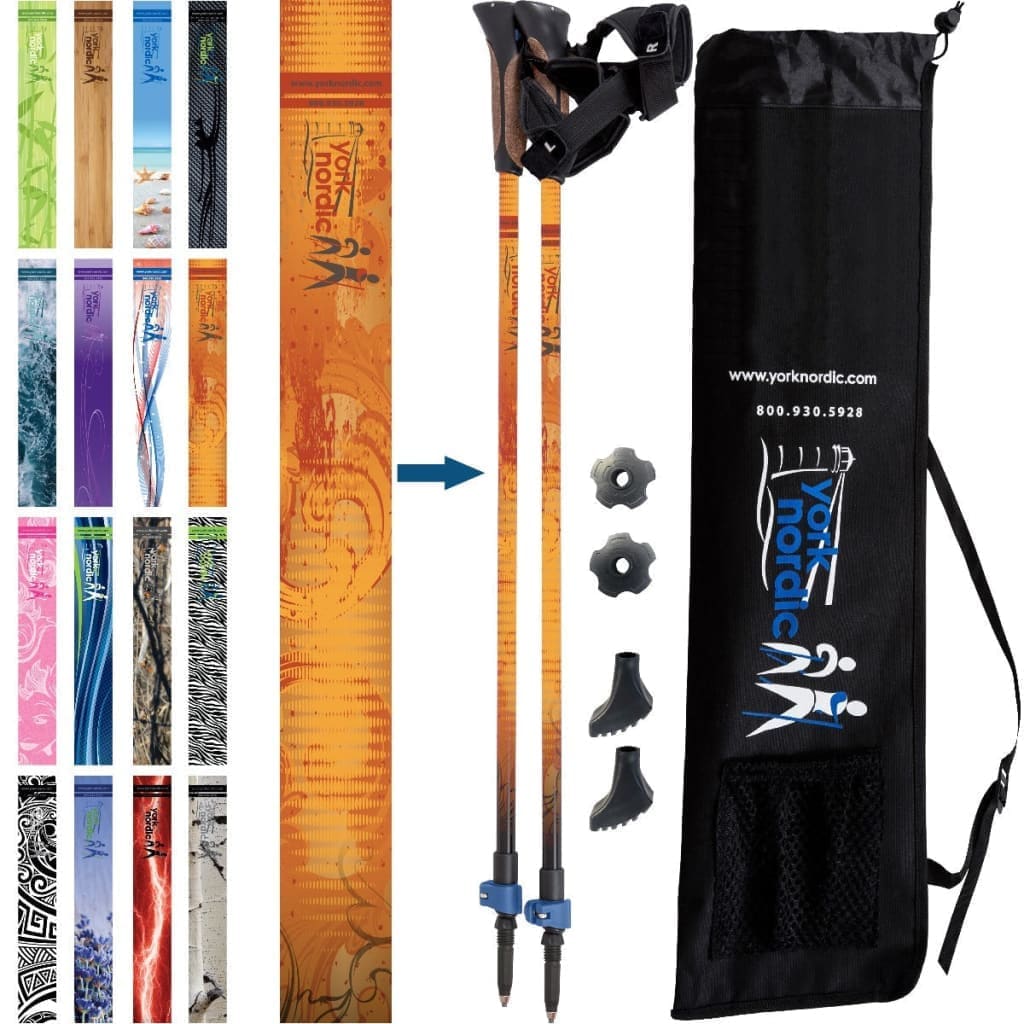
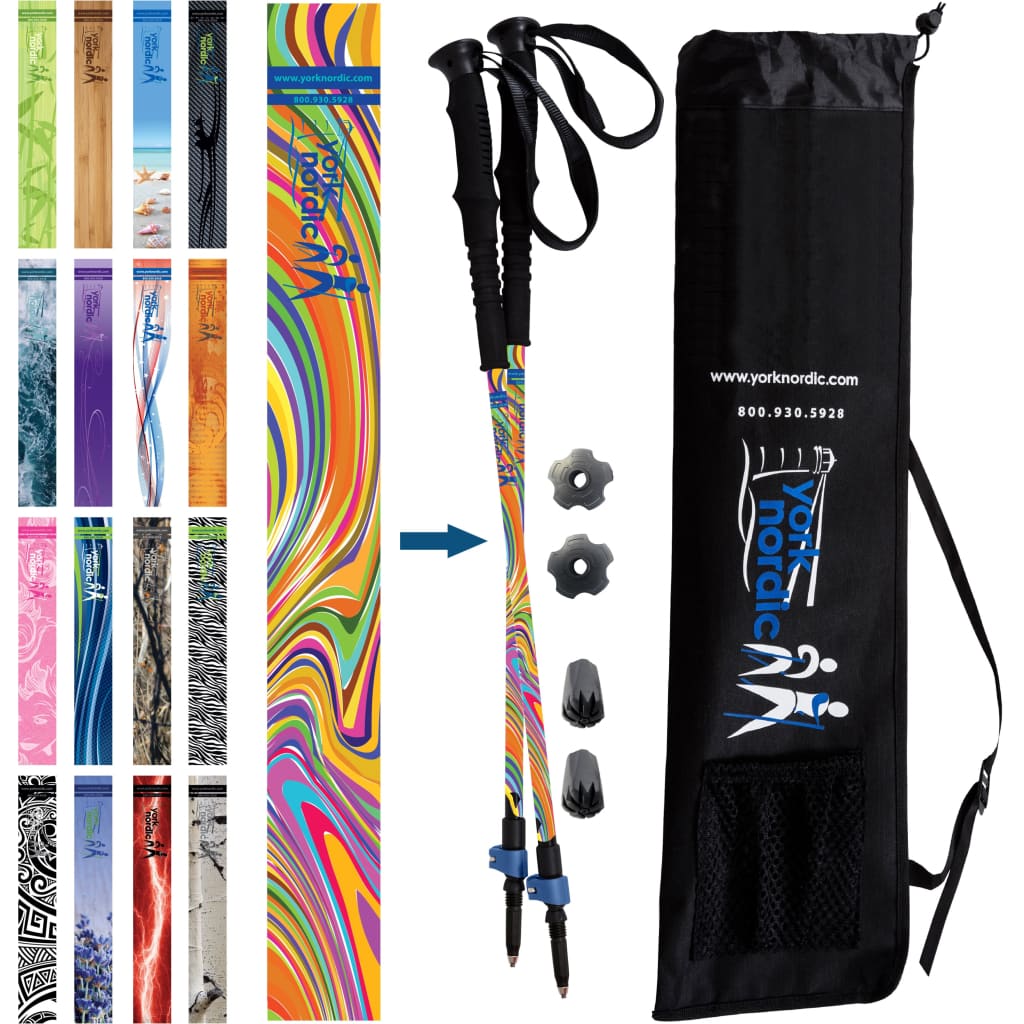
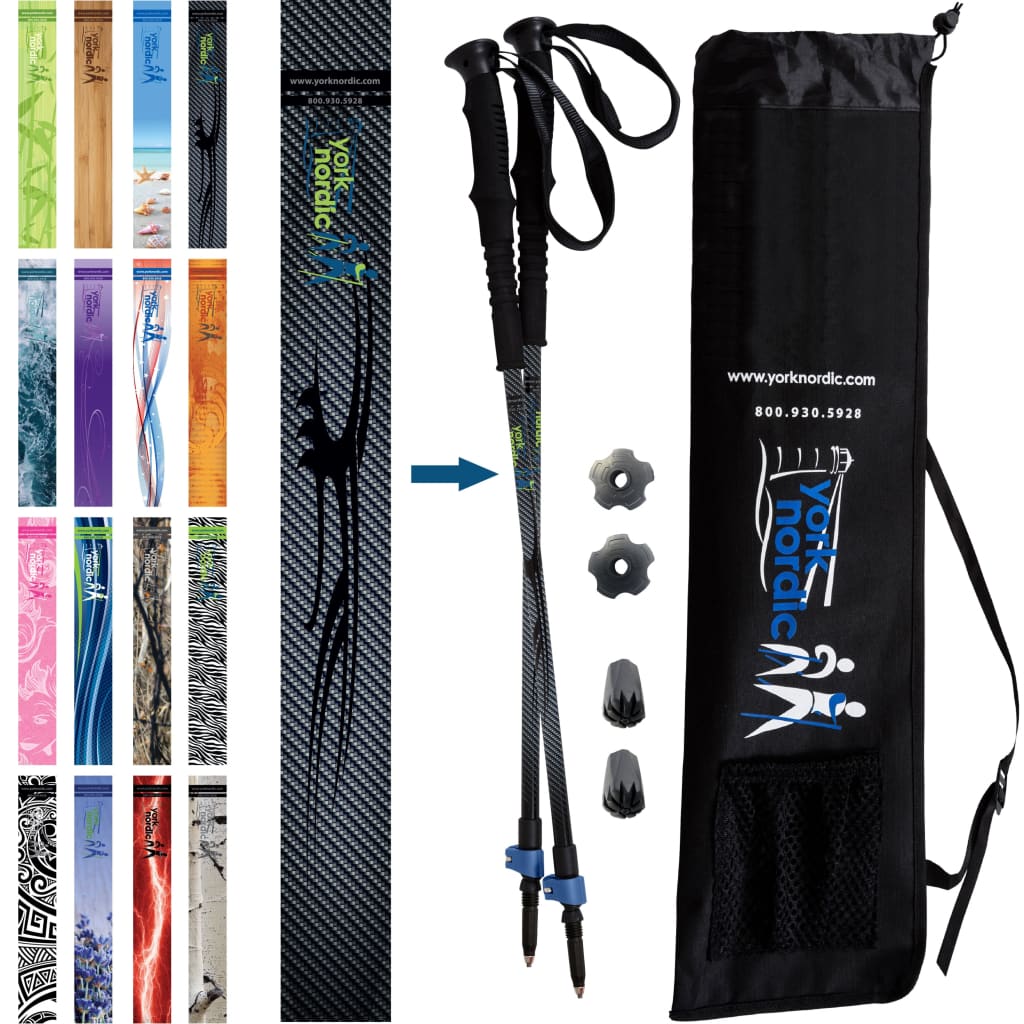
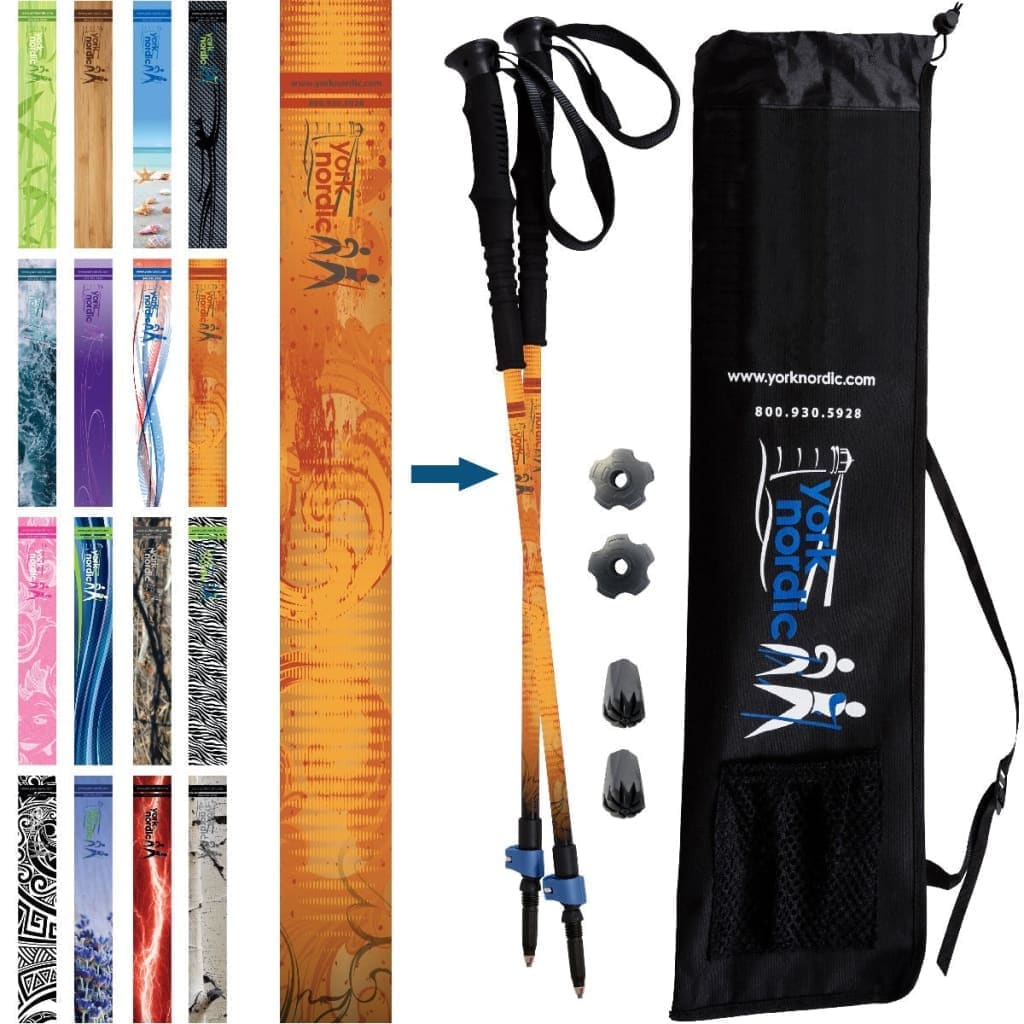
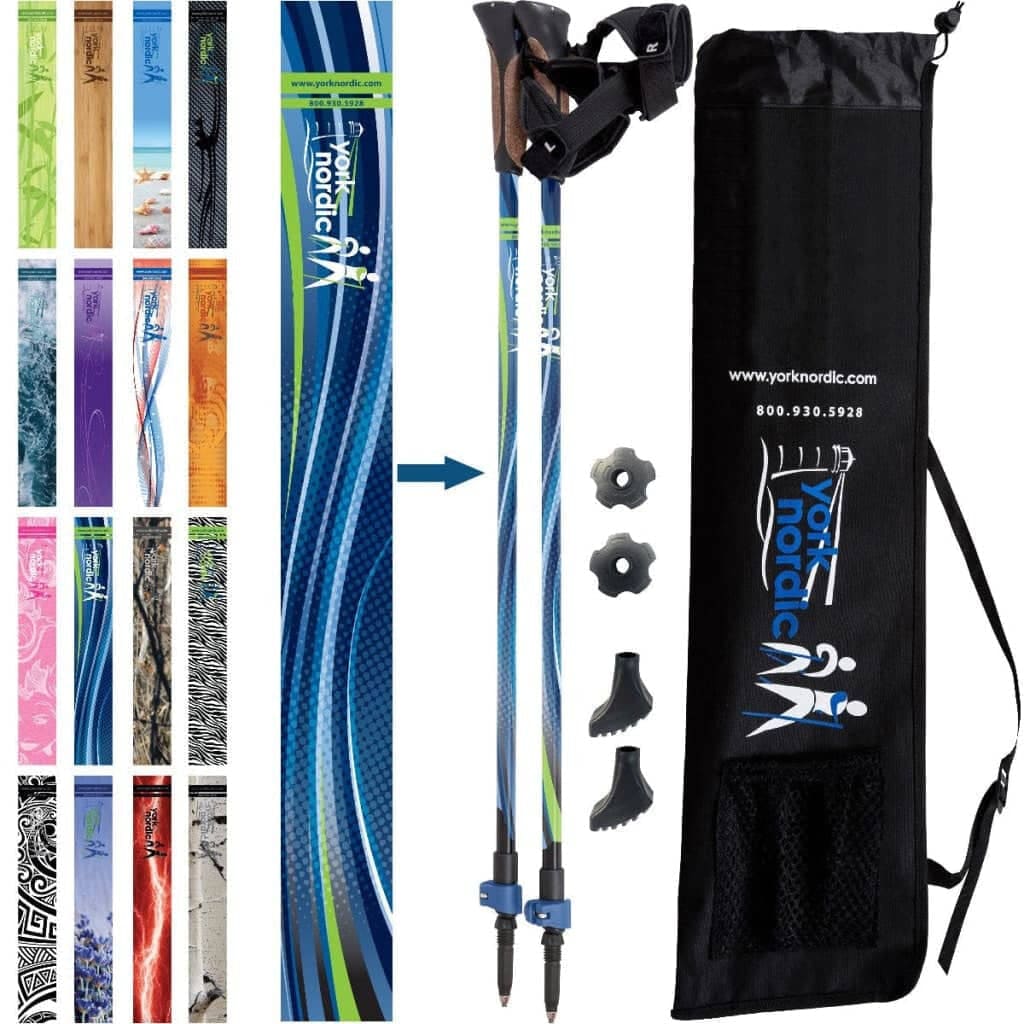
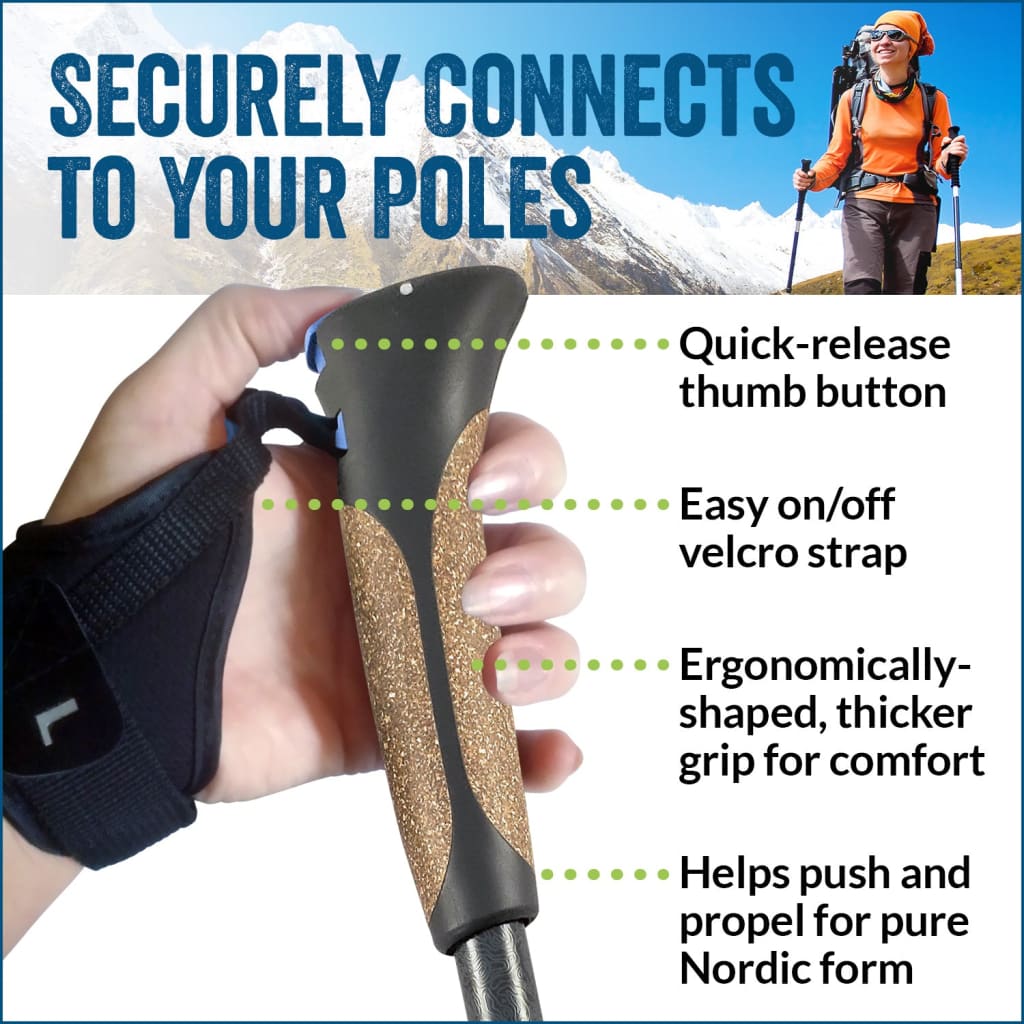
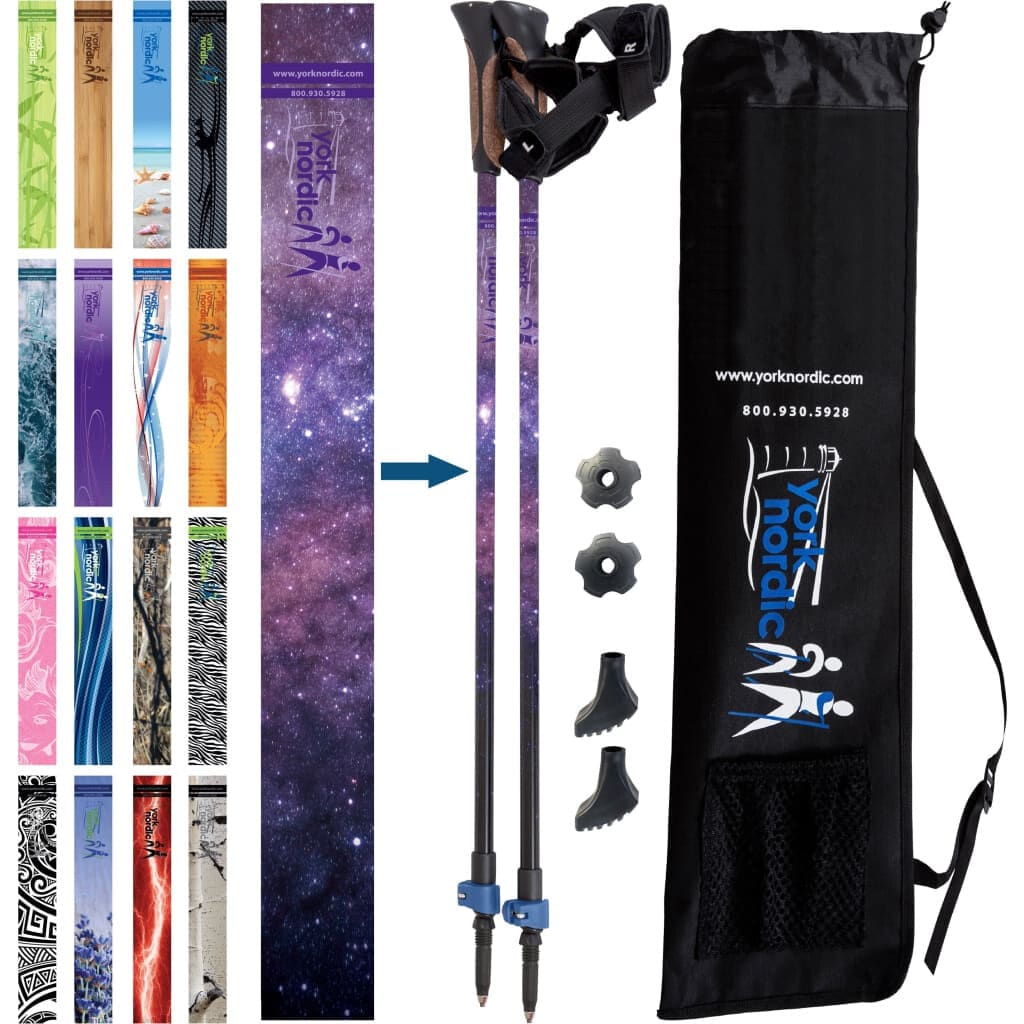
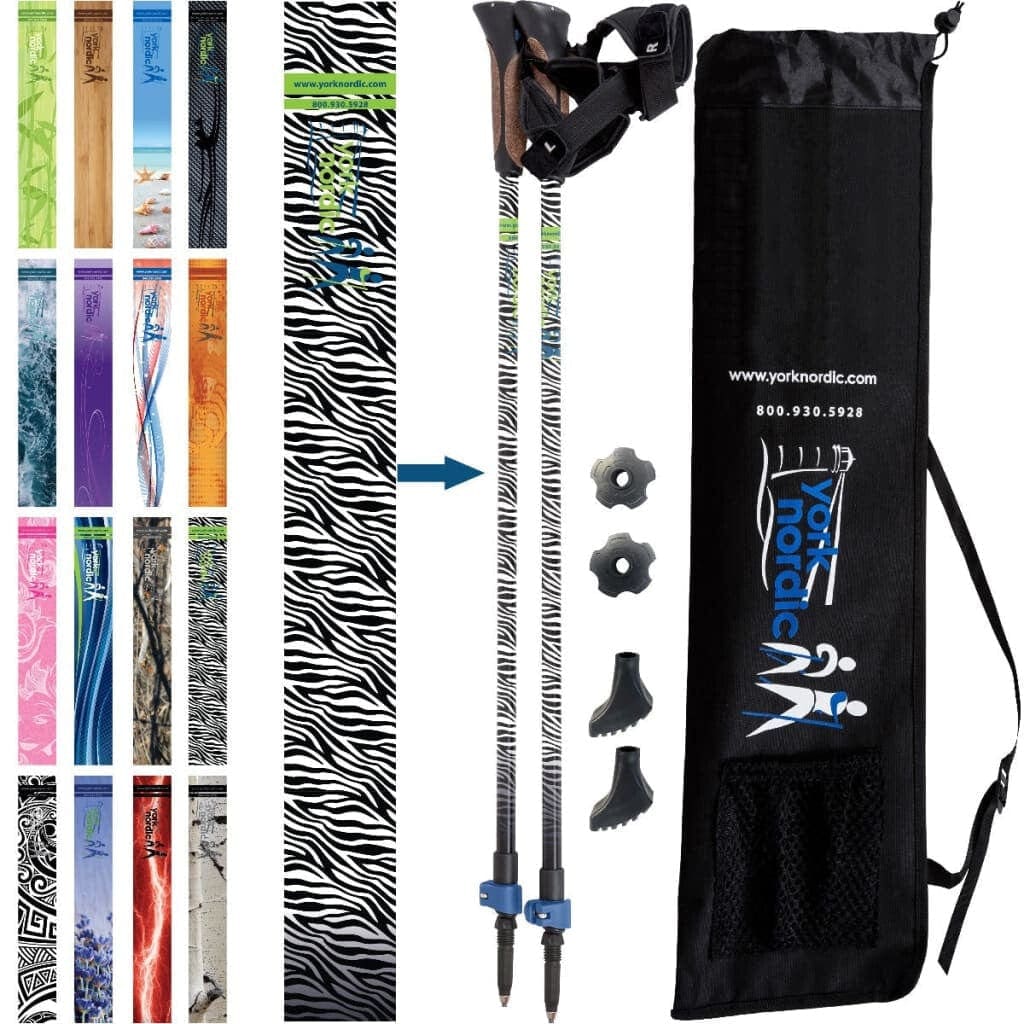
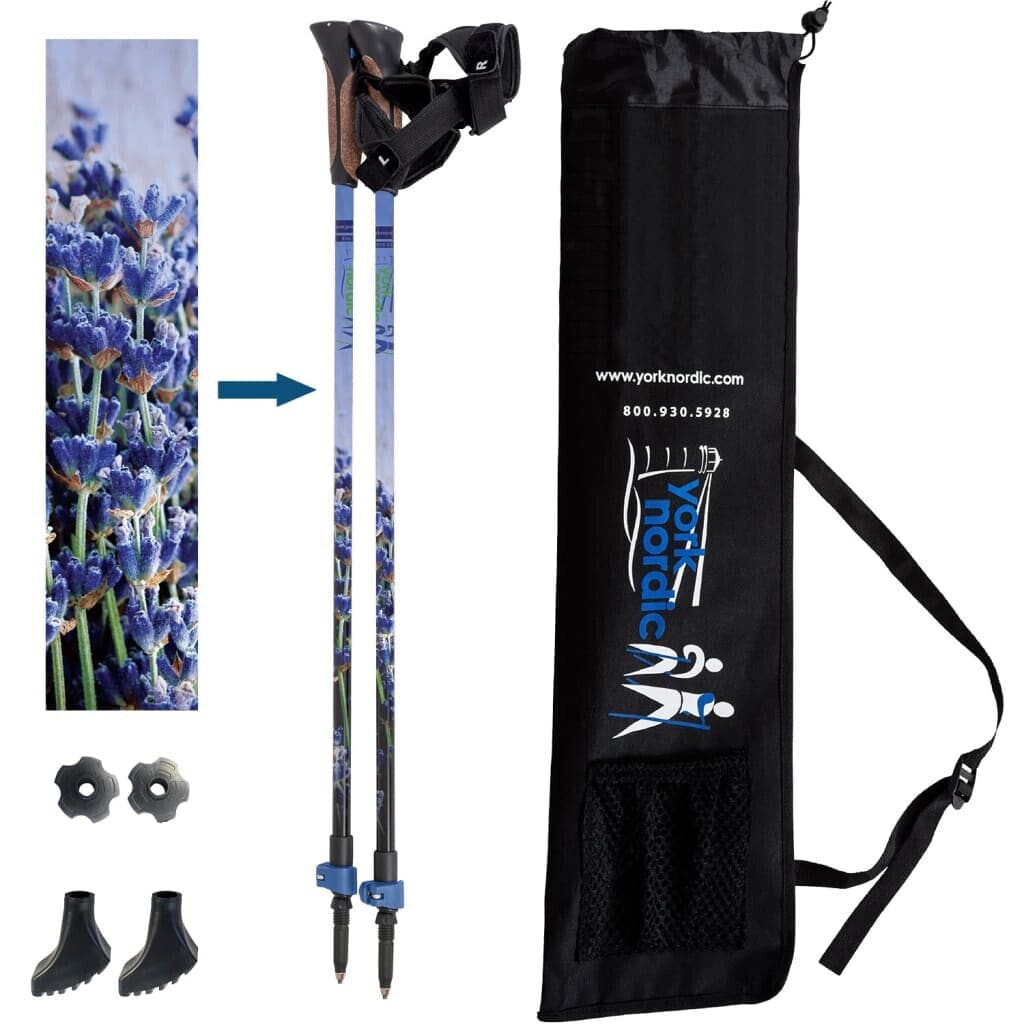
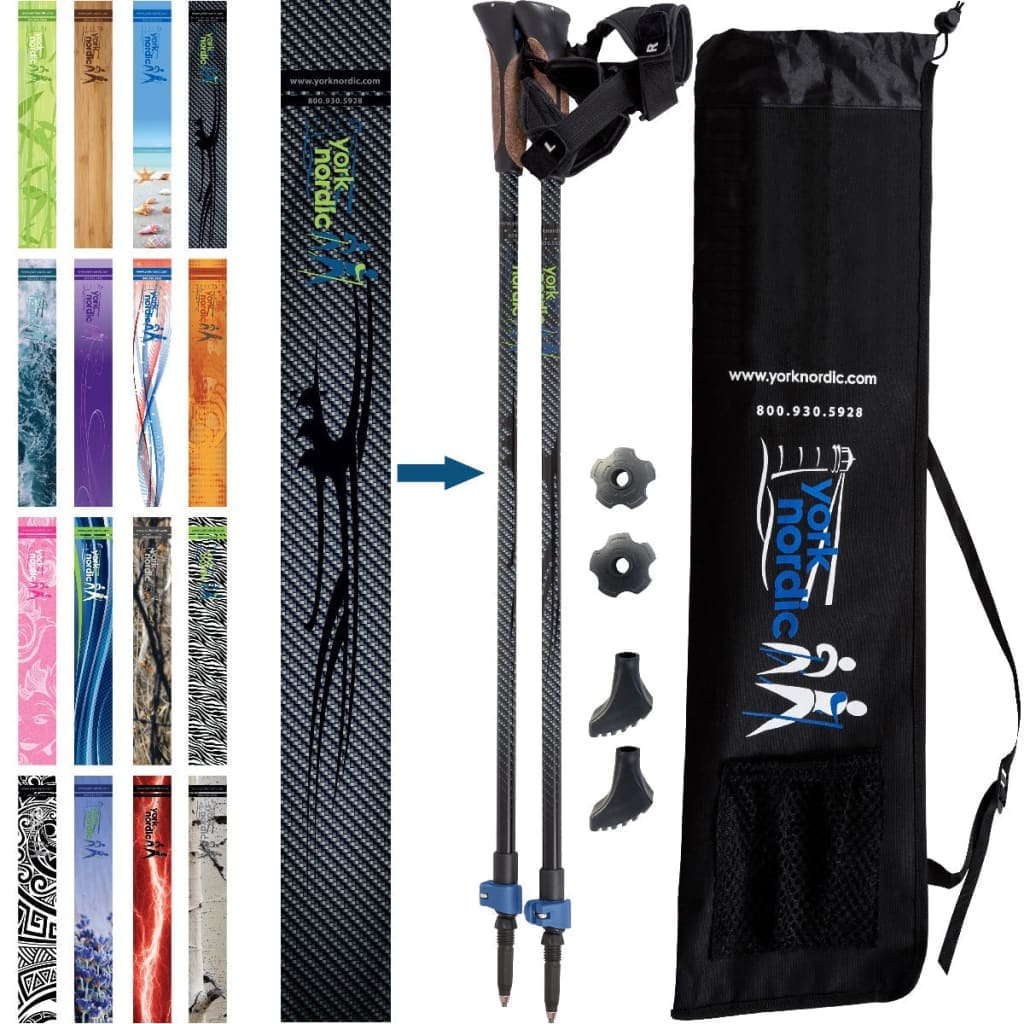
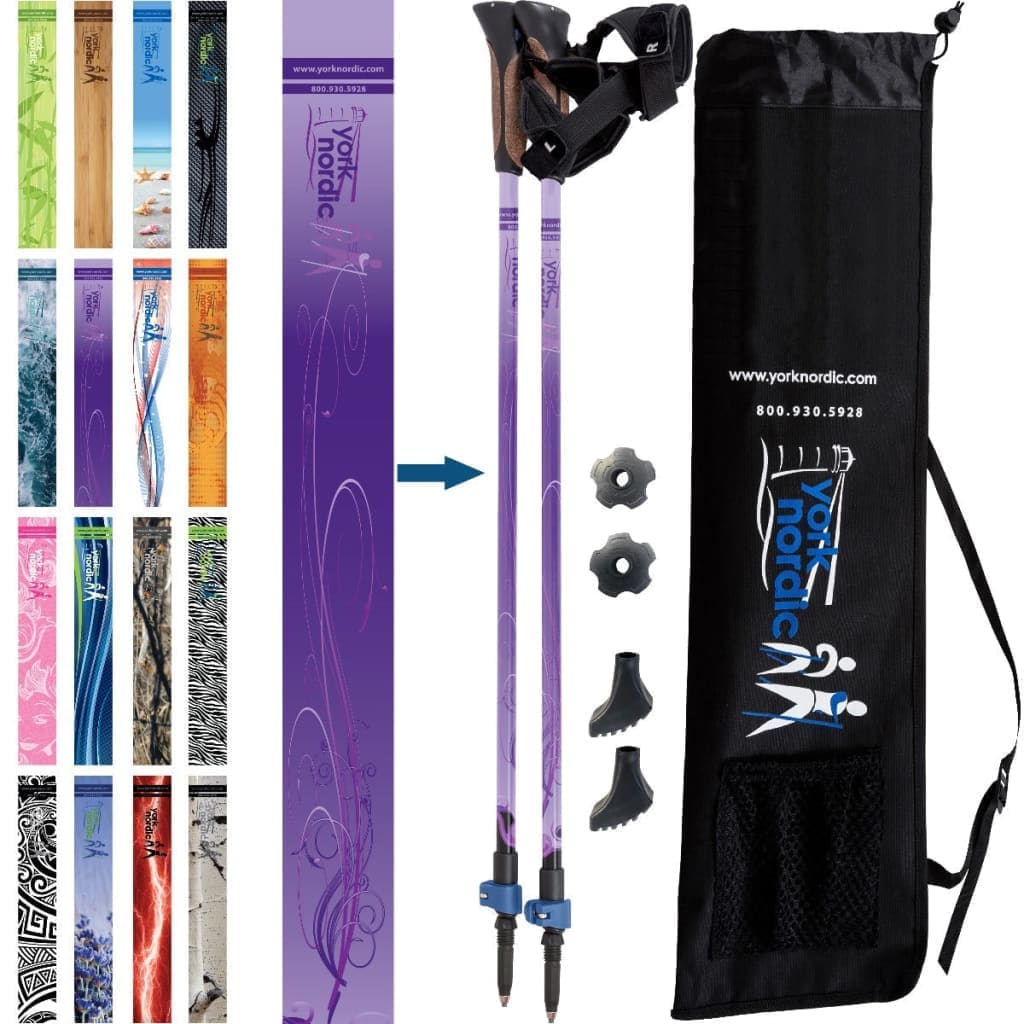
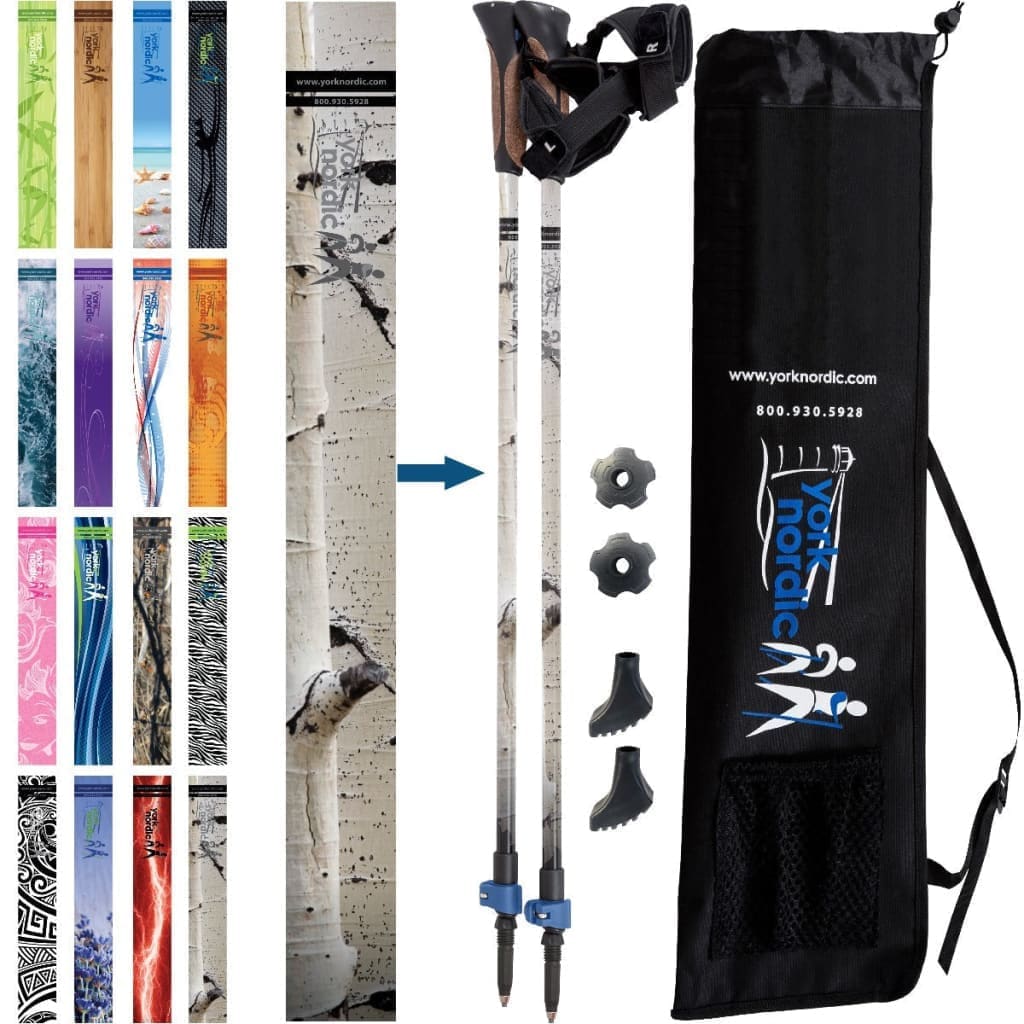
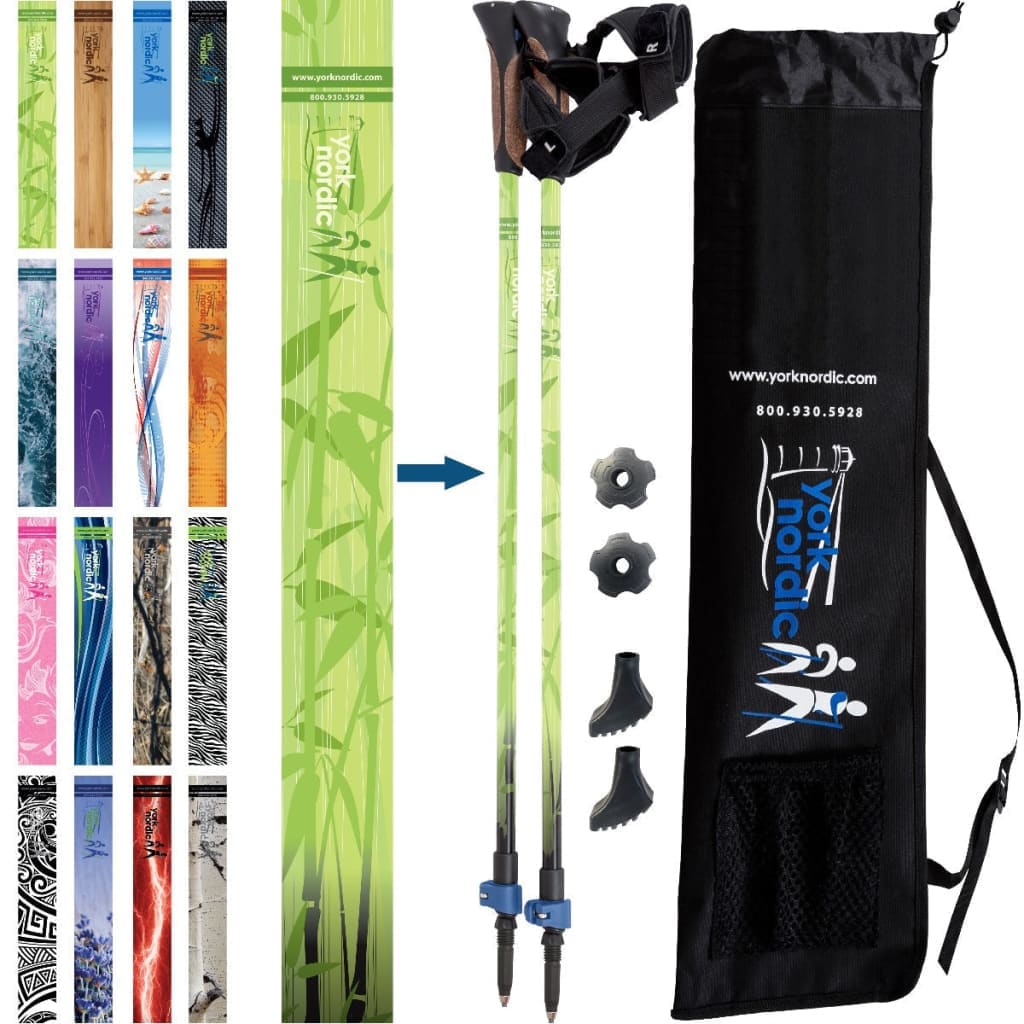
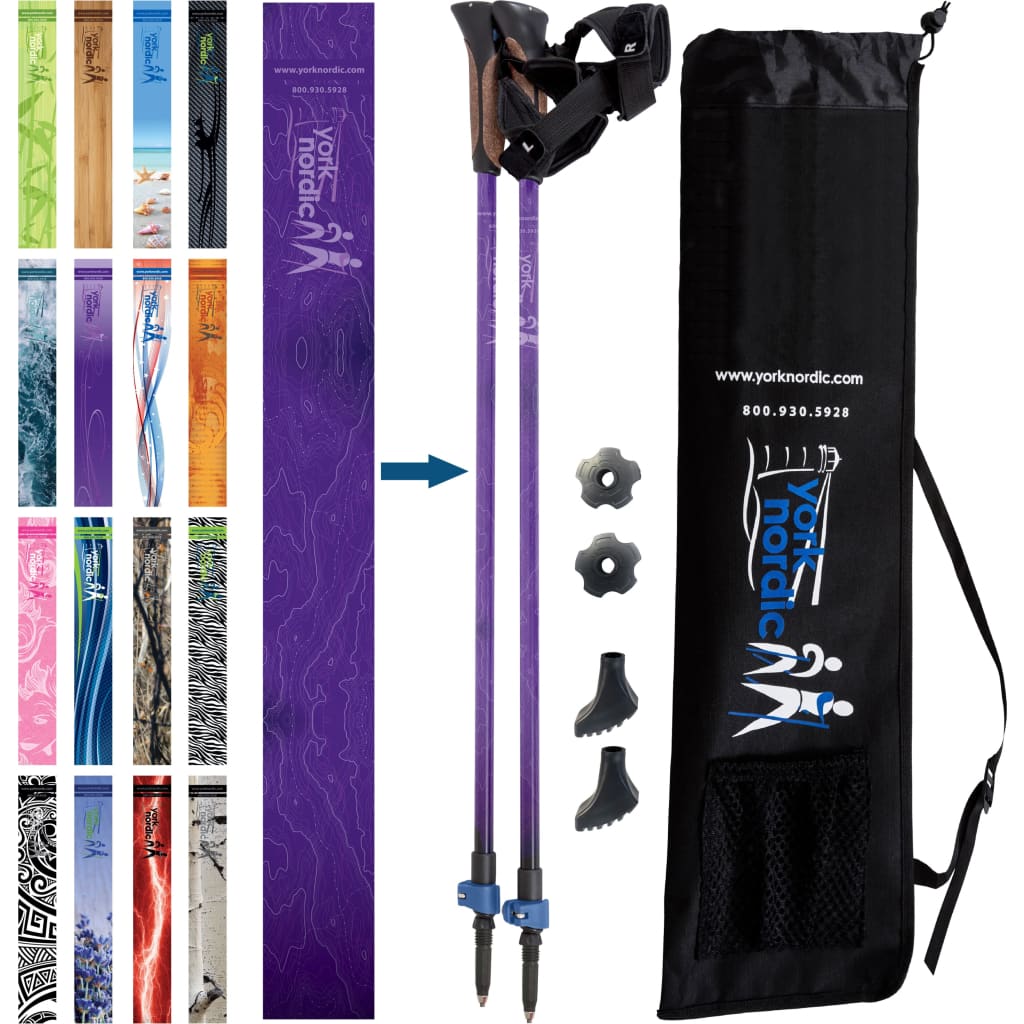
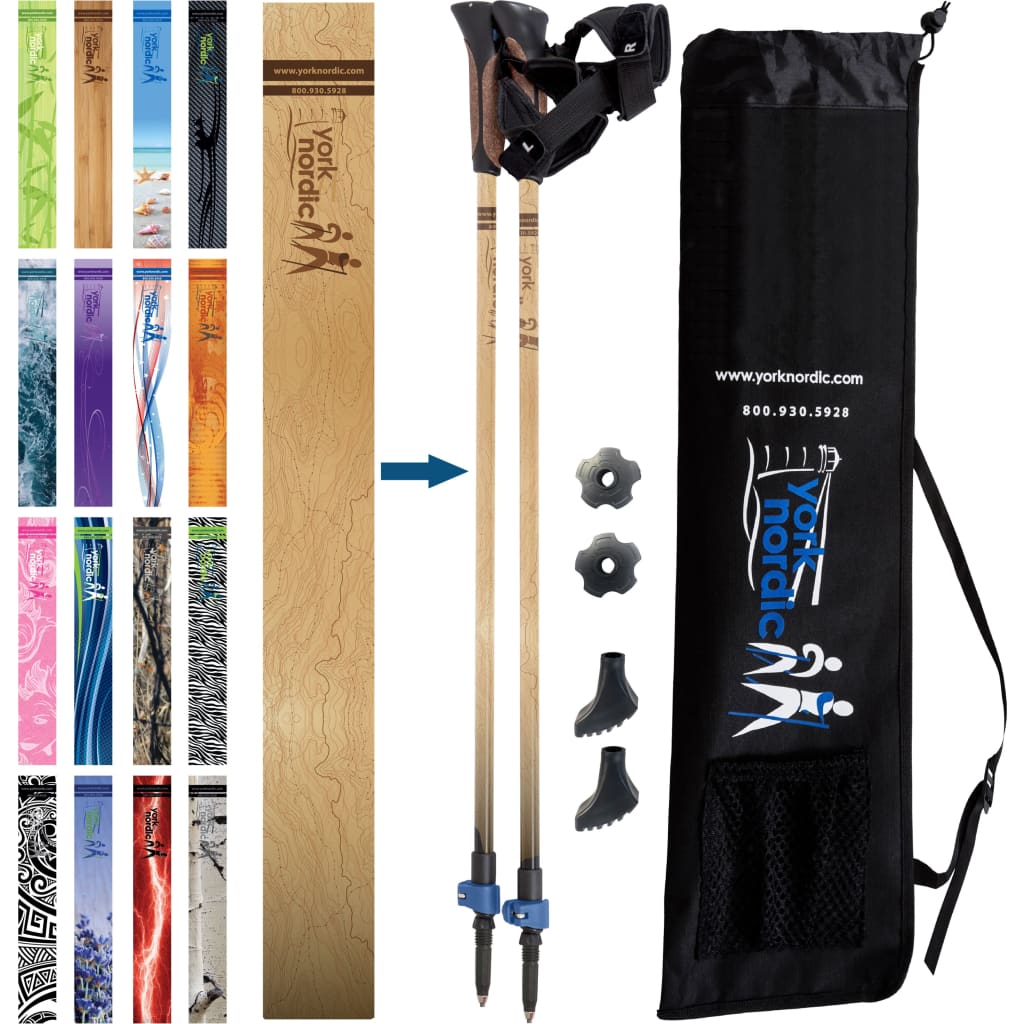
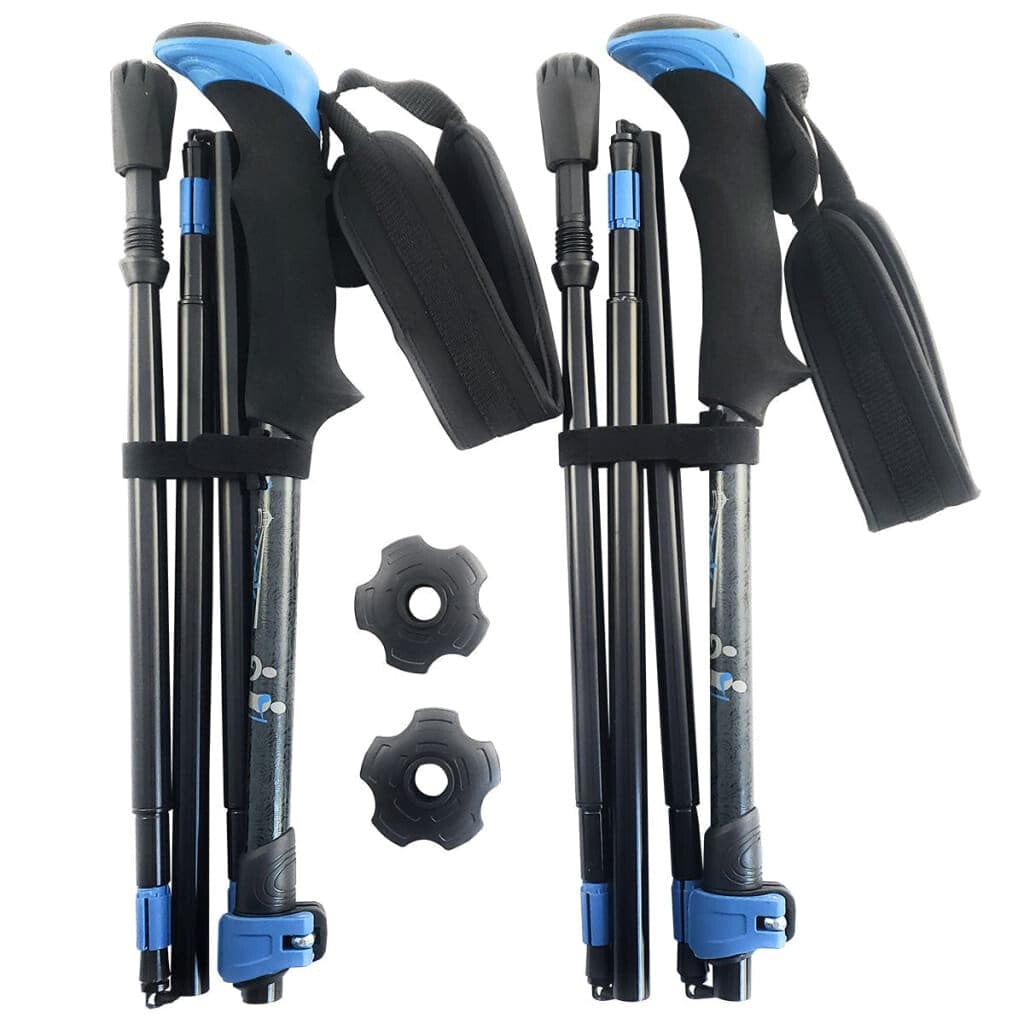
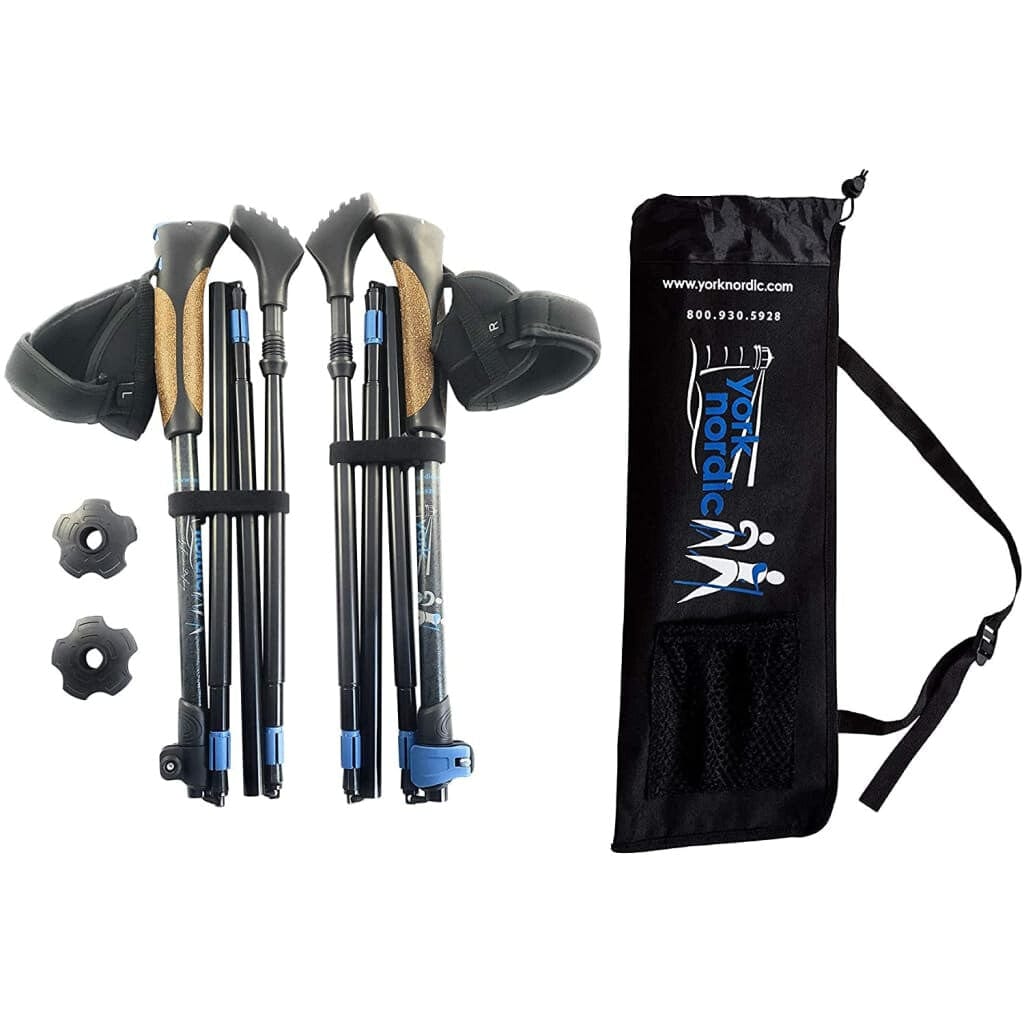
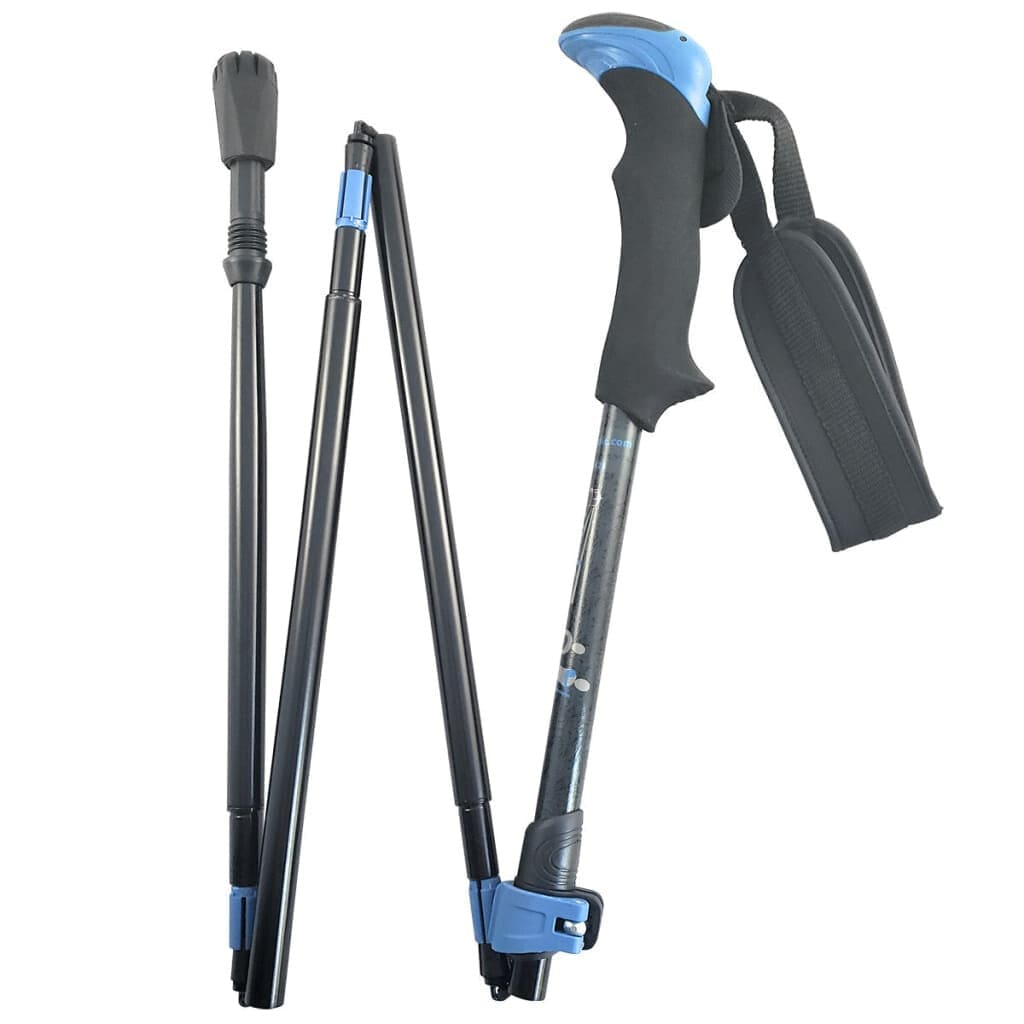
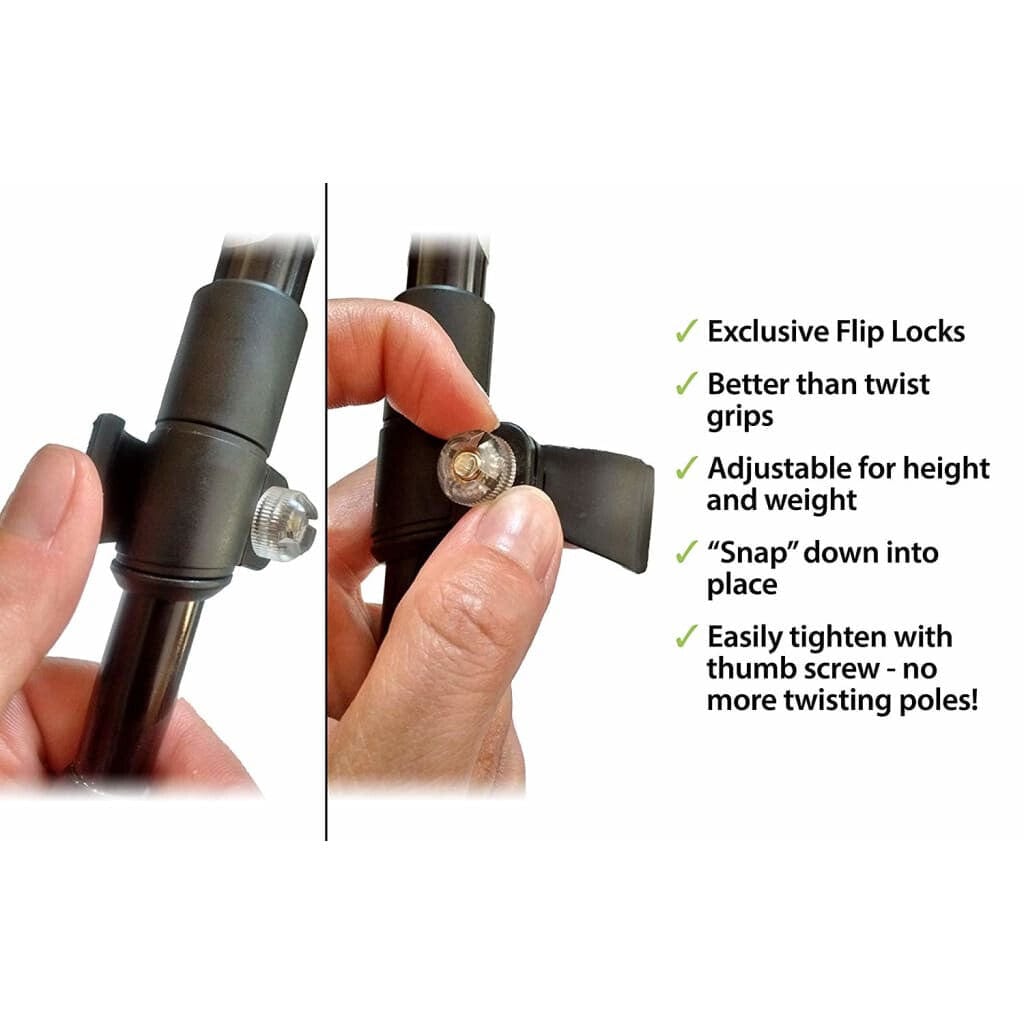
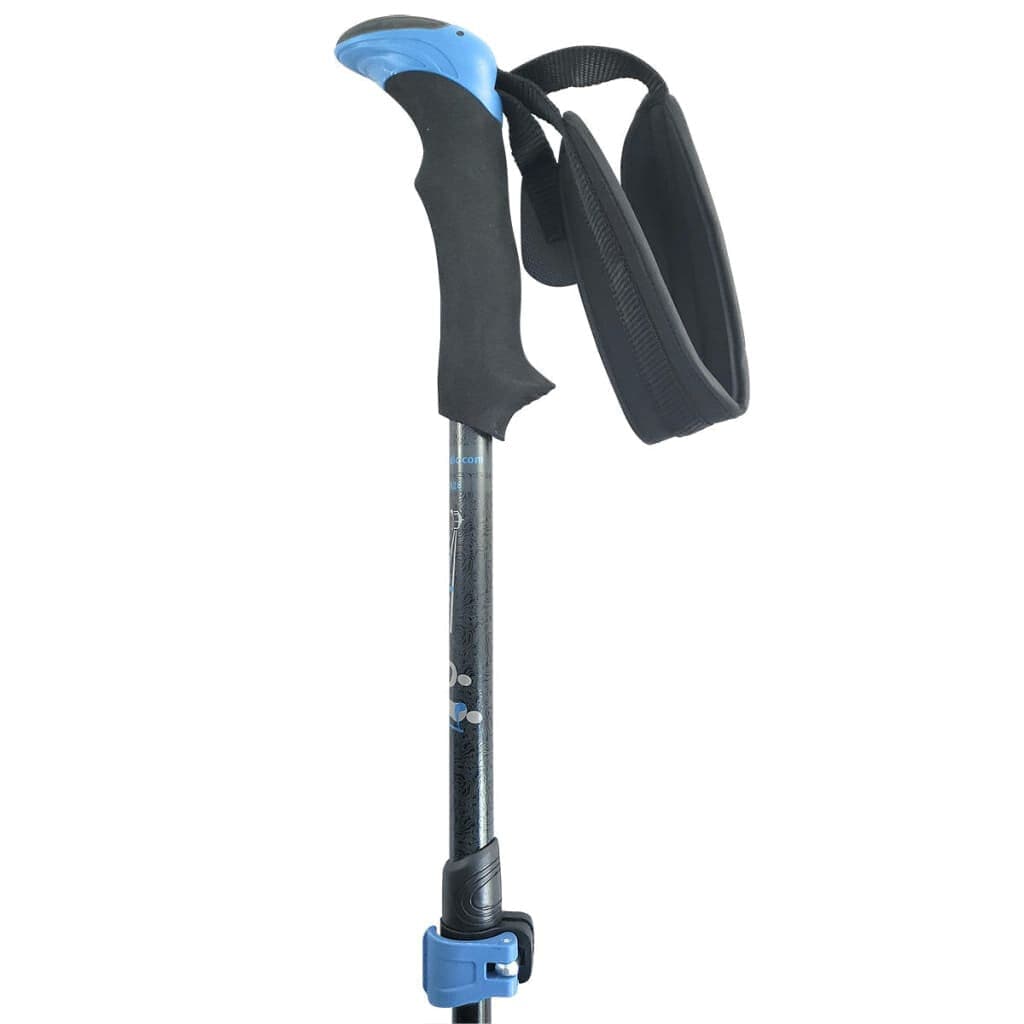
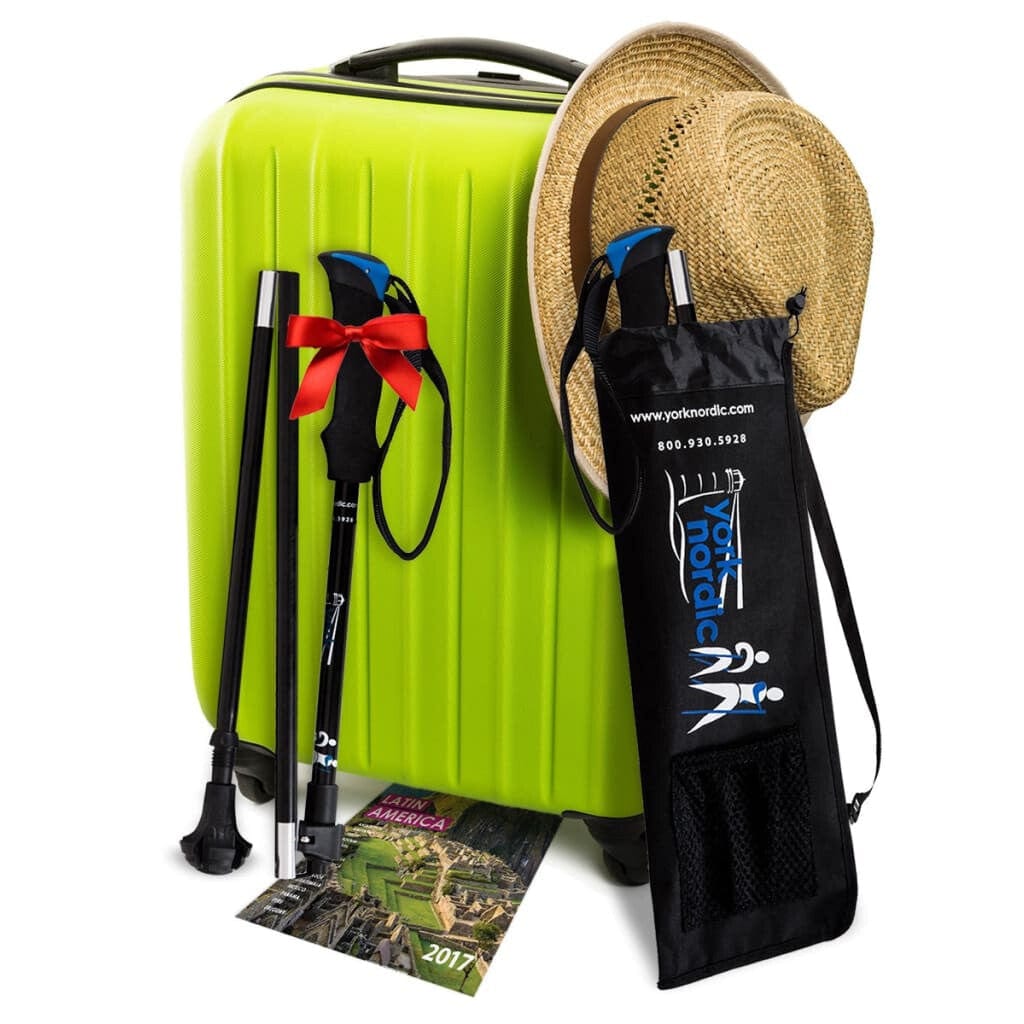
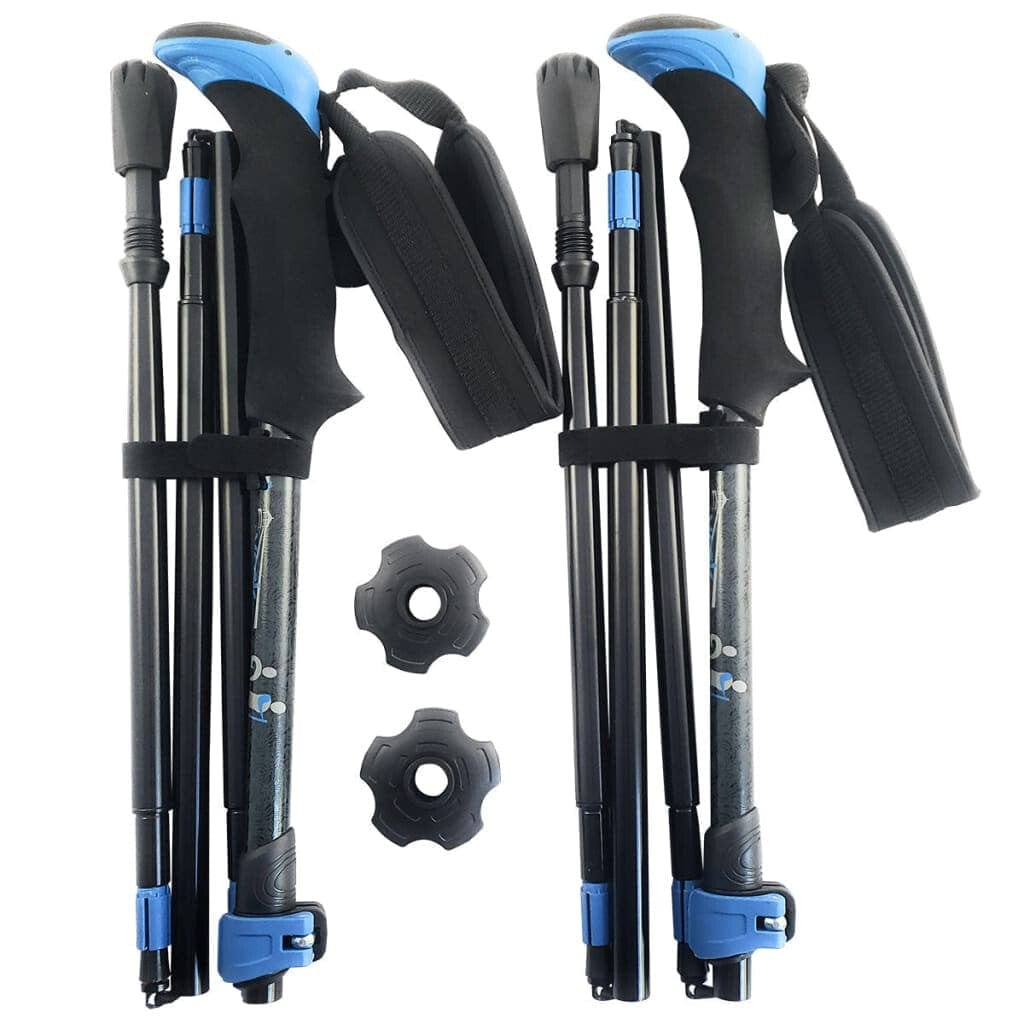
York Nordic Motivator Walking Poles are designed with features that make them particularly well suited for active adults, including adjustable height, lightweight construction, collapsibility, and York Nordic's patented Stability Grips.
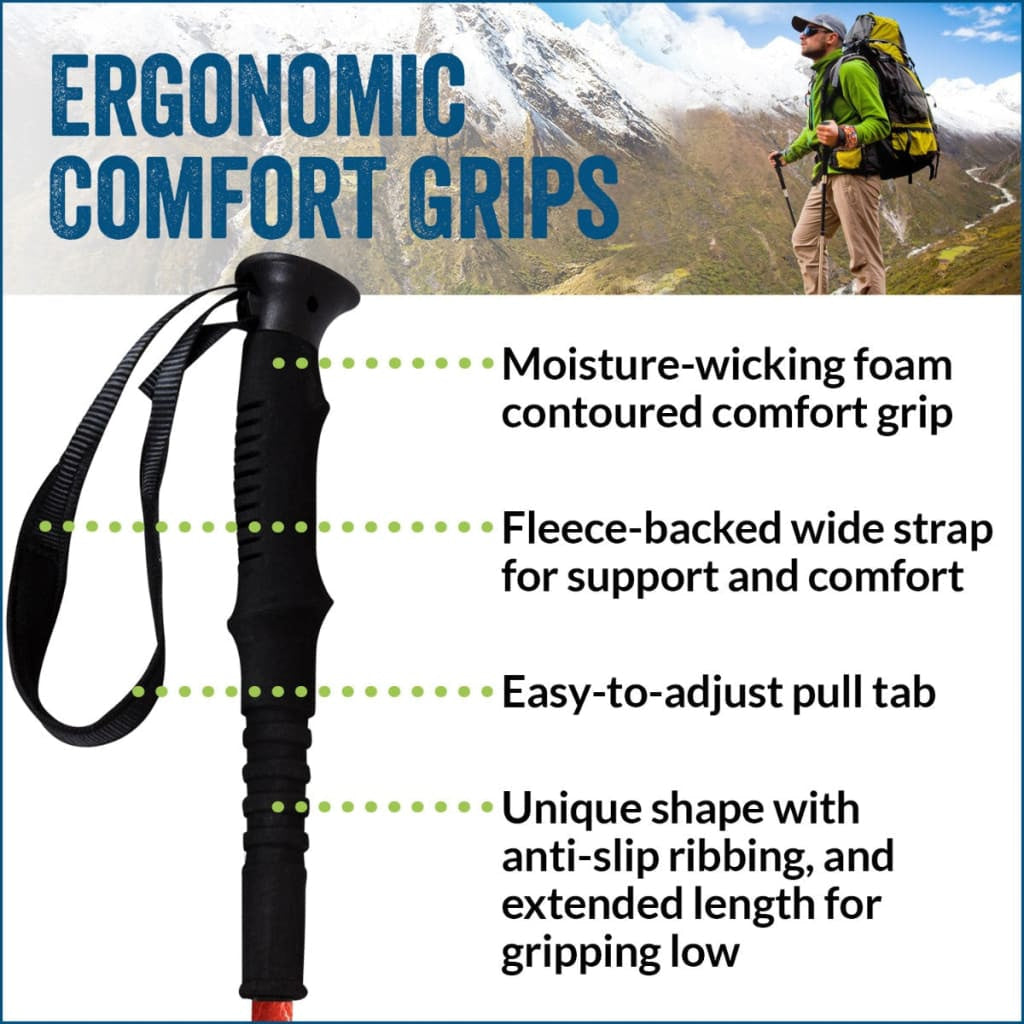
The grips are designed to encourage a comfortable, natural hand position while helping engage the upper body.
And because the poles are adjustable, they can be customized to the individual rather than forcing the individual to adapt to a fixed-size pole.
A Tool for Movement—Not Just Mobility
Perhaps the biggest reason physical therapists love walking poles is that they don't have to be viewed as a sign that someone can't walk independently.
Quite the opposite.
Walking poles can be a tool for helping someone walk farther, stand taller, feel steadier, and stay active.
They're not simply about getting from Point A to Point B.
They're about helping people feel confident enough to keep going.
Because sometimes the best mobility tool is the one that helps you believe you can take the next step. Let's Get Out There!
As with any new exercise or mobility aid, individuals with specific medical or rehabilitation needs should follow the guidance of their healthcare or physical therapy professional.
Tags
Educational, Health Benefits of Walking, Pole Walking for Seniors, Walking Research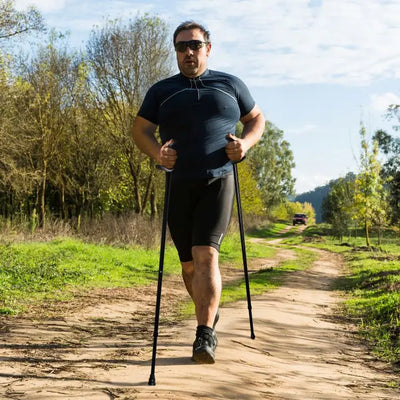



Latest Designs