















Nordic Walking News and Updates
Walking Poles for People with Chronic Pain or Fatigue
When you live with chronic pain or fatigue, movement can feel complicated. You want to stay active, but you also have to manage energy, protect your joints, and avoid overdoing it. Some days, even a short walk can feel intimidating.
That’s where walking poles can make a real difference. For many people dealing with chronic pain conditions, arthritis, post-injury recovery, autoimmune disorders, or ongoing fatigue, walking poles provide something incredibly valuable:
Support without stopping movement.
They help reduce strain, improve balance, and make walking feel more manageable—so you can stay active in a way that feels safer and more sustainable.
Why Walking Can Feel So Difficult
Chronic pain and fatigue affect more than just energy levels.
They can impact:
- Balance
- Coordination
- Joint stability
- Posture
- Endurance
- Confidence while walking
Many people unconsciously change the way they walk to compensate for pain, which can create even more strain on the body over time.
That’s why supportive movement tools matter.
Walking poles aren’t about “needing help.” They’re about improving movement efficiency and reducing unnecessary stress on the body.
How Walking Poles Help
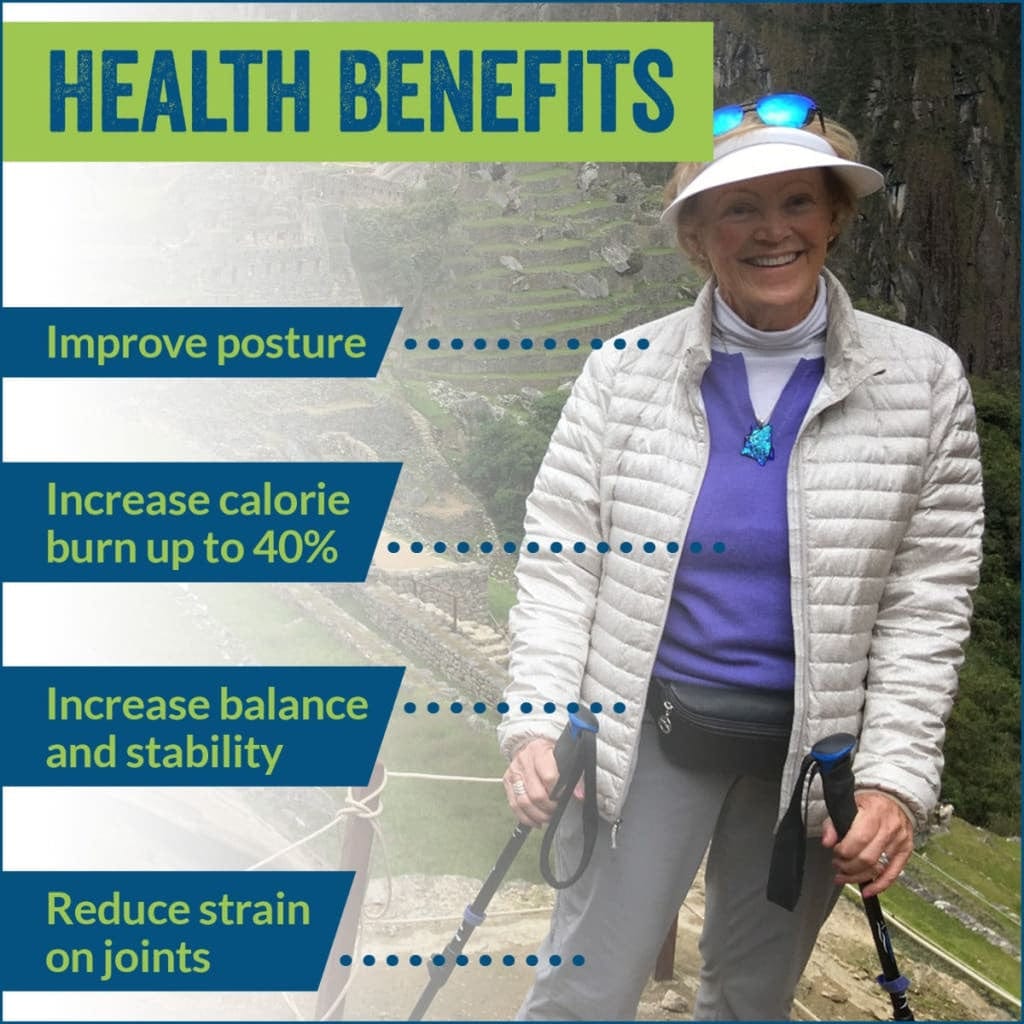
1. They Reduce Pressure on Joints
Walking poles help distribute effort across the entire body instead of loading everything into:
- Knees
- Hips
- Ankles
- Lower back
By involving the upper body, poles can help decrease impact forces and improve stability, especially during longer walks or uneven terrain.
For people with arthritis or chronic joint pain, that reduction in stress can be significant.
2. They Improve Balance and Stability
Fatigue often affects coordination and confidence.
Walking poles create additional points of contact with the ground, which can help you feel:
- More stable
- More secure
- More confident outdoors
This is especially helpful for:
- Uneven sidewalks
- Trails
- Curbs
- Slippery conditions
- “Bad symptom days”
Sometimes the biggest benefit is simply feeling less afraid of falling.
3. They Encourage Better Posture
When people experience pain or fatigue, they often begin to:
- Hunch forward
- Shuffle
- Take shorter steps
- Hold tension in the shoulders
Properly adjusted walking poles encourage a more upright posture and natural arm swing, helping the body move more efficiently.
Better posture can also help reduce neck, shoulder, and lower back strain.
4. They Can Make Walking Less Exhausting
This surprises many people.
Using poles correctly can actually help conserve energy because movement becomes more balanced and supported. Instead of fighting to stabilize every step, your body works more efficiently.
That doesn’t mean you’ll suddenly feel unlimited energy, but it may help walking feel more manageable and less draining.
5. They Help You Stay Active Consistently
Consistency matters more than intensity.
For many people with chronic conditions, the goal isn’t extreme workouts, it’s maintaining mobility, circulation, strength, and independence over time.
Walking poles can help make movement feel:
- More approachable
- More comfortable
- More sustainable
And that can lead to greater confidence and long-term activity.
Tips for Getting Started
If you’re new to walking poles, start simple.
Keep these tips in mind:
- Start with short walks
- Focus on comfort, not speed
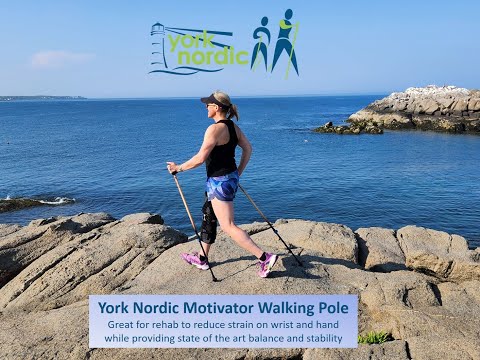
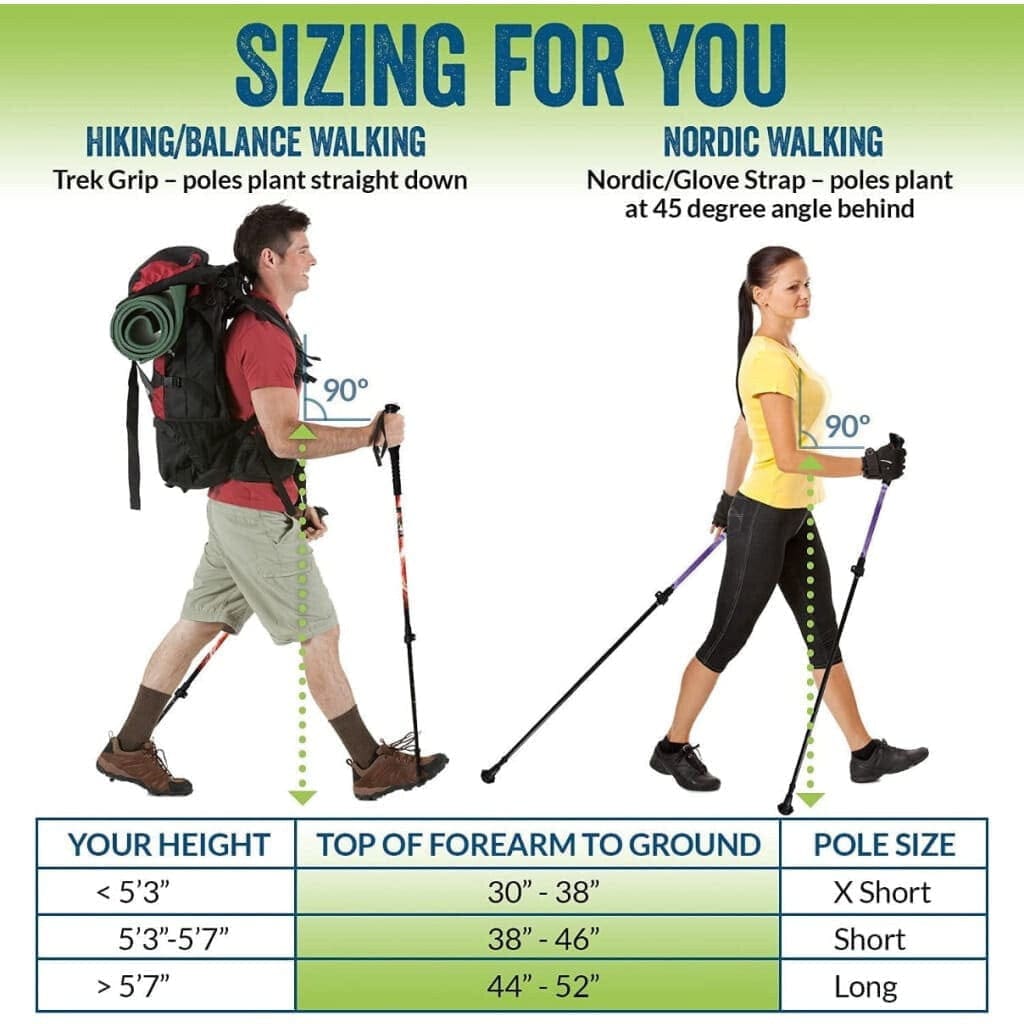
- Adjust poles correctly (forearms an inch or two below elbows around 90°)
- Use wrist straps properly
- Walk on flat terrain first
- Take breaks before you feel exhausted
Most importantly: listen to your body. Some days will feel stronger than others—and that’s okay.
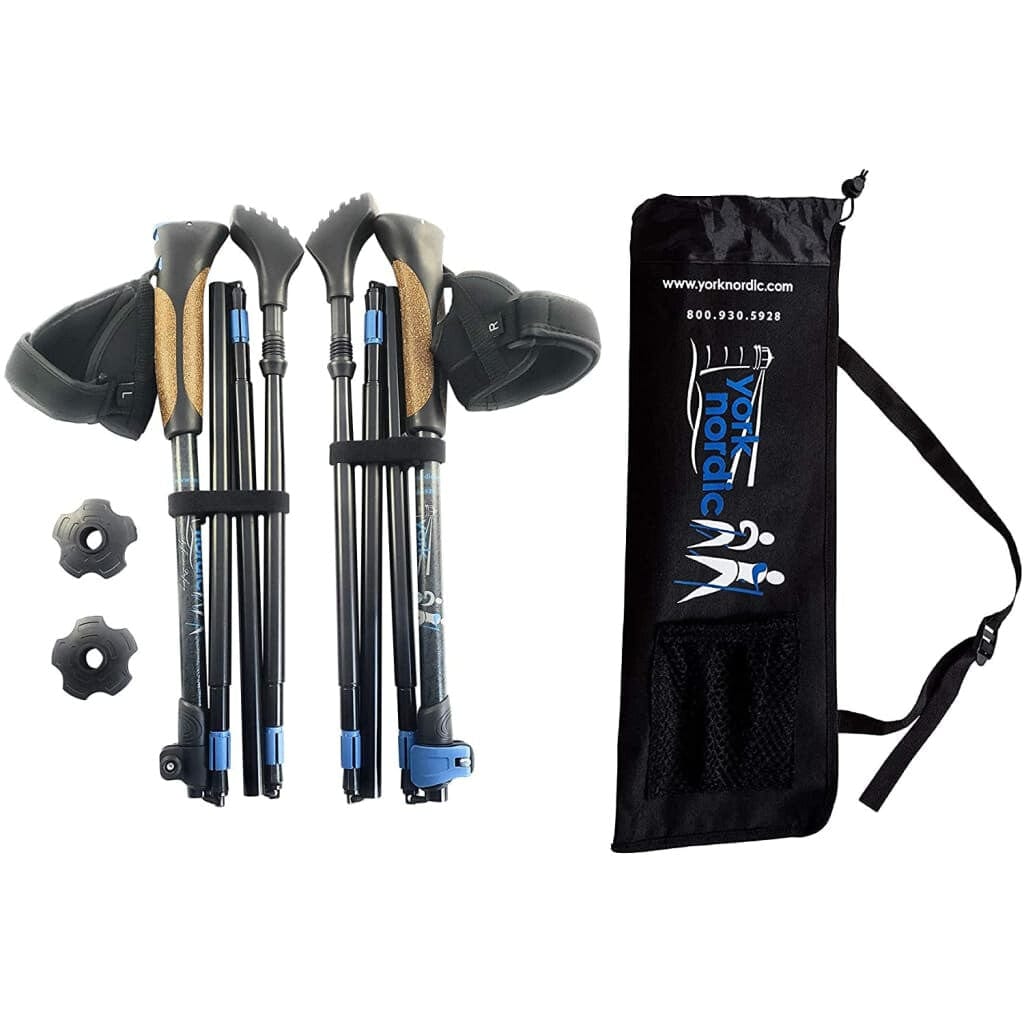
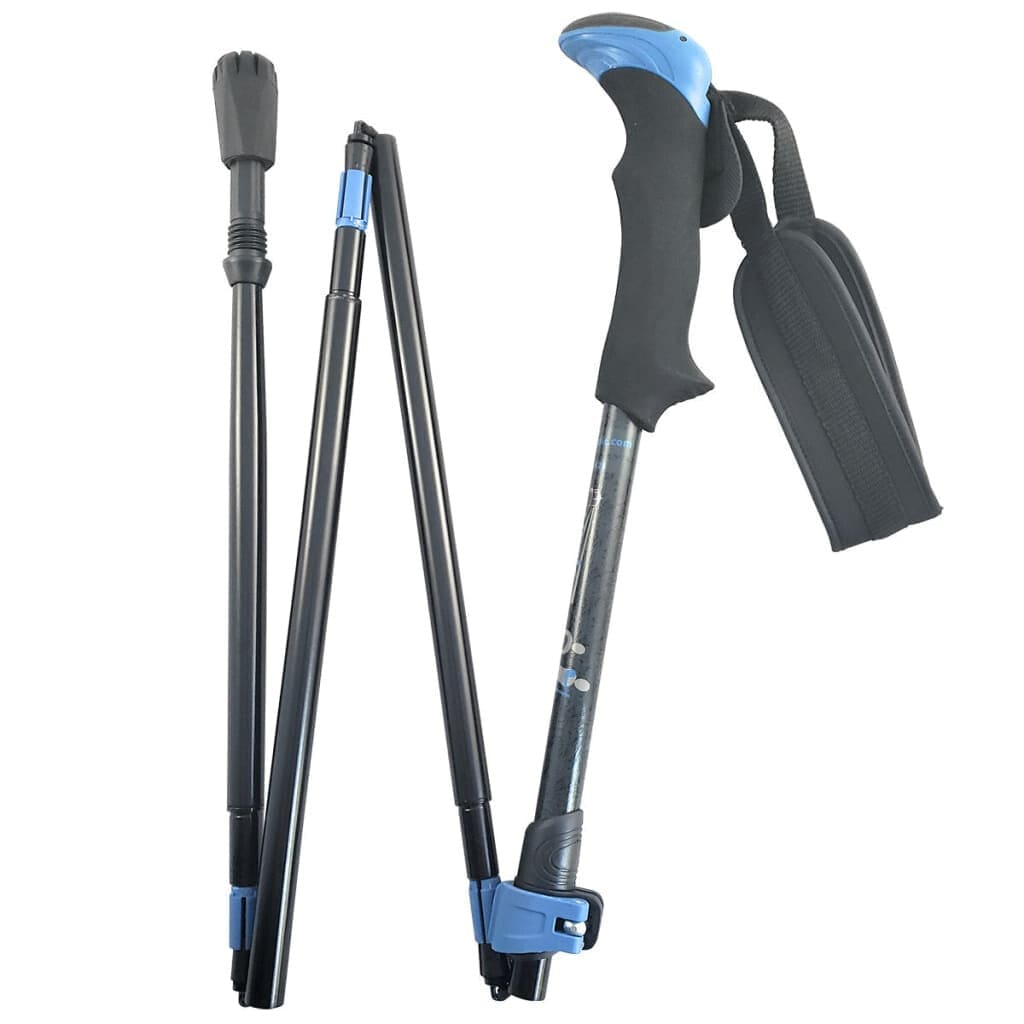
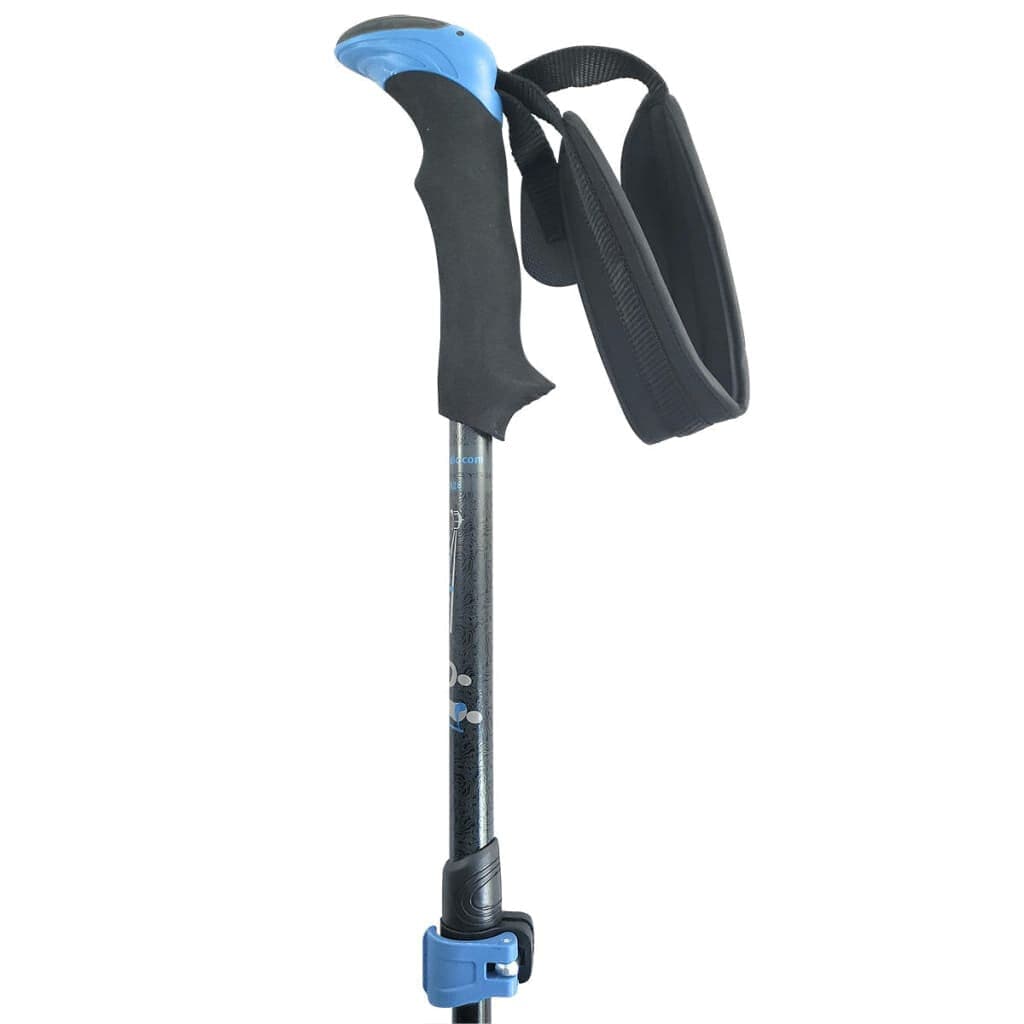
Choosing the Right Walking Poles
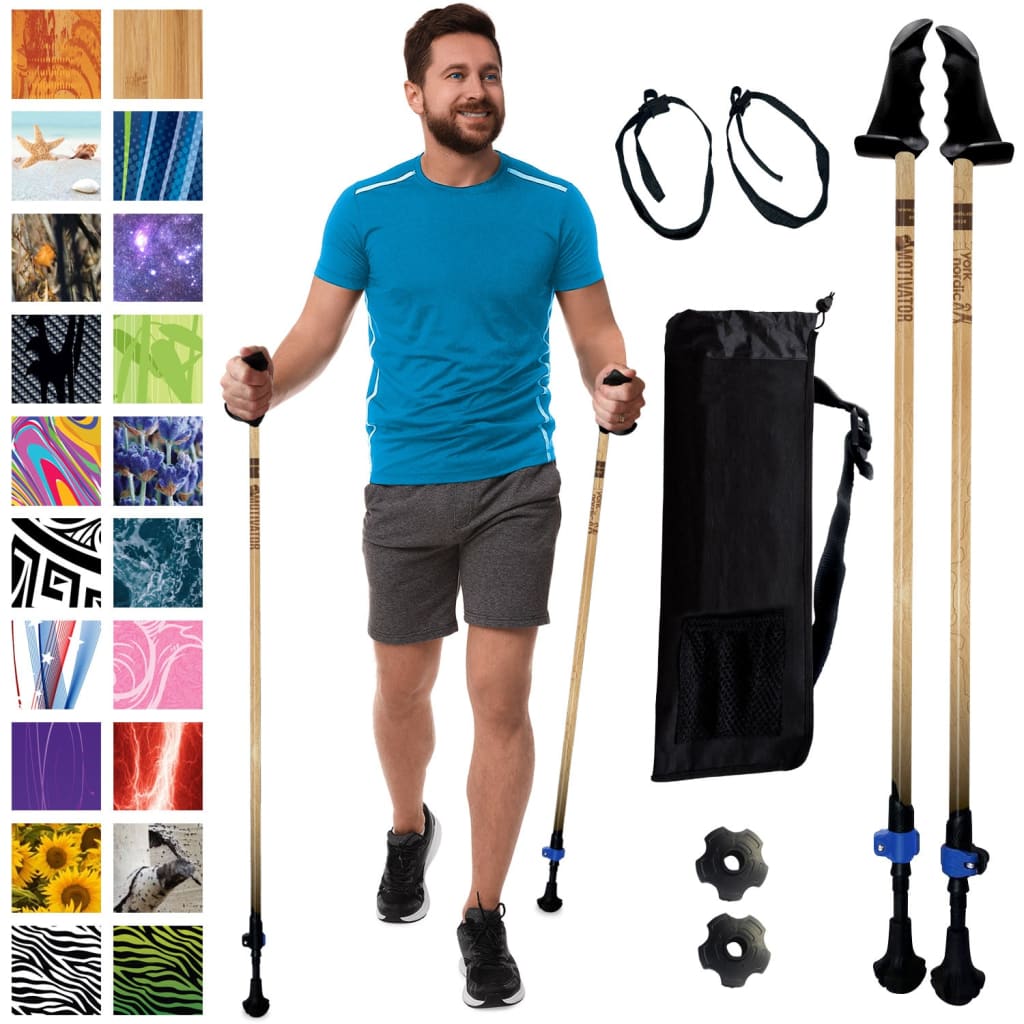
Comfort matters. Look for features like:
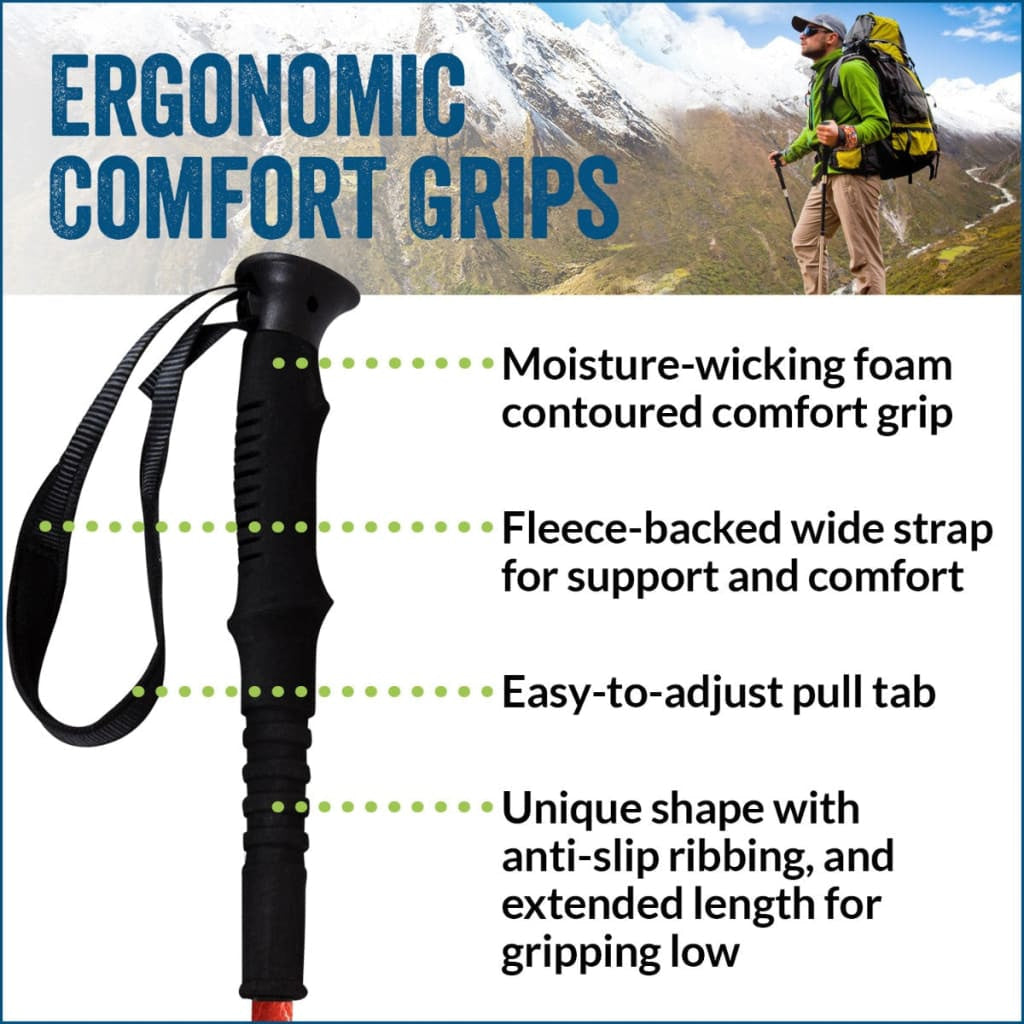
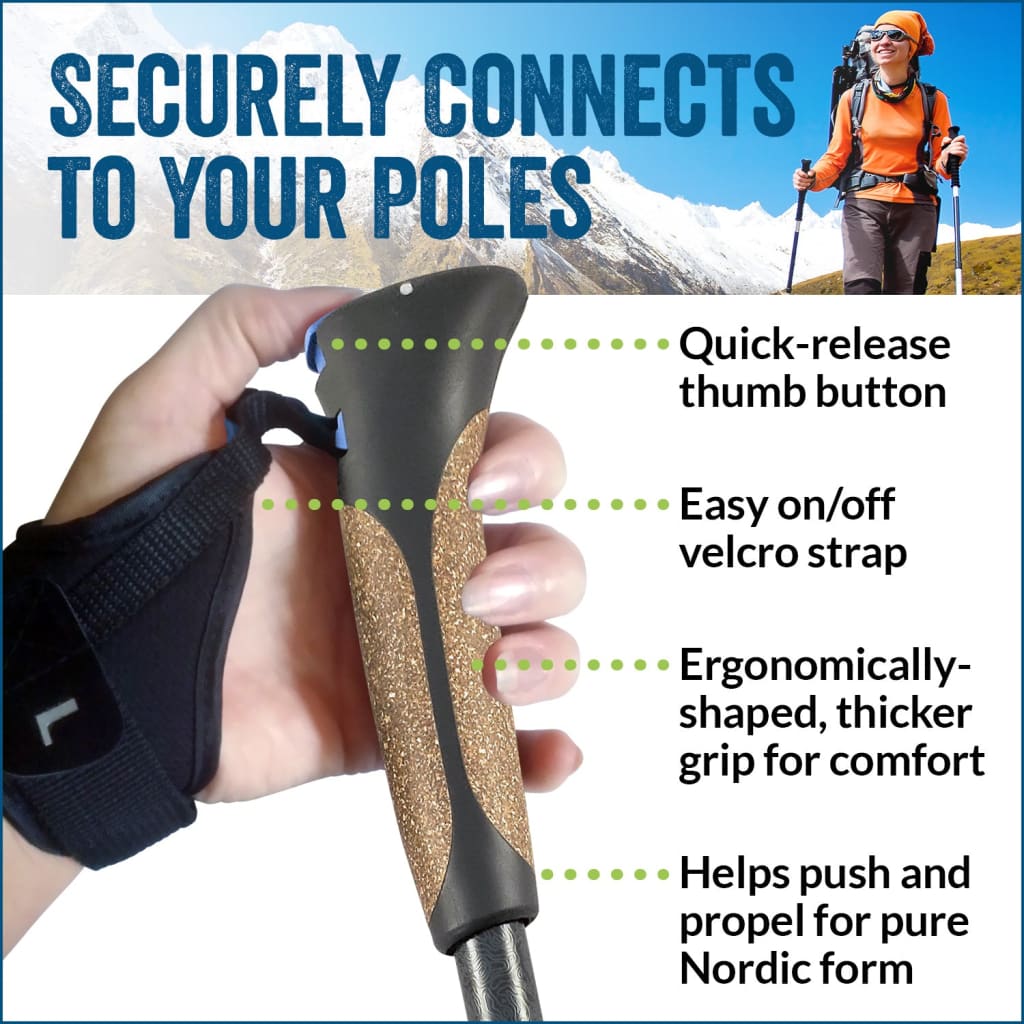
- Ergonomic grips
- Lightweight materials
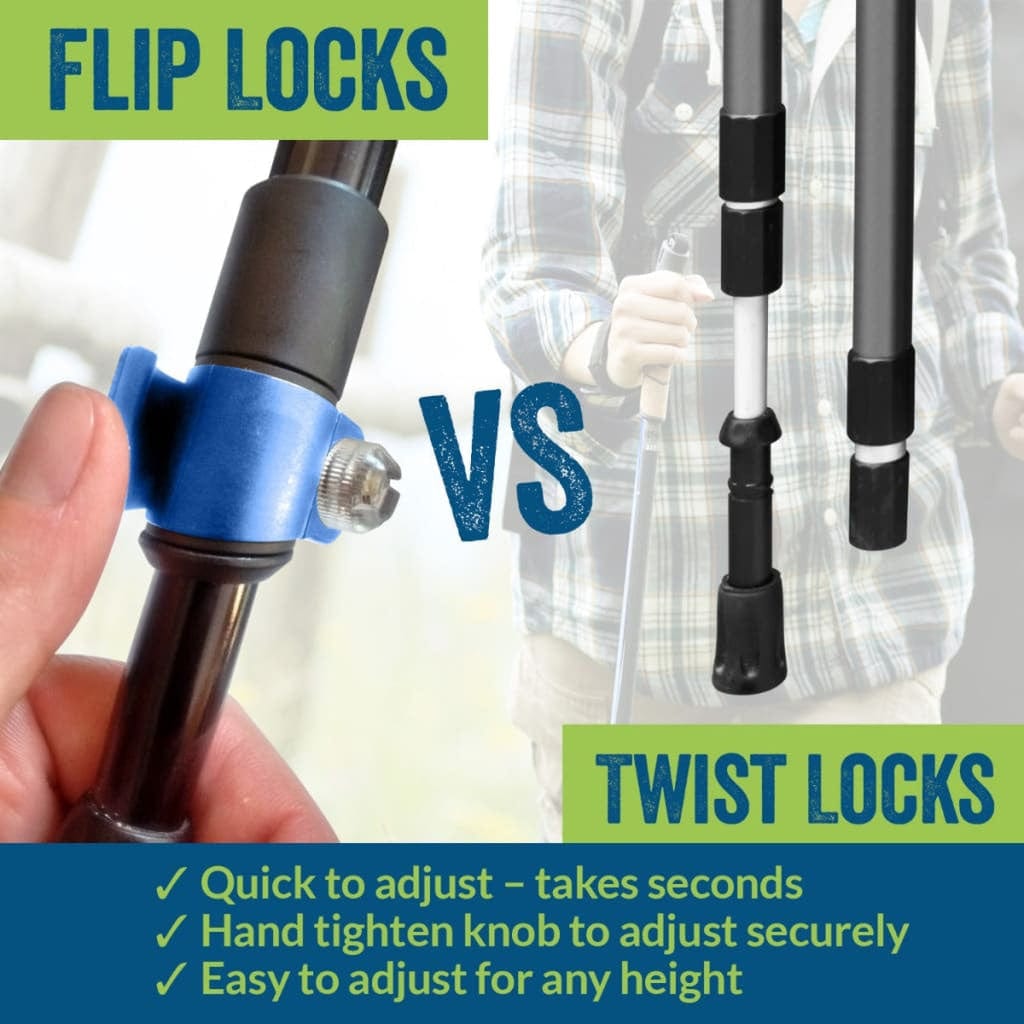
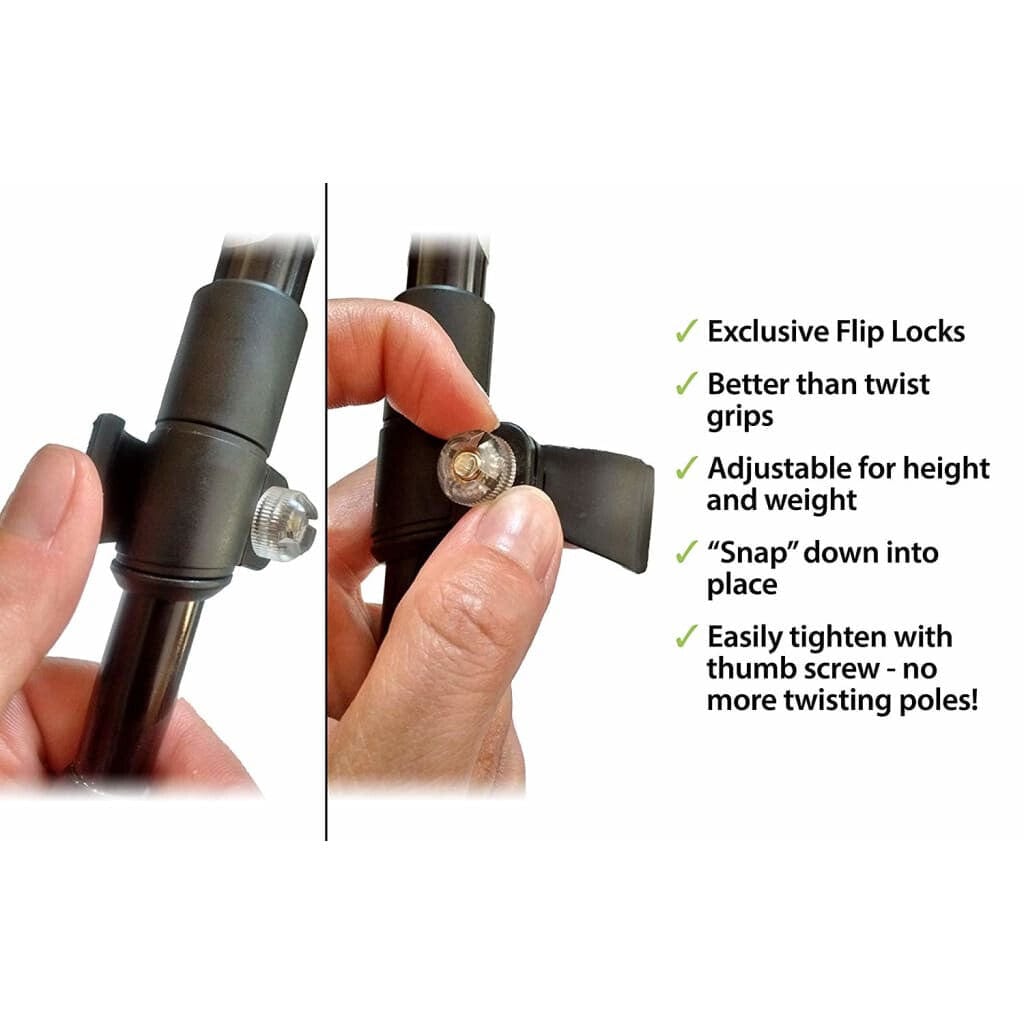
- Adjustable height
- Shock absorption (if preferred)
- Secure wrist straps
Many people with chronic pain prefer poles that feel stable without being heavy or complicated to adjust.
Movement Should Feel Supportive—Not Punishing
Living with chronic pain or fatigue doesn’t mean giving up movement.
Often, it means finding smarter, more supportive ways to keep moving.
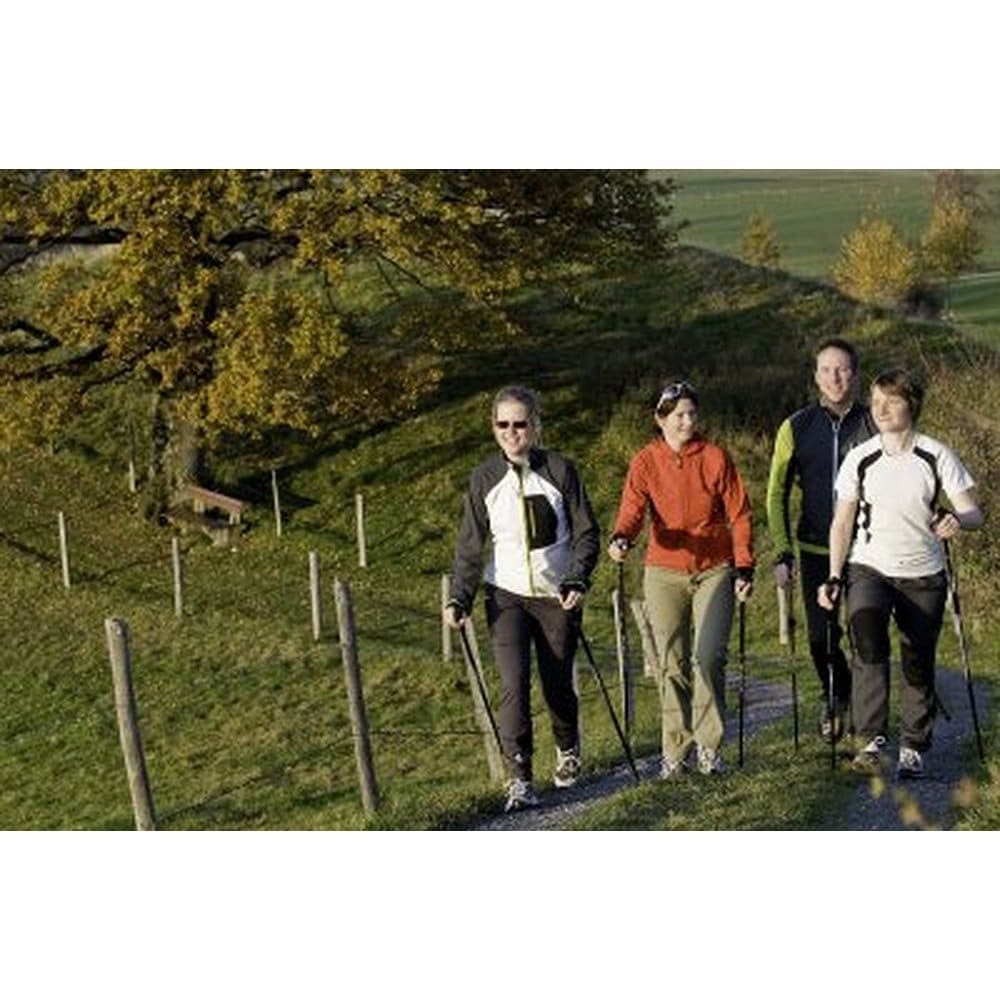
Walking poles can help reduce strain, improve confidence, and make walks feel more accessible—whether you’re walking around the block, on a trail, or simply trying to stay active day-to-day.
Because sometimes the goal isn’t to push harder. It’s to move better. Let's Get Out There!





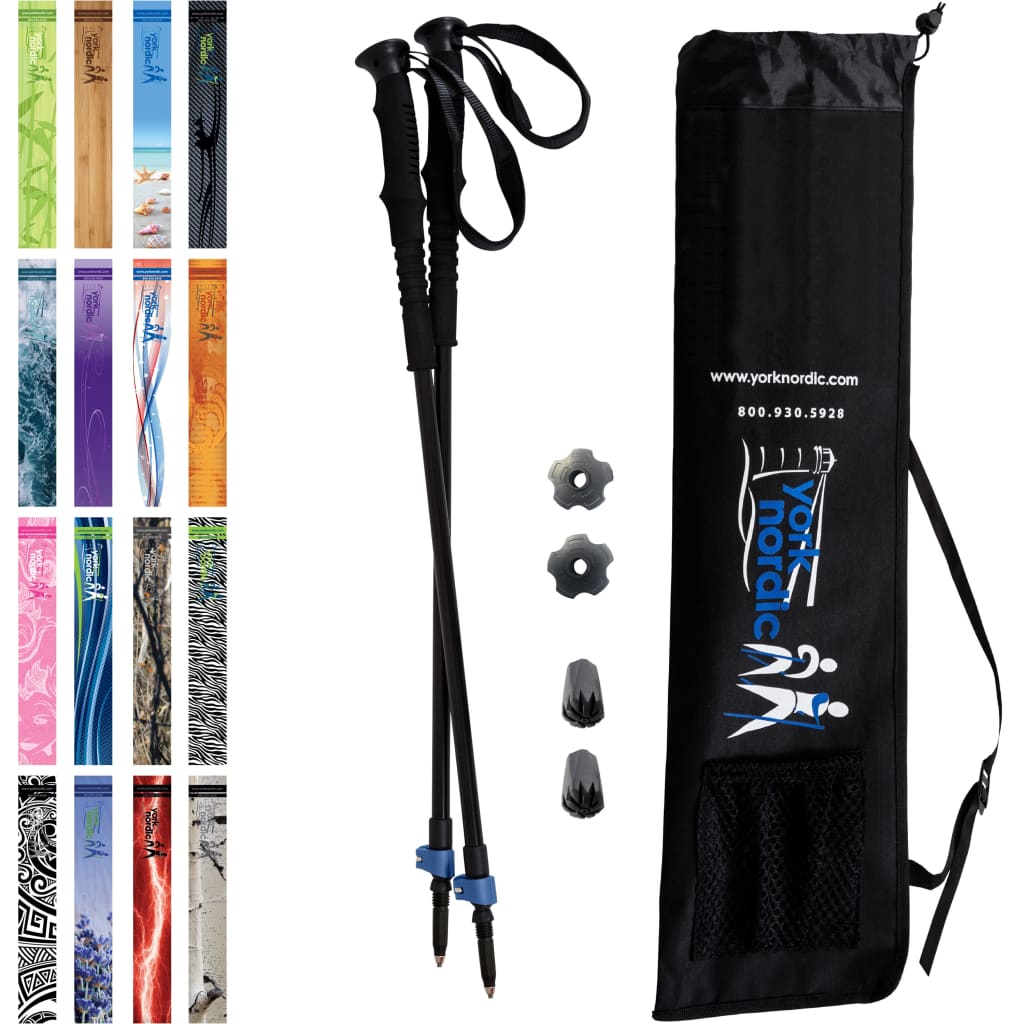
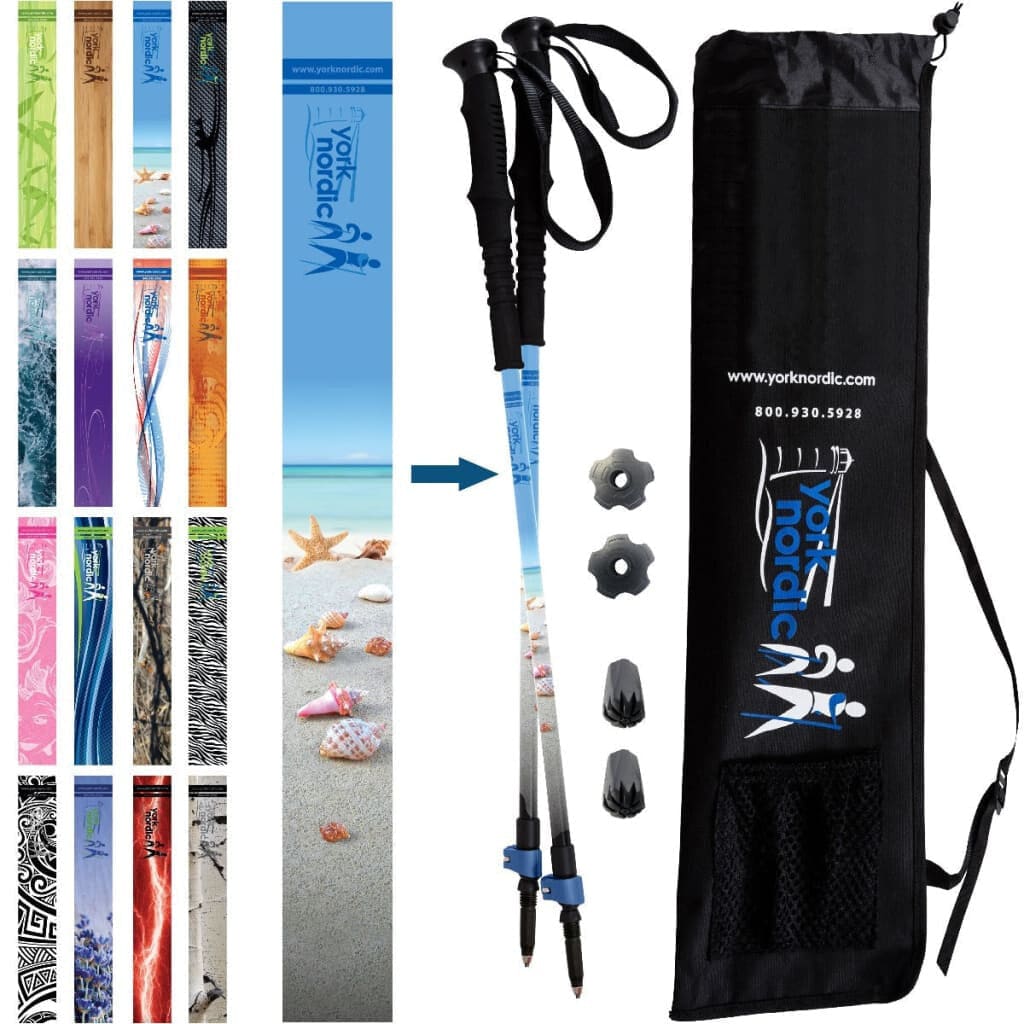
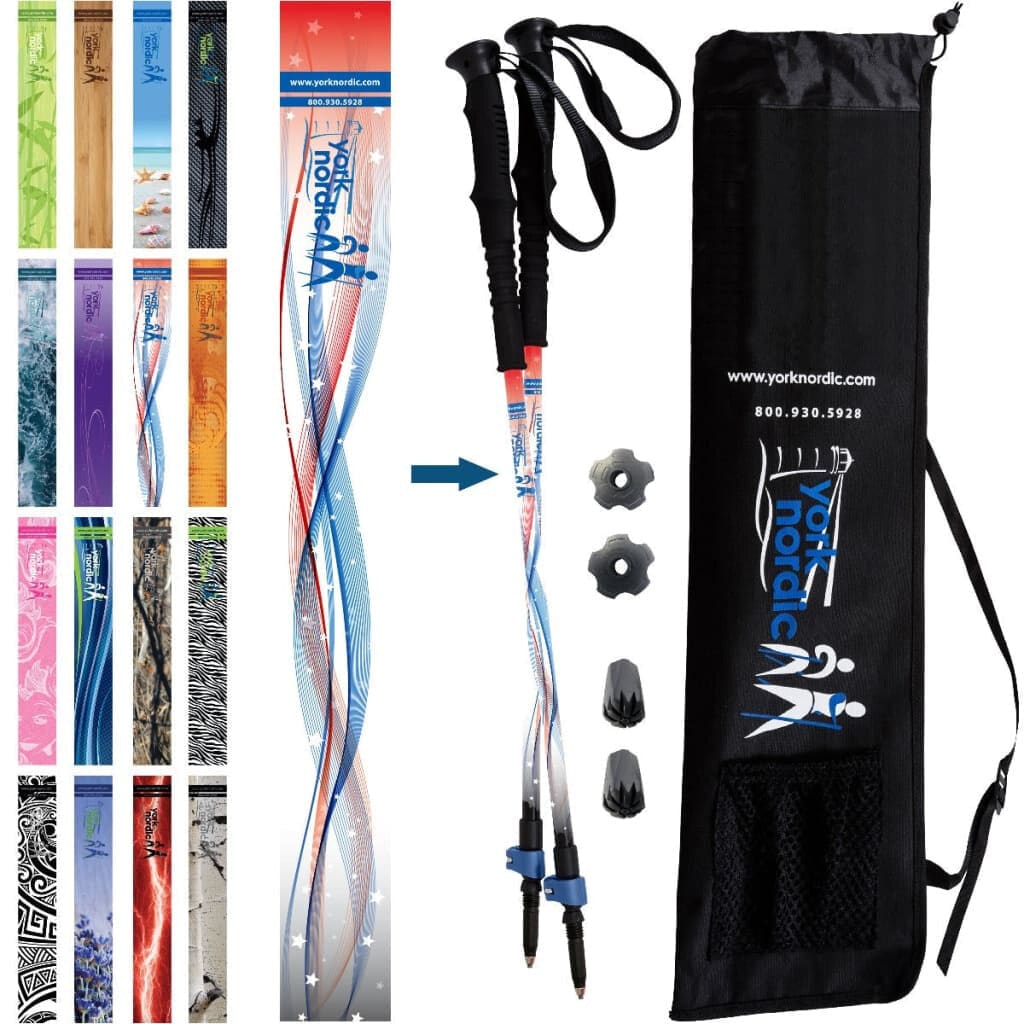
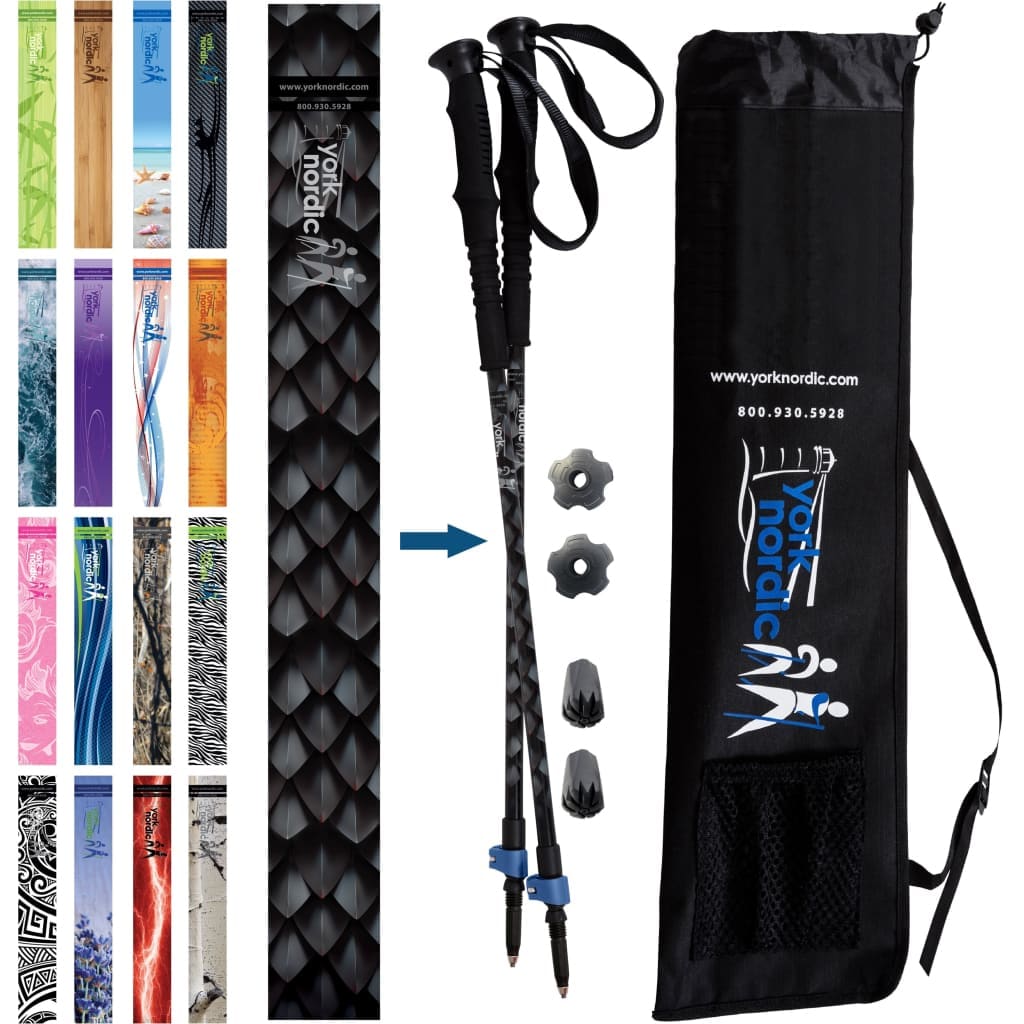
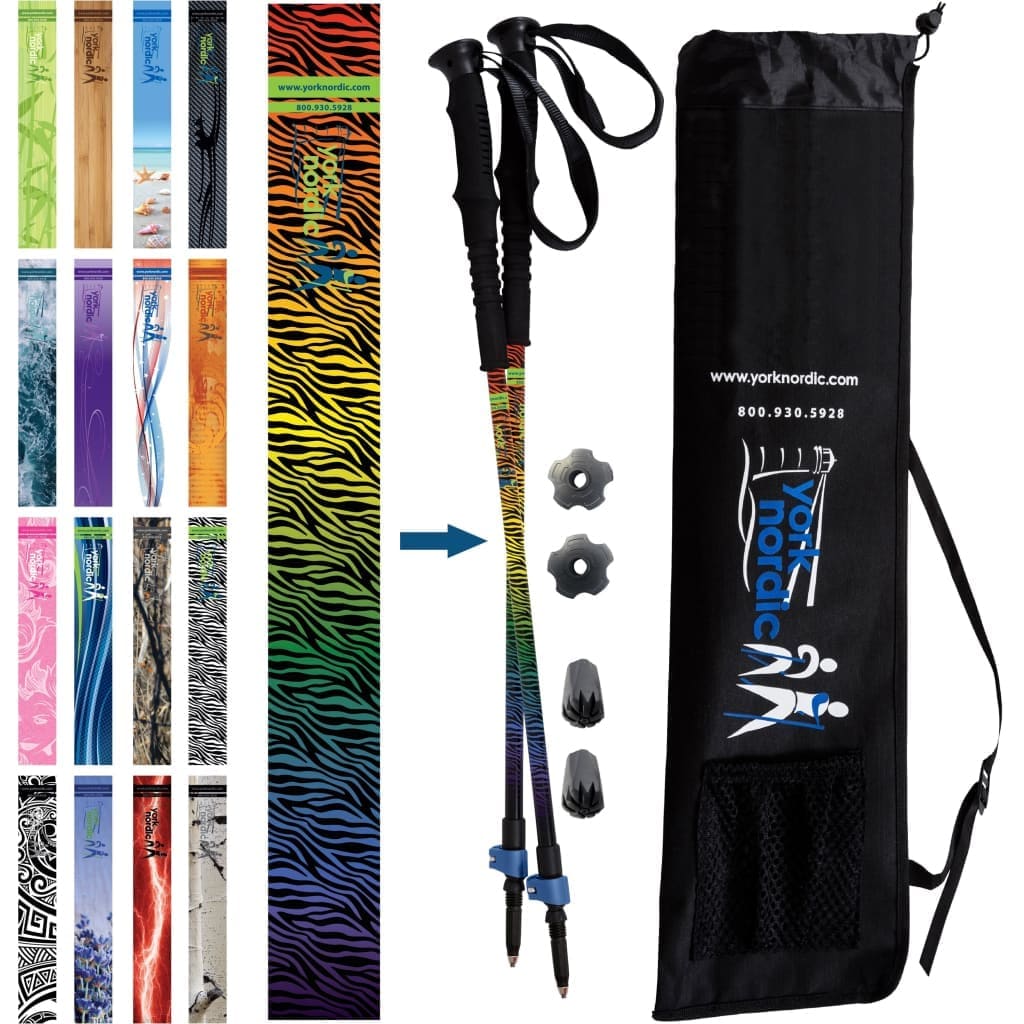
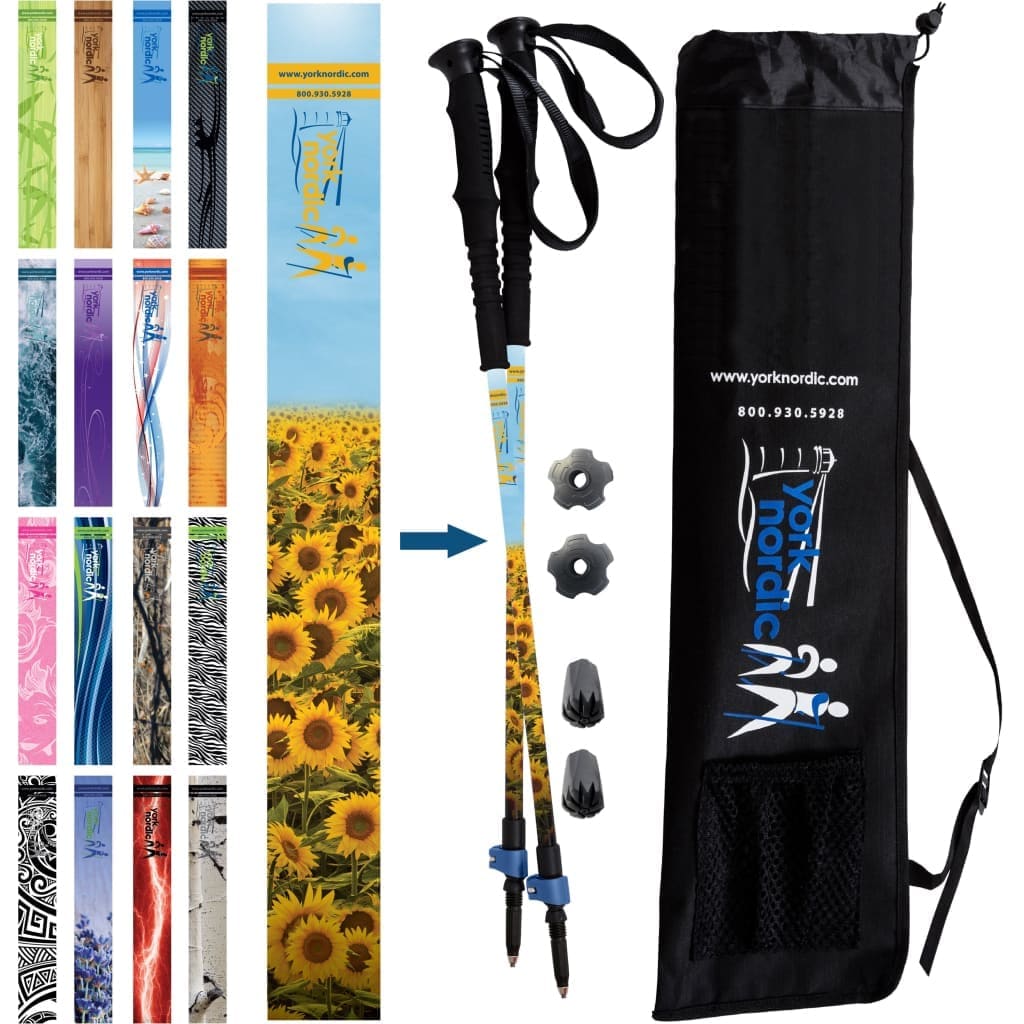
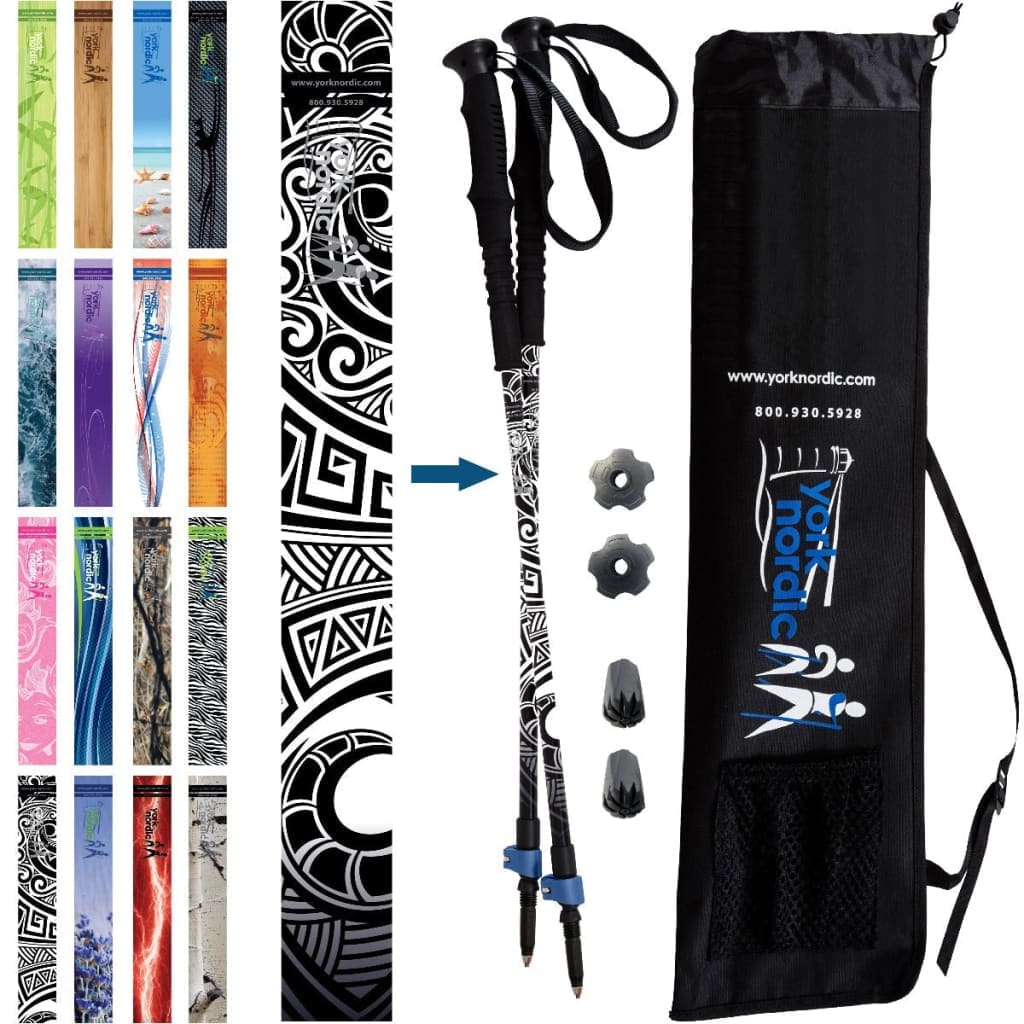
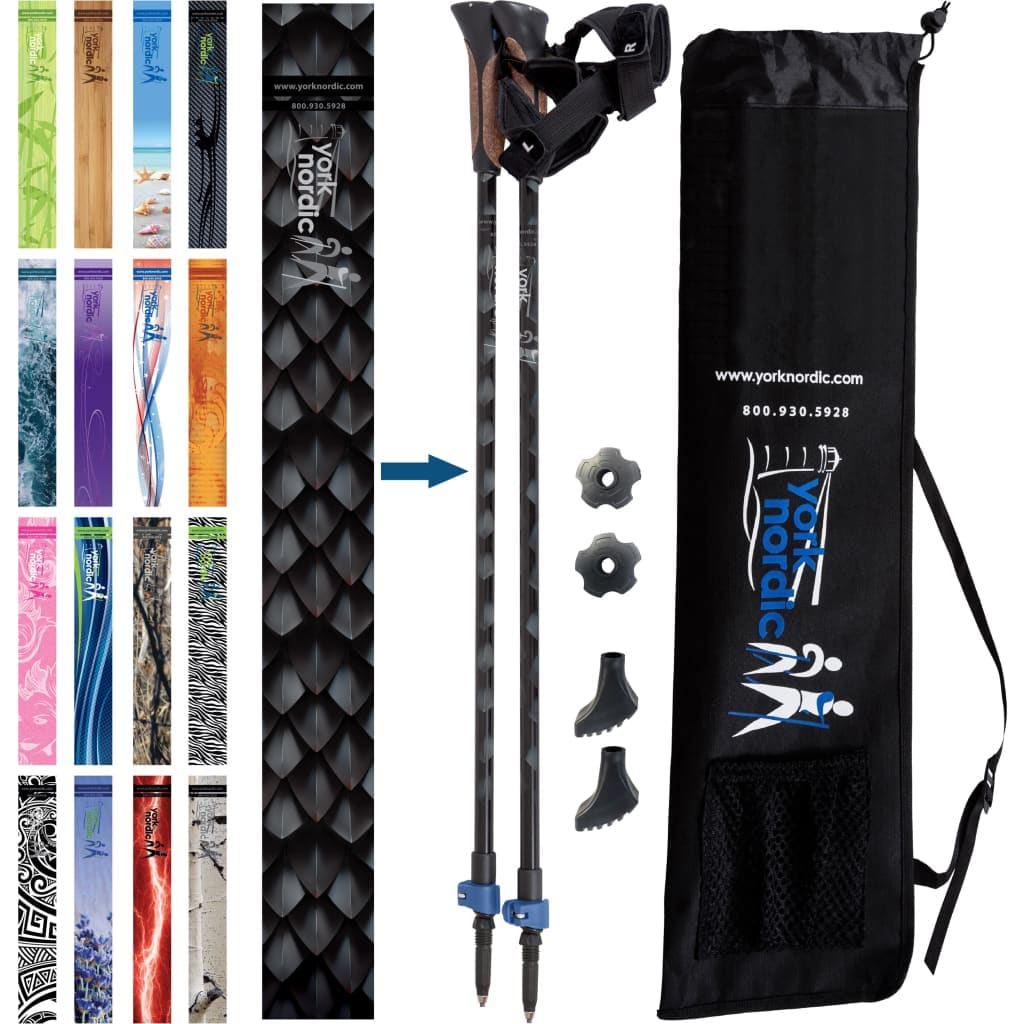
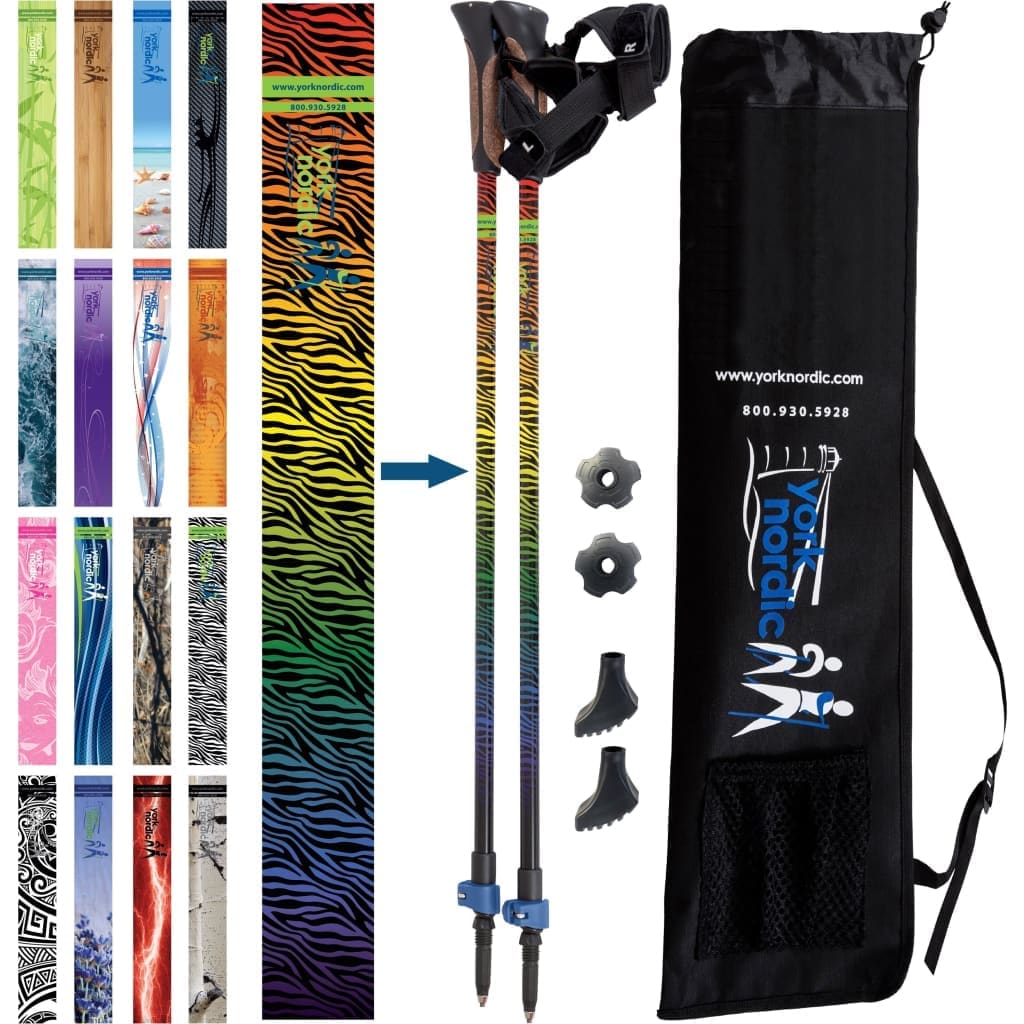
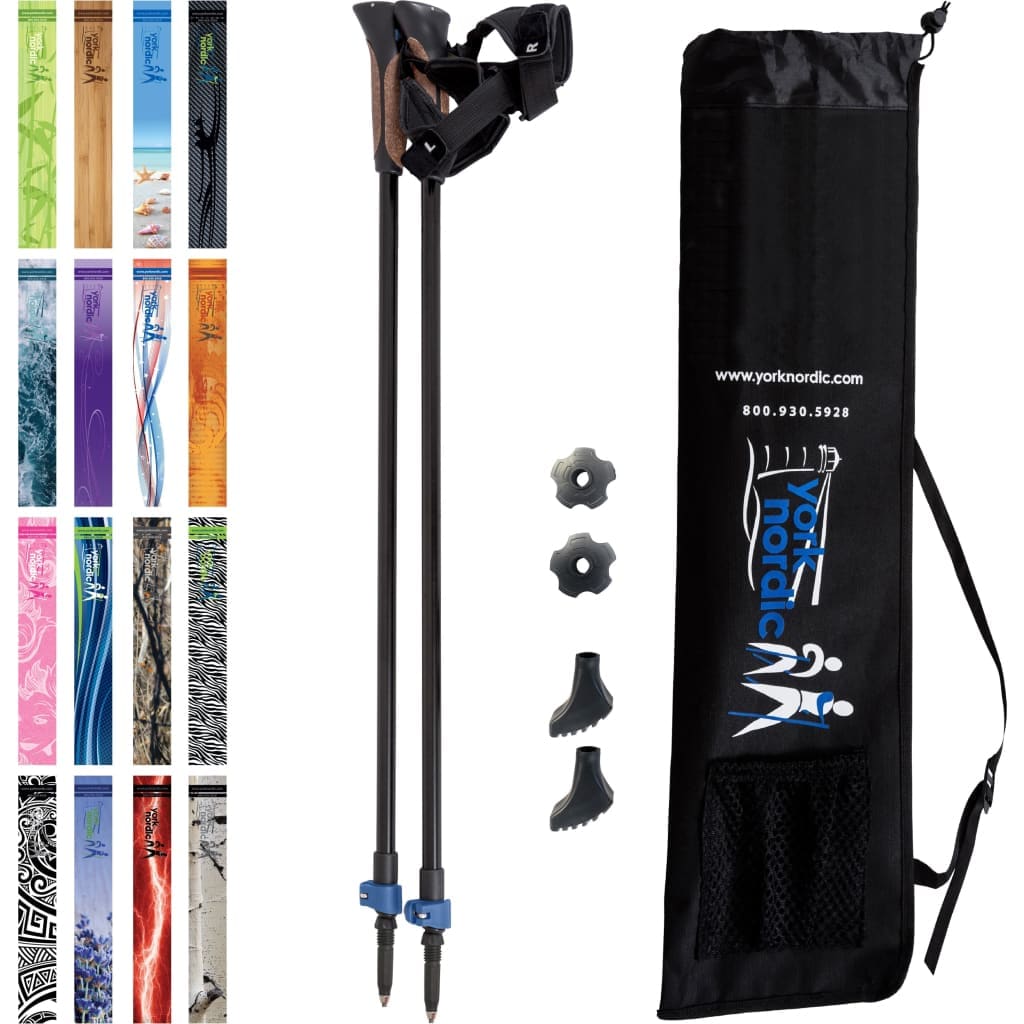
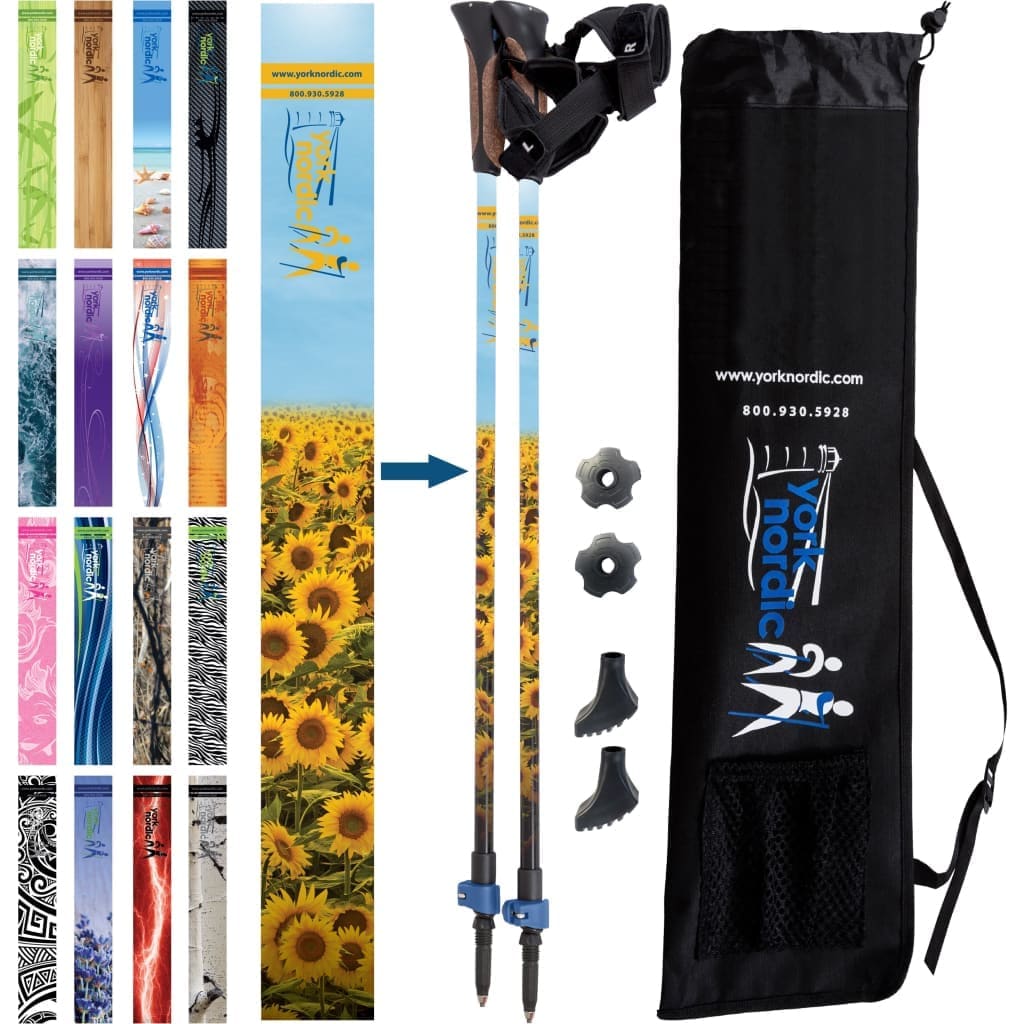
Latest Designs