






















Nordic Walking News and Updates
When Should I Replace the Feet on My Walking Poles?
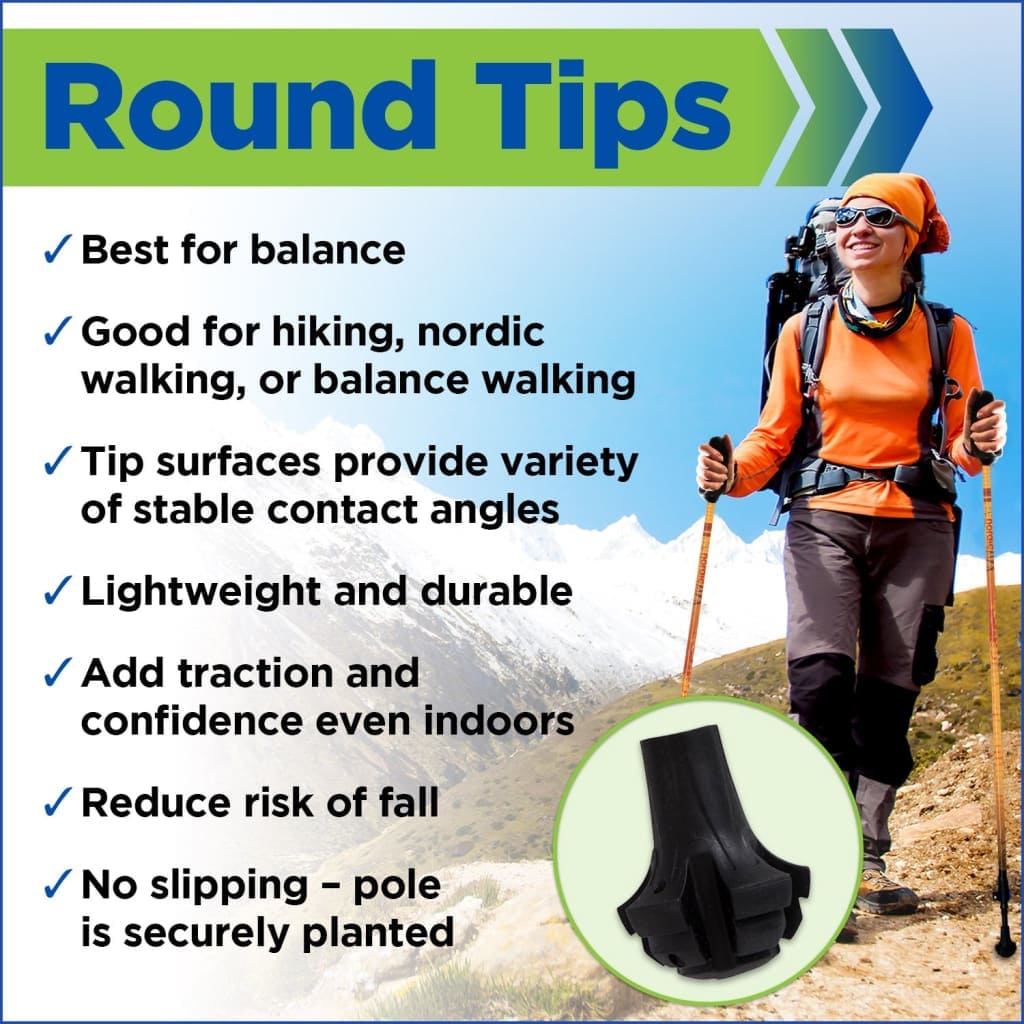
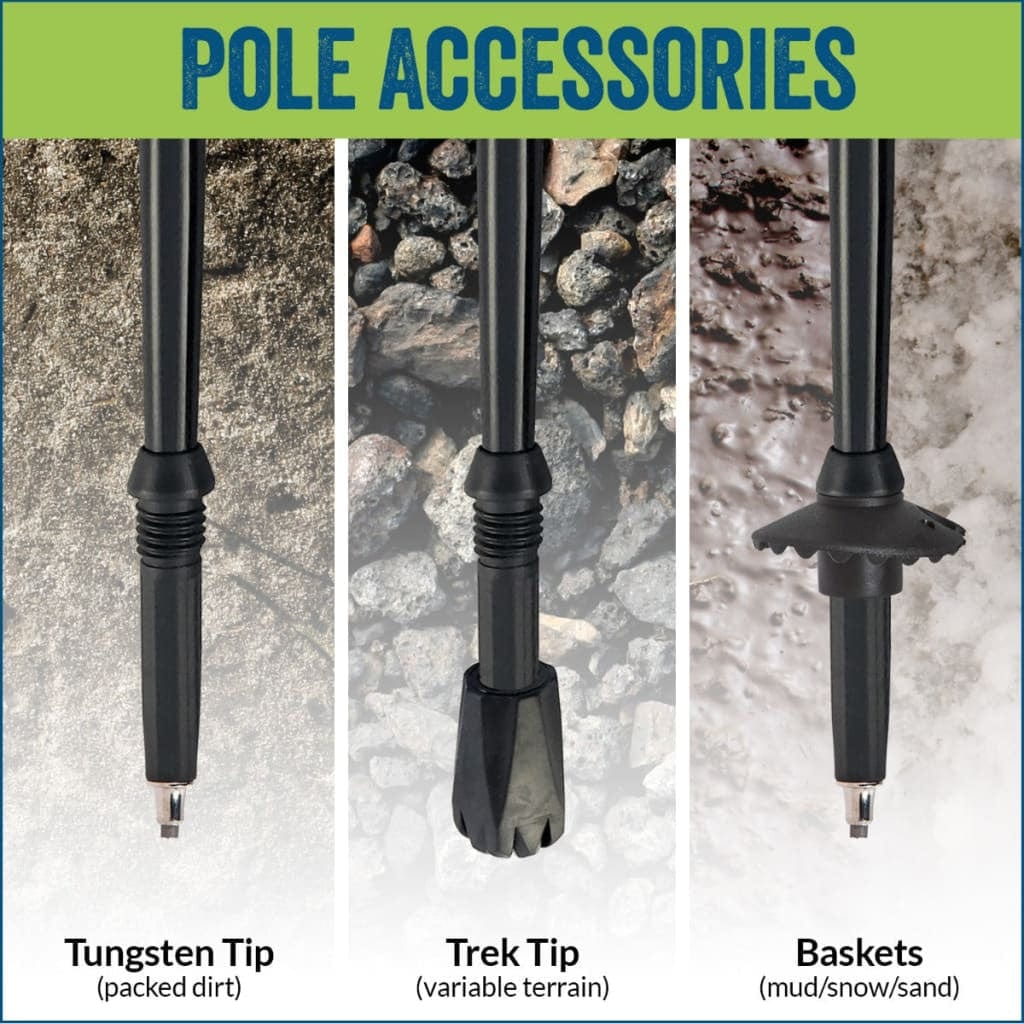
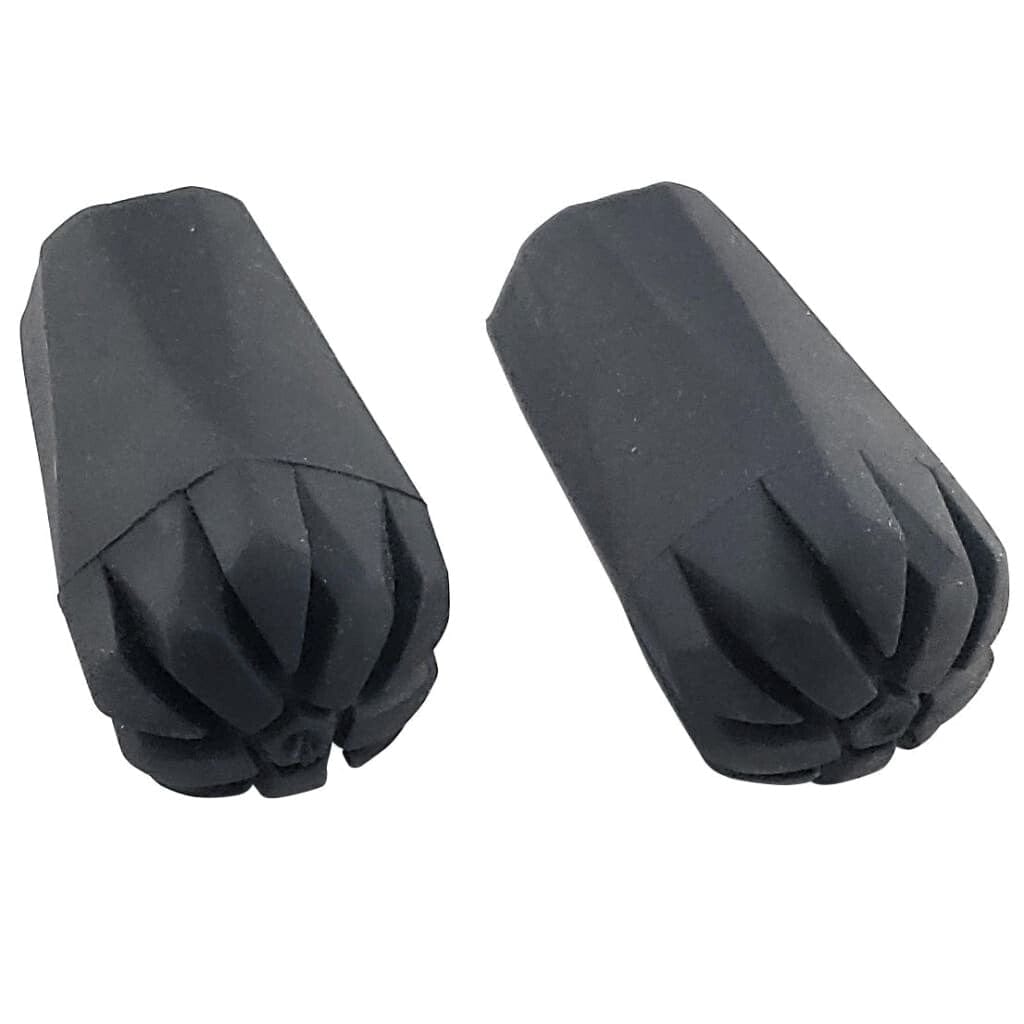
Your walking poles work hard every time you head out the door—but one part does even more work than the rest: the rubber feet.
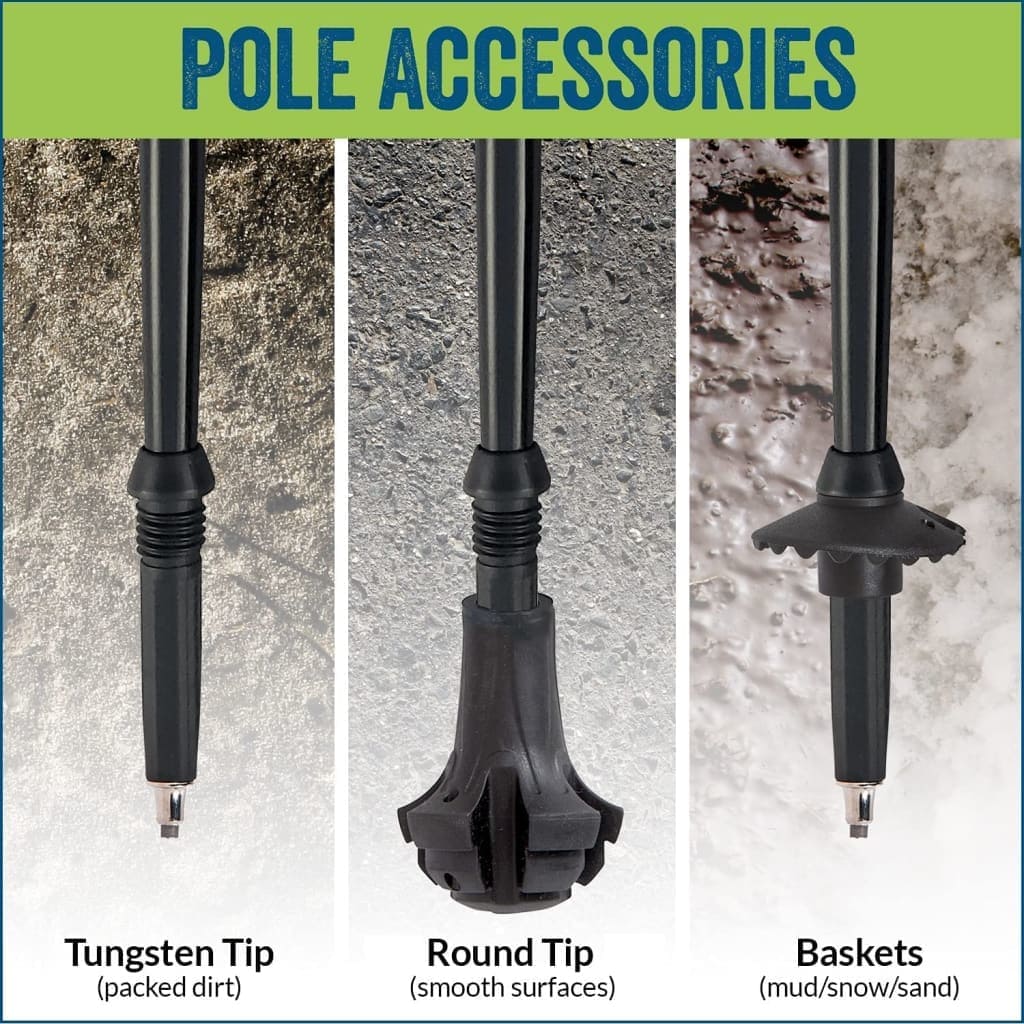
Whether you're walking through your neighborhood, enjoying a local trail, or traveling with your poles, the rubber feet absorb impact, provide traction, and help protect both your poles and the surfaces you're walking on. Like the tires on a car, they're designed to wear over time.
So how do you know when it's time for a replacement?
1. The Tread Has Worn Smooth
One of the easiest signs is a loss of tread. Most walking pole feet have textured bottoms that grip sidewalks and paved paths. After hundreds of miles, that tread gradually wears away.
If the bottoms look smooth or feel slippery—especially on wet pavement—it's time for a fresh set.
2. You Notice Less Stability
Have your poles started slipping more than they used to? Do they feel less secure when planting them on pavement?
Worn feet can't grip as effectively, reducing one of the biggest benefits of walking poles: confidence and stability. Replacing them restores the traction you depend on.
3. The Rubber Is Cracked or Splitting
Rubber naturally ages from exposure to sunlight, heat, cold, and moisture. Even if you don't walk every day, inspect your feet for:
- Cracks
- Splits
- Chunks missing
- Dry, brittle rubber
Any of these are signs the feet should be replaced before they fail during a walk.
4. They're Wearing Unevenly
Take a close look at both feet. If one side is noticeably more worn than the other, your walking mechanics or pole angle may be causing uneven wear.
While uneven wear is normal, once the rubber becomes noticeably lopsided, replacing the feet helps maintain proper contact with the ground.
5. You Can Hear More Than Feel
Healthy rubber feet create a soft, muted contact with the ground.
If your poles suddenly sound louder, produce a harder tapping noise, or feel harsher with each plant, the rubber has likely worn thin and isn't absorbing impact as effectively.
How Long Do Walking Pole Feet Last?
There's no exact mileage because it depends on:
- How often you walk
- Whether you walk mostly on pavement or trails
- Your walking style
- Your body weight
- The quality of the rubber
People who walk several miles on pavement every day may replace their feet every few months, while occasional walkers may get a year or more from a set.
The best rule? Replace them based on wear—not the calendar.
Don't Wait Until They're Completely Gone
Many walkers wait until the rubber is almost worn through before replacing the feet. Unfortunately, that can expose the metal tip underneath, reducing grip and potentially damaging both your poles and the walking surface.
Replacing the feet a little early is far less expensive than replacing damaged poles—or risking a slip.
Why York Nordic Feet Stand Out
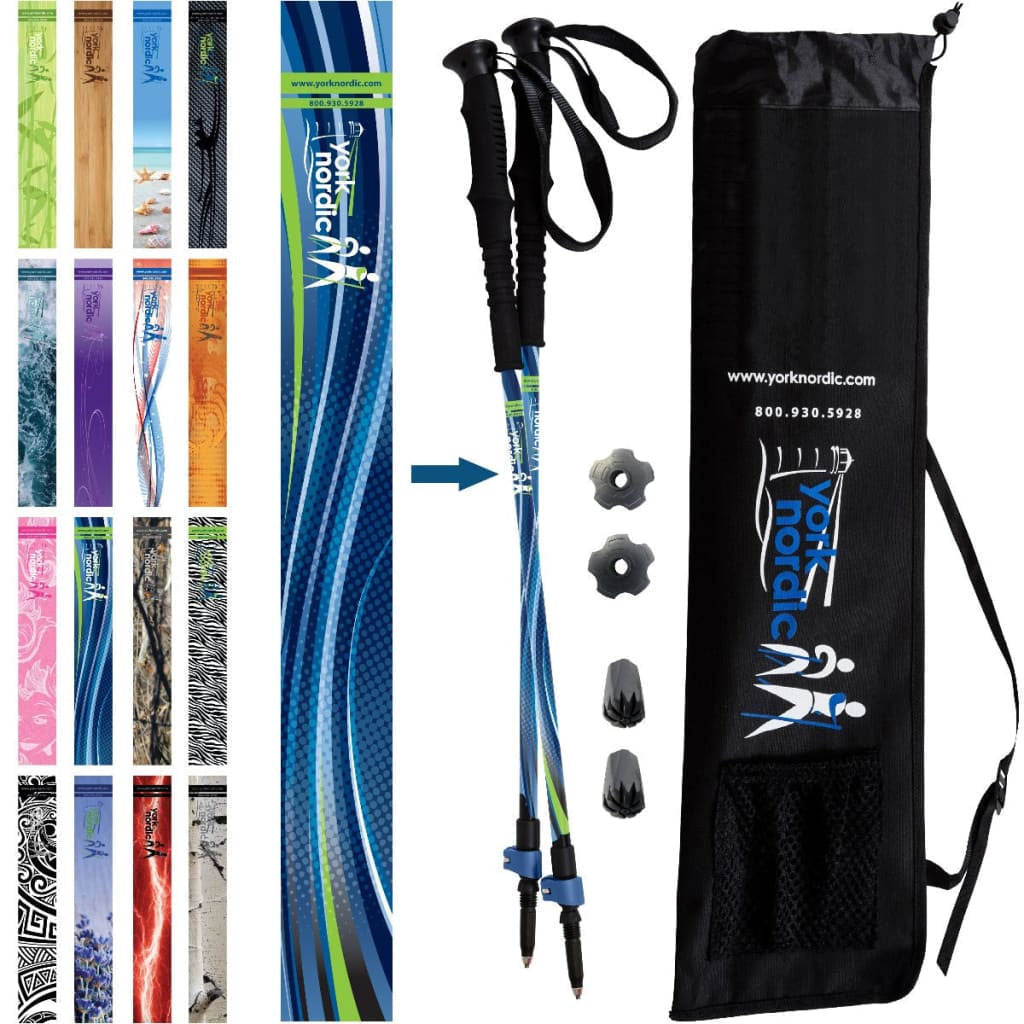
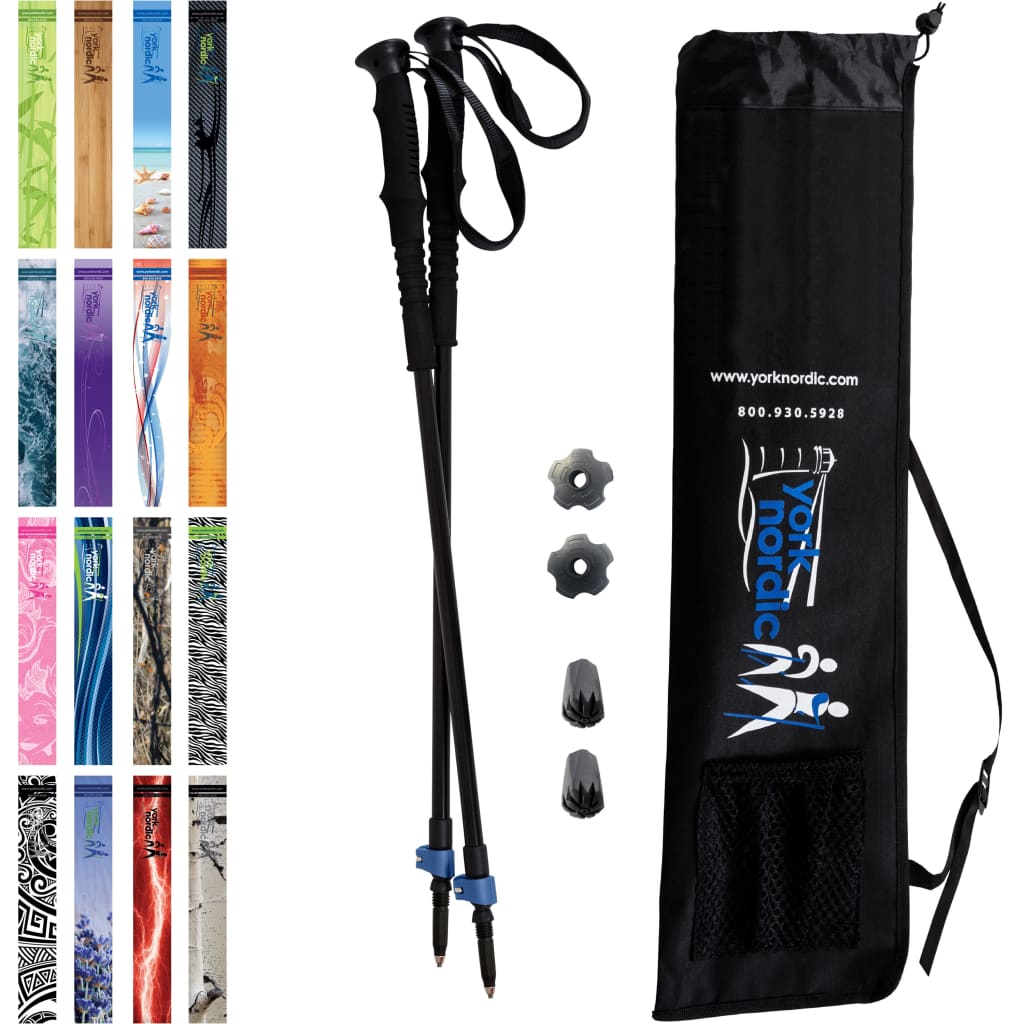
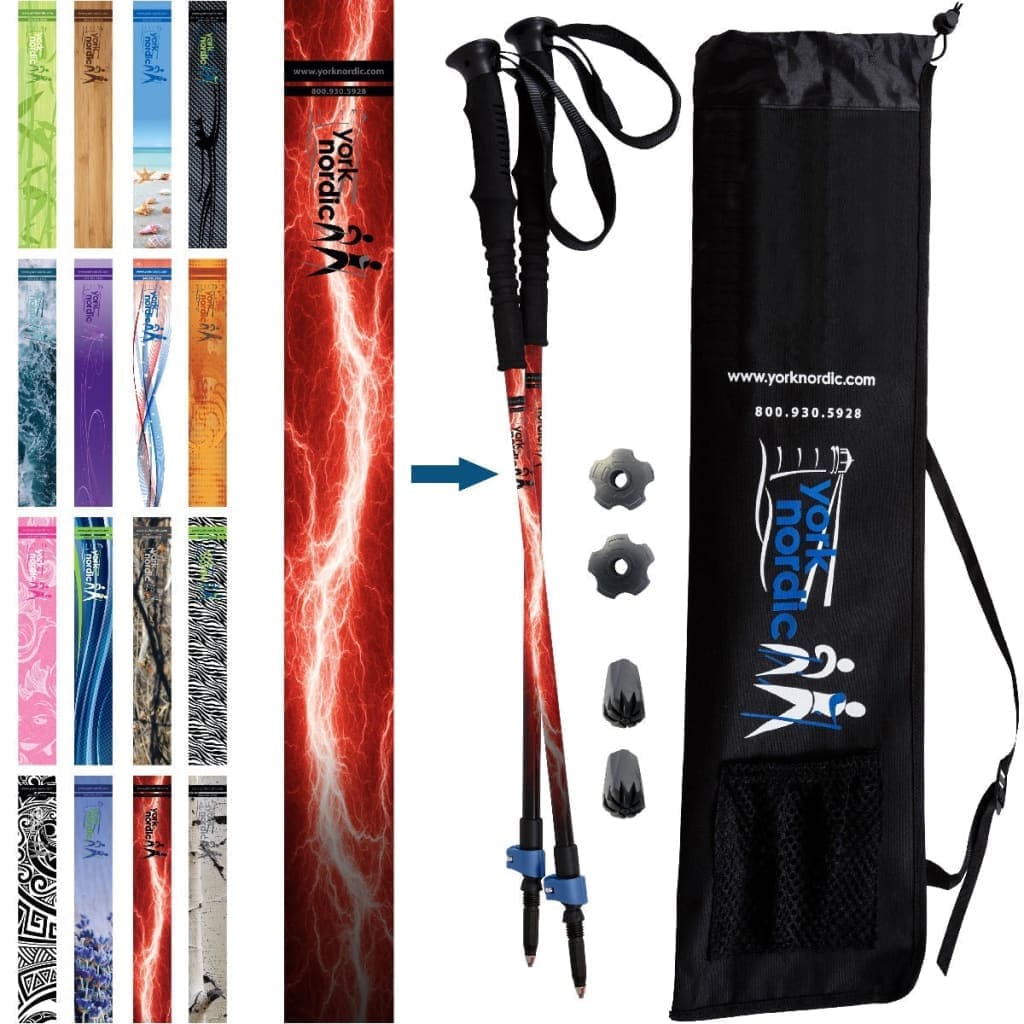
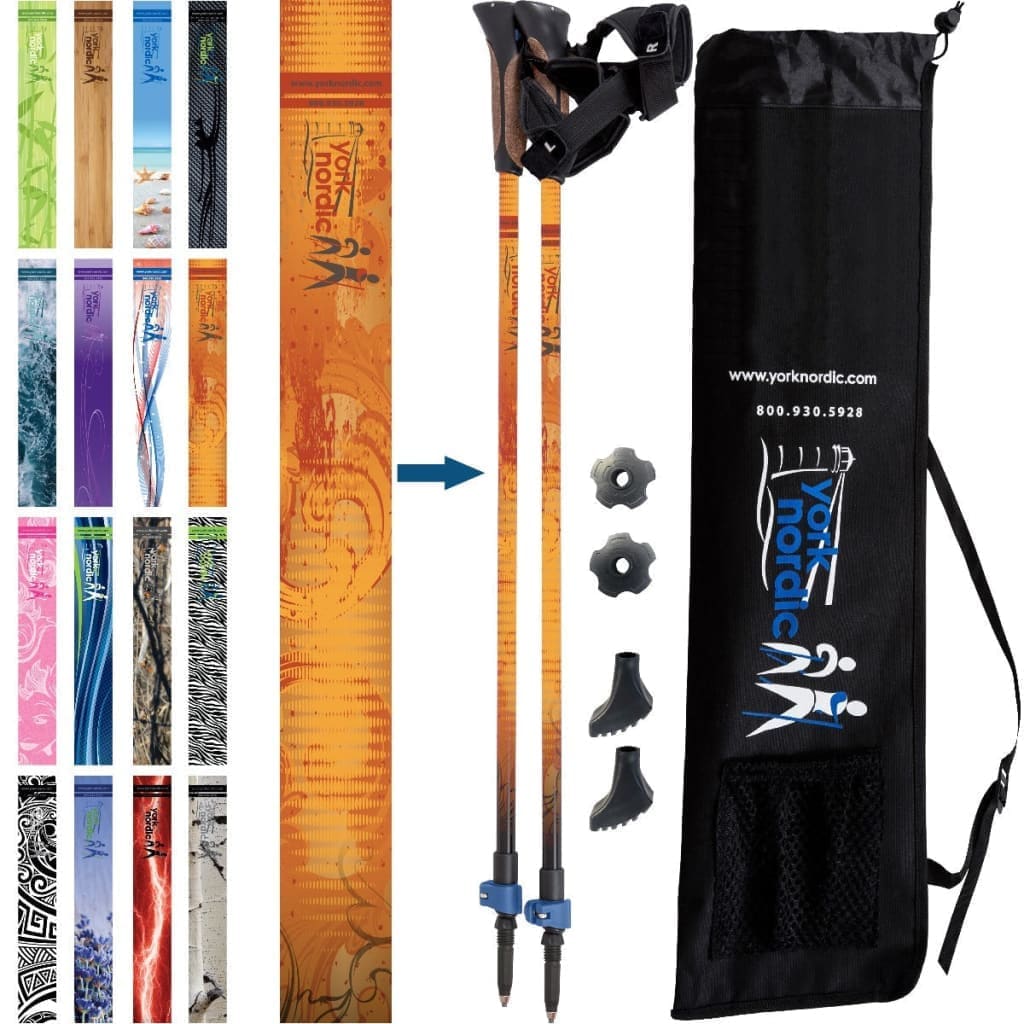
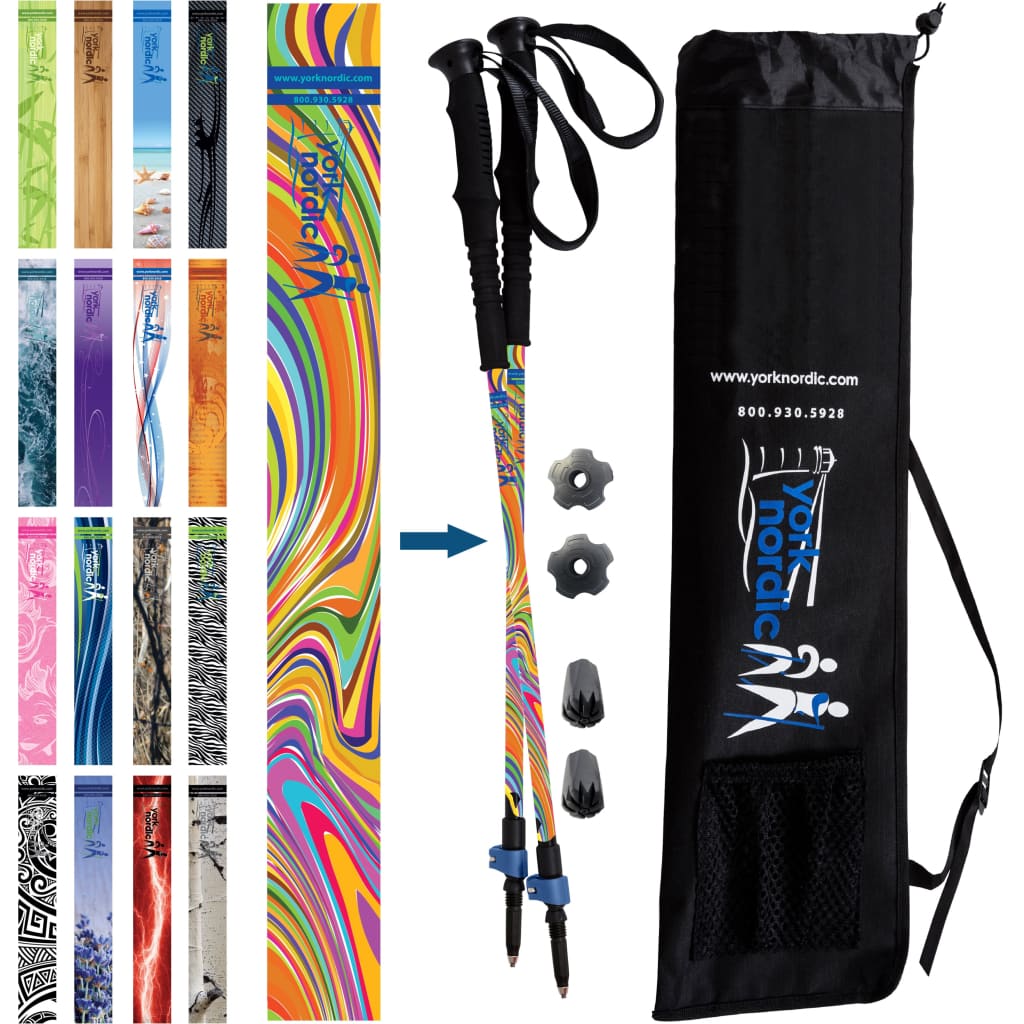
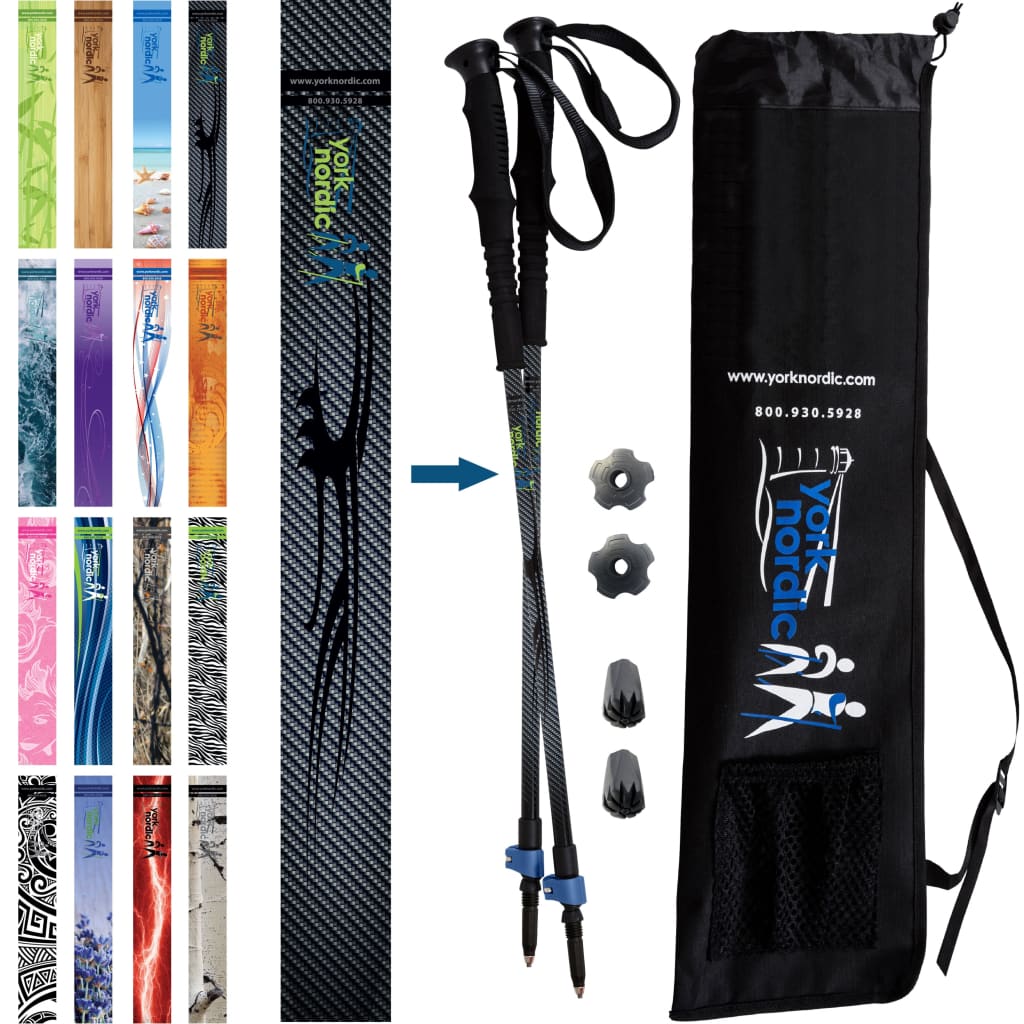
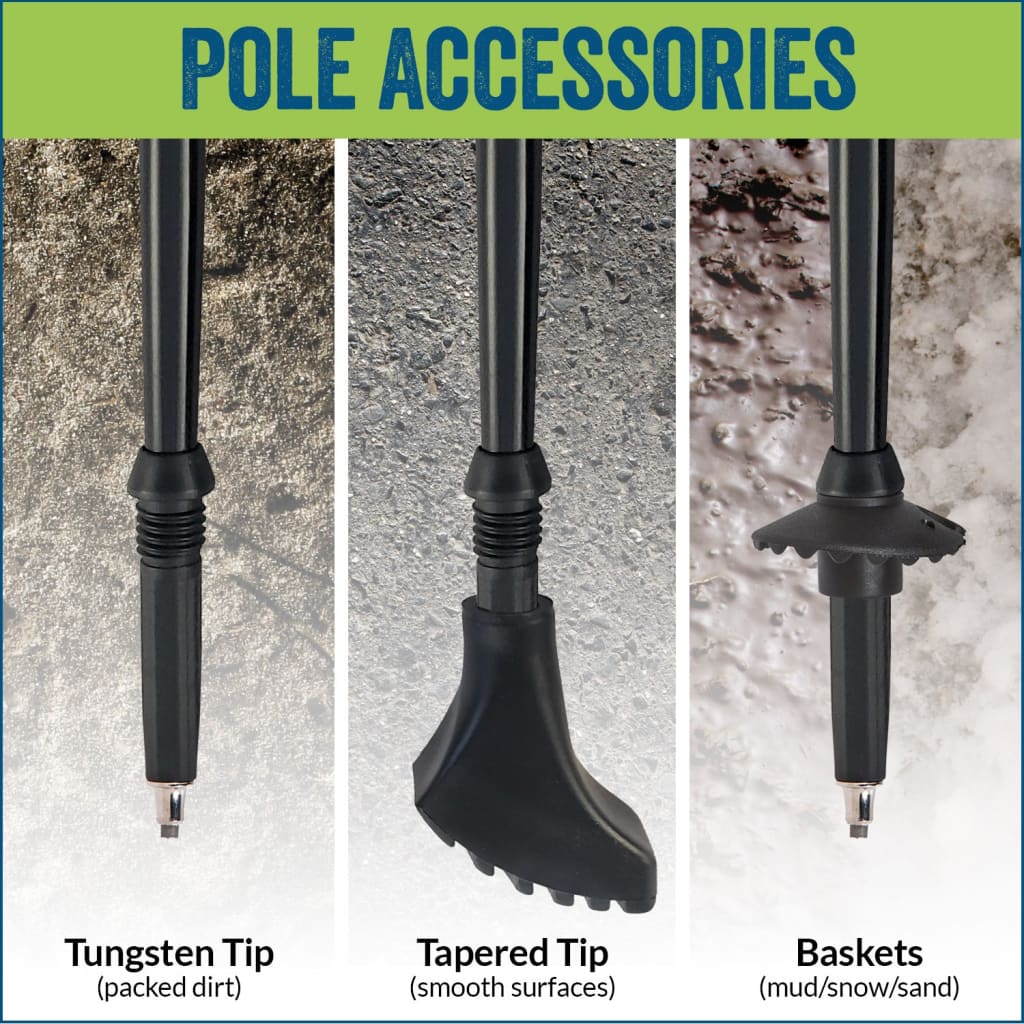
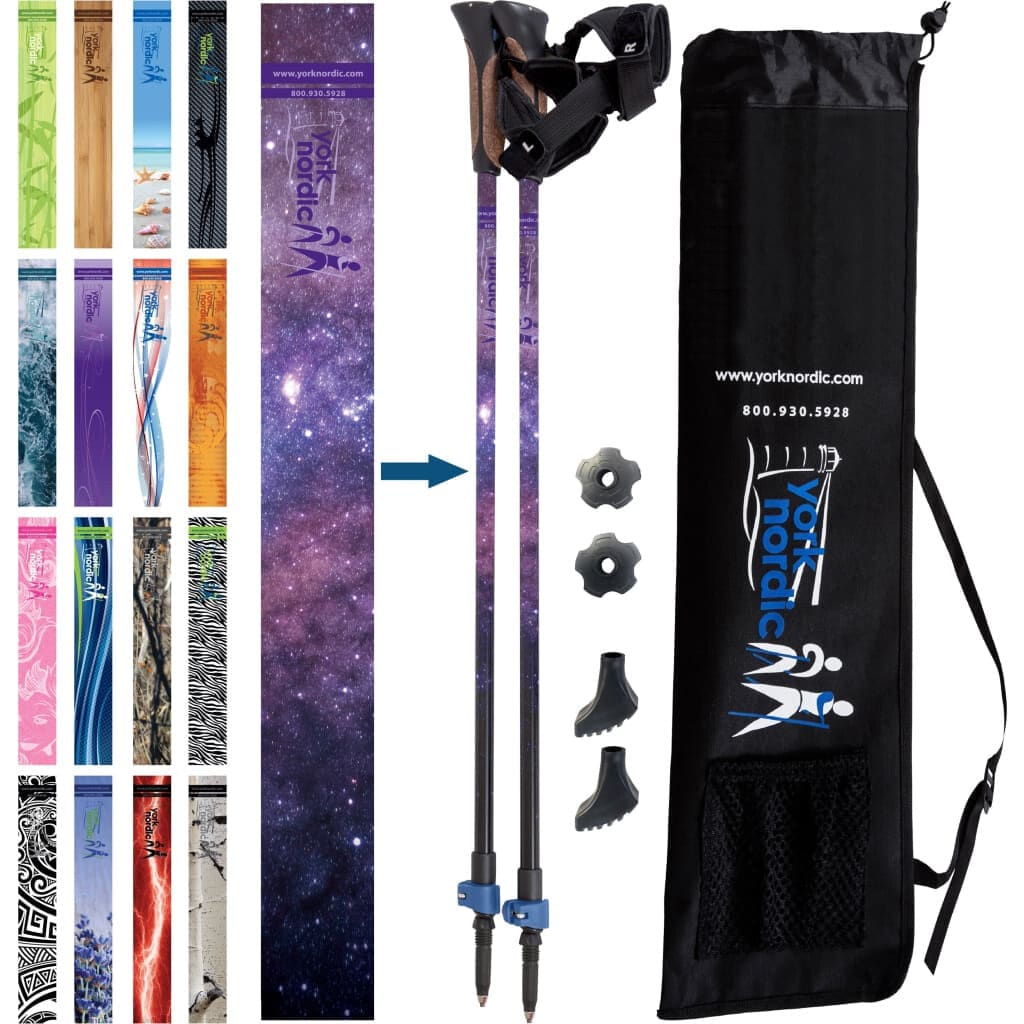
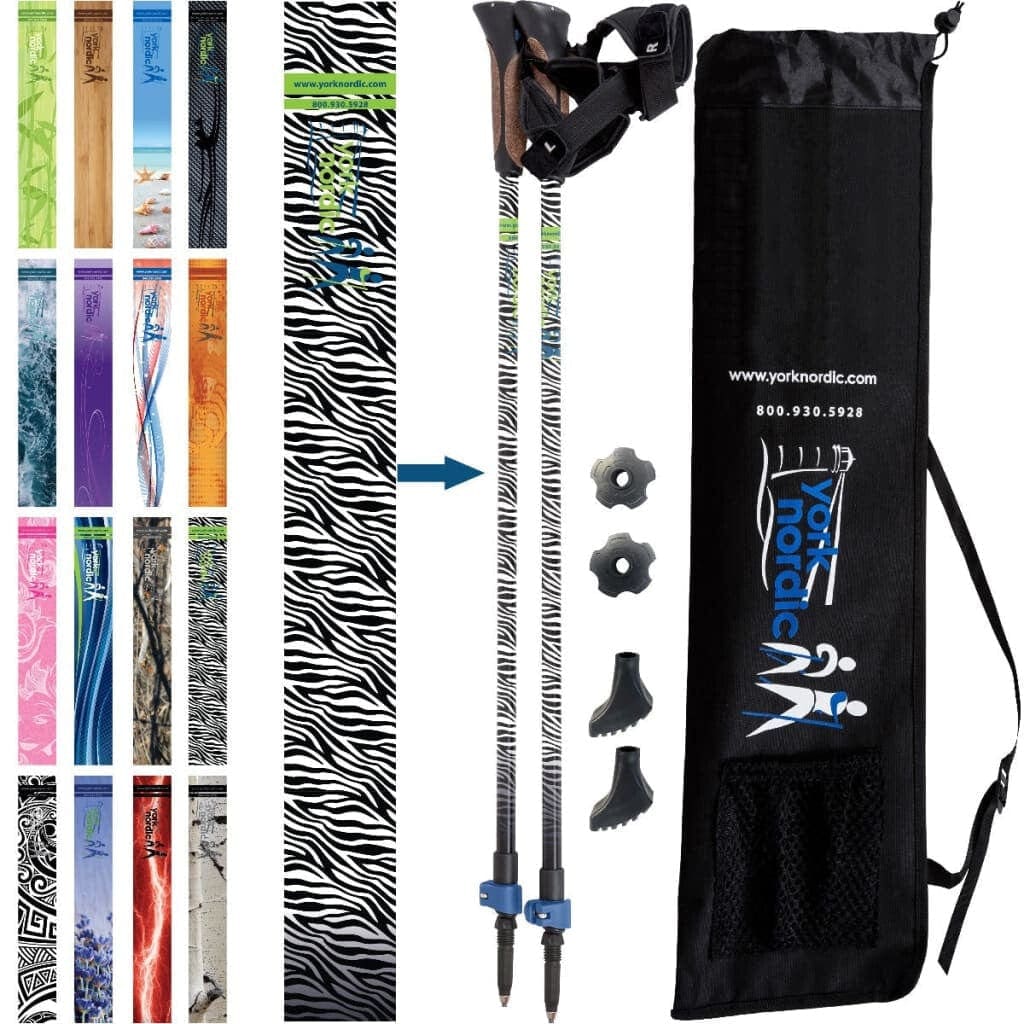
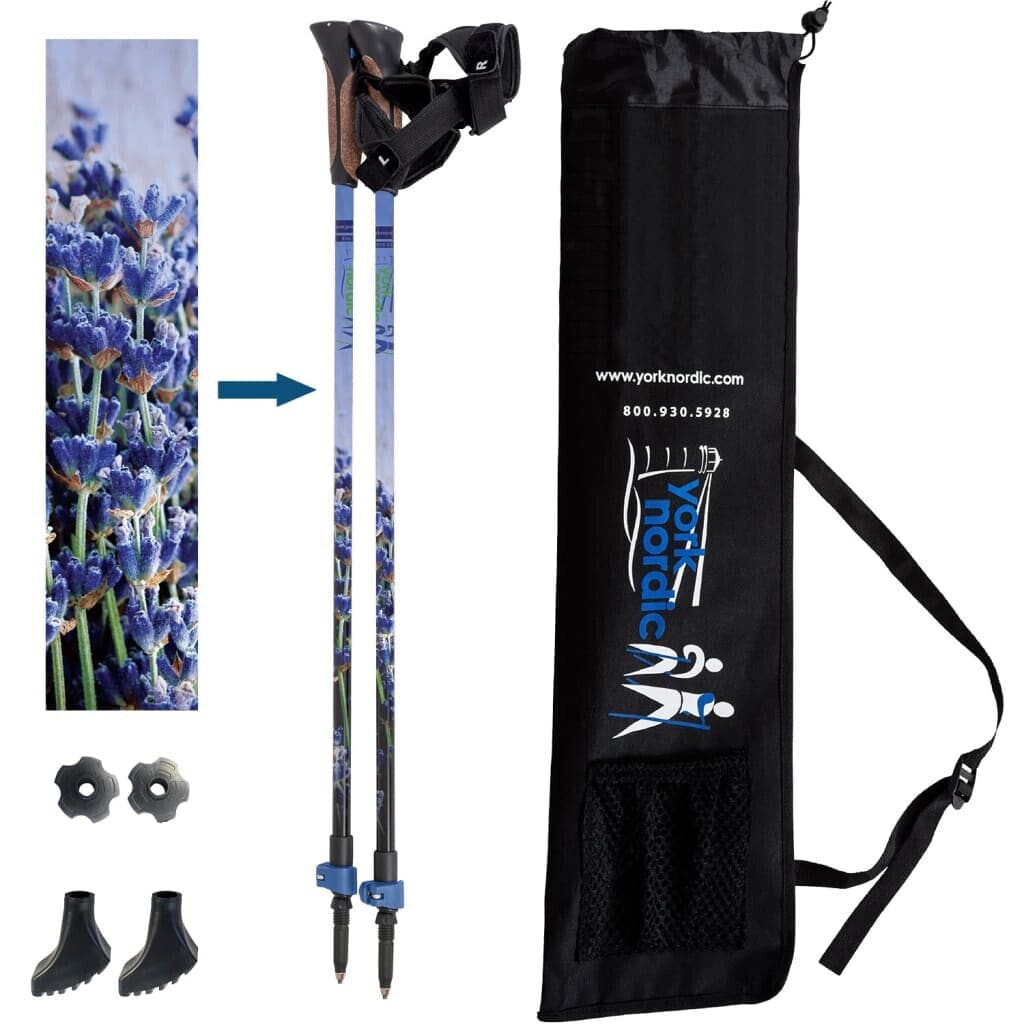
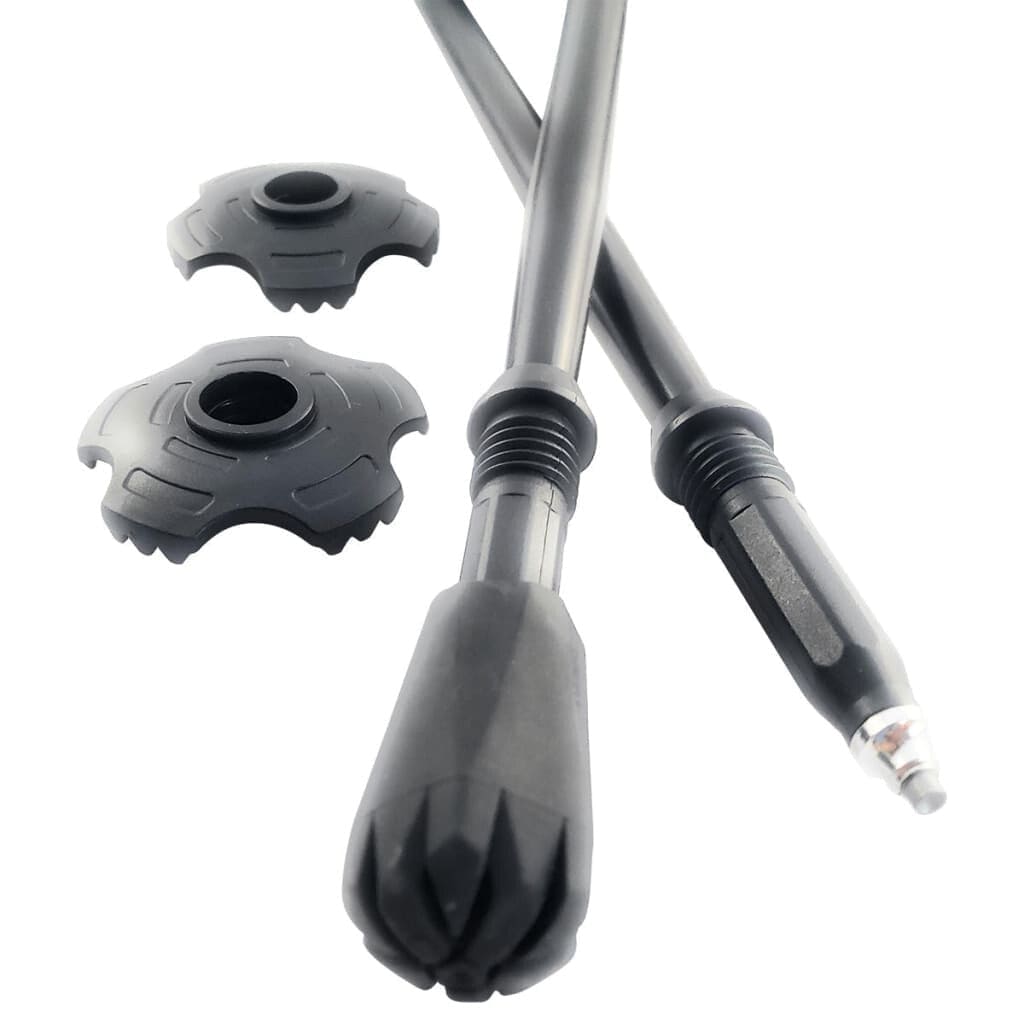
York Nordic replacement feet are designed to provide excellent traction, long-lasting durability, and a secure fit on York Nordic walking poles. They're easy to install and are built to withstand thousands of steps on sidewalks, paved trails, and other everyday walking surfaces.
For walkers who spend more time on pavement, keeping an extra set of replacement feet on hand means you'll always be ready for your next walk.
A Small Part That Makes a Big Difference
Walking poles are an investment in your mobility, balance, and overall health. Keeping the rubber feet in good condition ensures you continue getting the comfort, traction, and stability they were designed to provide.
Next time you finish a walk, take 30 seconds to inspect your pole feet. A quick check today can help keep tomorrow's walk safe, comfortable, and enjoyable.
After all, every great walk starts from the ground up. Let's Get Out There!
Tags
Educational, Pole Walking for Seniors, Product Updates





Latest Designs